
Do You Stand When the Bride Enters? Traditions and Etiquette Explained
Attending a wedding comes with its own set of traditions and expectations. One common question that often arises is whether you should stand when the bride enters. Standing for the bride is a customary way to show respect and honor during this important moment.
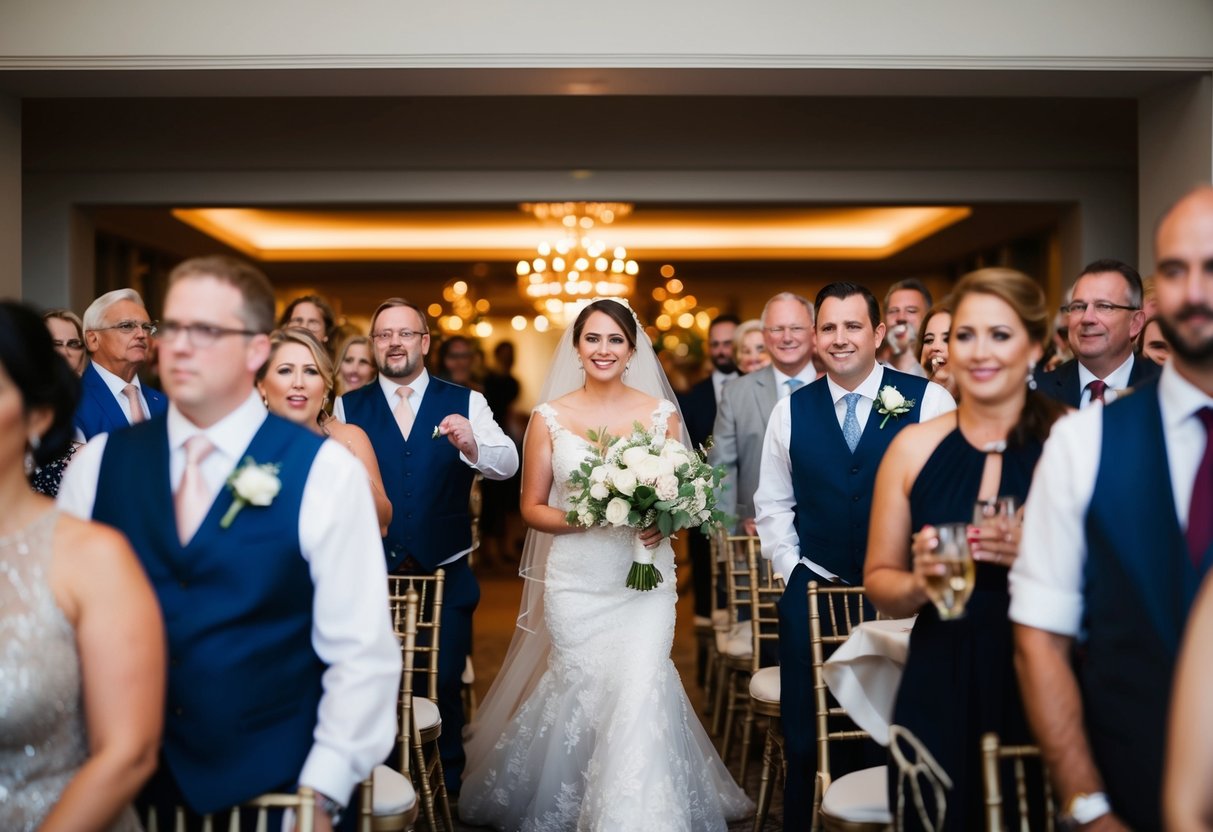
As the bride walks down the aisle, it’s a chance for you to celebrate the significance of her entrance. This act not only acknowledges her as the focal point of the ceremony but also adds to the overall joy of the occasion.
Understanding this tradition can help you feel more connected to the event and make the ceremony even more meaningful.
If you’re curious about how this tradition began or why it continues today, keep reading. You’ll discover more about the reasons behind this practice and what it means for both the couple and the guests.
The Role of Tradition in Wedding Ceremonies
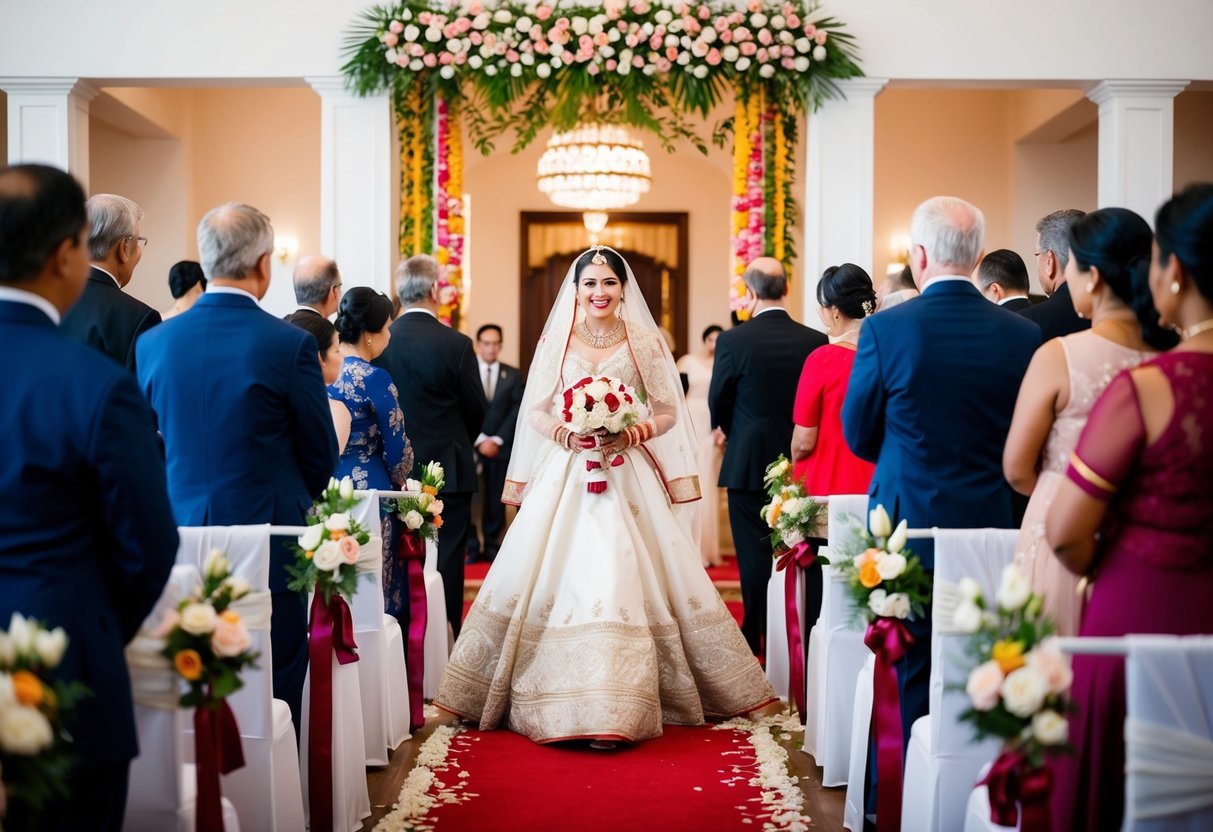
Tradition plays a big role in wedding ceremonies, guiding how events unfold. This section explores what wedding traditions are and why standing for the bride is significant.
Understanding Wedding Traditions
Wedding traditions vary across cultures and religions. These practices unite families and reinforce values. They can include everything from the wedding dress to the ceremony format.
In Christian weddings, certain customs often include hymns and readings from the Bible. These elements reflect faith and commitment. For example, the bride typically stands on the left while the groom stands on the right.
In Jewish ceremonies, traditions such as the breaking of the glass symbolize unity and the fragility of relationships. You might notice that many customs exist to show respect and honor during significant moments.
Significance of Standing for the Bride
Standing when the bride enters is a common custom in many weddings. It shows respect for the bride and acknowledges her special role on this important day. This action signifies that you value her journey and commitment.
Guests usually rise when the bride walks down the aisle. This moment creates an atmosphere of unity and celebration. It highlights the importance of the wedding ceremony.
The tradition has no strict historical basis, but it remains a widely accepted practice. It creates a shared experience among guests, making the event even more memorable. Rising reflects the admiration felt by all attendees for the bride’s commitment to her partner.
The Wedding Processional Explained
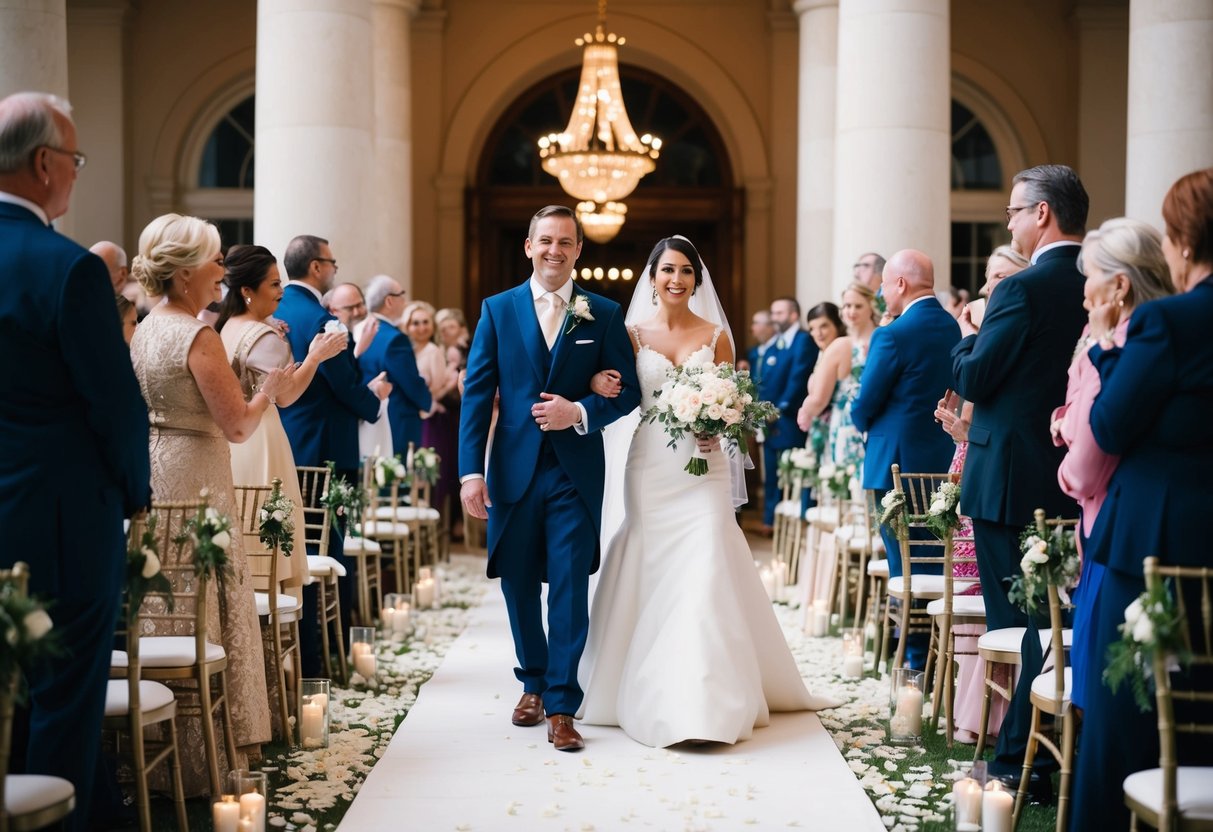
The wedding processional marks the beginning of the ceremony. This moment is filled with anticipation as the wedding party walks down the aisle in a specific order. Here, you’ll learn about the typical order of the procession and the roles of each participant.
The Order of the Procession
Understanding the order of the processional is key to a smooth wedding ceremony. Typically, the processional follows this sequence:
- Officiant – Takes their place at the altar.
- Groomsmen and Best Man – Enter next, standing beside the groom.
- Bridesmaids – Follow the groomsmen, lining up next to the bride.
- Flower Girl – Usually walks down before the bride, dropping petals.
- Ring Bearer – Often follows the flower girl, carrying the rings.
- Mother of the Bride – Generally enters before the bride.
- Bride and Father of the Bride – The bride makes her grand entrance, typically escorted by her father.
Each of these roles plays an important part in setting the tone for the ceremony.
Roles of the Bridal Party
The wedding party includes many special roles that contribute to the overall atmosphere.
- Bridesmaids support the bride throughout planning and on the wedding day. Their presence is a sign of friendship and love.
- Groomsmen stand by the groom, offering support and camaraderie. The best man often takes on extra duties, such as keeping the rings safe.
- Flower Girl and Ring Bearer add a cute and charming touch. They often help to lighten the mood and bring smiles to guests’ faces.
- Mother of the Bride plays a significant emotional role, often helping the bride feel calm.
Together, the wedding party creates a supportive environment for the couple as they begin their new life.
Guest Conduct During Wedding Ceremonies
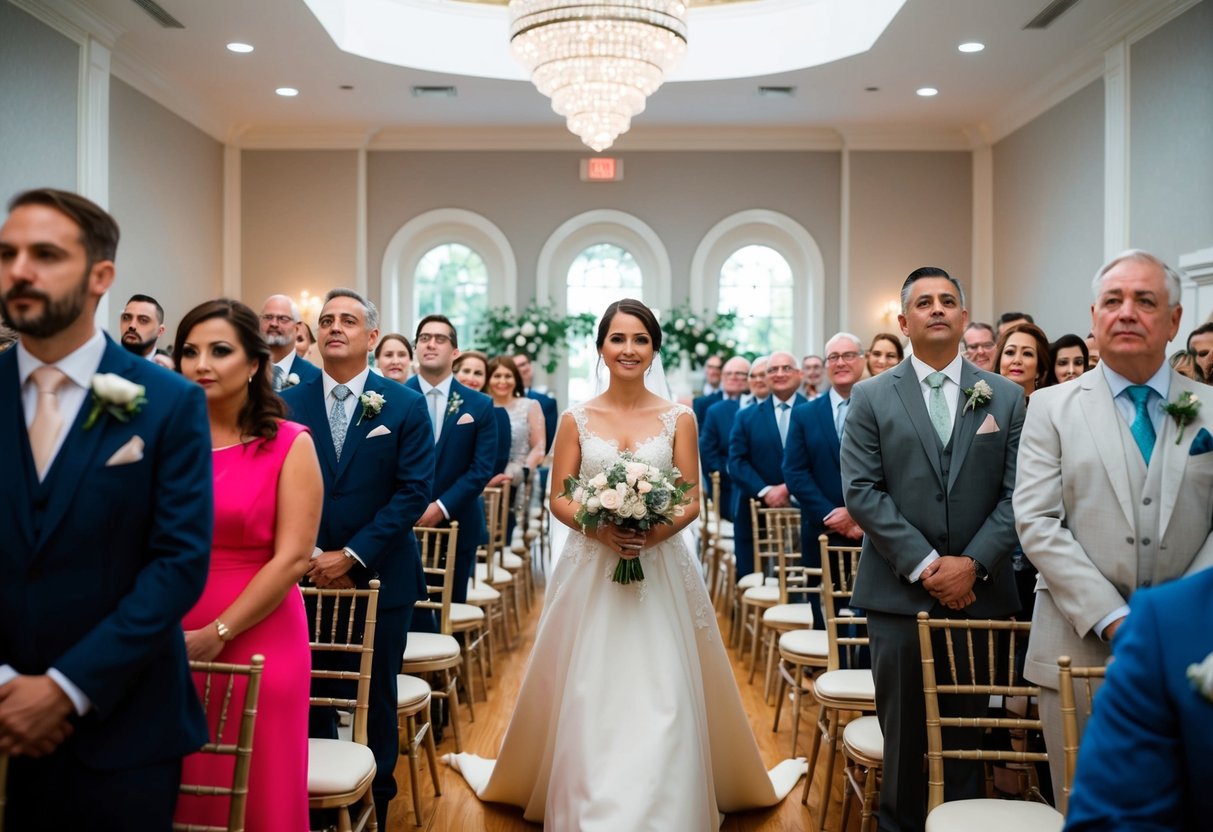
Your behavior during a wedding ceremony can make a big difference in the experience for everyone involved. Knowing when to stand or sit is one way to show respect and support for the couple. Here’s what you need to keep in mind.
Standards of Respect and Support
At many weddings, guests are asked to stand when the bride enters. This act is a sign of honor and helps to create an atmosphere of reverence. In a traditional setting, you may hear the officiant say, “Please rise,” as the couple prepares to make their way down the aisle.
In cases of a more relaxed ceremony, like an outdoor wedding, the couple might choose to let everyone remain seated. This choice often reflects their personal preference and the overall atmosphere they want to create. Always be mindful of the couple’s wishes, and follow their lead to show your support.
Special Considerations for Seating Arrangements
Seating arrangements can also guide your conduct during the ceremony. If the wedding is an unplugged ceremony, there may be guidelines against taking photos. Respecting this rule enhances the experience for guests and the couple.
In some ceremonies, the front rows are saved for close family and friends. Understanding your role in this arrangement allows you to honor and acknowledge the couple’s special day. While personal choice plays a role, being considerate of seating dynamics can make the event even more meaningful for everyone involved.
Modern Perspectives on Wedding Etiquette

Today’s weddings are evolving, blending traditional customs with personal touches that reflect love and joy. Couples are increasingly tailoring their ceremonies to fit their unique values and beliefs, which influences how guests participate.
Adapting Traditions in Contemporary Weddings
In modern ceremonies, the act of standing when the bride enters can be a flexible choice. While many still view it as a sign of respect, some couples may prefer not to have their guests stand. This shift often reflects their personality or the nature of the event.
For example, at a non-religious wedding, standing might not feel necessary. Instead, you might find everyone seated comfortably, enjoying the moment. This customization shows how wedding planners help couples adapt traditions to their preferences while maintaining the celebration’s joy and respect.
Non-Traditional Ceremonies and Personalization
The rise in same-sex weddings and elopements has shifted the focus even more towards personal meanings. Couples often choose their own customs. These can include everything from unique entrances to personalized vows.
You may see alternative signals of respect like applauding or cheering as the couple walks down the aisle. Each wedding venue sets its tone, whether intimate or grand. This allows guests to show admiration for the bride creatively.
This personalization fosters a deeper connection to the celebration and enhances the atmosphere of love and appreciation.