
Do You Take Bride to Be Your Wife? Understanding the Commitment of Marriage
As you prepare for one of the most memorable moments of your life, the question “Do you take this bride to be your wife?” carries deep meaning. This question signifies a commitment to love and cherish your partner through all of life’s ups and downs. It’s not just a formality; it’s a heartfelt promise that celebrates your union and the joy of marriage.
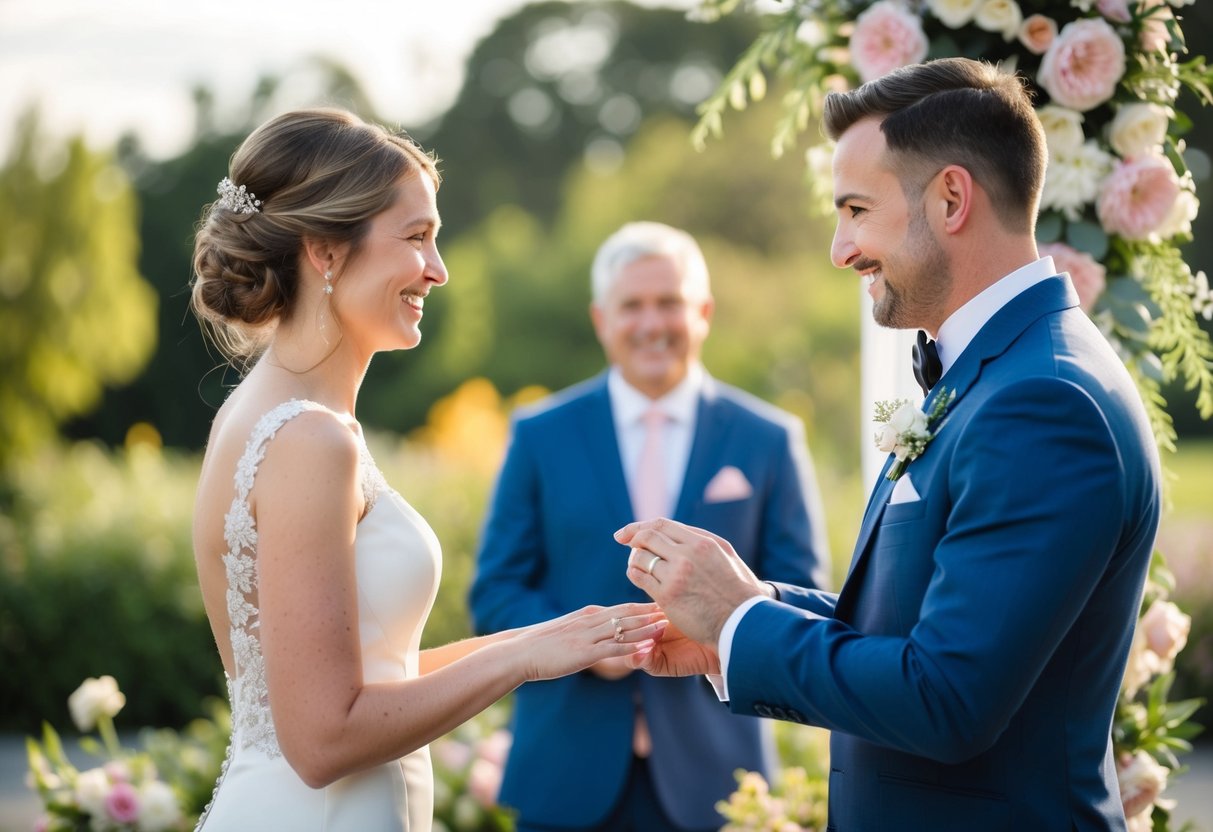
During the wedding ceremony, you stand before friends and family, ready to express your feelings and intentions. The words declared in that moment reflect your love and commitment, binding you together as a couple. This is a beautiful promise that marks the beginning of your journey together, highlighting the joy that comes with sharing your life with someone special.
Taking this step is not just about saying “I do.” It’s about embracing a future filled with love, support, and partnership. Each couple’s journey is unique, but the shared hope of happiness and understanding remains the foundation of every marriage.
The Significance of Wedding Vows
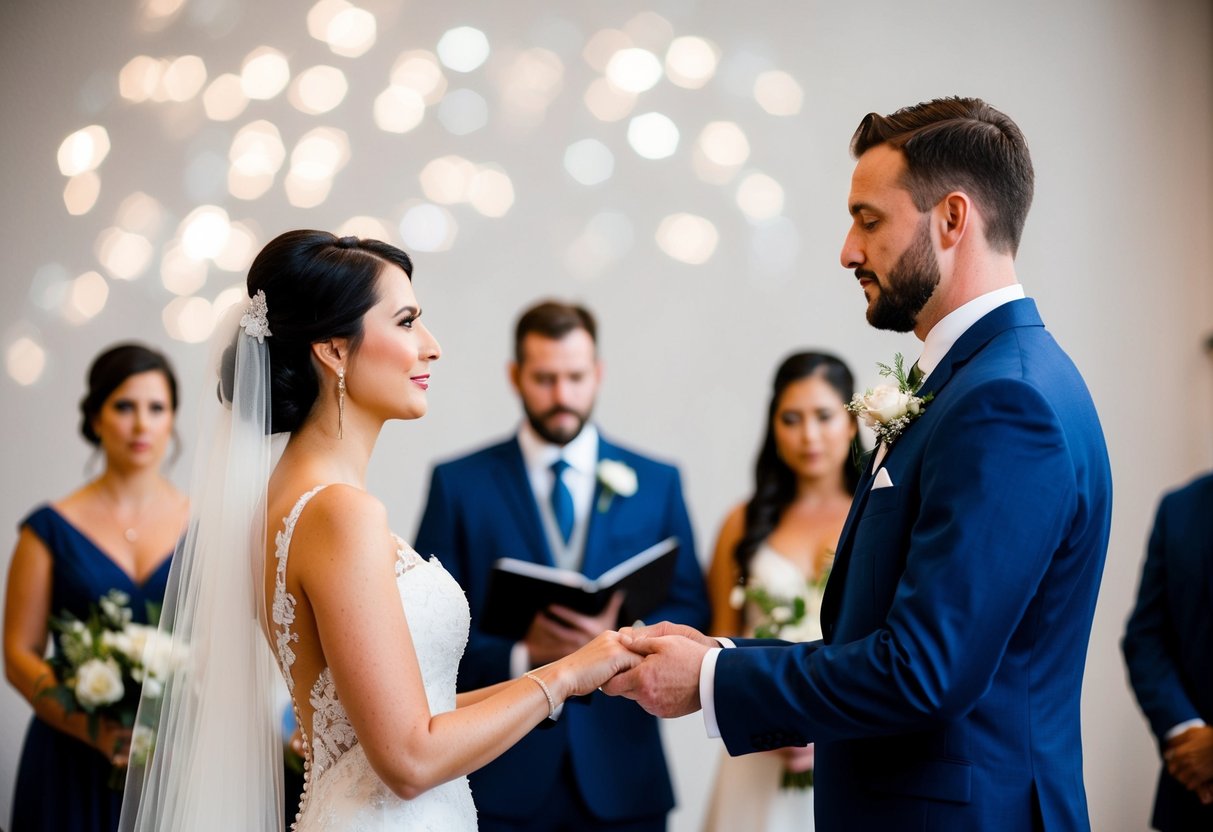
Wedding vows are more than just words spoken during a ceremony. They hold deep meaning tied to culture, religion, and personal promises. Understanding their significance can enrich your own wedding experience.
Cultural and Religious Importance
Wedding vows carry great weight in various cultures and religions. In many traditions, these vows symbolize a sacred bond between the bride and groom. They often reflect the values and beliefs of the community. For example, in a Christian wedding, vows might include a declaration of intent to love and cherish each other “for better or worse.”
In some cultures, rituals accompany the vows, cementing the commitment through symbolic acts. This reinforces the seriousness of the promises made before family and friends. In religious ceremonies, the vows also connect the couple to their faith and community. These aspects show why the wording and context of wedding vows are essential for many.
Personal Commitment and Promises
When you exchange wedding vows, you’re making a personal commitment. These words often express your feelings and hopes for your marriage. By saying “I do,” you are promising to support and love your partner through life’s ups and downs.
The vows can be traditional or personalized, fitting your style as a couple. You might choose to include promises about raising children, supporting each other’s dreams, or sharing responsibilities. An essential aspect is that these vows represent your unique relationship.
As you make these solemn promises, you strengthen your bond with your partner and reinforce your commitment to each other. This declaration of intent serves as a reminder of your love and dedication throughout your life together.
The Wedding Ceremony Script
A wedding ceremony script sets the tone for your special day. It includes important parts, such as opening words, vows, and the final pronouncement, which marks the union of two people in love.
Opening Words and Introduction
The ceremony often begins with the officiant welcoming everyone. This part may include a brief introduction about the significance of the day and the love shared between both partners.
You might hear phrases like “We are gathered here today to witness and celebrate the union of [Bride] and [Groom].” The officiant can also share a few personal thoughts about the couple and their journey.
This introduction allows everyone to connect emotionally and prepares them for what’s to come. Keeping it warm and heartfelt sets a lovely stage for the celebration of love and commitment.
Declaration of Consent
The declaration of consent is a vital part of the ceremony. Here, you will hear the question, “Do you take [Bride] to be your lawfully wedded wife?” This moment underscores the importance of mutual consent in marriage.
Both partners typically answer with “I do,” signaling their commitment. The officiant may repeat this process for the other partner, ensuring both make their vows publicly.
The declaration is a symbolic moment, emphasizing that marriage is built on love and choice, not obligation. It also reinforces the union in front of friends and family.
Vow Exchange and Ring Ceremony
During the vow exchange, you will share personal promises. This moment is significant, as it reflects your commitment to each other.
You may choose to write your own vows or use traditional ones provided by the officiant. As you exchange vows, you affirm your dedication and love.
After the vows, the ring exchange follows. The officiant might say, “Please place the ring on each other’s finger.” This symbolizes your commitment and the bond you share. Rings represent your love and the promise of a future together, making this part emotional and memorable.
Pronouncement and First Kiss
Finally, the officiant pronounces you as married. This is often the most awaited moment in the ceremony. The officiant might say, “By the power vested in me, I now pronounce you husband and wife.”
This pronouncement is a joyful recognition of your new status as a married couple.
After this, you will share your first kiss as a married couple. It’s a highlight of the ceremony, symbolizing the beginning of your life together. Friends and family cheer, creating a joyful atmosphere to celebrate your union.
Roles in the Wedding Ceremony
In a wedding ceremony, different people have specific roles that help create a meaningful event. Each role contributes to the special atmosphere while ensuring that everything runs smoothly. Let’s explore who does what during this important occasion.
Responsibilities of the Officiant
The wedding officiant plays a key role in your ceremony. This person can be a minister, priest, or a professional wedding officiant. Their main responsibility is to lead the ceremony and ensure the legal aspects of your marriage are fulfilled.
The officiant will welcome everyone, introduce the ceremony, and share any readings or blessings. They guide you through your vows and may sprinkle in some personal touches to reflect your story. Their role helps set the tone of affection and commitment.
Role of the Couple
As the couple, you are the stars of the day. Your role is to express your love and commitment to each other. You will share personal vows, which are often the most heartfelt part of the ceremony.
This moment is yours to reflect on your journey together and declare your intentions. Stand together, hold hands, and look into each other’s eyes as you speak. This creates a strong bond that everyone can feel. Remember, this is not just about words; it’s about your shared love and connection.
Involvement of Family and Guests
Family and friends also play important roles in your wedding ceremony. You might ask a family member to give you away or to read a passage that is meaningful to you. This can add a personal touch and involve loved ones in your special day.
Guests are there to witness your commitment and show their support. Their presence adds to the love in the air. Make sure to acknowledge them during the ceremony, as they are celebrating this moment along with you. Together, everyone helps build a supportive atmosphere filled with joy and affection.
Life after the Ceremony
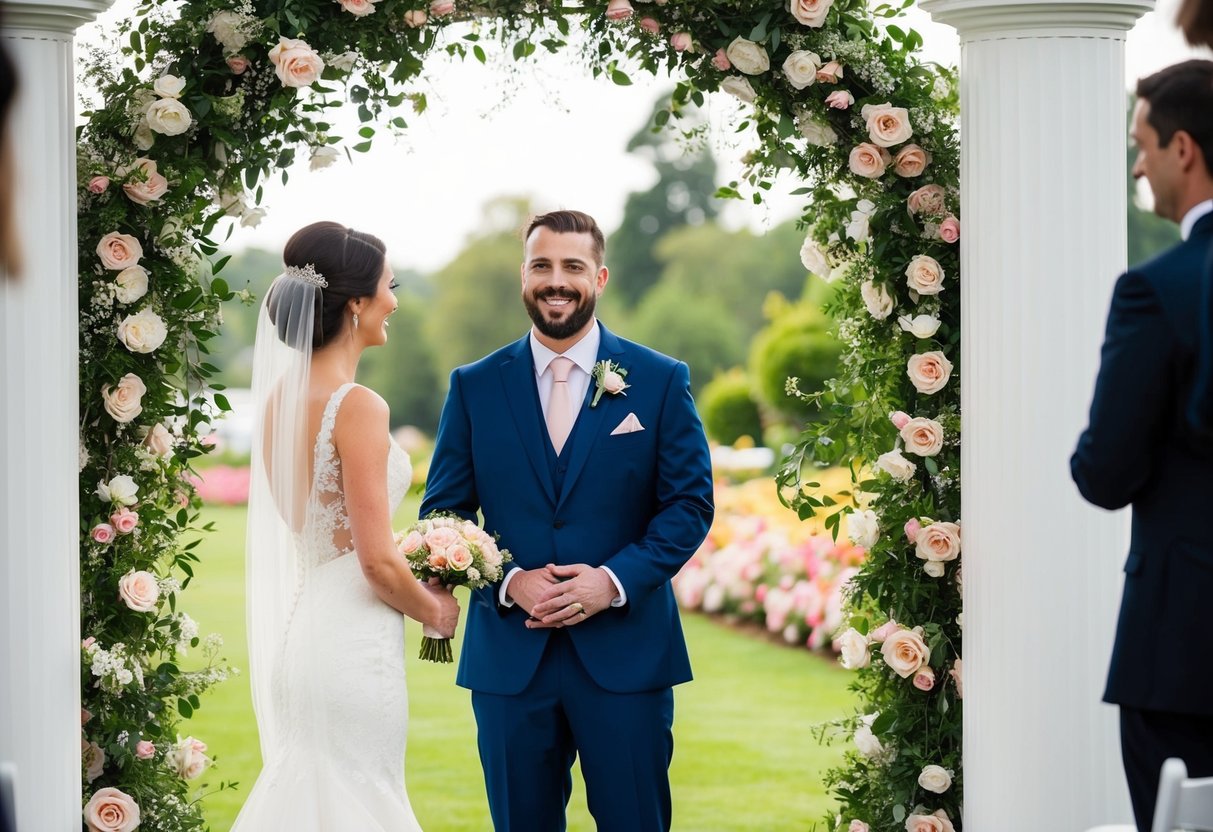
After saying “I do,” you and your partner begin a new chapter as husband and wife. This time is filled with opportunities to embrace love, navigate challenges, and strengthen your bond.
Embracing the Journey as Newlyweds
As newlyweds, you have the chance to explore life together in a fresh and exciting way. This journey is about creating shared experiences that will deepen your connection.
Start by setting goals together, whether that’s planning a vacation, saving for a house, or pursuing hobbies. These activities can help you bond.
Communication is vital. Always be open and honest with each other about your feelings and needs. This foundation will support your marriage through both joyful and challenging times.
Cherishing Love and Navigating Challenges
In your marriage, you will face ups and downs. Remember to cherish the love you share. Simple gestures like expressing gratitude, spending time together, and supporting each other during difficult moments can reinforce your connection.
When challenges arise, focus on your solemn vow to love and cherish each other. Approach issues as a team; this unity will bring you closer.
Sickness, health, and financial stresses are some challenges you may encounter.
Being proactive in resolving conflicts can prevent misunderstandings from escalating. Focus on love and honor as guiding principles in your daily interactions to help keep your relationship strong.