
Do You Take This Man’s Wedding Vows? Understanding the Importance of Commitment
When you’re standing at the altar, saying those important words can feel both exciting and nerve-wracking. The vow, “Do you take this man?” signifies a deep commitment to love, honor, and cherish for a lifetime. It’s more than just tradition; it’s a promise rooted in your feelings and intentions.
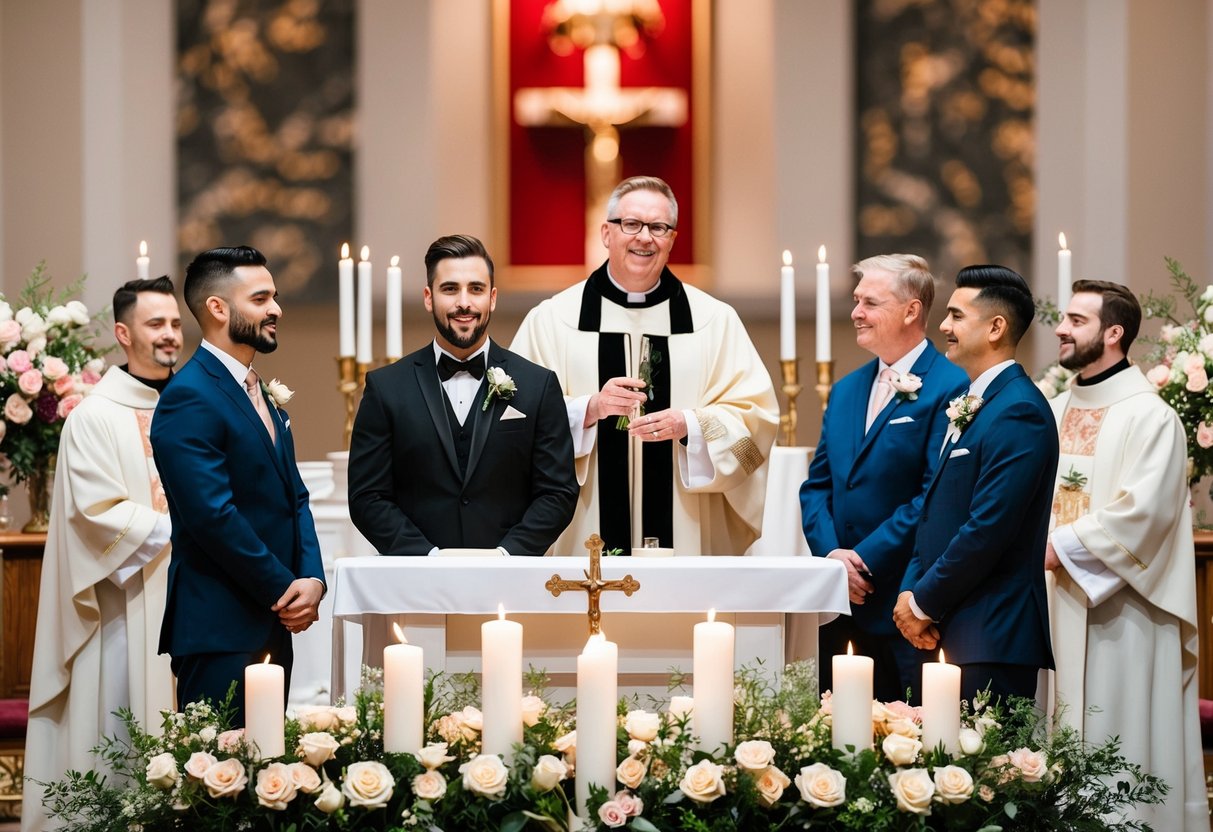
Choosing to write your own vows or sticking to traditional ones adds a personal touch to your ceremony. Many couples find that expressing their own words helps to make the moment more meaningful.
In this article, we will explore various options for your wedding vows and the significance behind them. Whether you seek inspiration or simply want to understand the meaning behind the words, there’s something here for you.
The Essence of Marriage Vows
Marriage vows hold deep meaning and significance in every wedding ceremony. They reflect the bond between partners, often expressing love, commitment, and shared values. Understanding their history and cultural context can enhance your appreciation of these promises.
Historical Significance of Vows
Marriage vows have existed for centuries, evolving through various cultures and religions. From ancient times, vows were a way to formalize the commitment between two people. In many traditions, vows included phrases like “forsaking all others” to emphasize loyalty.
Traditional wedding vows often contain promises to “love and cherish” one another and to be together “till death do us part.” This historical framework provides a foundation that continues to resonate today.
Cultural Variations in Vows
Different cultures have unique expressions of marriage vows. In Christianity, vows may include pledges of fidelity and spiritual devotion, while Catholic wedding vows emphasize sacramental elements. Similarly, Muslim wedding vows often include commitments made before witnesses, highlighting community support.
Jewish wedding vows involve the giving of a ketubah, a marriage contract that outlines responsibilities. In contrast, nondenominational weddings might focus on personalized elements, symbolizing the couple’s unique journey. Each style reflects distinct values while serving the same purpose of uniting partners.
Modern Interpretations and Personalization
Today, many couples choose to write their own vows. This trend allows for personalized wedding vows that reflect your unique relationship. Whether you prefer funny wedding vows for him or heartfelt wedding vows, crafting your own promises can make the ceremony feel authentic.
You can draw inspiration from unique wedding vows examples to help you articulate your feelings in a way that resonates. Remember, the essence of your vows is about the love and commitment you share.
Crafting Your Vows
When creating your wedding vows, balance between tradition and personal touches is key. You can draw on long-standing practices while also expressing your unique love and commitment.
Elements of Traditional and Religious Vows
Traditional and religious vows often include key phrases that capture the essence of marriage. These may include promises to love, honor, and cherish your partner. You might find wording such as “I take you to be my lawfully wedded wife/husband” common in many ceremonies.
These vows usually emphasize commitment in both good times and bad. They reflect the intention to support one another throughout life. You can choose to include elements from your faith or culture, making your vows deeply meaningful.
Some examples might be:
- “To have and to hold”
- “In sickness and in health”
Consider these phrases as the foundation for building your unique expressions of love.
Making Vows Your Own
Your vows should reflect who you are and your journey together. Start by thinking about your relationship and what makes it special. Personal stories or shared memories can be a great foundation for your unique wedding vows.
To craft your vows, consider these steps:
- Identify key promises you want to make, like supporting your partner’s dreams.
- Include personal anecdotes that show your journey together.
- Keep it concise, aiming for 1-2 minutes of speaking time.
Feeling lost? Look at examples of vows for him or other personalized wedding vows for inspiration. Remember, short wedding vows can be just as impactful. Make them heartfelt, and let your love shine through!
The Wedding Ceremony Structure
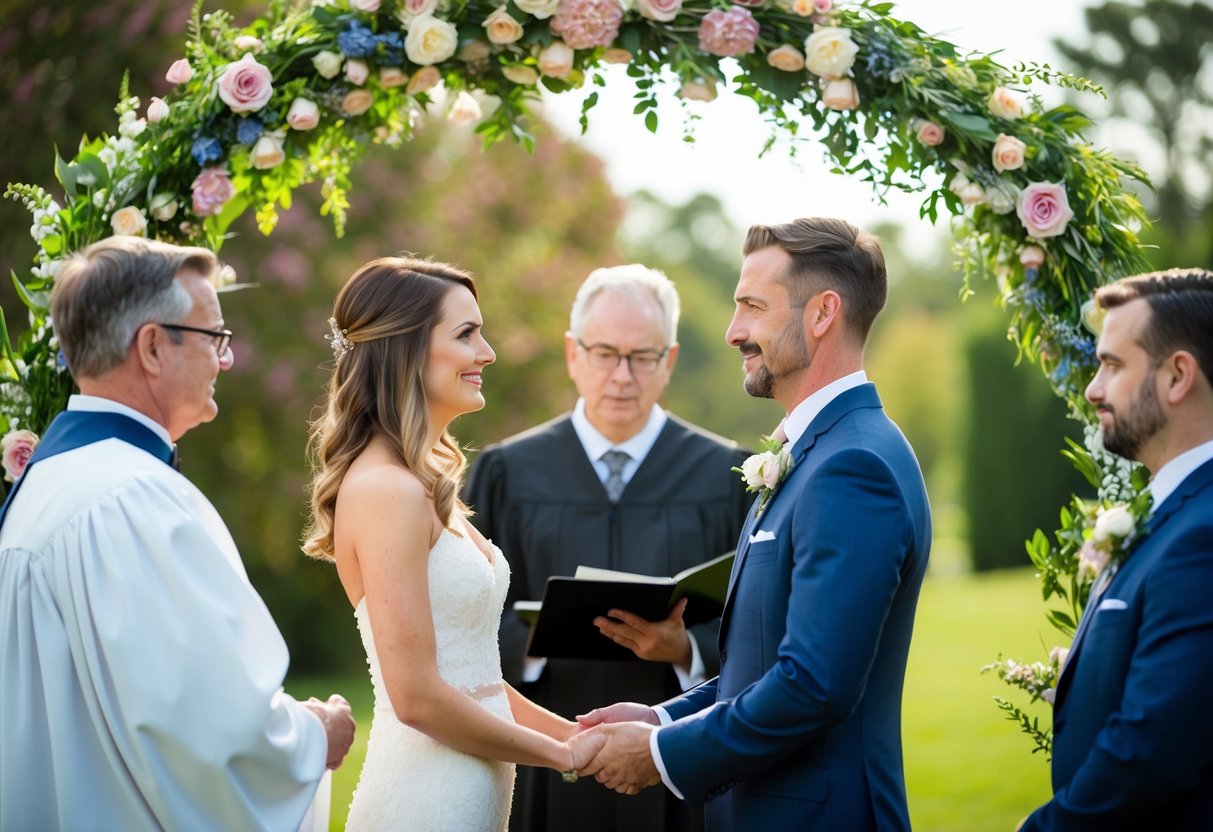
A wedding ceremony has a specific structure that helps guide the couple and their guests through this special day. Key elements include the order of events and the incorporation of vows, which are central to expressing love and commitment.
Order of Events
The wedding ceremony typically follows a set order that includes several significant parts. Starting with the processional, you’ll see the bridal party enter, setting a joyful tone.
Next comes the welcome, where the officiant greets everyone. The readings may offer words of wisdom or love, often including meaningful passages or poems.
After that, you’ll encounter the exchange of vows. Here, you and your partner will speak your promises to each other, often referencing the good times and bad you’ll face together. Following this, the ring exchange symbolizes your vows through physical representations of love.
Finally, the pronouncement of marriage concludes the ceremony, and the couple shares their first kiss as a married pair.
Incorporating Vows into the Ceremony
Vows are the heart of the wedding ceremony. They allow you to express your deepest feelings and commitments. Many couples choose to write personal vows that may include the seven promises of marriage, emphasizing loyalty, support, and love.
You may opt for a traditional exchange of vows where both partners repeat the same phrases. Alternatively, some choose to have vows first, showcasing each partner’s individual promises before moving on to other parts of the ceremony.
Including a mix of personal and traditional elements can make this moment truly special. Engage your guests by sharing your love story, which can make your vows even more meaningful.
Legal Considerations and Vows
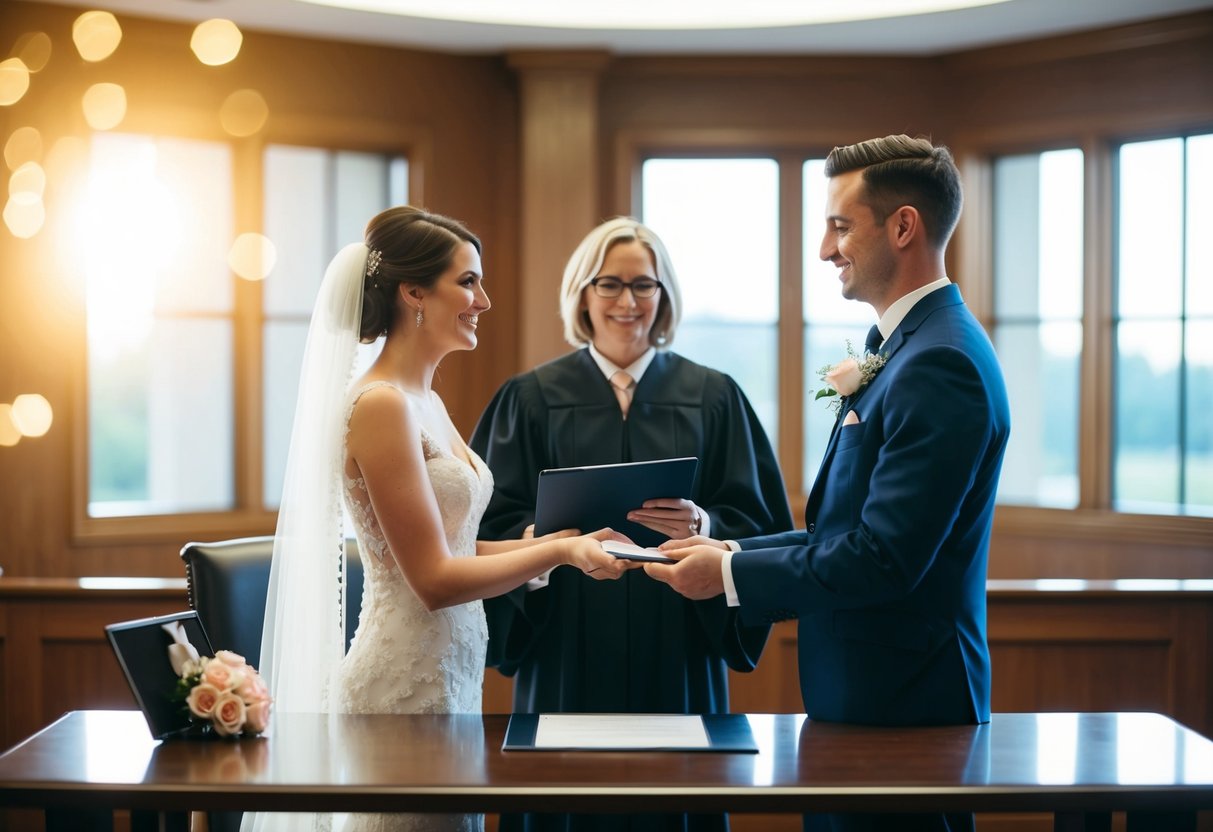
When you say “I do,” you’re entering into a legal agreement along with your partner. Understanding how this impacts your vows is important for ensuring that both of you are fully prepared for married life. Here are two key aspects to consider about the legal side of your wedding vows.
Understanding Marriage as a Legal Contract
Marriage is not just a romantic bond; it’s also a legal contract. This means that once you say your vows, you have certain rights and responsibilities.
As a lawfully wedded couple, you gain property rights. This means anything bought during your marriage generally belongs to both partners. Also, in cases of divorce, these rights will be important in dividing assets fairly.
In many areas, your legal status may even affect things like healthcare decisions and tax benefits. Understanding these aspects will help you appreciate the seriousness of the vows you make.
Amending Vows to Reflect Legal Obligations
Your wedding vows can be personalized, but be cautious. While you can express your love and promises, remember they also need to reflect legal obligations.
In addition to the traditional “I do,” consider mentioning your commitment to shared responsibilities. You might include aspects about caring for each other’s well-being or managing joint property.
This not only enhances your vows but also acknowledges the legal side of your relationship. It’s a good way to remind yourselves that marriage involves both emotional and legal commitments.
By addressing these points, you ensure a strong foundation as you begin your journey together.