
Do You Tip a Wedding Photographer? A Simple Guide
Tipping your wedding photographer is optional in the United States. You do not have to tip a wedding photographer, though a cash thank-you is a thoughtful choice when the service exceeds your expectations. Your photographer’s package price usually covers planning, shooting, equipment, editing, travel, and business costs, so gratuity does not work like a restaurant tip.
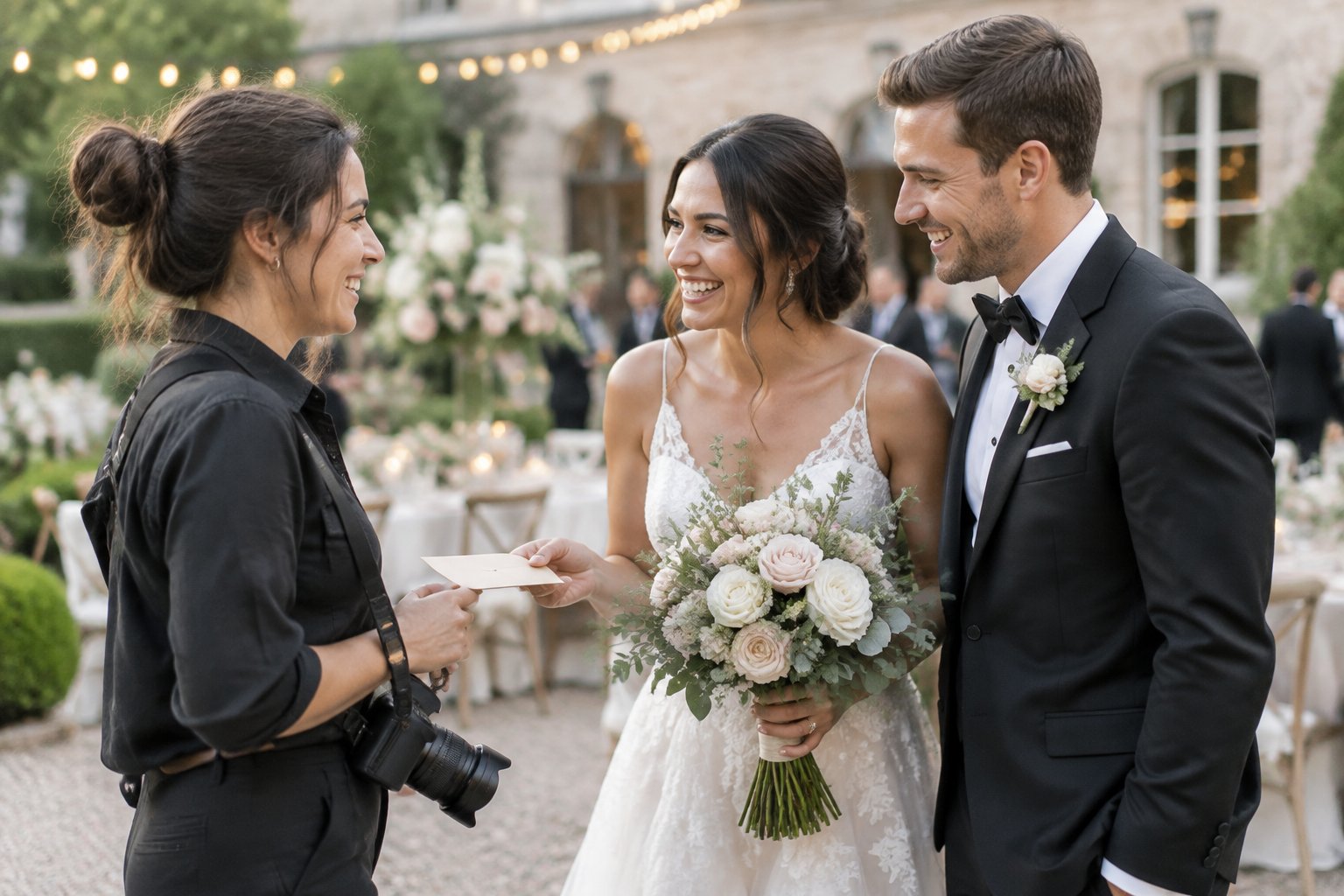
Your wedding budget may already include several vendor payments, and wedding planning can make every extra expense feel significant. Start by reading your contract, checking whether gratuity appears in the package, and deciding whether the photographer’s care and effort deserve an added gift.
You can also compare the cost of hiring a wedding photographer with your wider priorities before setting a tip amount. If you choose to give one, prepare a labeled envelope before the wedding or arrange a digital payment after delivery.
A kind note, detailed review, and referral also give your wedding photographer meaningful support when cash does not fit your plans.
The Short Answer: When Gratuity Is Optional
A tip for a wedding photographer is a personal thank-you, not a required part of wedding tipping etiquette. Cash tips make sense when you feel pleased with the service and have room in your budget after covering your wedding vendors.
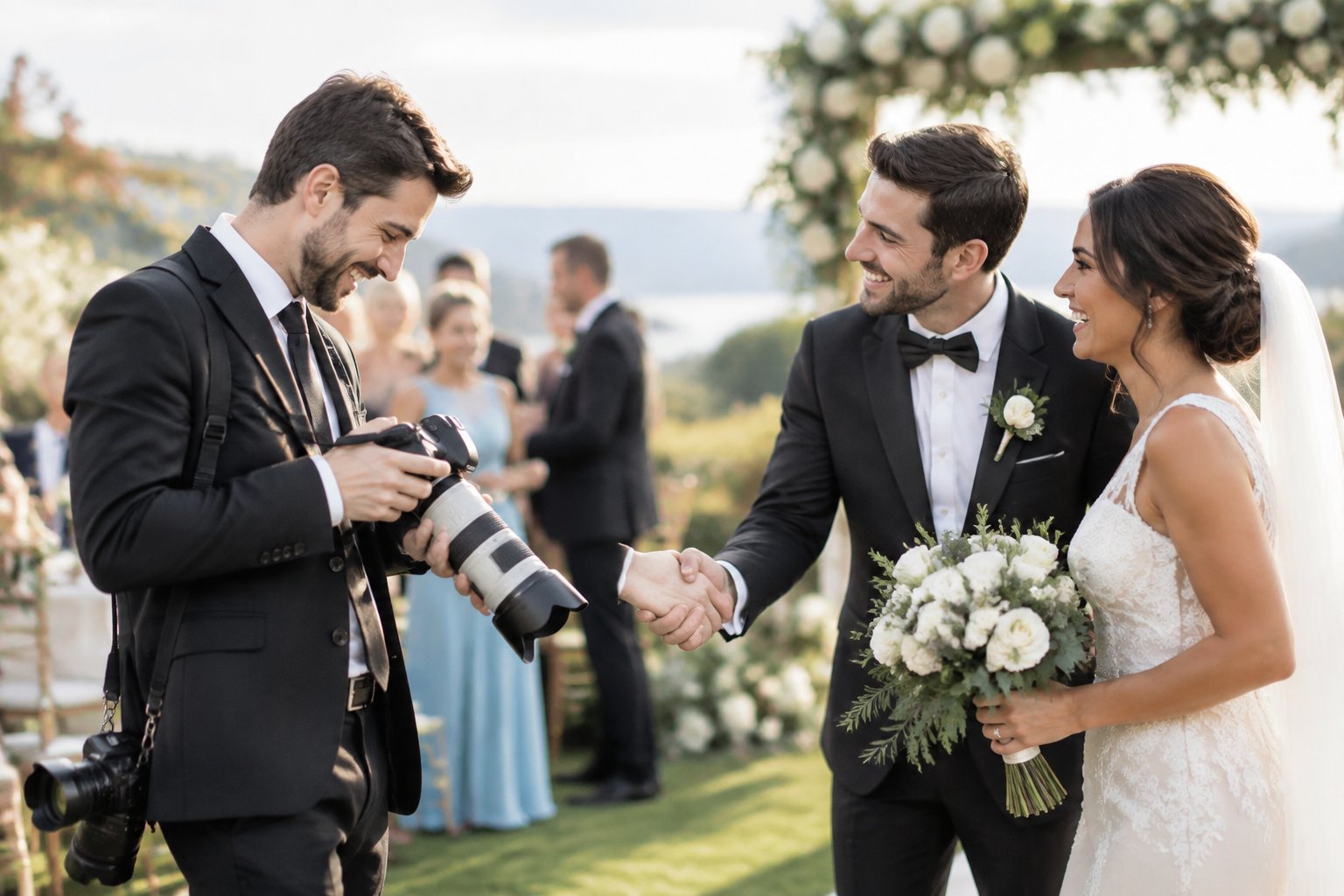
Why Photography Tips Differ From Restaurant Tips
Restaurant workers often receive gratuity as a regular part of their pay structure. Wedding photographers set a package price that accounts for their labor before, during, and after your event.
Their work includes consultation, timeline planning, gear preparation, image backup, editing, album design, and gallery delivery. That pricing structure makes a photography tip an extra expression of appreciation.
You can decide based on the experience you received, the photographer’s role, and the amount remaining in your wedding budget.
When Exceptional Service May Merit More
A larger tip fits when your photographer goes beyond the agreed service. Examples include:
- Staying late to capture an important moment
- Helping calm you during a stressful delay
- Managing family portraits with patience
- Solving a lighting, weather, or timeline problem
- Delivering a polished gallery ahead of the promised date
You can also recognize a team member who handled a large share of the day. Ask your photographer how gratuity is divided if you want every person to receive a fair amount.
When It Is Reasonable Not to Tip
Skipping a tip is reasonable when the contract already includes gratuity, the service fell short, or your wedding budget has no flexible money left. A photographer who owns the studio may also have built compensation into the package price.
You can still send a thank-you note, post a review, or recommend the photographer to friends. Those gestures show appreciation without adding pressure after an expensive event.
What to Check Before You Decide
Review the agreement and the team structure before deciding whether to tip. The contract, the photographer’s business role, the work completed, and your final payment schedule give you a clear basis for the choice.

Does the Contract Include Gratuity or a Service Charge?
Search your contract for terms such as “gratuity,” “service charge,” “administrative fee,” or “staff appreciation.” A service charge does not always mean the money goes directly to the photography team, so ask the business what the fee covers.
Request clarification before preparing cash. This step helps you avoid paying twice and gives you time to adjust your plan.
Is Your Photographer the Business Owner or an Employee?
An owner-operator sets the package price and receives the business income. A tip remains welcome, yet your decision can focus on the service you received.
An employee, lead photographer, associate photographer, or contracted second shooter may have a different compensation arrangement. Ask who receives gratuity and whether the studio has a preferred method for sharing it among team members.
Did the Team Go Beyond the Agreed Scope?
Compare the delivered service with the contract. Extra coverage, added editing, emergency problem-solving, or help with a difficult family situation can support a tip.
Keep the agreed scope in mind when judging the experience. A photographer who completes the promised work with care has done a professional job, even when no unusual challenge occurs.
How Does the Final Payment Affect Your Plan?
Schedule the tip after you confirm that the final payment, travel charges, album costs, and other contracted fees are covered. If the gallery arrives months later, you can reserve the amount now and send it after delivery.
A written note beside your final payment checklist can prevent the tip from becoming an unplanned wedding expense. You can also ask the studio whether tips are accepted by check, card, or electronic transfer.
How Much Should You Give the Photography Team?
A common starting point is $50 to $200 for the lead photographer, with a separate amount for a second shooter or photography assistant. Use a flat amount that fits your budget and reflects the service you received.
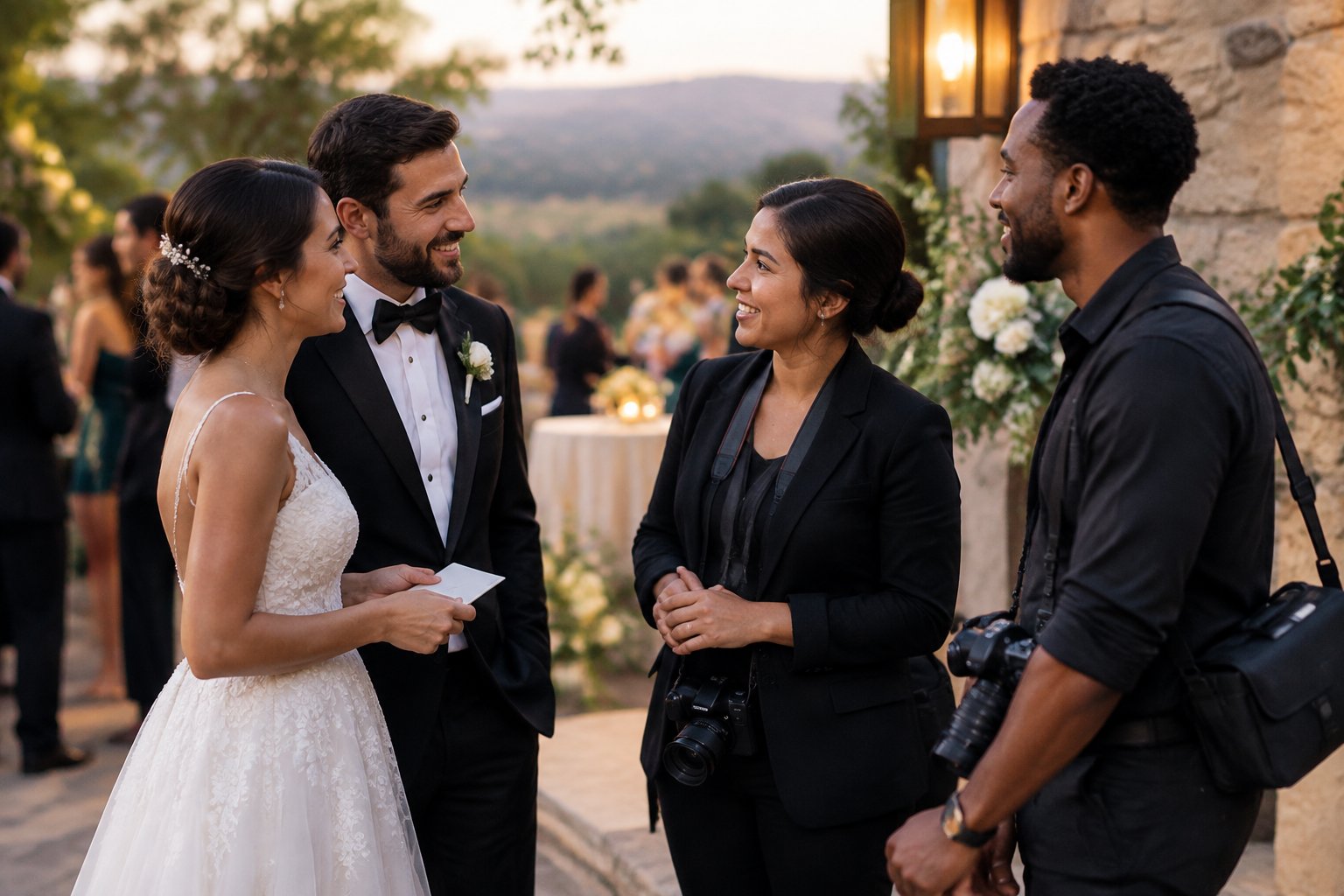
Flat Amounts vs. Percentage-Based Tips
Flat amounts are easier to plan because they do not rise automatically with the package price. A percentage-based tip may feel appropriate for a high-touch experience, though it can create a large payment on an expensive package.
If you prefer a percentage, a modest range such as 5% to 10% gives you a planning reference. Check the contract first and avoid treating any percentage as a required rule.
Suggested Amounts for the Lead Photographer
Use these ranges as practical planning points:
- $50 to $100: dependable service that met the agreement
- $100 to $200: excellent service with extra care or effort
- More than $200: an unusually demanding day or exceptional contribution
The lead photographer may be the studio owner, an employee, or an associate. Their role helps you decide how to divide the amount, though your satisfaction with the work should guide the final number.
What to Give a Second Shooter or Photography Assistant
A second shooter or photography assistant may receive $50 to $100, depending on hours, responsibilities, and the quality of support. Give the money directly if you know the person, or ask the lead photographer to distribute it.
When several wedding photographers worked your event, label each envelope by name. This keeps the handoff clear and prevents one person from guessing how you intended the money to be shared.
How to Set a Limit That Fits Your Budget
Choose a maximum before the wedding day. Base it on money left after required vendor payments, emergency funds, travel, and post-wedding expenses.
A $100 tip given comfortably is a better plan than a larger amount that creates debt. If cash does not fit, pair a sincere note with a five-star review and a referral.
When and How to Deliver the Tip
Give the tip at the end of the photographer’s coverage or after you receive the final gallery, depending on your contract and comfort. A trusted wedding planner can manage the handoff so you do not need to track envelopes during the reception.

Should You Tip on the Wedding Day or After Gallery Delivery?
The wedding day works well when you want to thank the team in person. Place the money in a sealed envelope with the photographer’s name and give it after coverage ends.
Gallery delivery works well when editing quality affects your decision. You can send the tip with a personal message once you have reviewed the finished images and confirmed that the contracted work is complete.
Who Should Hand Out Vendor Envelopes?
Assign one trusted person to manage vendor envelopes. Your wedding planner, a member of the wedding party, or a close family member can keep the envelopes secure and record each handoff.
Write the vendor’s name and amount on an internal list. If you are coordinating tips yourself, review the list with your planner before the reception begins.
For more planning help, see this guide to who hands out tips at a wedding.
Cash, Check, Venmo, or Zelle?
Cash in a labeled envelope remains a clear choice for a day-of thank-you. A personal check works when the photographer accepts it and you have confirmed the correct payee.
Venmo or Zelle may suit a post-gallery tip if the photographer lists that payment method in the contract or gives you permission to use it. Ask before sending money, and include your names in the note so the payment is easy to identify.
Thoughtful Ways to Say Thank You Without Cash
A specific message, public review, and personal referral can support your photographer when a cash tip does not fit. These gestures take little time and give the business useful proof of your experience.
Write a Specific Thank-You Note
Mention a moment the photographer captured well, a way they helped you feel comfortable, or a detail you noticed in the finished gallery. Specific praise feels personal and helps the photographer remember your celebration.
You can send a handwritten card with the final payment or write an email after gallery delivery. If you include a gift, keep it personal and modest.
Leave a Five-Star Review
Post an honest five-star review on the platform where you found the photographer, such as The Knot or WeddingWire. Name the photographer, describe the planning process, and mention the final images.
Avoid sharing private details or posting images your photographer has asked you to keep private. A clear review helps future couples evaluate the service.
Share Referrals and Credit Their Work Online
Recommend the photographer to friends who are planning weddings. Tag the business when you share images, follow the photographer’s usage rules, and credit the work in your caption.
Ask before submitting photographs to a wedding blog or publication. A referral can bring future inquiries, while proper credit helps the photographer build a visible portfolio.
How Photography Tipping Fits Into the Full Vendor Plan
Photography gratuity belongs in a broader vendor plan that covers service staff, contracted fees, and any charges already included. List each vendor, the contract terms, the planned amount, and the person responsible for delivery.
Which Wedding Vendors Commonly Receive Gratuity?
Couples often consider tips for:
- Caterers and bartenders
- DJs and ceremony musicians
- Hairstylists and makeup artists
- Setup staff and transportation drivers
- Officiants, when local custom and personal circumstances support it
Business owners, planners, stationery designers, and rental companies may have pricing structures that already account for their work. Review each contract and ask about distribution before adding a tip.
How to Avoid Double-Tipping Service Staff
Check whether catering, bartending, venue, tent, transportation, or rental contracts include a service charge. Ask whether that fee is shared with staff and whether an additional tip is expected.
Keep venue fees separate from personal gratuities. A charge listed on your invoice may cover operations, staffing, or administration, so the business can explain its purpose.
Coordinating Tips for Catering, Beauty, and Entertainment Teams
Give catering and bar gratuities to the manager or catering captain when the contract provides that process. For beauty services, hand a tip to each hairstylist or makeup artist who worked with you.
Give entertainment tips to the DJ, band representative, or ceremony musicians after their service. Your planner can distribute envelopes while you focus on guests, and a written list can record each payment without interrupting the reception.