
Do You Tip Wedding Staff UK? A Guide to Gratuity Expectations
Planning a wedding can be both exciting and overwhelming. You might wonder about many details, including whether to tip your wedding staff. In the UK, tipping for wedding services is not mandatory, but people often appreciate it for exceptional service.

Getting married is a special celebration, and the team working behind the scenes plays a big role in making your day memorable. From your wedding planner to the catering staff, these individuals often go above and beyond to ensure everything runs smoothly. A little gratitude can go a long way in showing your appreciation for their hard work.
Understanding the expectations around tipping can help you feel more confident on your big day. Let’s explore who you might consider tipping and how much is suitable for various wedding staff, so you can make the best choices for your celebration.
Understanding Tipping in the UK
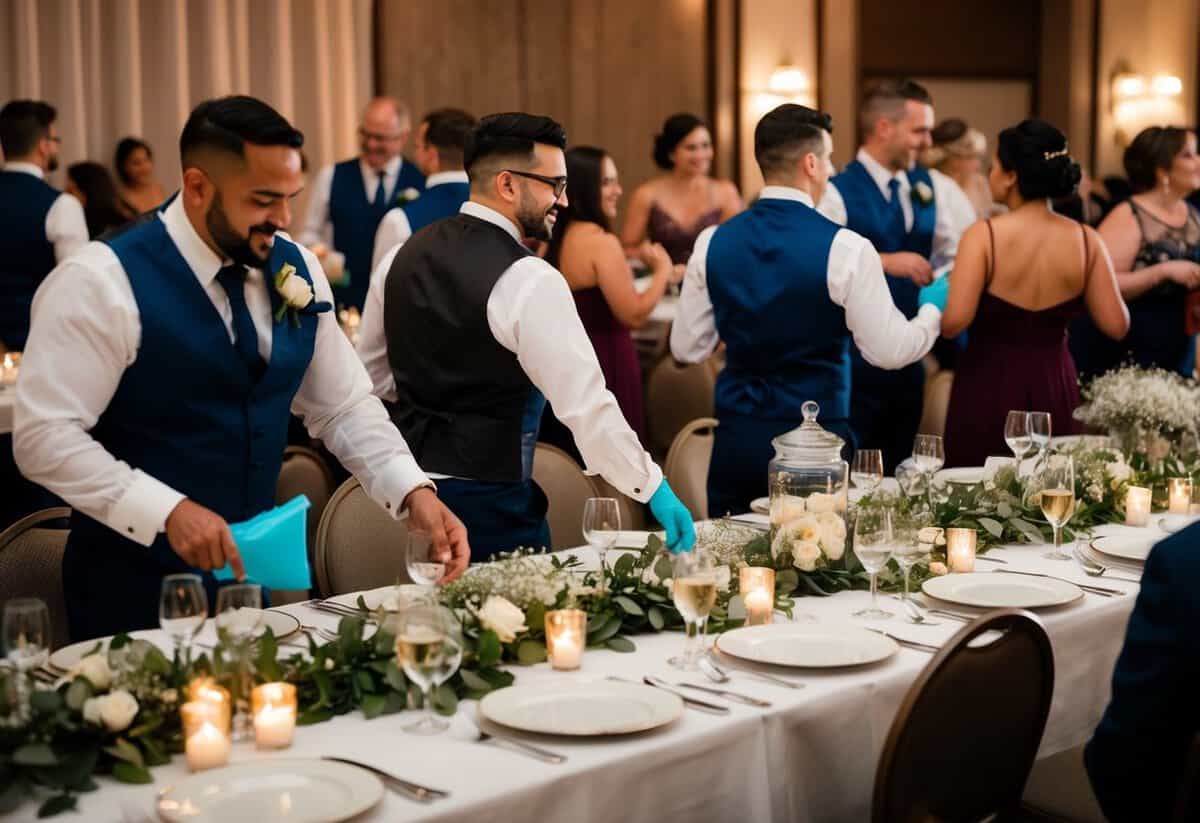
Tipping in the UK can seem a bit tricky, especially when it comes to special occasions like weddings. It’s important to know the cultural norms and the difference between service charges and voluntary tips.
Cultural Norms for Tipping
In the UK, tipping is not always mandatory but is a way to show appreciation for good service. In restaurants, for example, people typically leave a tip of 10-15% of the bill if service is not included.
For wedding staff, the norm can vary. You might consider tipping the caterers, photographers, or DJs if they provide exceptional service. Keep in mind that tips in these situations are often appreciated but not expected.
It’s also common to leave a thank-you note or gesture instead of cash for those who go above and beyond.
Service Charges vs. Voluntary Tips
Understanding the difference between service charges and tips is key. Many restaurants and wedding venues may add a service charge to your bill, which often ranges from 10-15%.
If a service charge is included, you don’t need to leave an additional tip unless you feel the service was especially good.
For wedding staff, ask the venue or wedding planner if a service charge is included in the bill. If not, consider tipping around 10% for excellent service. This can help avoid confusion and ensure you are compensating staff fairly for their hard work.
Tipping Etiquette for Wedding Staff

When planning your wedding, understanding who to tip and how much can help make the day smoother for everyone involved. Tipping shows appreciation for the hard work of your wedding staff.
Who to Tip at Your Wedding
You might want to consider tipping the following key staff members:
- Catering Staff: If you have a sit-down meal, tipping waitstaff is a kind gesture, especially for exceptional service.
- Photographers and Videographers: They often do not expect tips, but a thank-you note or small gift can show your appreciation.
- Delivery and Setup Crew: Tipping these staff members supports their hard work behind the scenes.
- Entertainment: If you hire a DJ or live band, they typically appreciate a tip, especially if you love their performance.
For cashless tipping, some venues may offer options to tip via cards or apps.
How Much to Tip Wedding Staff
The amount you tip can vary based on service quality and your budget. Here are some general guidelines:
- Catering Staff: Consider tipping between £10 and £20 per person if the service was exceptional.
- Photographers: While not required, £50 to £100 is a nice gesture for great work.
- Delivery and Setup Staff: Tips can range from £10 to £50 per person, depending on the task.
- Entertainment: Generally, £50 to £100 works well, especially if you enjoyed the performance.
Don’t forget, a heartfelt thank-you note can be meaningful and appreciated by anyone who provided you with excellent service on your special day.
Considerations for Tipping at Small Businesses

When planning your wedding, you might hire small businesses for various services. Understanding how to show appreciation can be important. It helps you support these businesses while also considering the owner’s position.
Supporting Small Business Owners
Small business owners often put in a lot of effort to make your day special. Their work usually involves personal touches that larger companies might not offer. When you hire local vendors, you help the community and support families.
Tipping can be a way to acknowledge this hard work. If your vendor goes above and beyond, a tip can show your gratitude. You might think of a specific amount, like 10-15% of the service fee. Yet, it’s always good to check how they feel about receiving tips.
Keep in mind that many small business owners may not expect tips. They value your appreciation through kind words and reviews just as much. A heartfelt thank-you note can mean a lot to them.
The Debate: To Tip the Owner or Not?
Deciding whether to tip the business owner can be tricky. Many believe that if the owner provides the service, a tip might not be necessary. Since they set their prices, tipping can feel different compared to tipping employees.
Still, there are cases where tipping the owner makes sense. If they provide exceptional service or go out of their way to meet your needs, consider tipping them as well. It shows appreciation for their dedication.
Many small business owners appreciate the gesture. Just make sure to read the situation. If they seem uncomfortable with tips, you can express your gratitude in other ways, like referrals or positive reviews. Supporting them through word-of-mouth can be incredibly valuable.
Gratuities in Hospitality Beyond Weddings
Tipping practices extend well beyond weddings and can vary across different sectors of the hospitality industry. Understanding how and when to tip in various settings can enhance your experiences and show appreciation for good service.
Tipping in the Broader Hospitality Industry
In the hospitality industry, tips often play a significant role in workers’ income. Many service staff, like waiters and bartenders, rely on tips to supplement their earnings since minimum wage may not cover their living expenses.
When dining out, a standard tip is usually around 10-15% of the bill, but feel free to adjust based on the quality of service you receive. Remember that in some places, larger groups may have a service charge added automatically, so check your bill first.
It’s also good to note that hotel staff, such as bellhops and concierges, appreciate tips for their help. A couple of pounds for carrying your bags or providing useful information can go a long way in making their day.
Salon and Personal Care Tipping
In the UK, people often tip at salons and personal care establishments, although it’s not always mandatory.
If your hairstylist gives you exceptional service, you should tip them 10-15% of the service cost.
For nail technicians and beauticians, tips can also reflect your satisfaction. Many clients choose to round up their bill or give a fixed amount, depending on the service quality.
You should consider that many employees in these settings earn minimum wage, and tips can be a vital part of their income. Offering a small gratuity not only shows gratitude but also supports local workers providing valuable services.