
Do You Wear an Engagement Ring First Then a Wedding Band? Exploring the Tradition and Meaning
Many people wonder about the correct order for wearing an engagement ring and a wedding band. The traditional way is to wear the wedding band first on your left ring finger, followed by the engagement ring on top. Couples have practiced this custom for generations, but personal preference and cultural traditions can influence the order as well.
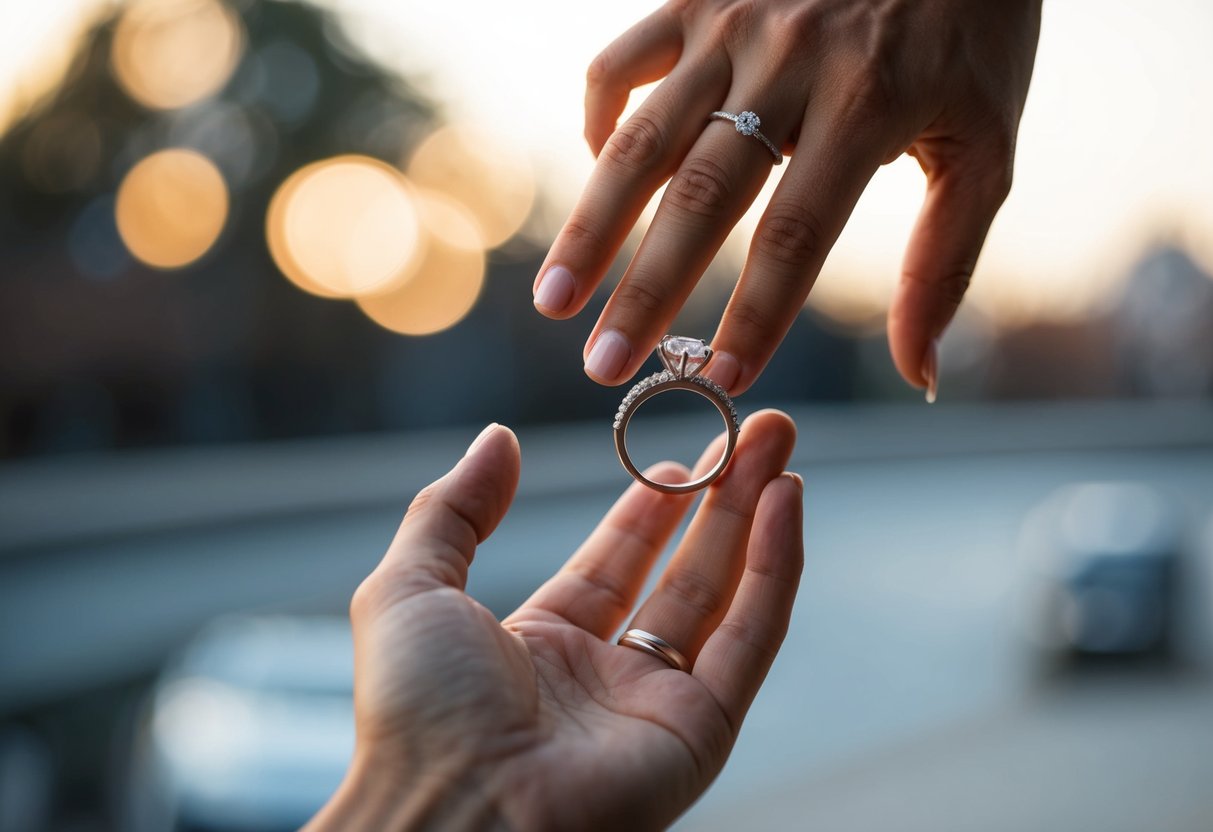
Some people choose to wear their rings in a different sequence based on what feels right for them. Whether you prefer the engagement ring on top for visibility or follow the traditional etiquette, the choice is ultimately yours. As you navigate this decision, remember that what matters most is how the rings make you feel and what symbolizes your love best.
Exploring the various ways to wear your rings can be a fun part of your engagement journey. Understanding the different customs and personal preferences can help you decide what works best for you and your relationship.
Understanding Engagement and Wedding Rings
Engagement and wedding rings carry deep meanings and traditions. They symbolize love, commitment, and the bond between partners. The way these rings are worn and understood has evolved over time, influenced by both historical beliefs and modern trends.
Historical Significance and Symbolism
Engagement rings date back to ancient times and are rich in symbolism. The tradition of giving a ring comes from the belief in the vena amoris, a vein thought to run directly from the ring finger to the heart. This connection made the ring a powerful symbol of love and commitment.
Wedding bands often follow the engagement ring, representing unity and the eternal nature of marriage. Historically, these rings were plain and made of metals like gold or silver. They signified the promise of fidelity and a lifelong partnership.
Modern Interpretations and Trends
Today, wearing an engagement ring first, followed by the wedding band, is common. Many couples personalize their rings according to their style and preferences. Some choose unique designs for their engagement rings, while others stick to traditional diamond settings.
You may find couples wearing their wedding bands on top of their engagement rings, symbolizing that marriage comes first. Trends also include stacking rings, where multiple bands, including eternity rings, are worn together. This showcases individual taste while still honoring the original symbolism of love and commitment.
How to Wear Your Rings
Wearing your engagement ring and wedding band can depend on tradition, personal style, and cultural practices. Understanding how these factors influence ring placement can help you choose the best way to showcase your rings.
Traditional Order of Rings
In many Western cultures, the engagement ring is worn first, followed by the wedding band. The common practice is to wear both rings on your left ring finger. Before the ceremony, some brides may move their engagement ring to their right hand. During the ceremony, the wedding band is placed on the left hand, then the engagement ring is returned on top of the wedding band. This order symbolizes the wedding band’s permanence, while the engagement ring symbolizes the promise of marriage.
Engagement Ring and Wedding Band Placement
When wearing both your engagement ring and wedding band, stack them thoughtfully. Typically, the wedding band goes on the bottom, closest to your heart, and the engagement ring sits on top. This arrangement highlights the engagement ring while also securing it. If you have a third ring, such as an eternity ring, you can place it on top. For those who prefer a simpler look, wearing just the wedding band or the engagement ring alone is also perfectly acceptable.
Variations Based on Personal Style and Culture
You can adapt your ring placement based on personal style or cultural traditions. In some Eastern European countries, couples wear wedding bands on the right hand instead of the left hand. Feel free to explore wearing your rings in a way that feels right for you. Mixing and matching different styles or stacking rings can reflect your individual personality. Ultimately, your choice should be about what makes you feel comfortable and happy while honoring any traditions you might want to keep.
Choosing Your Perfect Wedding Set
Selecting a wedding set is an exciting step in your journey. You have many options, from matching styles to individual designs. Here’s what to think about when choosing your wedding rings.
Matching Sets Versus Individual Style
When you choose a wedding set, you can go for a matching style or mix and match. Matching sets typically consist of an engagement ring and a wedding band designed to fit together. This can create a seamless look on your finger.
If you prefer a more individual style, opt for rings that show your personal preferences. For example, you might have a unique engagement ring and a simple band. Mixing styles adds character and showcases your taste.
Consider the metal type, like white gold or rose gold, to ensure they complement each other. You can also think about adding diamond eternity bands or anniversary rings later. This way, your rings can evolve with your milestones.
Considering Additional Bands
You might want to add more than just your engagement ring and wedding band. Some people enjoy wearing a diamond eternity band alongside their wedding ring for extra sparkle. These bands symbolize everlasting love and can be a beautiful addition.
Another option is an anniversary ring, often given during special milestones. These rings can enhance your set and give a fresh look. Make sure these additional bands fit comfortably with your existing rings.
Your choice should align with what feels right for you. Remember to consider how each ring looks together and how they reflect your journey. Trust your instincts when choosing a wedding set that feels perfect for you.