
Do You Wear Wedding Veil at Reception? Tips for Making the Right Choice!
Choosing to wear a wedding veil at your reception is a personal decision that can enhance your bridal look. If you don’t want to wear your veil during the reception, you don’t have to. Many brides opt to remove their veils after the ceremony or for pictures, while others love the romantic touch it adds throughout the evening.
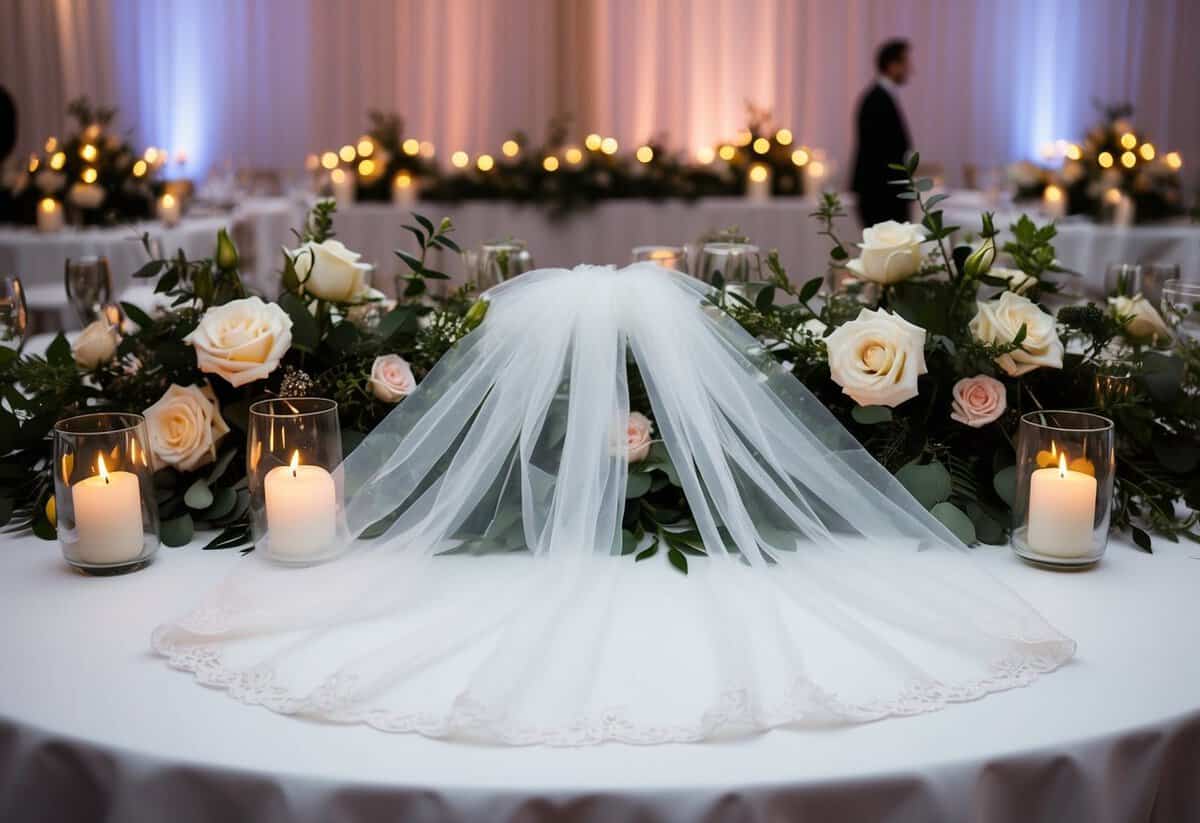
If you decide to keep your veil on, consider how it will affect your movements during the reception. Some brides find longer veils can get in the way while dancing or mingling with guests. You’ll want to enjoy every moment without worrying about your style becoming a hassle.
Ultimately, whether you wear your veil at the reception depends on your comfort and style. Embrace your choice and wear what makes you feel beautiful on your special day.
The Role of the Wedding Veil in Bridal Attire
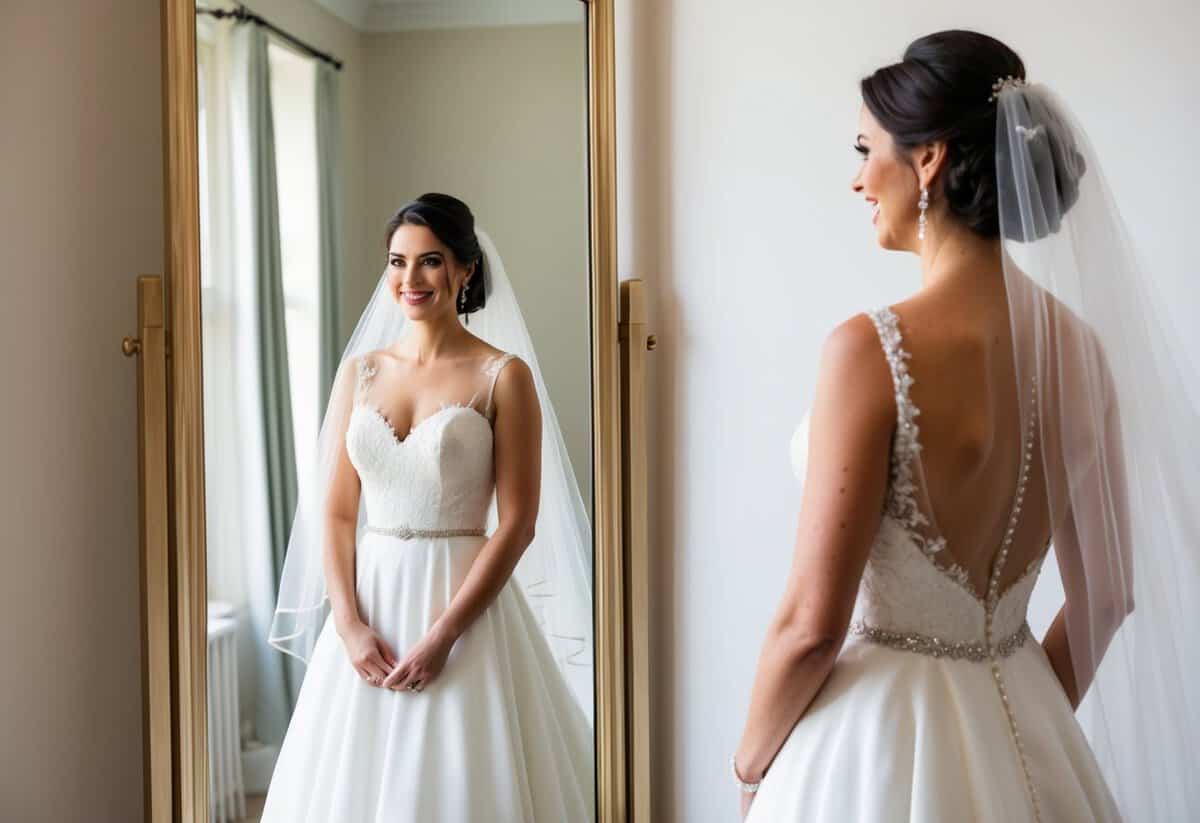
A wedding veil is more than just an accessory; it completes your bridal look while carrying rich traditions. Understanding its historical significance, choosing the right style, and knowing the various lengths can help you make informed decisions for your big day.
Historical Significance and Traditions of the Veil
The wedding veil has deep roots in many cultures. Traditionally, it symbolizes modesty and purity. Many brides wear it to honor customs, especially in religious ceremonies. For example, in the Jewish tradition, the veil is part of the Bedeken ceremony, where the groom covers the bride’s face, highlighting their commitment.
In modern times, wearing a veil can also reflect your personal style. Some brides choose veils to connect with their family heritage or to create a nostalgic look, like the romantic style popularized by Queen Victoria. Knowing the meaning behind your veil can add special sentiment to your wedding.
Choosing the Right Veil for Your Wedding Dress
When picking a veil, consider how it complements your wedding dress. The style of your gown is crucial. If your dress is intricate or has a unique back, you might want a simpler veil that won’t overshadow it.
Two-piece veils can be an excellent choice if you want versatility. The first layer, often a blusher, can cover your face during the ceremony. You can then pin it back for the reception, showing off your hairstyle. Matching the texture and color of your veil with your wedding dress creates a cohesive look.
Veil Styles and Lengths Explained
There are several veil styles and lengths to choose from, allowing you to express your personal taste.
-
Cathedral Veil: Dramatic and long, this veil often trails behind you, perfect for formal weddings.
-
Blusher: This shorter veil covers your face and adds a romantic touch during the ceremony.
-
Birdcage Veil: A fun, vintage option that frames your face and is great for modern or casual weddings.
-
Two-Piece Veil: Combines multiple styles for flexibility throughout the day.
By understanding these styles, you can select the veil that best enhances your bridal look while also fitting the theme of your wedding.
Veils and Wedding Ceremonies Versus Receptions
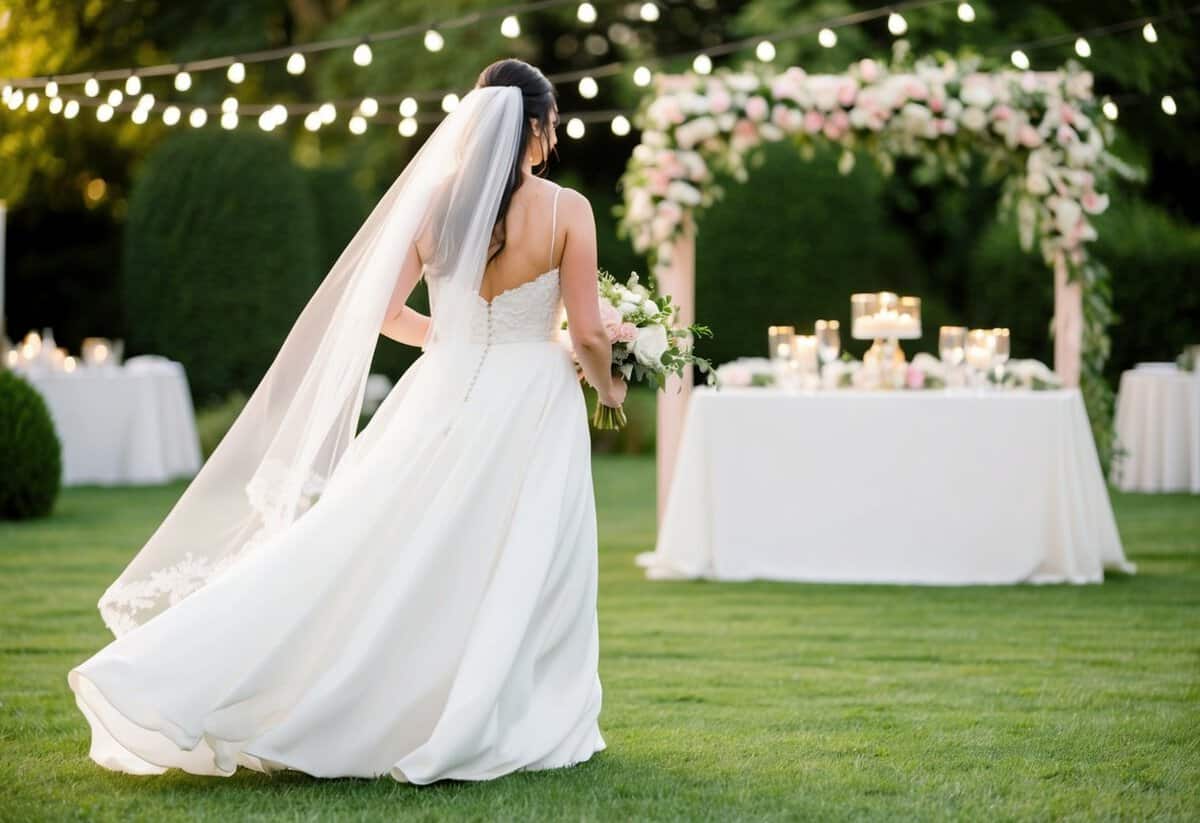
Deciding whether to wear your veil during the wedding reception can be a challenge. There are many factors to consider, from etiquette to practicality. Here’s what you need to know.
To Wear or Not to Wear: Veil Etiquette During the Reception
When it comes to wearing a veil at your reception, the choice is personal. Many brides opt to keep their veils for the ceremony but remove them afterward. Still, a high percentage of brides choose to wear their veils throughout the reception, adding a touch of elegance.
If you decide to keep it on, consider how well it suits your reception activities, like dancing. It’s essential to ensure that your veil doesn’t interfere with your movements or the first dance. If you prefer comfort and ease, you could remove your veil and switch to a simpler bridal accessory.
Transitioning Your Bridal Look from Ceremony to Reception
Transitioning your look from the ceremony to the reception can be exciting. You might want to change your hairstyle or modify your veil. For example, if you have a long veil, consider pinning it up after the ceremony. This not only makes it easier to dance but also gives you a fresh appearance.
Some brides choose to switch to non-traditional options, such as floral alternatives to wedding veils. Flowers in your hair can provide a beautiful, playful touch that still feels bridal without the fuss of a traditional veil.
Managing the Veil During Key Reception Moments
Think about key moments during your reception when wearing a veil might pose a challenge. For instance, during the first dance, a long veil may get in the way. If you plan to keep wearing it, practice dancing with it to see how it feels.
During toasts or when mingling with guests, you may want to tuck your veil behind your shoulders. This allows you to look your best while being comfortable. You can also ask your bridal party for help if you need a hand adjusting it throughout the night.
Modern Alternatives to Traditional Veil Wearing
Modern brides have many options beyond traditional veils. If you want to add charm to your look without wearing a traditional veil, consider options like flower crowns, tiaras, or decorative hairpins. These alternatives can enhance your bridal style and can be easier to manage.
More brides are choosing to wear a mix of accessories for a unique look. With so many choices available, you can create a bridal aesthetic that reflects your personality and is comfortable throughout the event.
Accessorizing Your Wedding Veil
Accessorizing your wedding veil can elevate your overall bridal look. Whether you want to add a touch of shimmer with a tiara or honor family traditions with a special veil, these details help express your personal style.
Complementing Your Veil with Tiaras and Other Hairpieces
Tiaras are a classic choice for adding sparkle to your bridal look. When selecting a tiara, consider the style of your veil. A simple veil pairs well with an ornate tiara. Conversely, if your veil is detailed, opt for a more minimalist headpiece.
Hairpieces like floral combs or jeweled clips can also enhance your veil. They allow you to incorporate personal touches, such as favorite flowers or colors. Experiment with different placements to find the perfect balance that complements your veil and enhances your overall style.
The Family Veil: Incorporating Sentimental Pieces
Incorporating a family veil into your wedding attire can be a beautiful nod to tradition. This kind of veil carries sentimental value and connects you with loved ones. If you plan to wear a family veil, you can personalize it by adding a modern touch that reflects your unique style.
You might also consider altering the family veil for your wedding. This can include changing its length or adding embellishments to make it truly yours. By blending old with new, you create a heartfelt accessory that honors your family while showcasing your individuality.
Tips from Wedding Stylists on Perfecting Your Veiled Look
Consulting a wedding stylist can help you perfect your veiled look. They can provide valuable insights into choosing accessories that enhance your veil without overwhelming your outfit.
Make sure your accessories complement your dress, veil, and overall theme. Try to coordinate colors, textures, and styles.
A wedding stylist can also help you find the right balance when layering accessories. Remember, the goal is to look harmonious and chic while staying true to your personal style.
Don’t hesitate to ask for advice on finding pieces that elevate your bridal look while feeling comfortable and confident.