
Do You Wear Your Wedding Band While Engaged? Understanding the Tradition and Choices
Wearing a wedding band while engaged can spark a lot of questions about tradition and personal choice. Many people wonder if it’s acceptable to wear a wedding band before the actual wedding day. Generally, it’s considered more appropriate to wait until the wedding ceremony to wear your wedding band. This allows the engagement ring to be the symbol of your promise and commitment during this special time.
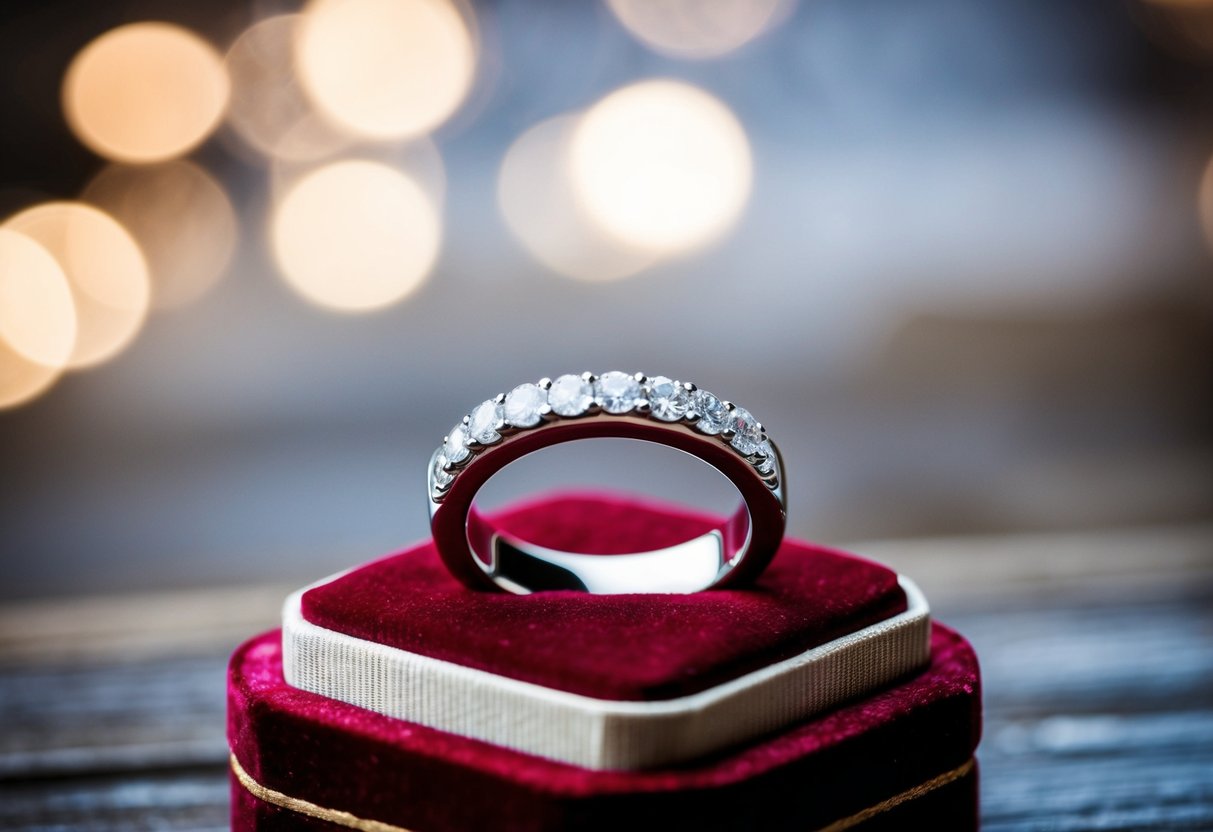
As you navigate your engagement, remember that the symbols of love and commitment can take many forms. Some choose to wear both rings, while others prefer to wait. It’s important to think about what feels right for you and your relationship. Think of your engagement as a unique journey that reflects your love story.
Take a moment to consider what a wedding band means to you. It represents a deep commitment, and wearing it during your engagement can hold personal significance. Whatever you decide, the most important thing is that your choices reflect your feelings and the bond you share with your partner.
Understanding Engagement and Wedding Bands
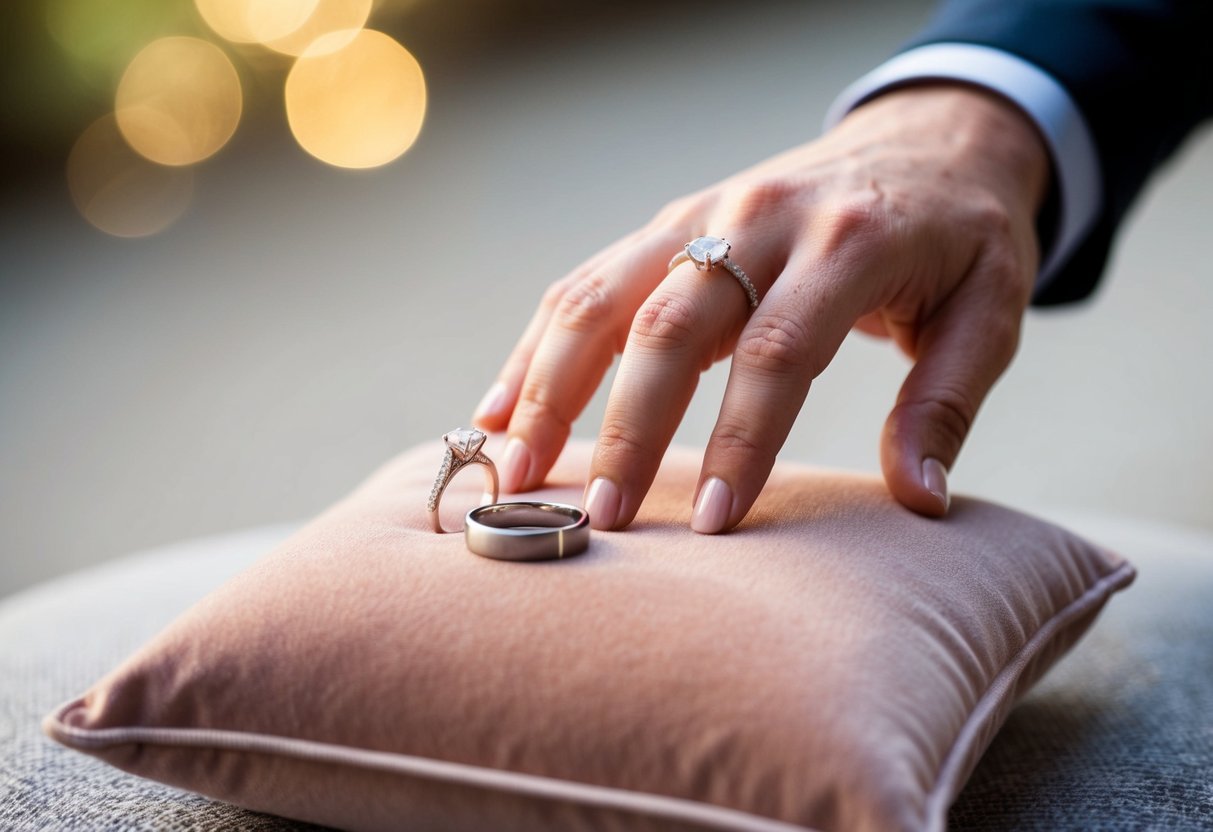
Engagement rings and wedding bands hold special meanings in your journey toward marriage. These rings represent love, commitment, and the traditions that accompany such milestones in life.
Symbols of Love and Commitment
The engagement ring is often the first ring you receive. It symbolizes a promise of marriage. Typically, it features a prominent diamond or gemstone intended to catch the eye. This ring shows your loved one’s commitment to you and your future together.
On the other hand, the wedding band is exchanged during the ceremony, signifying the formal union between partners. This ring can be simpler in design, often made of precious metals like gold or platinum.
Together, these rings represent two significant stages in your relationship: the proposal and the act of marrying.
A Glance at Tradition and Custom
Tradition plays a huge role in how you wear your rings. Many people wear the engagement ring on the left ring finger. After the wedding, the wedding band is placed below it, closer to the heart.
Different cultures have various customs. For example, some couples wear the wedding band on the right hand instead.
This mix of personal style and tradition allows you to express your love story in a way that feels right for you. Whether you choose to wear both rings daily or save one for special occasions, the choice reflects your unique bond and commitment.
Engagement Period Considerations
During the engagement period, you might wonder about the customs surrounding rings and bands. Understanding engagement ring etiquette and the choice to wear wedding bands can help you make decisions that feel right for you.
Engagement Ring Etiquette
When you receive your engagement ring, it signifies a promise and commitment. Traditionally, you wear the engagement ring on the fourth finger of your left hand. This finger is often called the “ring finger,” as it is believed to have a direct vein to the heart.
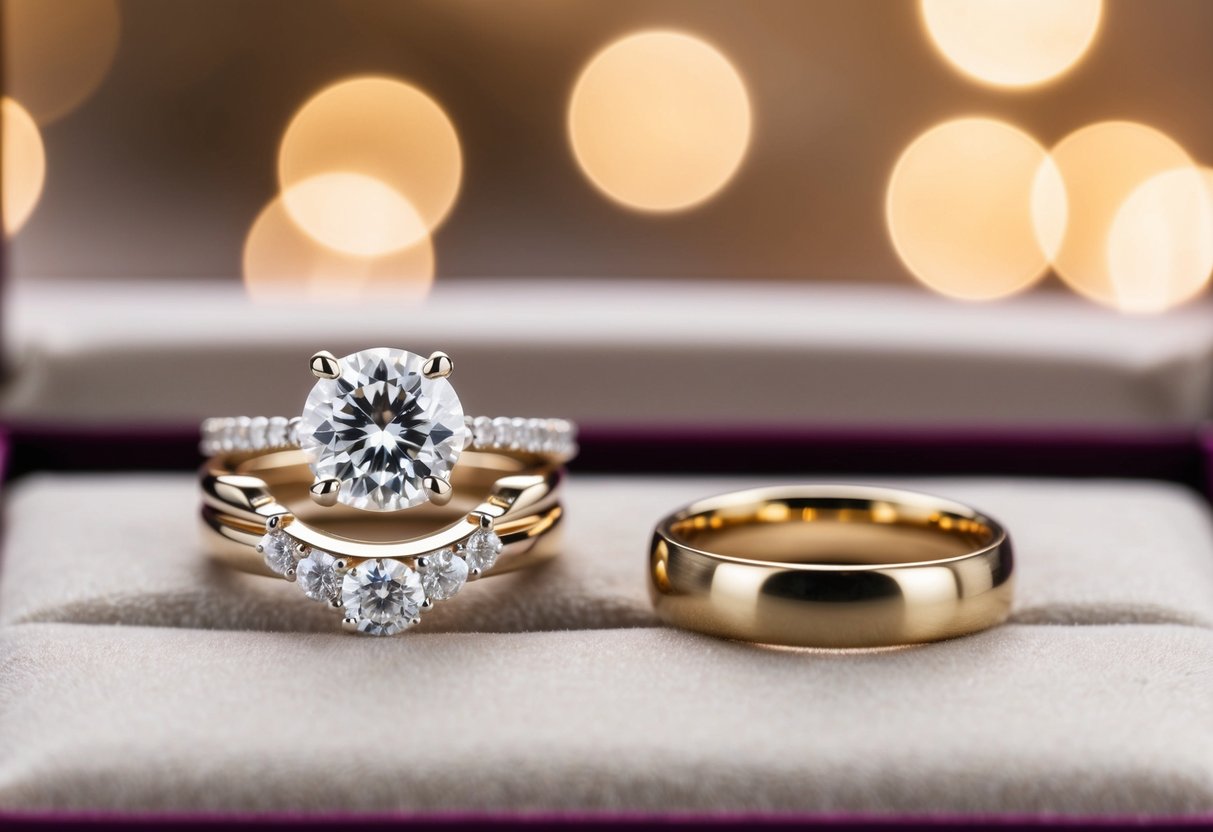
If you already have a wedding band, it’s common to wear the wedding band closest to your heart, under the engagement ring. For some, the look of stacking can feel special and represent both love and commitment.
Remember, the rules around wearing an engagement ring can vary by culture and personal preference. Focus on what feels best for you and your partner.
The Decision to Wear Wedding Bands Early
Choosing to wear wedding bands during the engagement period is a personal decision. Some couples opt for this to symbolize their upcoming marriage. Others may prefer to wait until the wedding day.
If you choose to wear your wedding band early, make sure to consider the message it sends. Are you signaling your commitment even before the ceremony, or is it simply a fashion choice? Regardless, make sure it aligns with your values and feels comfortable for you and your partner.
In the end, remember that the engagement period is a time for you to define your own traditions based on what feels significant in your relationship. Whether you wear one or both rings, the most important thing is that it reflects your love and commitment.
Cultural and Modern Perspectives
Cultural traditions and modern views shape how people think about wearing wedding bands during engagement. This section explores practices in Western cultures and shifts in gender norms.
Western Cultures and Ring Customs
In Western cultures, wearing a wedding band often symbolizes commitment. Traditionally, people wear their wedding bands on the fourth finger of the left hand. This custom dates back to the belief that a vein in this finger leads directly to the heart.
Many couples choose to wear both engagement and wedding rings together after the ceremony. Some opt to wear their engagement ring on their right hand for a time. This practice allows them to enjoy it while honoring the significance of the wedding band.
Moreover, there are differences based on individual preferences. Some might focus more on personal styles and less on tradition. Same-sex couples often adapt these customs, creating unique expressions of love that reflect their identities.
Contemporary Views on Gender Norms and Equality
Modern perspectives on marriage and engagement are evolving. Today’s couples often challenge traditional gender norms. Many women and men share equal roles in choosing and wearing rings.
Millennial couples especially value equality in relationships. This mindset can influence how they view wearing wedding bands. For example, it’s common for men to wear rings now, which was less typical in the past.
Further, some couples opt for matching wedding bands to symbolize partnership and unity. Cultural traditions are continually reshaped by personal beliefs and shared values. This allows couples to customize their experiences, ensuring that their choices reflect who they are together.
Preparing for the Wedding Day
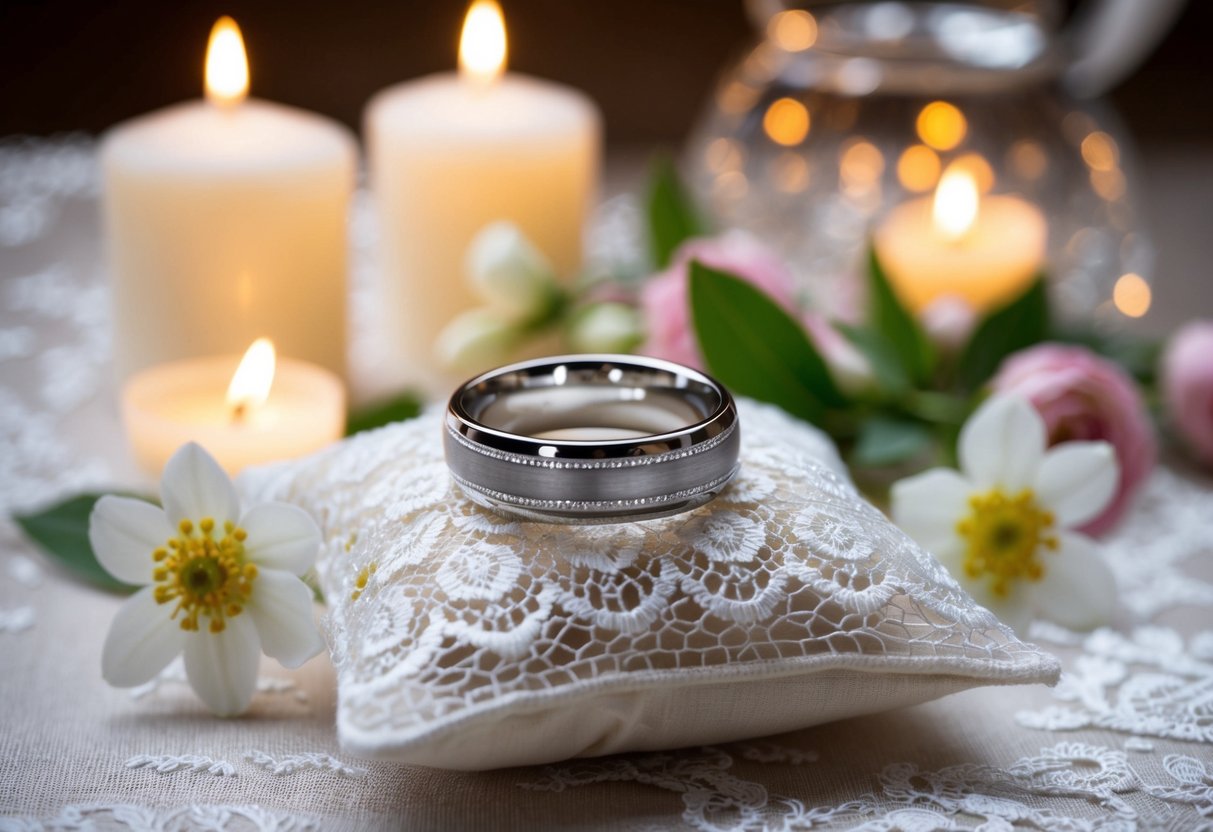
As your wedding day approaches, it’s essential to get everything just right, especially when it comes to your rings. This is a special time to finalize your choices and ensure your jewelry is in perfect condition as you prepare for your big day.
Finalizing Ring Choices
Choosing the right rings is a personal and meaningful decision. Take your time to make sure your engagement and wedding bands complement each other. You can choose matching styles or mix them up for a unique look.
Consider visiting jewelers to try on a few options. It helps you see how the rings fit together. Remember, these rings are symbols of your commitment, so pick designs that resonate with you.
Don’t forget about the ring finger! Make sure both rings are comfortable to wear. This can make a big difference on the wedding day.
Caring for Your Engagement and Wedding Rings
Caring for your rings is important to keep them looking beautiful. Make sure you have a jeweler clean and inspect your rings before the wedding day. They’ll check for any loose stones and can perform a professional cleaning.
Consider getting jewelry insurance for extra peace of mind. This protects your rings in case of loss or damage. Be sure to document the details, like appraisal values and serial numbers.
While planning, decide how you want to wear your rings during the ceremony. Many choose to wear the engagement ring on the right hand while the wedding band goes on the left. This can depend on personal choice, so pick what feels right for you.