
Do You Wear Your Wedding Band While Engaged? Balancing Tradition and Personal Choice
Wearing a wedding band while you are engaged is a personal choice that can vary based on your views about relationships and commitment. Some people prefer to wait until the wedding day to exchange their wedding bands, allowing the engagement ring to shine on its own. Many consider it more appropriate to wear the wedding band only after the ceremony.
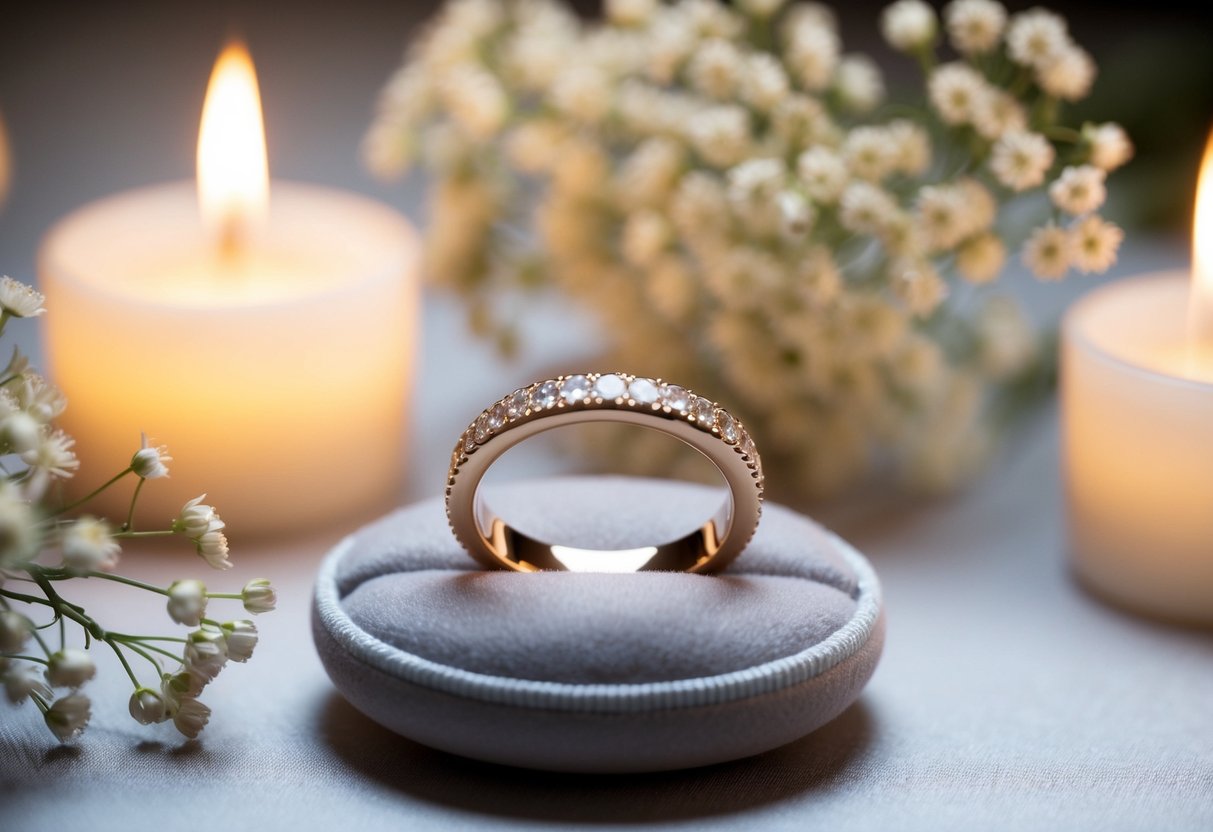
If you decide to wear a wedding band during your engagement, it can symbolize your commitment and love for your partner. It may also be a way to mark your relationship and make a statement about your future together. No matter what you choose, it is important that it feels right for you and your relationship.
As you navigate this decision, think about what each ring means to you. Whether you choose to wear both or just the engagement ring during this special time, what matters most is the love you share and the journey you are on together.
The Tradition of Engagement and Wedding Bands
Wearing engagement and wedding rings is a custom that carries deep meaning. These rings symbolize commitment and love and have roots in various cultural traditions. Understanding their significance can help you appreciate their role in your own love story.
Historical Significance of Rings
Engagement and wedding rings have a long history. Dating back to ancient Egypt, rings were often made of simple materials like reeds or leather. They symbolized a promise of marriage and a bond between partners.
In Western cultures, the tradition evolved. The engagement ring became a popular practice in the 15th century when Archduke Maximilian of Austria gave a diamond ring to Mary of Burgundy. This act set a trend for the use of diamonds in engagement rings, symbolizing durability and strength.
Today, engagement rings are often seen as a promise for marriage. They are worn before the wedding ceremony, while wedding bands are exchanged during the ceremony as a more formal symbol of commitment.
Contemporary Engagement Customs
In modern times, engagement rings and wedding bands are common in many cultures. The engagement ring is typically worn on the left hand, symbolizing a commitment to marry.
Couples often choose rings that reflect their personal styles. Some may opt for traditional diamond rings, while others might prefer alternative stones for their engagement rings.
Wedding bands are usually exchanged during the wedding ceremony. They serve as a lasting reminder of your vows. In some cultures, both partners wear matching wedding bands, while in others, only one partner wears their band.
Traditions may vary, but the essence remains the same: rings symbolize love and commitment. Whether with a traditional promise ring or modern designs, the meaning behind them is what matters most.
Understanding Ring Symbolism and Etiquette
Rings often hold deep meaning, especially when it comes to engagements and weddings. Knowing the differences between an engagement ring and a wedding band can help you navigate wearing them during your engagement period. Additionally, understanding ring finger traditions and being mindful of gender norms is important in today’s diverse world.
Engagement Ring vs. Wedding Band
An engagement ring typically symbolizes the commitment and love shared between partners. It is usually given during the proposal and often features a prominent gemstone, most commonly a diamond.
On the wedding day, the wedding band is exchanged, signifying a deeper commitment and partnership. Wedding bands are usually simpler and can be worn alone or stacked with the engagement ring.
Many people choose to wear both rings together on the left hand after the wedding ceremony. However, some prefer to wear them in a different arrangement for personal comfort or style.
Decoding the Ring Finger
Traditionally, in many cultures, the ring finger is reserved for both engagement and wedding rings. This finger is located between the pinky and middle fingers on the left hand.
The choice of finger can also carry symbolic meaning. In history, this finger was thought to have a vein directly connected to the heart, making it a fitting choice for symbols of love and unity.
Some engaged individuals may choose to wear their wedding band on the right hand, which is perfectly acceptable. This is a personal choice and can reflect individual comfort or style preferences.
Guidelines for Wearing Wedding Bands During Engagement
When it comes to wearing a wedding band during your engagement, some people choose to wear their wedding band alongside the engagement ring, while others might prefer to keep them separate until the ceremony.
If you do wear both, the wedding band is often placed closest to the heart, meaning it sits below the engagement ring on the left hand.
If you prefer to wear your wedding band on the right hand, that is also a valid choice. Ultimately, it’s about what feels most comfortable and meaningful to you.
Same-Sex Couples and Gender Norms
For same-sex couples, traditional norms around engagement and wedding rings can be flexible. Many choose to create their own traditions that reflect their relationship and values.
Both partners may wear engagement rings, and the style can vary widely. This approach promotes equality and allows for personal expression in the symbols of commitment.
Personalization and Custom Choices
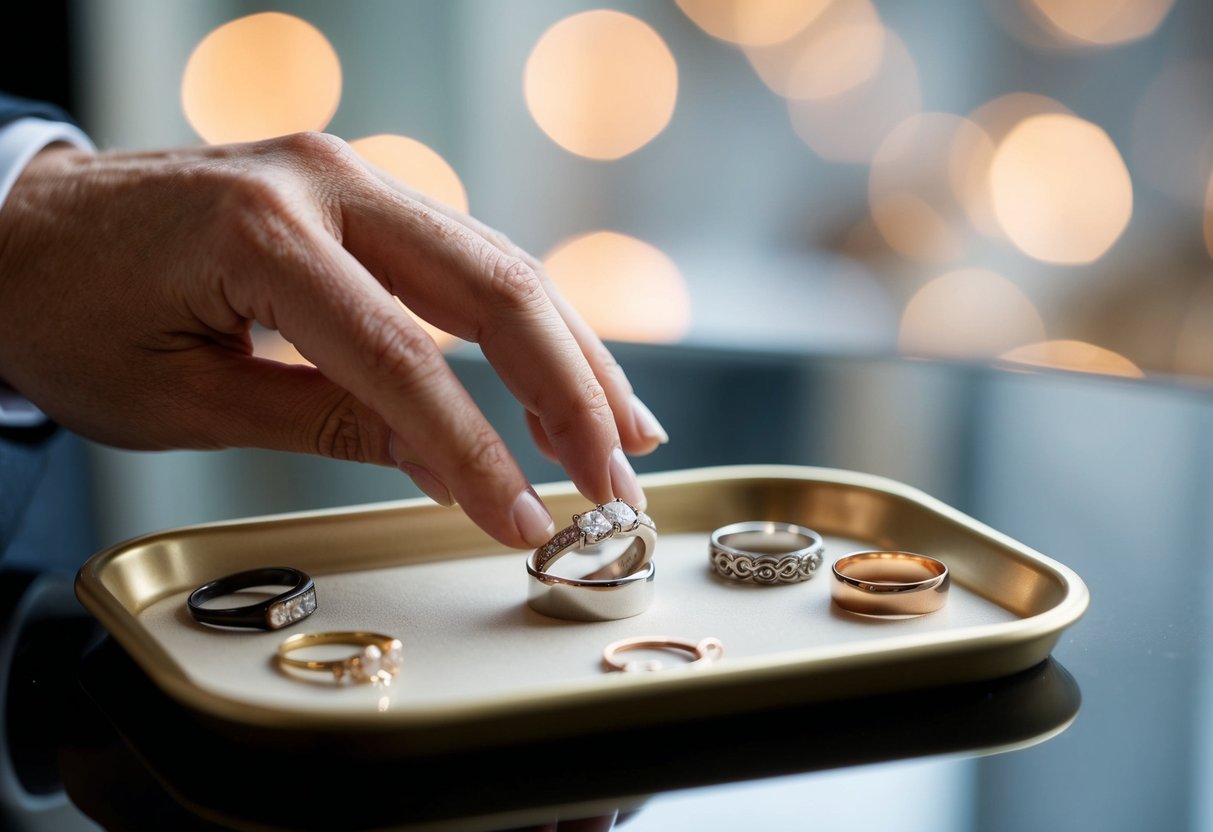
When selecting your wedding band, it’s important to think about the materials, design, and how these choices reflect your personal style. Whether you’re a bride or groom, your preferences will shape how your rings look and feel.
Selecting the Right Material and Design
Choosing the right material for your wedding band is a big decision. You might prefer classic options like gold or platinum, or opt for something unique like titanium or tungsten. Consider your lifestyle when selecting the material. For instance, if you work with your hands, a more durable material may suit you better.
Design also plays a key role. Some couples choose simple bands, while others may prefer rings adorned with diamonds or gemstones. Think about what reflects your personality. Do you love intricate patterns, or do you favor a sleek, modern look? Remember, this ring will symbolize your commitment, so make sure it feels right for you.
Personal Preference in Wearing Rings
Deciding whether to wear your wedding band during the engagement period is a personal choice. Some people prefer to wait until the ceremony to wear their wedding bands, while others feel comfortable wearing them sooner.
For brides and grooms alike, this choice can vary based on tradition and personal comfort. If you choose to wear your band, consider how it complements your engagement ring. You may want the wedding band to sit above or below it, depending on your taste and style.
Impact of Lifestyle and Work
Your lifestyle and work can greatly influence your decision to wear wedding bands. If you have an active job or hobbies that involve heavy lifting, wearing a ring may be impractical. Some people find that removing their rings during certain activities helps protect both the ring and their hands.
Additionally, you might consider wearing a more casual or alternative ring during the engagement period. A silicone band or a more durable option can be a great choice if you’re worried about damage. This way, you can enjoy your engagement without having to compromise your style or the ring’s integrity.
Practical Considerations
When deciding whether to wear your wedding band while engaged, there are several practical aspects to think about. These include ring sizing, comfort, wedding planning, budgeting, and the protection of your jewelry.
Ring Sizing and Comfort
Getting the correct ring size is essential. You want your rings to fit comfortably, especially if you plan to wear them every day. When wearing both an engagement ring and a wedding band, remember that stacking them can change how they feel.
To ensure a perfect fit, have your rings sized by a professional jeweler. This is especially important if you gain or lose weight. Engaged or not, a comfortable fit lets you enjoy your jewelry without constant adjustments.
Wedding Planning and Budgeting
Wearing your wedding band while engaged may influence your wedding plans. If you decide to wear both rings, factor in how their styles will match and what that means for your overall budget. A well-planned budget can help you avoid surprises.
Consider the price difference between simple bands and more elaborate designs when making your choices. Remember, it’s about what you love. Choose rings that suit your personal style and relationship status, regardless of traditional norms.
Insurance and Protection of Jewelry
Many people overlook jewelry insurance, but it’s a vital part of protecting your investment. Once you start wearing your wedding band, consider insuring both your engagement and wedding rings. Insurance helps you recover the value if your rings are lost, stolen, or damaged.
Some policies may even cover repairs or the cost of resizing. Check with your insurance provider for details. Protecting your rings ensures that you can enjoy them for years, serving as a symbol of your fidelity and love.