
Do You Write Mr. and Mrs. on a Wedding Card? A Friendly Guide
Many people wonder if they should write “Mr. and Mrs.” on a wedding card. The answer can vary depending on the couple’s preferences and the context.
For a traditional approach, you can use “Mr. and Mrs.” followed by the husband’s full name if the couple has the same last name. This is a safe choice that aligns with longstanding wedding card etiquette.
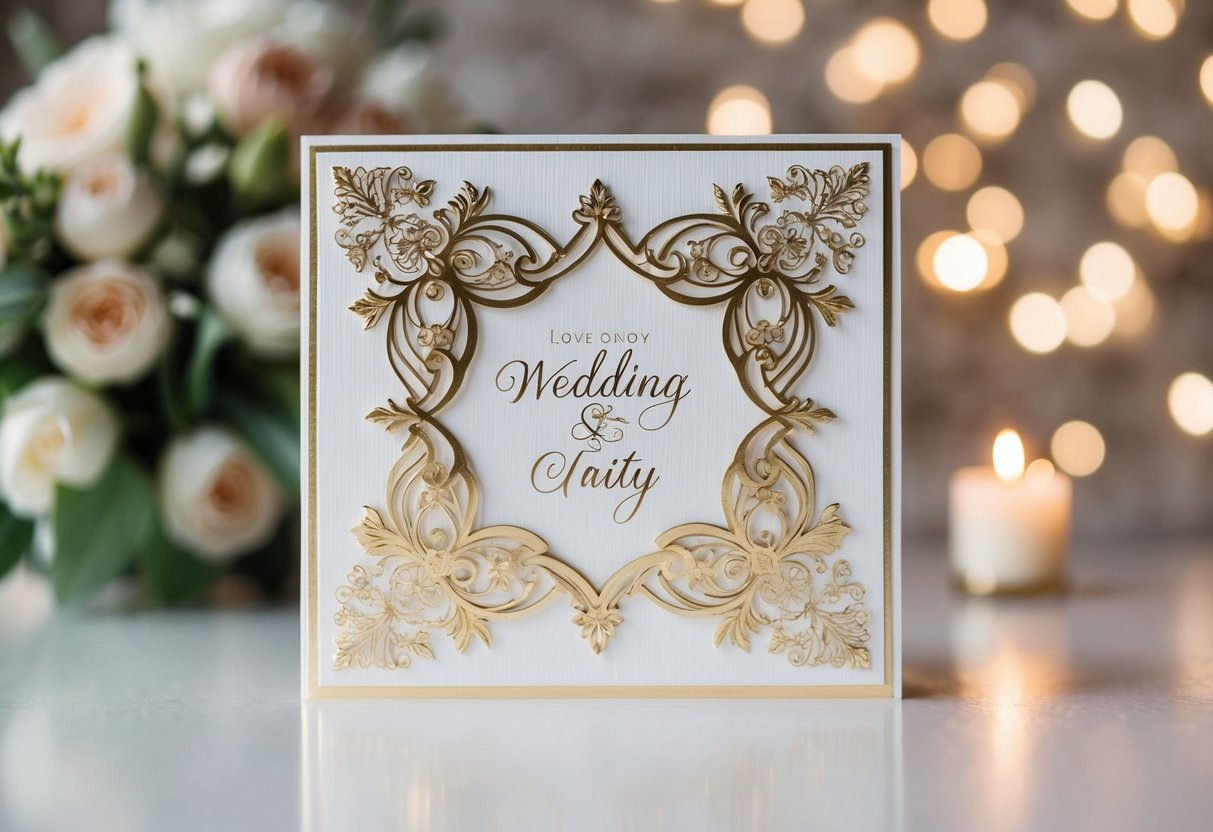
If you’re writing to a same-sex couple, you have more flexibility. You may choose either person’s name first, as both should be recognized equally. Being aware of these nuances will help you feel confident when sending your wedding wishes.
Understanding proper prefixes and overall etiquette can make a big difference when celebrating love. By addressing the couple respectfully, you show that you care about their union and happiness.
Addressing Wedding Invitations

When addressing wedding invitations, how you address them sets the tone for your big day. There are formal and informal ways to approach this, and understanding both can help you make the right choice.
Outer Envelope Etiquette
The outer envelope is where you provide the formal address. This should include the full names and titles of the guests.
For married couples, use “Mr. and Mrs.” followed by the husband’s full name, such as Mr. and Mrs. John Smith. For same-sex couples, you can write Mr. Alex Johnson and Mr. Jamie Parker.
If you want a more modern approach, consider using both first names. For example, write Alex Johnson and Jamie Parker. Make sure the address includes their complete home address, including the city, state, and zip code.
Using correct titles is important for ensuring your guests feel respected. Double-check spellings to avoid any embarrassing mistakes.
Inner Envelope Nuances
The inner envelope follows a more informal approach. This is where you can get creative and personal.
You can simply use first names, such as Alex and Jamie. It’s a nice touch that feels warm and inviting.
With the inner envelope, you can also indicate who is invited. For example, if kids are invited, you could write Alex, Jamie, and the kids. This makes it clear who is included without any confusion.
Remember, the inner envelope is not usually sealed shut, so it can set the stage for a friendly, relaxed atmosphere.
Wedding Card Salutations

When you write a wedding card, choosing the right salutation sets the tone for your message. You may need to consider formal titles, modern preferences, and how to address different types of couples. Each option reflects your respect for the couple’s relationship and identity.
Formal Titles and Proper Prefixes
Using formal titles shows respect for the couple. For example, if the couple is married, you can write “Mr. and Mrs.” followed by the husband’s full name, like “Mr. John Smith.” This traditional approach is common for heterosexual couples.
If addressing a married woman who kept her maiden name, you could write “Mr. John Smith and Ms. Jane Doe.” This acknowledges her name choice.
For couples with distinguished titles, use the appropriate prefix. For instance, refer to a doctor as “Dr. John Smith.” When in doubt, using “Mr.” and “Mrs.” is a safe choice for many.
Modern Titles and Inclusive Language
Today, language is evolving to be more inclusive. You might choose “Mx.” as a gender-neutral option. This title works well for individuals who prefer not to choose a gendered prefix.
When addressing same-sex couples, use both names together, like “Mr. Alex Johnson and Mr. Brian Lee.” It’s respectful to include both partners’ names equally.
Consider personal preferences. If you know how the couple identifies, you can use those names or titles, making your card feel more thoughtful. Always ask if unsure.
Addressing Married and Unmarried Couples
When writing to married couples, it’s customary to use “Mr. and Mrs.” or “Mr. and Mr./Ms. and Ms.” This approach highlights their joined lives.
For unmarried couples, you can simply write their names, like “Jennifer Smith and Brian Lee.” If they’re living together or in a relationship, this feels just as warm.
For single persons, use “Ms.” for women or “Mr.” for men. If unsure about a person’s marital status, “Ms.” is a safe option. This shows care without assuming anything.
Writing Wedding Wishes
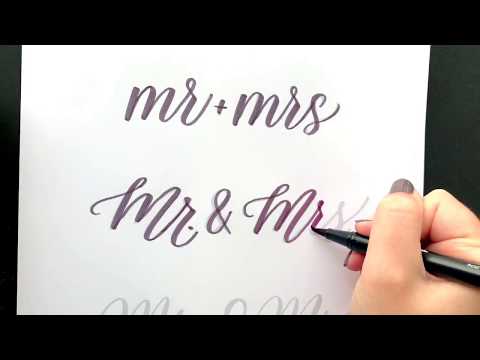
When writing wedding wishes, it’s important to create messages that feel personal and heartfelt. Choosing the right words can make all the difference. Here are some tips to help you express your best wishes to the happy couple.
Crafting Meaningful Messages
Start your message with warm congratulations. You can say something like, “Congratulations on your big day!” This sets a positive tone right from the start.
Next, include a personal touch. Mention a special memory or quality you admire about the couple. For example, “Your love for each other shines brightly.”
Feel free to share your hopes for their future. You might write, “Wishing you a lifetime filled with love and laughter.”
To wrap it up, sign off with a friendly closing, like “Best wishes” or “With love.” This way, your message feels complete and sincere.
Etiquette for Congratulatory Notes
When addressing your wedding card, always include both names. If you know the bride and groom well, make sure your wishes reflect their partnership.
Use a simple greeting like “Dear [Couple’s Names].” If you’re unsure, “To the Happy Couple” works well too.
Avoid overly long or formal messages. Keep it short and sweet, focusing on well-wishes.
Use phrases like “Congratulations!” or “Best wishes to you both!” to convey your joy for their marriage.
Lastly, if you have a closer relationship, feel free to include a fun memory. This adds warmth to your note and shares your unique bond with them.
Additional Wedding Invitation Elements
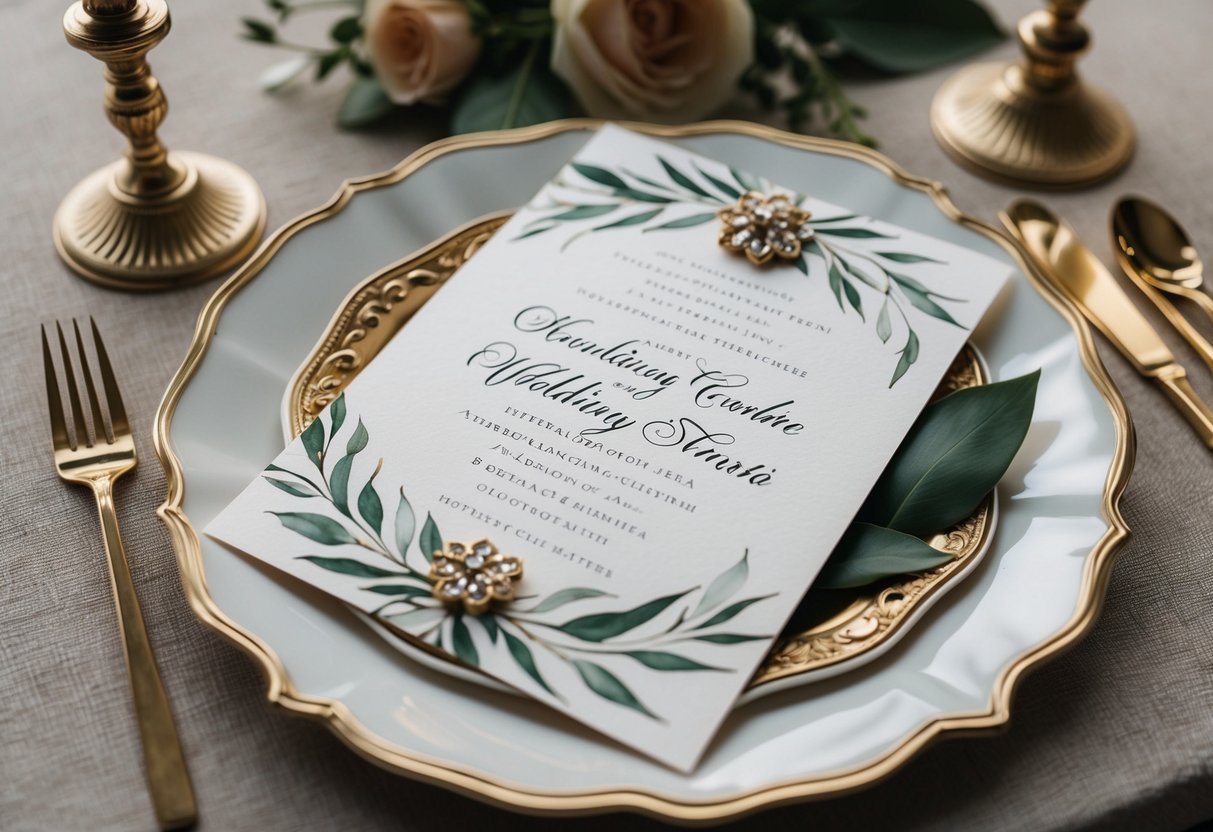
When creating your wedding invitations, you want them to reflect your style and inform your guests. Important elements include the design and presentation of the invitations and how to manage RSVP and place cards.
Design and Presentation
Your invitation design sets the tone for your wedding. Pick colors, fonts, and styles that match your theme. Consider modern wedding invitations, which often feature clean lines and elegant designs.
Here are some key points to consider:
- Use quality paper: Invest in cardstock for a sturdy feel.
- Incorporate personal touches: Add motifs or illustrations that represent you.
- Consider the envelope: Address wedding invitation envelopes neatly and clearly. You can also include a decorative liner for extra flair.
Remember, this is the first impression your guests get, so make it count!
RSVP and Place Cards
RSVP cards are vital for planning your guest list. Include a wedding RSVP card with clear instructions on how to respond. You can ask for dietary preferences if needed.
For place cards, think about where each guest will sit. You can:
- Use a simple design: Keep it consistent with your invitations.
- Include guests’ names clearly: This avoids confusion on the big day.
By managing RSVP and place cards effectively, you help create a smooth experience for everyone involved.