
Do You Write Mr or Mrs First? A Guide to Proper Salutations
When you address someone with a title, the order of “Mr.” or “Mrs.” can sometimes be confusing. It is more appropriate to write “Mr.” before a man’s name and “Mrs.” before a married woman’s name. This order respects traditional etiquette and sets a formal tone in your writing.

You may also encounter situations where personal preference plays a role. Some people appreciate being addressed in a certain way, especially in informal settings. If you’re ever unsure, asking the person what they prefer can show your respect and consideration for their feelings.
Understanding Titles and Honorifics

Titles and honorifics play an important role in communication. They help convey respect and formality.
In this section, you will learn about the significance of these titles, their variations across cultures, and the rise of gender-neutral options.
The Significance of Mr, Mrs, and Other Formal Titles
Using titles like Mr., Mrs., and Ms. signals respect. Mr. is commonly used for men, while Mrs. is for married women. Ms. is often preferred when marital status is not known or relevant.
A similar title, Miss, is used for unmarried women and may convey youth. The title Master is old-fashioned and typically refers to young boys. Each title reflects social norms and expectations.
In professional settings, titles such as Dr., Prof., or Rev. can indicate qualifications. Recognizing these titles is crucial for addressing individuals correctly, making interactions more polite and respectful.
Variations Across Cultures
Cultural differences affect how titles are used. In American English, you generally use first names once you know someone well. However, in British English, using titles and surnames can be more common until a closer relationship is established.
Some cultures emphasize titles even more. For example, in many Asian countries, titles reflect hierarchy and age. Addressing someone incorrectly can lead to misunderstandings or offense.
It’s important to understand the context in which you use titles. Adapting to cultural norms shows respect and awareness.
Gender-Neutral and Inclusive Forms
Recently, there has been a shift toward gender-neutral titles. The title Mx. is one option for those who do not identify strictly as male or female. It allows you to be inclusive in your address.
Additionally, Ms. can serve as a neutral alternative for women, focusing on the individual rather than marital status. Many workplaces and organizations now encourage using gender-neutral language to create an inclusive environment.
Understanding and using these titles can help in creating a welcoming space for everyone. Adapting your language shows respect for people’s identities and preferences.
The Etiquette of Addressing Individuals

Knowing how to address people politely is important in social interactions. This section explores the relevance of marital status in address forms and how polite language helps maintain respect.
Marital Status and Its Relevance
When addressing couples, the order of names can reflect their marital status. For married couples, you might use “Mr. and Mrs.” followed by the husband’s name, like Mr. and Mrs. John Smith. If both partners have different last names, it is polite to use Ms. Anna Smith and Mr. Henry Jones.
For unmarried couples or those in same-gender relationships, using both individuals’ names is respectful, such as Ms. Jane Doe and Ms. Sarah Lee.
Remember, marital status influences how you address people, but it’s important to consider their preferences too. Always ask if you are unsure about someone’s preferred form of address.
Politeness and Formality in Social Interactions
Using polite forms of address shows respect. In formal settings, stick to standard honorifics like Mr., Mrs., and Ms.. Avoid using first names until invited to do so. This approach is especially important in business communications.
Addressing a married woman as Mrs. is common, but some may prefer Ms. regardless of marital status. Using Ms. can help avoid assumptions about someone’s personal life.
For unmarried women, it is advisable to use Ms. unless you are certain she prefers Miss. Always tailor your address to the context and the preferences of the individuals involved, while embracing proper etiquette rules.
Practical Guidelines for Addressing Envelopes and Invitations
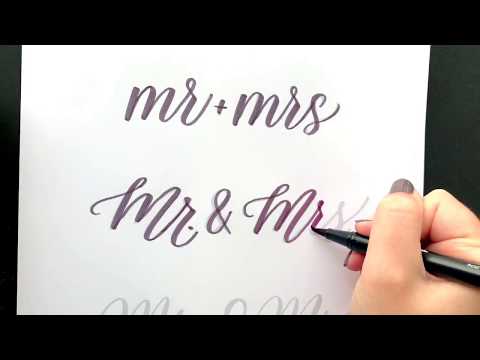
When addressing envelopes and invitations, knowing how to order names and use proper punctuation is key. This section will guide you through the correct format for couples, families, and other special cases.
Order of Names for Couples and Families
For married couples sharing the same last name, you can use “Mr. and Mrs.” followed by the husband’s first and last name. For example: Mr. and Mrs. John Smith.
If both partners have different last names, list their full names as “Ms. Jane Doe and Mr. John Smith.” You can choose to put the woman’s name first if preferred.
When addressing families with children, start with the parents’ names, followed by the children’s names. Use “The Johnson Family” or “Mr. and Mrs. Johnson” with the children if they are included.
For elderly adults in your community, be respectful. Using their formal titles shows care.
Punctuation and Formatting Details
Use correct punctuation when writing titles. In American English, “Mr.” and “Mrs.” require periods. Also, ensure there’s a comma between the names if you’re listing titles and full names.
For the address, always spell out street and state names fully, like “123 Main Street, Richmond, Virginia.”
If you’re sending invitations to recipients who may have a guest, it’s polite to add “and Guest” on a separate line. This helps in making the invitation feel more personal.
Pay attention to how you write. A neat, well-organized envelope makes a good impression!