
Do You Write Mum and Dad on a Wedding Invite? Understanding the Etiquette
When planning your wedding, you might find it tricky to figure out how to word your invitations. A common question arises: do you write mum and dad on a wedding invite? The simple answer is yes, many couples choose to include their parents’ names on the invitation to honor them and show appreciation for their support.
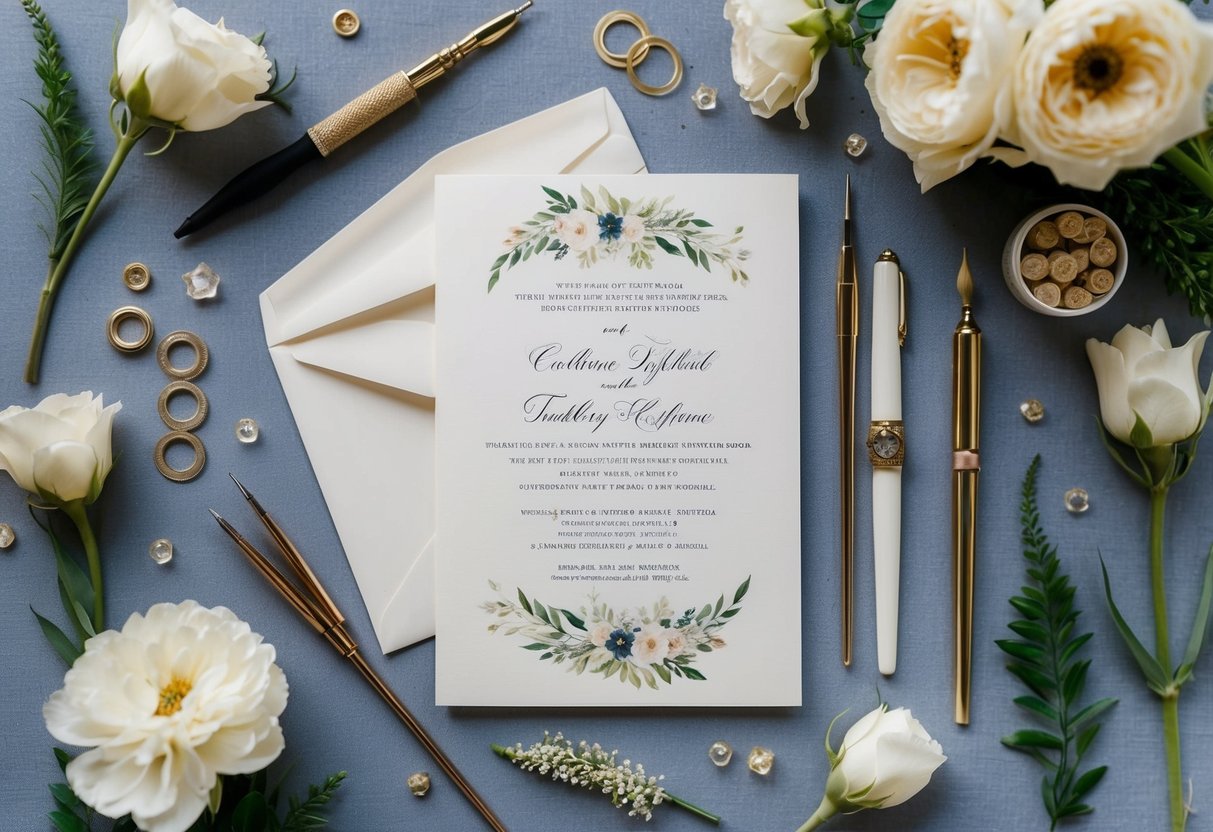
Including “mum” and “dad” on your wedding invitations helps set the tone and reflects your family values. You can use traditional phrasing or newer, more inclusive approaches, depending on your family dynamics.
Personalizing your wording not only makes the invite feel special but also gives guests a glimpse into your relationship with your parents.
Whatever style you choose, remember that your wedding invites are a representation of you and your fiancé. Always consult with your parents about how they want their names to appear to create an invitation that everyone feels good about.
Understanding Wedding Invitation Etiquette
When crafting your wedding invitations, it’s essential to keep etiquette in mind. These guidelines help ensure your invitations reflect respect and consideration for all involved, especially your families. Here’s what you need to know.
Role of Etiquette in Wedding Invitations
Wedding invitation etiquette plays a vital role in setting the tone for your special day. It helps convey important details, like the who, what, when, and where, clearly and effectively.
Adhering to these traditional rules can make your invitations feel more polished and thoughtful.
For a formal invitation, include full names and proper titles. Always consider how your wording reflects your relationship with your parents and your partner’s family. This careful thought ensures that everyone feels included and acknowledged.
Inclusion of Parents’ Names
Deciding whether to include “Mum and Dad” on your wedding invitation can vary based on your family dynamics. Traditionally, the bride’s parents’ names appear first, followed by the groom’s. This format honors family expectations while providing clarity.
If both sets of parents are contributing, you can list their names together. For example: “Mr. and Mrs. Smith and Mr. and Mrs. Johnson request the honor of your presence.”
If a parent has passed away, it’s common to mention them in a respectful way, such as using “In memory of” before their name.
Special Considerations for Different Family Structures
Consider the diverse family structures that may apply to your situation. If your parents are divorced, it’s essential to handle their names sensitively. You might choose to list them separately or together, depending on your relationship.
If you have stepparents, recognize their roles appropriately. Customizing your message shows thoughtfulness toward all family members.
Be mindful about wording and relationships, as this can affect how guests perceive your family’s dynamics. Gentle inclusion can make everyone feel valued on your special day.
Crafting the Perfect Wedding Invitation
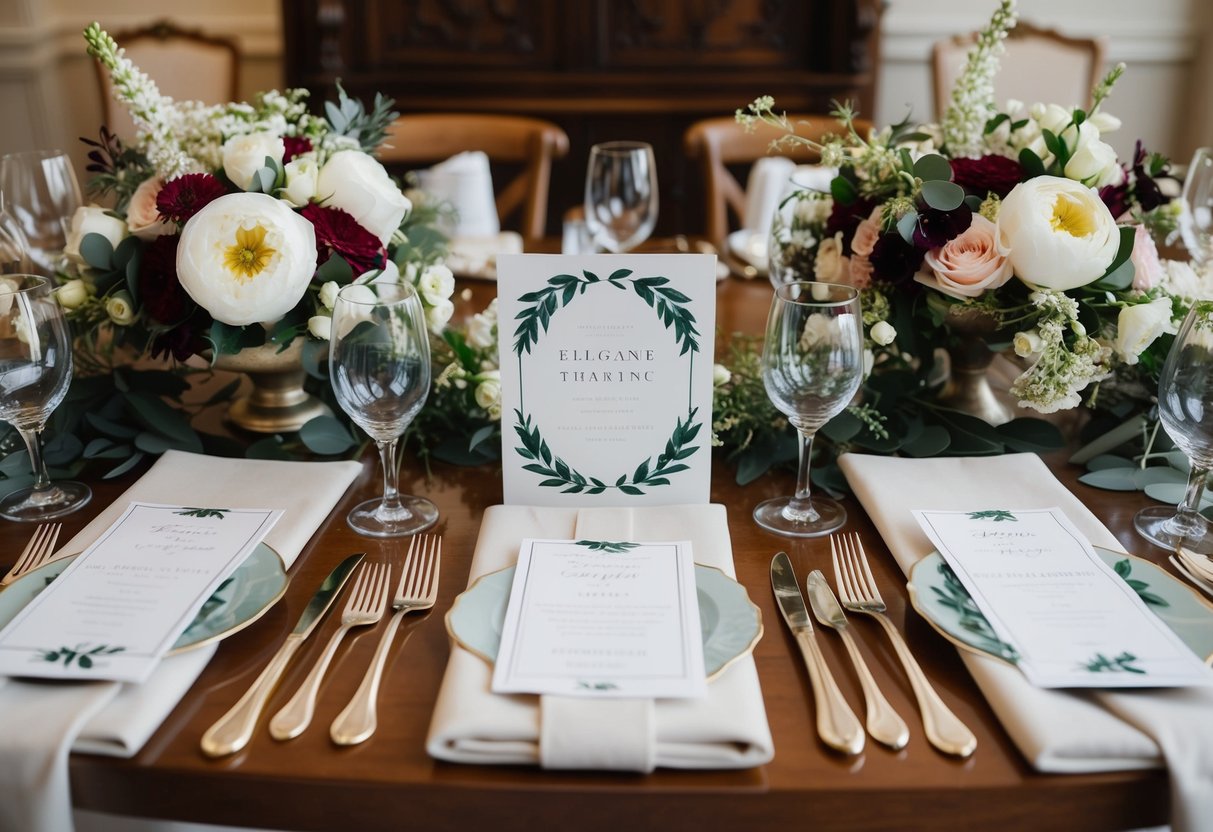
Creating your wedding invitation is an important task that sets the tone for your special day. The wording and details you choose will communicate who is hosting, the nature of the event, and your style preference.
Elements of Wedding Invitation Wording
When you start thinking about your invitation wording, focus on key elements. Begin with the names of those inviting guests.
For traditional invites, include your parents’ names, such as “Mr. and Mrs. Smith invite you…” For modern invitations, you might just use your names or a mix of both sets of parents, like “Together with their families.”
Make sure to include the wedding date, time, and venue, along with any special instructions. Don’t forget an RSVP line so guests can confirm their attendance.
Choose wording that matches your wedding’s vibe, whether formal, casual, or themed.
Deciding Who’s Hosting
Which parents should be listed on the invitation is always a key question. Traditionally, the bride’s parents were listed first, reflecting their role in hosting. Nowadays, many couples choose a more inclusive approach.
You can list both sets of parents, or just name yourselves if you are hosting. If parents are divorced, it’s common to include each parent on separate lines. For example: “Mrs. Jane Doe and Mr. John Smith request the honor of your presence.”
Respect family dynamics, and don’t hesitate to ask for preferences from your parents when finalizing the list.
Modern Vs. Traditional Approaches
Modern wedding invitations often break from traditional norms. You have the freedom to customize as you see fit. While traditional invites follow strict wording guidelines, modern invites allow for creativity.
Choose funky fonts, unique colors, and playful designs. The key is to reflect your personality as a couple. You can forgo the formality of including parents’ names altogether if you prefer.
With modern invites, consider adding an invitation suite that matches your theme. This can include save-the-date cards, RSVP cards, and thank-you notes. Keep it cohesive for a polished look that stands out to your guests.
Addressing and Sending Invitations
Addressing your wedding invitations correctly sets the tone for your special day. It’s essential to include the right names and details to ensure everyone feels included. Understanding how to manage your guest list and RSVPs will also help keep your planning organized.
The Art of Addressing Envelopes
When addressing envelopes, include both first and last names. If you want to be formal, you might add middle names as well. For example, write “Mr. John Smith and Mrs. Mary Smith.” This approach makes it clear who the invitation is for.
If your parents are involved, you could say “Mr. and Mrs. John Doe” if they are still together. For divorced parents, it’s best to list their names on separate lines:
- Mrs. Jane Doe
- Mr. Bob Doe
Remember to use titles correctly and consider how your guests prefer to be addressed.
Managing the Guest List and RSVPs
Creating a guest list is crucial for knowing how many invitations to send. Start by writing down everyone you want to invite. Group them by families or couples to make addressing easier.
Include a simple RSVP card with your invitations. This card should have a space for guests to write their names and indicate if they plan to attend. A clear deadline for RSVPs helps you manage your final count.
Check off names as you receive responses to avoid confusion. Keeping your guest list updated will make planning your wedding much smoother.