
Do You Write the Bride or Groom’s Name First? A Guide to Wedding Invitations
When it comes to wedding invitations, a common question arises: should the groom’s name come before the bride’s name? This rule stems from the idea of honoring the bride during the wedding planning process, where she is seen as the focal point of the event. Understanding this etiquette can help you avoid any potential blunders when crafting your invitations.
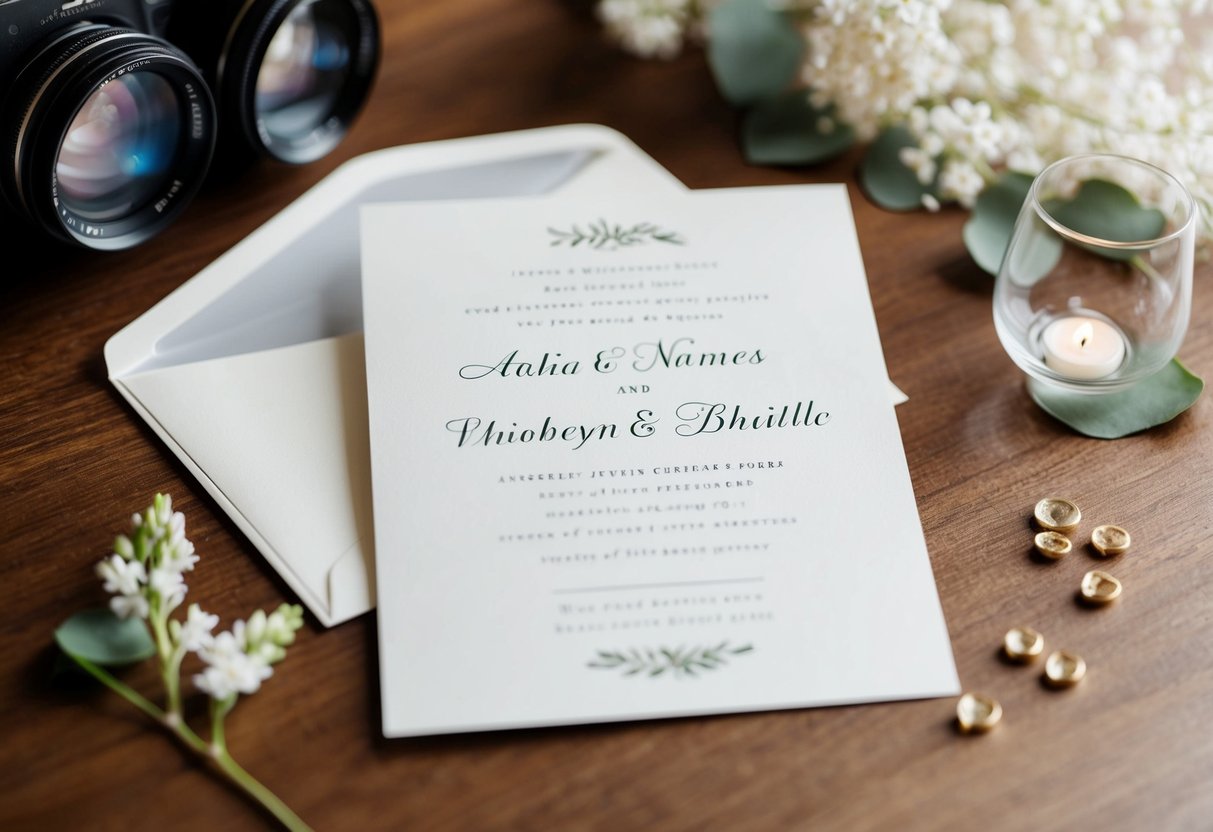
While traditional etiquette is helpful, personal preference also plays an important role. Some modern couples choose to mix things up, placing the groom’s name first on invitations as a reflection of their unique relationship. Whichever order you decide on, be sure to communicate with your partner and families to ensure everyone is comfortable with the final choice.
Whether you’re planning a grand celebration or a simple gathering, getting the order of names right is just one detail among many. By following these guidelines, you can create beautiful wedding invitations that reflect both your style and respect for tradition.
The Basics of Wedding Invitation Naming

When planning your wedding invitations, understanding whose name goes first can be important for tradition and etiquette. This section will guide you through the key aspects of naming conventions.
Understanding Etiquette
Tradition often dictates that the bride’s name appears first on wedding invitations. This custom reflects the idea that the bride’s family traditionally hosts the event. If both families are involved, it’s still common to prioritize the bride’s name.
For same-sex couples or non-traditional arrangements, you have more flexibility. It’s completely acceptable to choose the order based on personal preference. Remember, the goal is to make your invitation reflect your unique partnership.
Names of the Bride and Groom
When listing names, use the full names of both individuals. For example, write out “Elizabeth Anne Smith” and “John Michael Doe.” If the bride’s parents are mentioned, include her first and middle name only if she has the same last name as them.
For a formal invitation, you could say: “Mr. and Mrs. Smith request the honor of your presence at the wedding of their daughter…” This approach clearly presents everyone’s names following etiquette rules.
Ordering Details
Typically, invitations follow a specific order. Begin with the bride’s name followed by the groom’s. For a wedding where both sets of parents are invited, their names may come first or be included later in the wording.
If you want a more modern approach, you could also list the couple’s names side by side. For example: “John and Elizabeth” together on one line can convey equality in a more contemporary style. Make sure the wording is both clear and respectful to all families involved.
Formatting and Addressing Invitations

When formatting and addressing wedding invitations, you want to make sure everything looks polished and represents the couple well. Proper etiquette can enhance the presentation, making it easier for guests to understand where they need to go and who is hosting the event. Here are some important points to consider.
Envelope Essentials
When addressing your invitations, there are two envelopes to think about: the outer and the inner envelope. The outer envelope includes the full addresses of your guests, while the inner envelope generally only lists the names of the guests invited, like “Mr. and Mrs. Smith.”
Make sure to write the bride’s name first on both envelopes unless the couple prefers otherwise. Use address labels for a neat look, or write by hand for a personal touch. If you have informal addresses, it’s okay to use nicknames or less formal terms, as long as the guests are comfortable with them. Arrange your guest list in alphabetical order to easily keep track of names, making addressing invitations simpler.
Ceremony and Reception Venues
Clearly stating the ceremony venue and reception location is essential. Include the full name and address of each place. If the reception is at a different location, specify that as well for your guests’ convenience.
If your parents are hosting, consider mentioning their names on the inner envelope, showing respect and appreciation. This can help set a welcoming tone. If you have unmarried couples on your list, remember to address them separately if their names don’t match on the envelope.
Doing these small things shows you care and sets the right mood for your big day.
Special Considerations
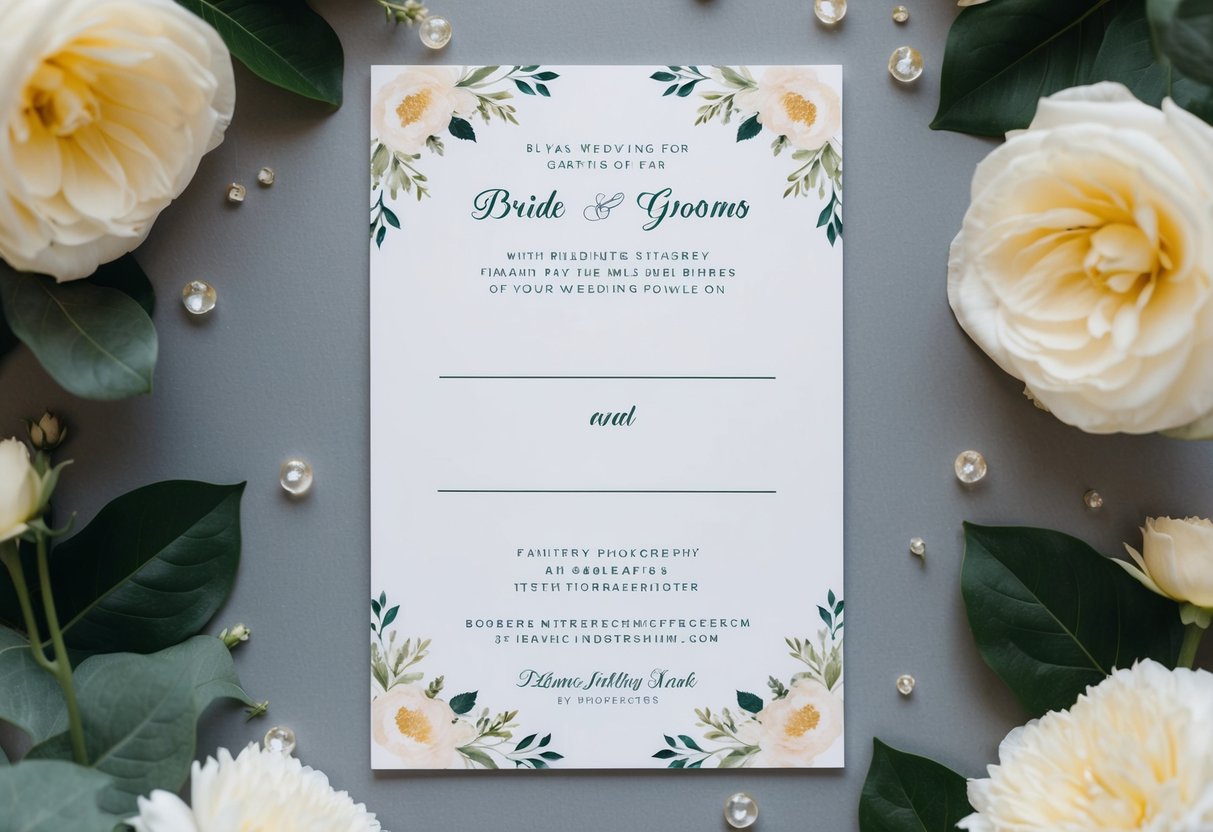
When creating wedding cards, you may need to consider specific factors that affect name order. Here are two key areas to think about: same-sex couples and egalitarian approaches to weddings.
Same-Sex Couple Invitations
For same-sex couples, there are no strict rules about whose name goes first. You can choose the order based on personal preference or significance to the couple.
If both partners have similar cultural backgrounds, it may make sense to list names alphabetically. You can also consider who traditionally plays a more significant role in the wedding plans. Consistency across all wedding materials, like invitations and reception cards, is important to avoid confusion.
Make sure that your choice reflects your relationship and feels comfortable to both partners.
Egalitarian Approaches
An egalitarian approach means treating both partners as equals. This could mean alternating name order for different aspects of the wedding.
You might choose to list one name first for the invitations and the other for the ceremony. This shows both partners have equal importance.
Another option is to use both names together, like “Jess and Alex” or “Alex and Jess.” It’s vital to discuss these options openly to find a solution that aligns with your shared values and preferences for a meaningful celebration.
After the Wedding: Consistent Communication
Keeping communication clear and consistent after the wedding is important for you as a newlywed couple. It helps to maintain the connections you built during the event. Here’s how you can do that.
Extending the Theme
You can continue the wedding theme through thoughtful communication. Use your married couple’s name or monogram in your messages, such as in thank-you cards. This small detail can enhance the personal touch.
For example, mention special day details when writing wedding wishes or sharing memories with your guests. If you created hotel welcome bags for guests, reference them in your thank-you notes. This reminds your friends and family of the joy they shared with you, making your message even more heartfelt.
The Role of Thank-You Cards
Post-wedding etiquette requires you to send thank-you cards within three months of your wedding. This timeframe is in line with traditional wedding etiquette. Each card should express genuine gratitude for the specific gift or gesture.
Make your messages personal by recalling a moment from your wedding day that included the giver. If they were part of your wedding party or contributed to the preparations, mention that too. You can also include a detail about the RSVP process or the fun you had at the reception. This will help each guest feel special and appreciated for their unique contribution to your celebration.