
Documentary Style Wedding Photography Explained
Documentary style wedding photography preserves the wedding day as it unfolds, with a focus on genuine emotions, candid moments, and the relationships surrounding the couple. The photographer watches carefully, anticipates meaningful interactions, and creates a visual record that feels connected to real memories.
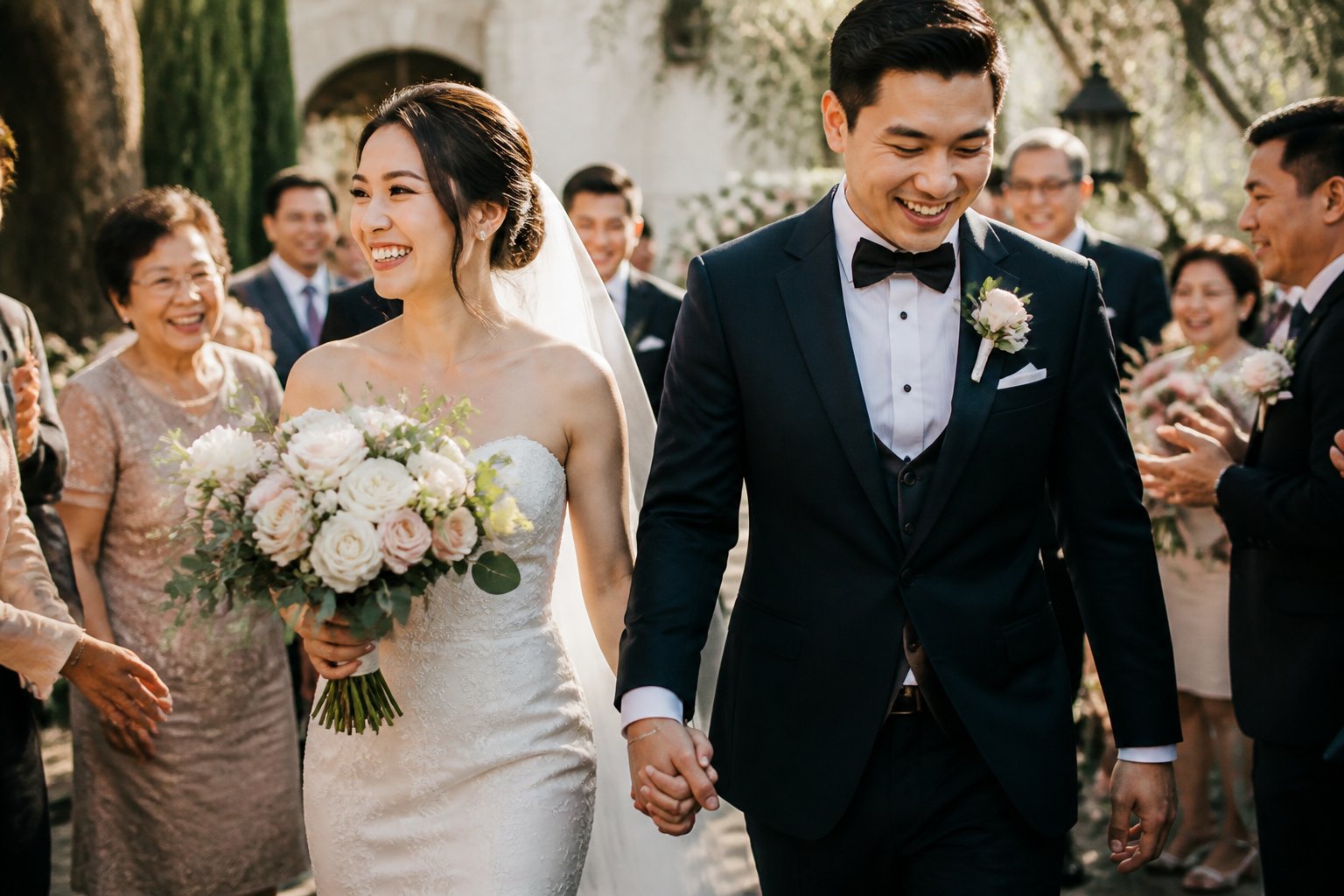
The result is a wedding gallery that helps us remember how the day felt, not only how it looked. Tears during the ceremony, a friend’s unexpected dance move, a parent fixing a veil, and the laughter between formal events all become part of the story.
Couples who want relaxed coverage can start by reviewing portfolios from photographers who work in this style and asking how they balance observation with essential portraits. A clear conversation before booking helps us choose coverage that protects the moments we value most.
What Does Documentary Coverage Look Like on a Wedding Day?
Documentary wedding photography follows the day with minimal direction, using visual storytelling to preserve candid moments and genuine emotions from preparations through the first kiss and reception.
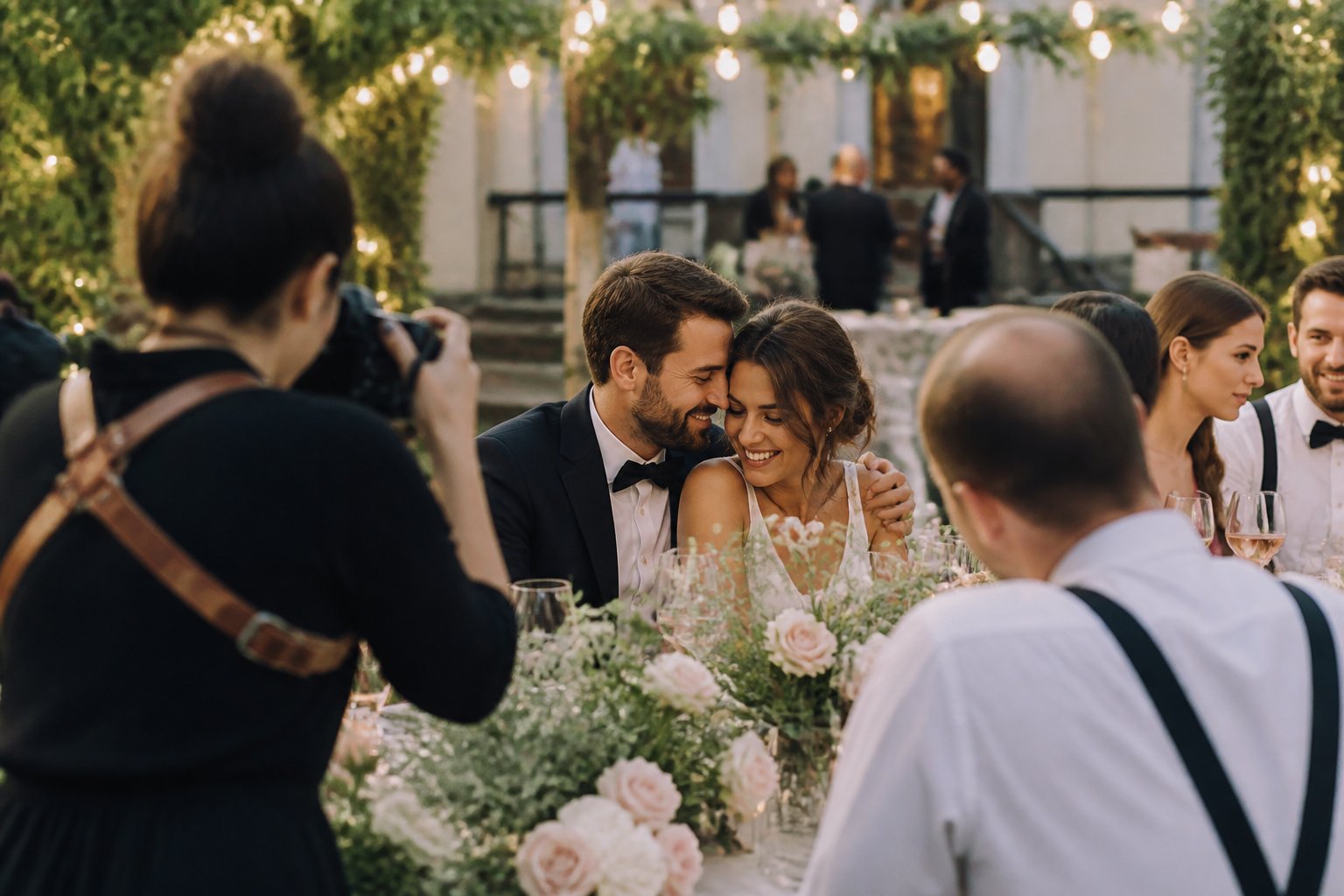
The photographer stays alert to small interactions, changing light, and the rhythm of the celebration. The finished gallery includes major milestones alongside the quiet transitions that give those milestones context.
The Photographer Observes Rather Than Stages
A documentary photographer watches body language, listens for changes in conversation, and positions themselves before an interaction unfolds. They might photograph a grandparent’s reaction during the vows, a nervous laugh before the ceremony, or friends embracing after the recessional.
This approach requires presence without taking control. We should still expect a friendly professional who communicates clearly, moves respectfully through the venue, and knows when to step closer for an important frame.
The Moments That Build a Complete Story
A strong gallery follows the emotional arc of the wedding. Preparations, details, arrivals, ceremony reactions, portraits, dinner, speeches, and dancing work together as connected chapters.
The photographer also looks for atmosphere: hands passing around a bouquet, a child watching the ceremony, shoes abandoned near the dance floor, or relatives sharing a private joke. These photographs often become the images we revisit when specific sounds, textures, and relationships come back to us.
When Gentle Guidance Still Helps
Minimal direction does not mean complete silence. A photographer may suggest moving near better window light, invite us to walk together, or give family members a clear place to stand for an efficient portrait.
That guidance supports comfort and composition while leaving room for natural expression. During a portrait session, small prompts such as talking about the ceremony or holding hands can create movement without forcing a pose.
How Does It Differ From Other Wedding Photography Styles?
Documentary-style wedding photography prioritizes observation and continuity, while reportage wedding photography, traditional wedding photography, editorial wedding photography, and fine art wedding photography place different weight on intervention, polish, posing, or artistic design.
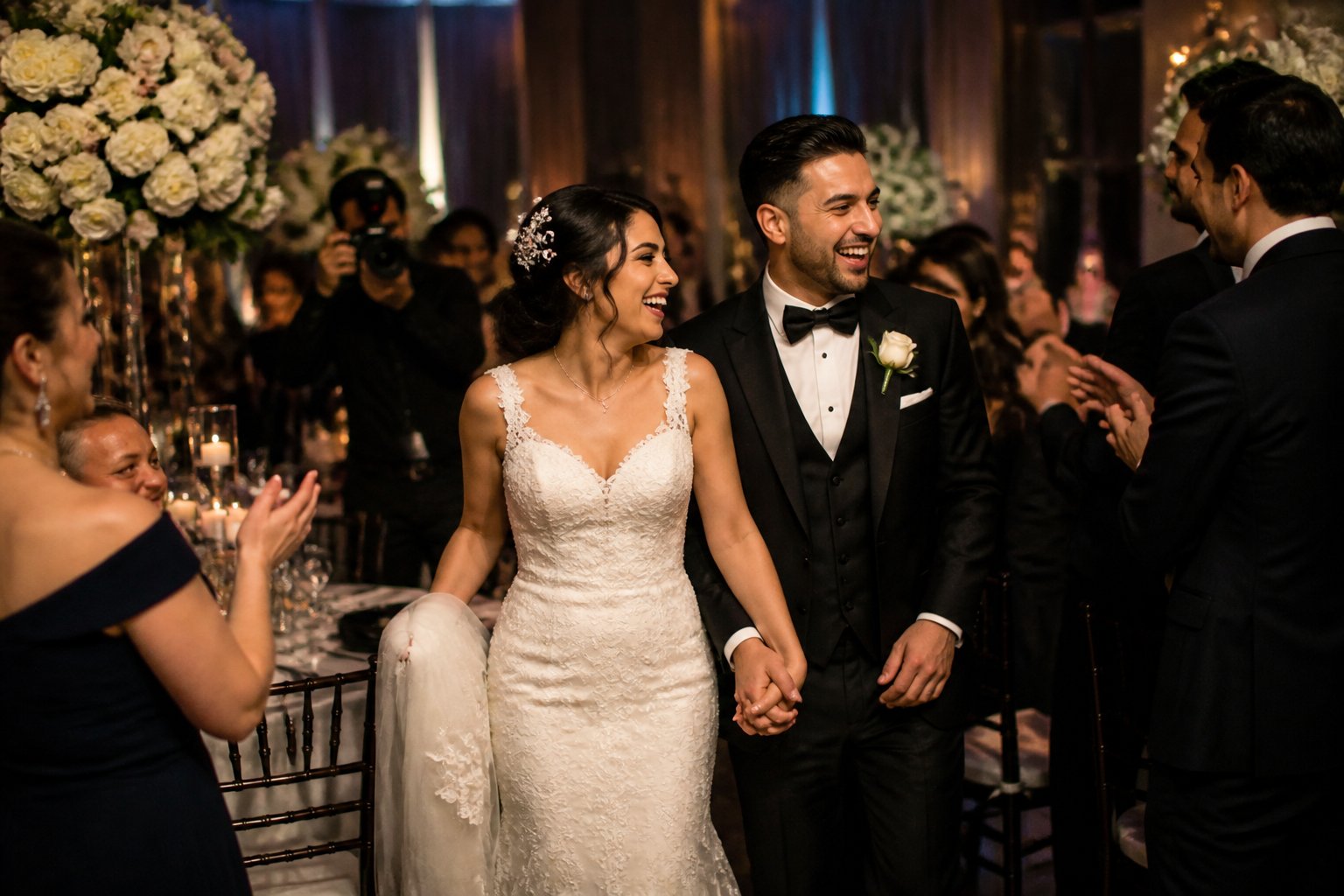
Many photographers blend approaches. A portfolio may contain documentary coverage during the ceremony, a few traditional family portraits, and editorial-style couple images during a short portrait window.
| Style | Direction | Primary emphasis | Typical visual feel |
|---|---|---|---|
| Documentary | Minimal | Lived experience | Candid and connected |
| Reportage | Very low | Event coverage | Journalistic |
| Traditional | High | Formal milestones | Posed and orderly |
| Editorial | Moderate to high | Fashion and design | Polished and dramatic |
| Fine art | Directed | Artistic refinement | Soft and curated |
Documentary vs. Reportage and Wedding Photojournalism
Documentary photography and reportage photography share an observational foundation. Both follow events as they happen and value authentic reactions.
Wedding photojournalism and a wedding photojournalist may emphasize news-style sequencing, decisive moments, and an unobtrusive presence. Documentary-style wedding photography can include those qualities while giving more attention to atmosphere, family history, and the emotional links between images.
Documentary vs. Traditional Wedding Photography
Traditional wedding photography relies on planned groupings and photographer-led portraits. It gives us a dependable record of family combinations, wedding-party arrangements, and key moments such as the first kiss or cake cutting.
Documentary coverage gives more time to unscripted interactions and movement. Couples who want both approaches can reserve a short, organized period for family portraits while keeping the rest of the day open for observation. Our guide to traditional photography in a wedding offers more detail on that formal approach.
Documentary vs. Editorial and Fine Art Photography
Editorial wedding photography treats the couple, clothing, venue, and details with a fashion-oriented eye. Posing, clean backgrounds, controlled light, and deliberate composition create a polished visual statement.
Fine art wedding photography places additional emphasis on color, texture, film-inspired tones, and a carefully curated mood. Documentary-style wedding photography may borrow elegant composition from both styles, while its central priority remains the unscripted story of the day.
What Makes a Strong Documentary Wedding Photographer?
A strong documentary wedding photographer combines observational skills, technical control, empathy, and thoughtful editing to create an honest visual narrative without interrupting the celebration.
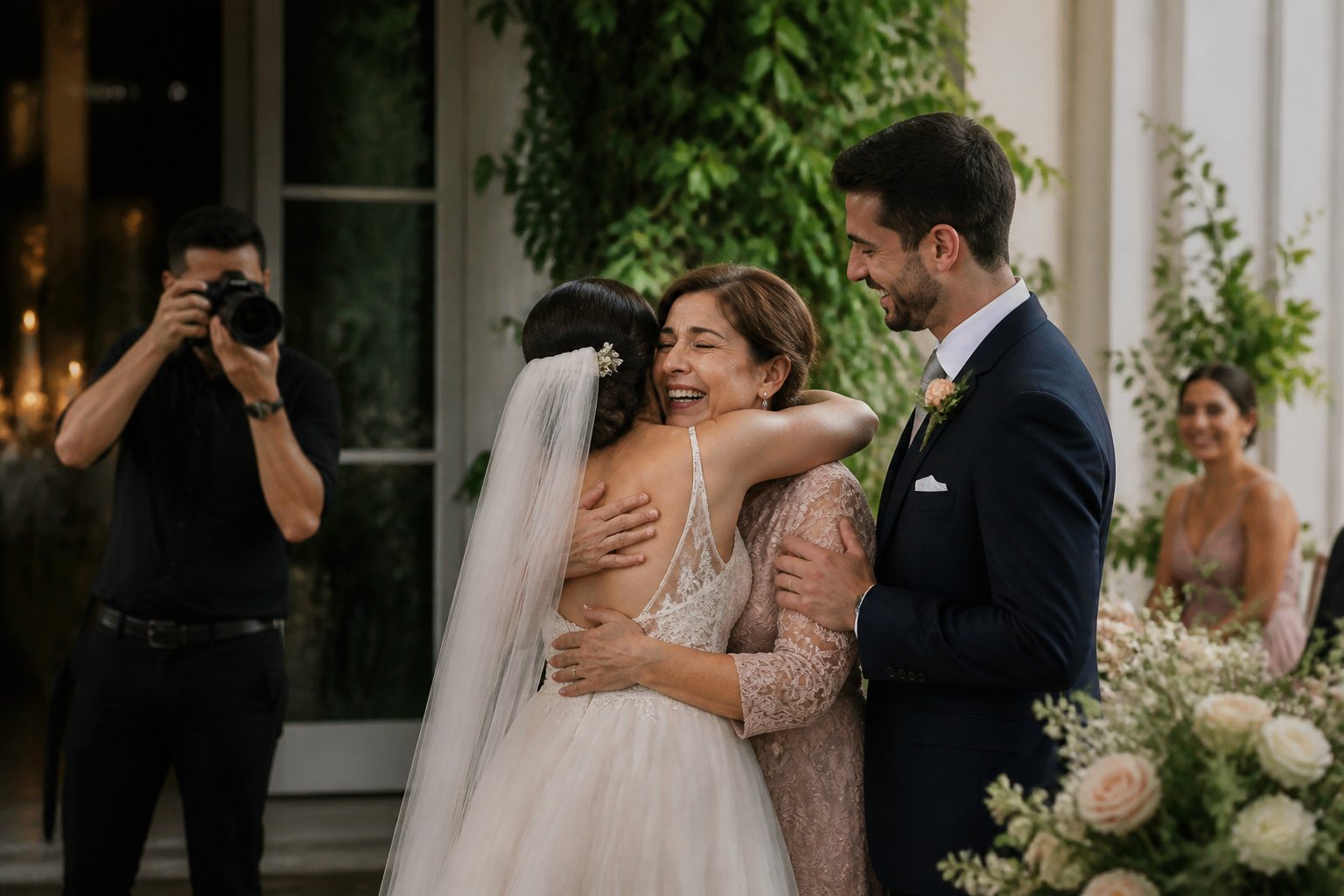
Portfolio quality reveals more than individual hero images. We should look for complete wedding galleries that show transitions, difficult lighting, crowded rooms, family relationships, and emotional variety.
Observational Skills and Anticipating Reactions
Experienced documentary wedding photographers read a room before the moment arrives. They notice who is watching, where attention is gathering, and how people respond to one another.
That anticipation lets the photographer choose a useful position before a hug, tear, toast, or burst of laughter occurs. During consultations, we can ask photographers to describe how they prepare for unpredictable moments and how they stay present during long coverage.
Lighting and Composition Without Disrupting the Moment
Technical fluency allows the photographer to work quickly in a dark reception room, bright outdoor ceremony, or mixed-light getting-ready space. They may adjust exposure, change lenses, or use available light without asking everyone to repeat the interaction.
Composition still carries the story. Layers of guests, doorways, hands, reflections, and negative space help show where a moment happened and who shared it.
How Post-Production Shapes a Cohesive Story
Post-processing brings consistency to color, exposure, contrast, and cropping across hundreds of images. Careful post-production also removes distractions while preserving expressions, atmosphere, and the character of the venue.
Ask how the photographer curates a gallery, handles black-and-white images, and delivers the final files. Communities such as This Is Reportage can also help us recognize photographers who take documentary storytelling and sequencing seriously.
How to Plan for Natural Photos Without Skipping the Must-Haves
Natural wedding photography works best when the timeline includes breathing room, family portraits follow an efficient plan, and priorities guide the photographer without controlling every frame.
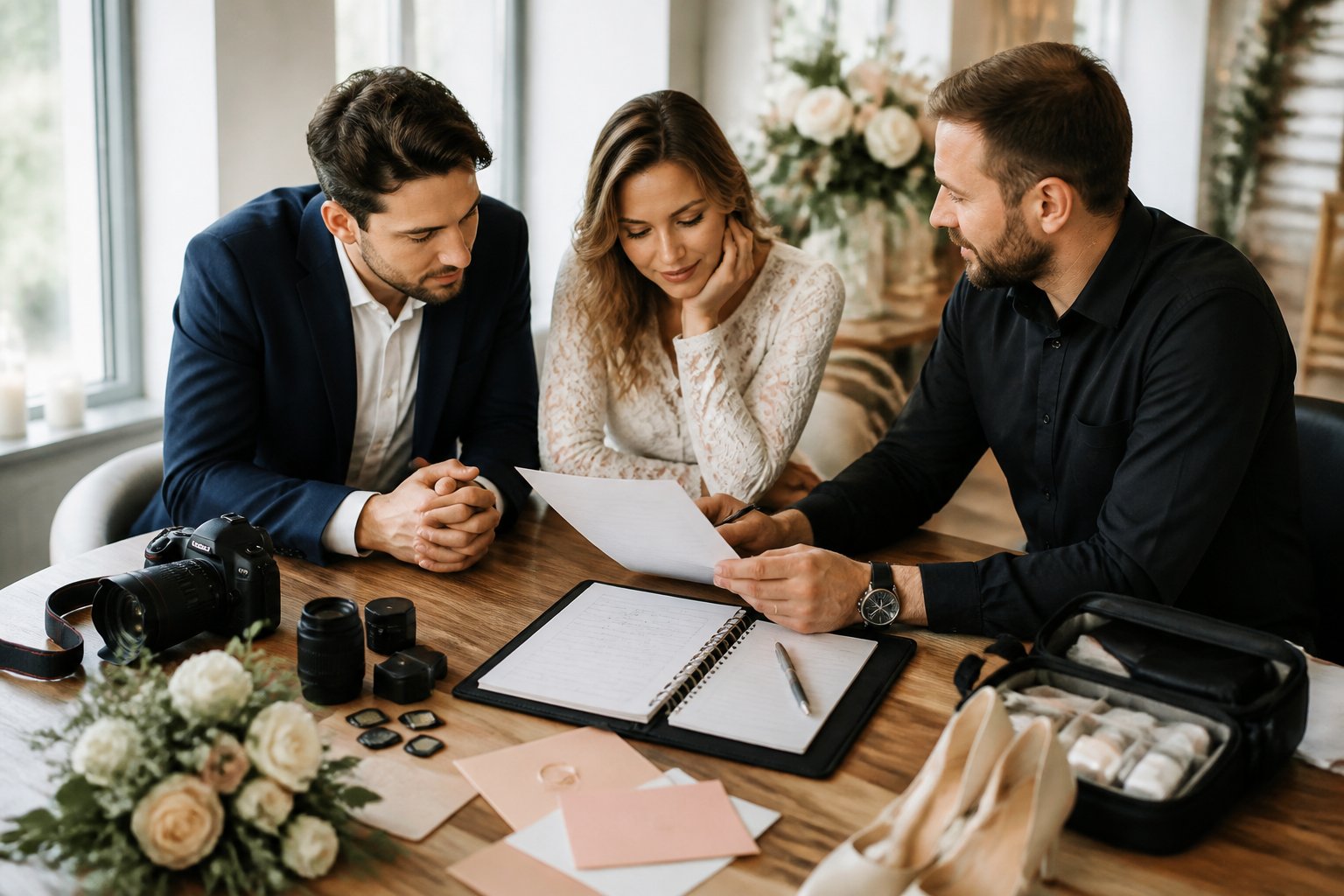
Good planning protects the experience as well as the images. A realistic schedule gives the photographer time to observe while ensuring the wedding album includes the people and traditions we consider essential.
Build Breathing Room Into the Timeline
Add small buffers before the ceremony, between portraits and dinner, and before major reception events. Those pauses absorb delays and create space for spontaneous exchanges.
Share the day’s structure with the wedding photographer, including travel time, room changes, cultural traditions, and moments that must happen at a specific hour. A calm timeline makes it easier to preserve candid moments without rushing guests.
Make Family Portraits Efficient and Meaningful
Family photography deserves a clear plan because group portraits involve people who may be spread across the venue. Prepare a short list of combinations, name one person to help gather relatives, and schedule portraits in a well-lit location.
Start with the largest grouping, then release people as smaller combinations follow. This keeps the session focused and leaves more time for natural interactions before the reception.
Share Priorities Instead of an Overly Rigid Shot List
Tell the photographer which people, traditions, details, and emotional moments carry special meaning. A short priority list might include a late grandparent, a handmade invitation, a cultural ritual, or a particular group of friends.
Trust the photographer to interpret those priorities through observation. Our wedding day photo checklist can help organize essential requests without turning the entire day into a production schedule.
What Does Documentary Wedding Photography Cost?
Documentary wedding photography cost in the United States commonly falls within the broader wedding photography cost range of about $2,500 to $4,500, with actual prices shaped by coverage, experience, location, and deliverables.
Prices rise for longer hours, second photographers, engagement sessions, albums, prints, travel, and highly experienced artists. A detailed quote should show exactly what the selected wedding photography package includes.
What Affects Wedding Photography Prices
Wedding photography prices reflect the work before, during, and after the wedding. Consultation time, timeline planning, full-day coverage, backup equipment, image curation, editing, gallery delivery, and business insurance all contribute to the fee.
Location also influences pricing. Major metropolitan areas and popular wedding destinations often carry higher rates, while travel expenses may apply when the venue sits outside the photographer’s service area.
How to Compare a Wedding Photography Package
Compare packages by hours of coverage, number of photographers, edited image count, delivery timeline, printing rights, album options, and cancellation terms. Confirm whether the quoted price includes sales tax, travel, and an engagement session.
Ask whether cameras, memory cards, and final files receive backup protection. A lower package price can represent fewer hours or fewer products, so matching inclusions line by line gives us a clearer comparison. For additional context, see how much does a wedding photographer charge for a full day.
When to Add a Content Creator or Videographer
A content creator may provide quick vertical clips for social sharing, while a videographer produces moving images with recorded sound and a longer editing process. Gimbals may help a videographer create smooth motion, though equipment choices vary by creative approach.
Choose an additional vendor when motion, voices, music, or behind-the-scenes updates hold value for us. Coordinating arrival times, working zones, and permissions prevents the extra coverage from disrupting the photographer’s unobtrusive approach.
Choosing a Style That Lets You Relive the Day
Documentary wedding photography suits couples who want visual storytelling built from genuine emotions, relationships, details, and unscripted movement throughout the celebration.
Review full galleries and notice whether the photographs connect into a complete experience. If we prefer polished direction for most portraits, a blended approach may fit better, with documentary coverage for the ceremony and reception alongside a short portrait session.
The best choice reflects how much of the day we want to spend being photographed, how comfortable we feel with posing, and which memories we want preserved in our wedding photography.
Frequently Asked Questions
What is a documentary style wedding photographer?
A documentary style wedding photographer records the day through observation, minimal direction, and candid moments. They focus on reactions, relationships, atmosphere, and continuity while preserving essential formal photographs when requested.
What is the difference between documentary and editorial wedding photography?
Documentary wedding photography centers on unscripted events and natural expression. Editorial wedding photography uses more direction, styling, controlled composition, and fashion-inspired posing to create polished images.
Do documentary wedding photographers take family photos?
Yes, documentary wedding photographers take family photos when they are included in the couple’s priorities. The session can remain efficient and organized, allowing the rest of the day to return to candid coverage.
Is $4,000 a lot for a wedding photographer?
A $4,000 fee sits within the commonly reported U.S. range for wedding photography and may represent strong value for extensive coverage and professional post-production. We should compare hours, deliverables, experience, travel, and album options before judging the price.
Can documentary style wedding photography and videography work together?
Yes, both services work well together when the teams communicate about movement, sound, lighting, and working space. Sharing the timeline and assigning clear priorities helps each professional document the day without interrupting meaningful moments.