
Does a Big Wedding Lead to a Better Marriage? Exploring the Connection Between Celebration and Lasting Love
You may wonder if having a big wedding really makes a difference in your marriage. Research suggests that couples who choose to hold larger weddings may experience higher levels of relationship satisfaction and commitment. This idea comes from the belief that a big wedding can create a stronger bond between partners by involving more family and friends in the celebration.
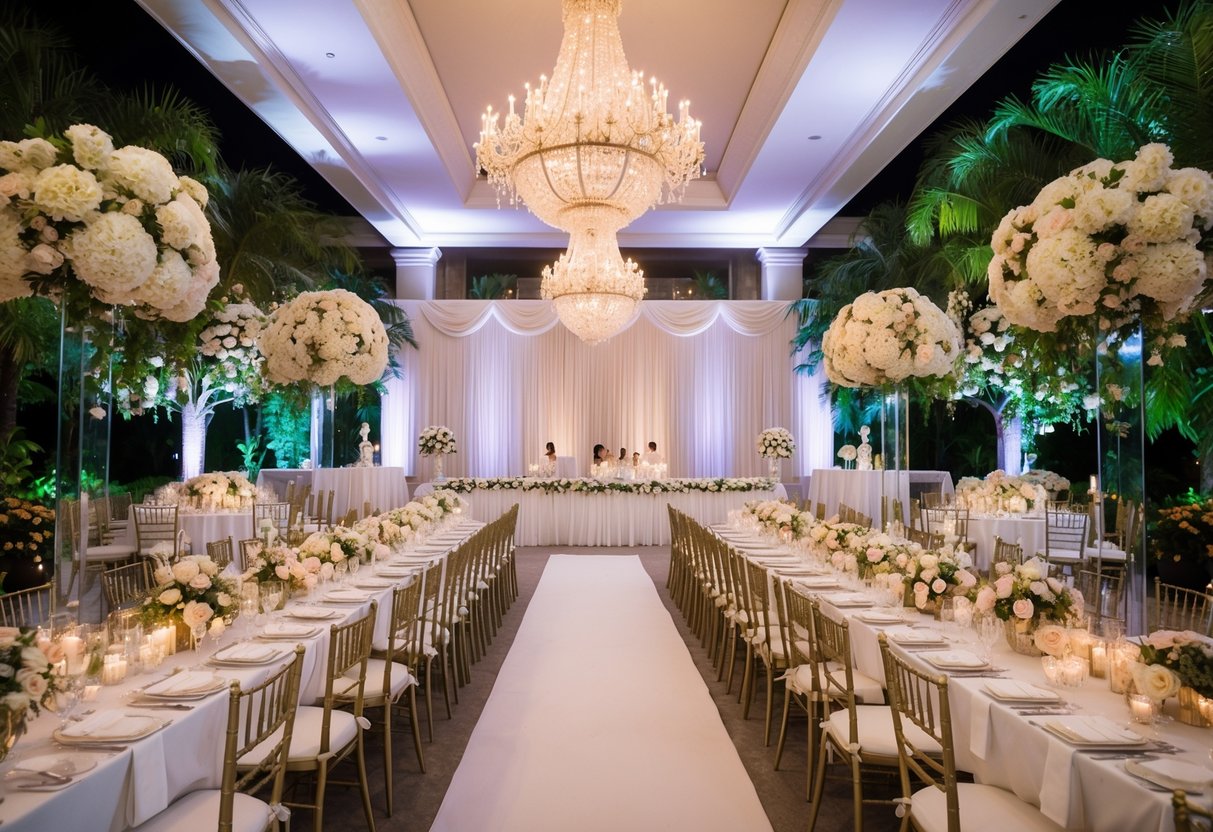
When you celebrate your love with a larger crowd, it can symbolize a solid commitment to each other. Many couples feel that the public nature of their vows encourages them to stick together through the ups and downs of marriage. In a way, your wedding is not just a party; it marks the start of a shared journey with your loved ones as witnesses.
As you look forward to your special day, consider how the scale of your wedding might impact your future together. Finding the right balance of guests and festivities could play a role in fostering a supportive environment for your marriage.
This post will explore the connection between wedding size and marital success to help you decide what’s best for your journey ahead.
Cultural and Social Significance of Weddings
Weddings are not just ceremonies; they hold deep cultural and social meanings. These events can strengthen family ties, enhance social networks, and represent a public declaration of commitment. Understanding these aspects can help you appreciate the value of weddings beyond their immediate celebration.
The Role of Traditions and Customs
Every culture has its wedding traditions that reflect its values. For example, in My Big Fat Greek Wedding, the customs showcase strong familial involvement. This connection can increase social capital, as families come together to support the couple.
These traditions can include specific rituals, outfits, and food, which often hold historical significance. Engaging in these customs helps couples feel tied to their heritage and community. It strengthens bonds not just between partners, but also among families and friends.
Public Declaration and Its Effects
A wedding is a public declaration of commitment. This act shows the couple’s intention to be together in front of loved ones. It highlights mutual support from family and friends, creating a sense of shared happiness.
Being publicly committed can enhance the relationship’s stability. It often leads to increased accountability to each other. This display can also serve as a reminder of the couple’s vows, encouraging them to maintain their bond through challenges.
Social Networks and Support Systems
Weddings can create or reinforce social networks and support systems. They bring together friends and family, making it easier for couples to lean on this network in times of need. A strong social network acts as an emotional buffer during tough times.
Couples who marry often gain access to resources, advice, and assistance. This support system can enhance the couple’s resilience, making it easier to navigate life’s challenges together.
Financial Implications of a Big Wedding
Planning a big wedding can have significant financial impacts on couples. Understanding the costs involved and how they relate to marital success can help you make informed decisions. Here are two key areas to consider.
Wedding Costs and Economic Resources
When you think about a big wedding, the first thing that comes to mind is cost. The average wedding cost can reach around $28,000, depending on your choices. This figure includes expenses like the venue, catering, flowers, decorations, and the all-important engagement ring.
Consider how many guests you want to invite. More guests typically mean higher costs. For example, if you plan for 200 attendees, catering alone could run several thousand dollars.
Balancing your budget with your economic resources is crucial. Ensure you won’t strain your financial situation, as this can lead to stress during the initial phase of marriage.
The Relationship Between Expenses and Marital Outcomes
Research suggests a connection between wedding spending and marital outcomes. Some studies indicate that couples who spend more on ceremonies may feel a stronger commitment.
Spending on a big wedding can also act as a public declaration of your love. Yet, there’s a flip side. If you overspend and go into debt, it might lead to financial stress, which can affect your relationship.
Financial stability can foster happier marriages. If your wedding means a debt repayment struggle later, it could hinder your ability to enjoy married life fully.
Psychological and Relational Perspectives
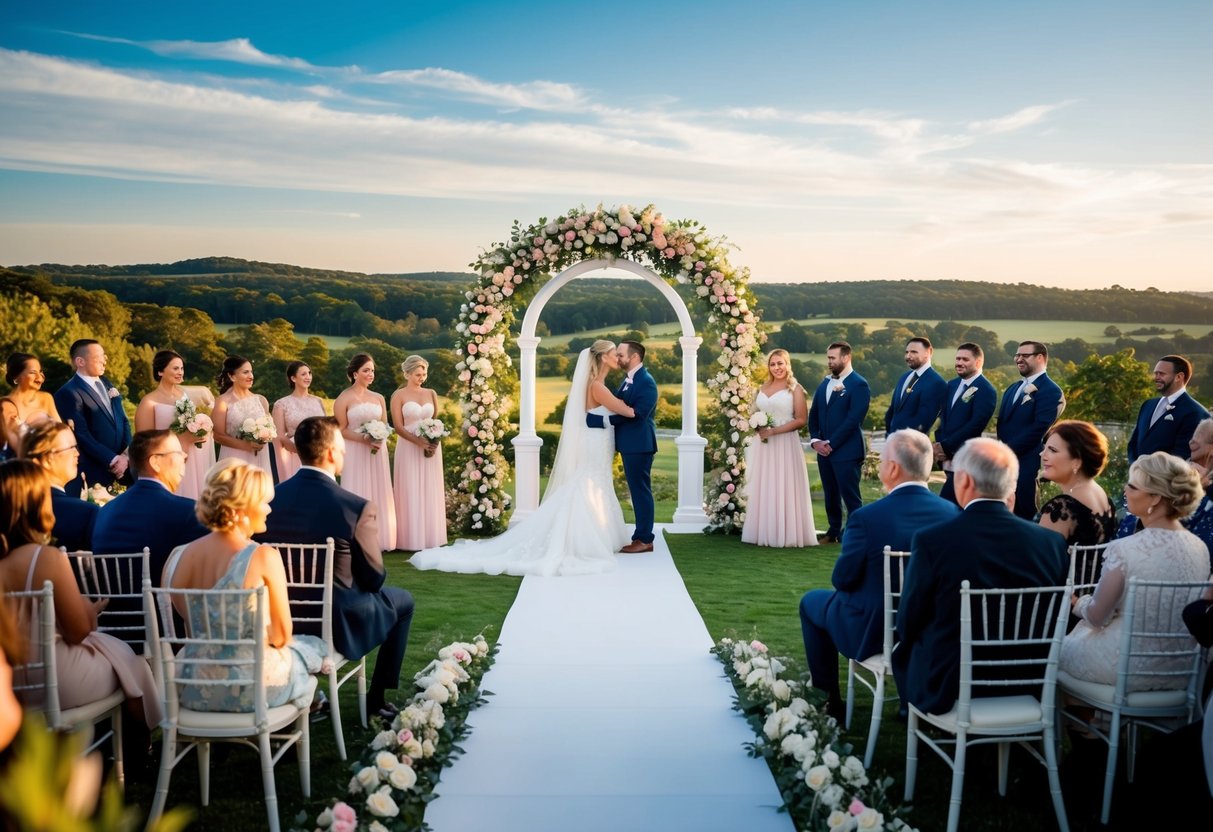
Understanding how weddings influence marriage quality involves looking into expectations and past relationship experiences. These factors can significantly shape your marital dynamics and overall satisfaction.
Expectations and Marital Quality
Your expectations around marriage can play a big role in how you perceive your relationship. If you hold high hopes for a big wedding, you might feel more pressure to maintain a certain image. This pressure can lead to cognitive dissonance if reality doesn’t meet those expectations.
Having many witnesses at your wedding might increase your commitment. When you have more people involved, you may feel a stronger obligation to make the relationship work.
Studies suggest that couples with larger weddings report better marital quality. This could be due to the psychological impact of public commitment influencing how you approach your relationship.
The Impact of Premarital Experiences
Your past relationship history affects how you approach marriage. If you’ve had healthy relationships, you might enter marriage with better skills for conflict resolution and communication. This helps in maintaining a strong bond.
On the other hand, if you have a history of unstable relationships, it can create doubts. These doubts might lead to fear of commitment, affecting your decision-making.
Engaging in discussions about your past can foster openness. This sharing strengthens your connection and enhances marital quality.
The skills and patterns from your premarital experiences shape how you navigate your marriage. Understanding these factors can support a healthier union.
Empirical Insights on Wedding Size and Marriage Success
Research suggests that the size of your wedding can impact your marital happiness and stability. Studies indicate that couples who have larger weddings tend to report higher levels of satisfaction in their marriages, along with lower divorce rates. This section looks at empirical evidence regarding these trends.
Studying Happy and Stable Marriages
The National Marriage Project from the University of Virginia conducted research showing a link between wedding size and relationship success.
Couples with larger weddings often have more guests, which creates a sense of support and commitment. When many friends and family witness the vows, it can reinforce the couple’s desire to maintain a strong relationship.
This idea aligns with findings from a relationship development study. It indicated that commitment to a public ceremony strengthens the emotional bonds between partners. The supportive environment helps nurture a happier and more stable marriage.
Statistics: Divorce Rates and Wedding Sizes
Statistical data shows that couples who tie the knot with larger weddings are less likely to divorce. A study found that weddings with many attendees correlate with a lower likelihood of divorce compared to smaller ceremonies.
For example, individuals who had fewer than 20 guests faced higher divorce rates. On the contrary, those celebrating with 150 guests or more often enjoyed lower divorce rates.
This pattern suggests that larger weddings might foster an environment where partners feel accountable and supported. With strong networks of family and friends, couples experience enhanced marital bliss, leading to more enduring relationships.