
Does a Bride Buy a Groom’s Ring? Understanding Wedding Ring Traditions
As you prepare for your wedding day, you might wonder if the bride is expected to buy the groom’s wedding ring. Traditionally, the bride bought the groom’s wedding band, symbolizing her commitment to the marriage. This practice highlights the exchange of love and the promise each partner makes to one another.
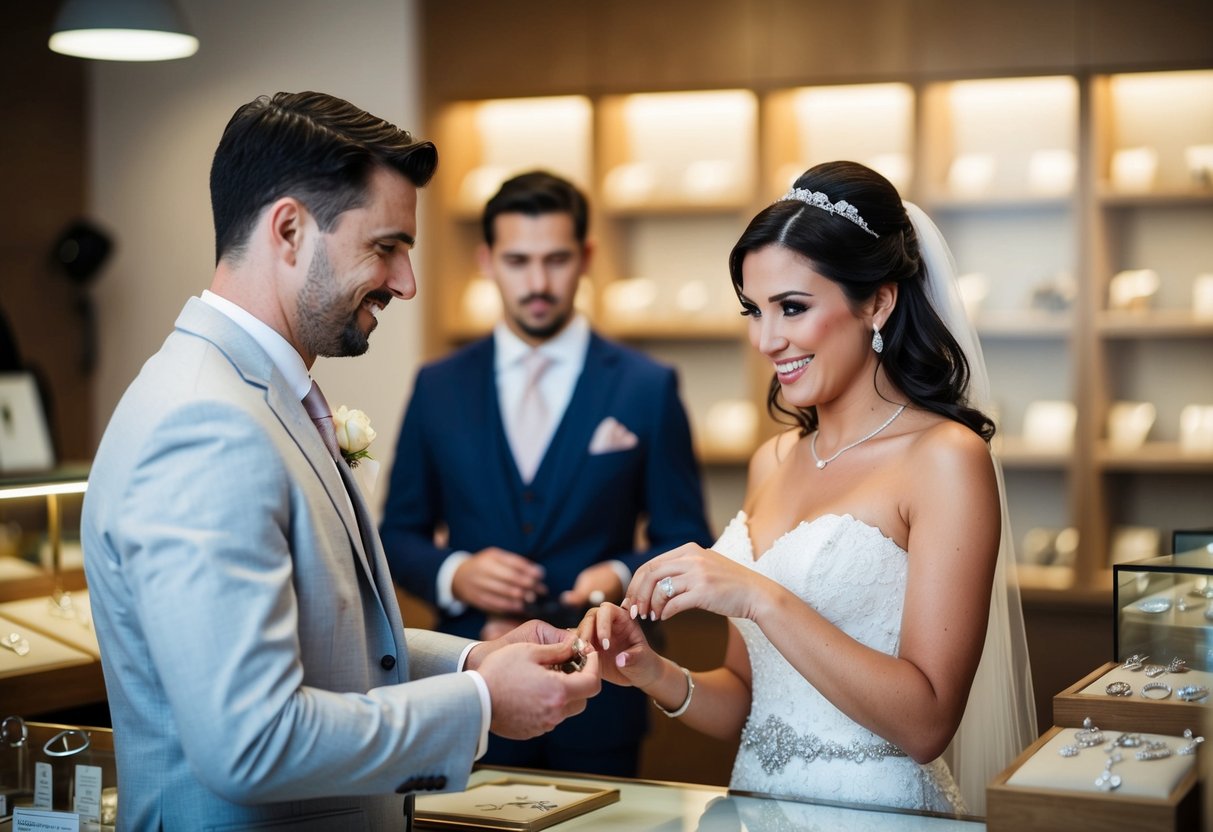
In today’s world, many couples approach this custom differently. Some modern couples choose to share the costs of their wedding rings, reflecting a partnership based on equality and mutual respect. This shift allows you to create a unique experience that fits your relationship and values.
Understanding these traditions can help you make decisions that feel right for you. Whether you stick with tradition or pave your own way, what matters most is the commitment you make to one another as you embark on this journey together.
Historical Perspectives on Wedding Ring Traditions
Wedding ring traditions have deep roots in history, often influenced by cultural beliefs and changing gender roles. Understanding the origin and evolution of these practices can provide insight into modern customs.
Tracing the Origin of Ring Exchange
The exchange of wedding rings can be traced back to ancient civilizations. Egyptians are often credited with initiating this practice around 3000 B.C. They believed a circular ring symbolized eternity, representing unending love.
In ancient Rome, rings were given as tokens of commitment. Initially, only the bride received a ring. As traditions evolved, it became customary for both partners to exchange rings during the wedding ceremony. This shift highlighted a mutual commitment rather than a one-sided promise.
Today, many couples embrace this tradition, seeing rings as powerful symbols of their love and partnership.
Evolution of Gender Roles in Marital Symbolism
Historically, gender roles shaped wedding traditions. In many cultures, men were viewed as providers while women were caretakers. This dynamic influenced who purchased wedding rings.
Traditionally, the groom would buy the bride’s ring as a sign of his ability to provide. Conversely, the bride often purchased the groom’s ring as a gesture of her commitment. This practice emphasized equality in marital bonds. As societal norms shifted, these gender roles have blurred.
Now, many couples choose to share the financial responsibility for rings. This modern approach reflects a partnership based on teamwork and mutual respect rather than strict adherence to past norms. Both partners now have a say in choosing rings that symbolize their unique relationship.
Modern Practices in Ring Selection and Purchase
You may find that modern wedding ring practices are quite different from traditional expectations. Today, couples are focusing more on personal style, financial planning, and emerging trends that reflect their unique relationship. Let’s explore these aspects in detail.
Emerging Trends Among Modern Couples
More modern couples are moving away from strict traditions. Many now prefer to involve both partners in the ring selection process. This change emphasizes equality and shared decision-making.
Couples often seek rings that reflect their personality. Some may choose matching bands, while others prefer unique styles. Custom designs are becoming increasingly popular, allowing couples to create rings that hold special meaning for them.
Social media, especially platforms like Instagram and Pinterest, plays a significant role in influencing ring trends. Couples often look to these platforms for inspiration, showcasing everything from vintage styles to modern minimalist designs.
Financial Planning for Wedding Rings
Budgeting for wedding rings is another important factor for today’s couples. Many understand that wedding expenses can add up quickly. Therefore, it’s essential to clearly outline your wedding budget early on.
Some couples opt to split the cost of their rings. This approach not only shares the financial burden but also promotes equality in the relationship. Others have special savings plans dedicated to purchasing rings, ensuring they can afford what they want without overspending.
Additionally, many now prioritize purchasing wedding bands together, which can help streamline processes and carve out more time for wedding ring shopping.
The Significance of Personal Style and Preferences
Your personal style plays a critical role in ring selection. Modern trends often encourage couples to choose rings that represent their identity.
For instance, if you love vintage aesthetics, you might select an antique-style ring. Material choices also reflect preferences—think about whether you prefer gold, platinum, or alternative metals.
Engagement rings can have different shapes and settings that match your style or lifestyle. It’s also common for couples to consider comfort and practicality. For instance, if you work with your hands often, a more durable or low-profile design could suit your needs better. This focus on individual preferences helps create rings that are not just beautiful but also a perfect fit for your life.
Roles and Responsibilities in the Purchase of Rings

When it comes to buying wedding rings, the roles and responsibilities can vary significantly. Understanding these nuances is important as they reflect values, love, and commitment in a partnership.
Traditions Versus Contemporary Equality
Traditionally, the bride often bought the groom’s wedding ring while the groom purchased both of the bride’s rings. This custom symbolizes love and commitment, showing that each partner is dedicated to the union. However, many modern couples embrace a more egalitarian approach.
Today, you may find couples openly discussing their preferences and working together to choose and purchase the rings. This shared responsibility promotes communication and strengthens the bond between partners. It allows you to align your values and ensure that both partners feel involved and respected.
A Discussion on Shared Financial Commitment
Addressing the financial aspect of buying rings is crucial.
Traditionally, the bride’s family might have helped cover wedding expenses, including the groom’s ring. In contemporary settings, couples often pool their resources for ring purchases. This shared financial commitment reflects teamwork and partnership.
Discussing budgets and preferences openly helps ensure that both partners feel comfortable. You might create a list of preferred styles and costs to make the process clearer and more enjoyable. Such dialogue fosters respect and understanding, essential in a loving partnership.
Customs and Adaptations Across Cultures
Different cultures have unique customs when it comes to who buys the wedding rings. In some cultures, family traditions dictate specific roles for the bride and groom during the ring-buying process.
These customs can vary greatly, highlighting the importance of cultural background in your decisions. You might explore different practices and consider incorporating elements that resonate with both you and your partner.
For example, some couples might choose to exchange rings during a private ceremony or celebrate with family and friends, adding a personal touch to the symbolism of the rings. Adapting customs to fit your relationship can deepen the significance of the rings and reinforce your love and commitment.
The Wedding Ceremony and the Significance of Rings

Rings play a crucial role in the wedding ceremony, symbolizing deeper meanings of unity and eternal love. Understanding their significance can help you appreciate the special moments during the exchange of rings.
Symbolic Representation of Unity and Eternity
During the wedding ceremony, rings serve as powerful symbols. They represent your commitment to each other, showcasing the bond you share.
Both the bride’s wedding ring and the groom’s wedding band are often circular. This shape symbolizes infinity, meaning your love has no end. You might find that the ring exchange is one of the most emotional parts of the ceremony. As you place the rings on each other’s fingers, it’s a moment filled with promise. This act demonstrates your intention to support and cherish one another for life. Remember, the rings are more than just jewelry; they signify an eternal bond between you.
The Logistics of a Double Ring Ceremony
Many wedding ceremonies have a double ring tradition. This means both you and your partner will exchange rings. It’s a lovely way to honor each other equally in your commitment.
Typically, the best man or maid of honor will hold the rings until the ceremony. As you exchange the rings, you might choose to say vows or meaningful words that resonate with your relationship.
The groom’s wedding ring is usually presented first, but you can personalize this order. Some couples opt for simultaneous exchanges, enhancing the shared experience.
A ring bearer can add a charming touch. It involves a young person carrying the rings down the aisle, often creating a heartwarming moment that guests cherish.