
Does a Bride Buy a Groom’s Ring? Understanding Modern Wedding Traditions
When planning a wedding, one question that often comes up is whether a bride should buy the groom’s ring. Traditionally, the groom has been responsible for purchasing his own wedding band, but this custom is evolving.
Many modern couples choose to share the costs or the responsibility of selecting each other’s rings.
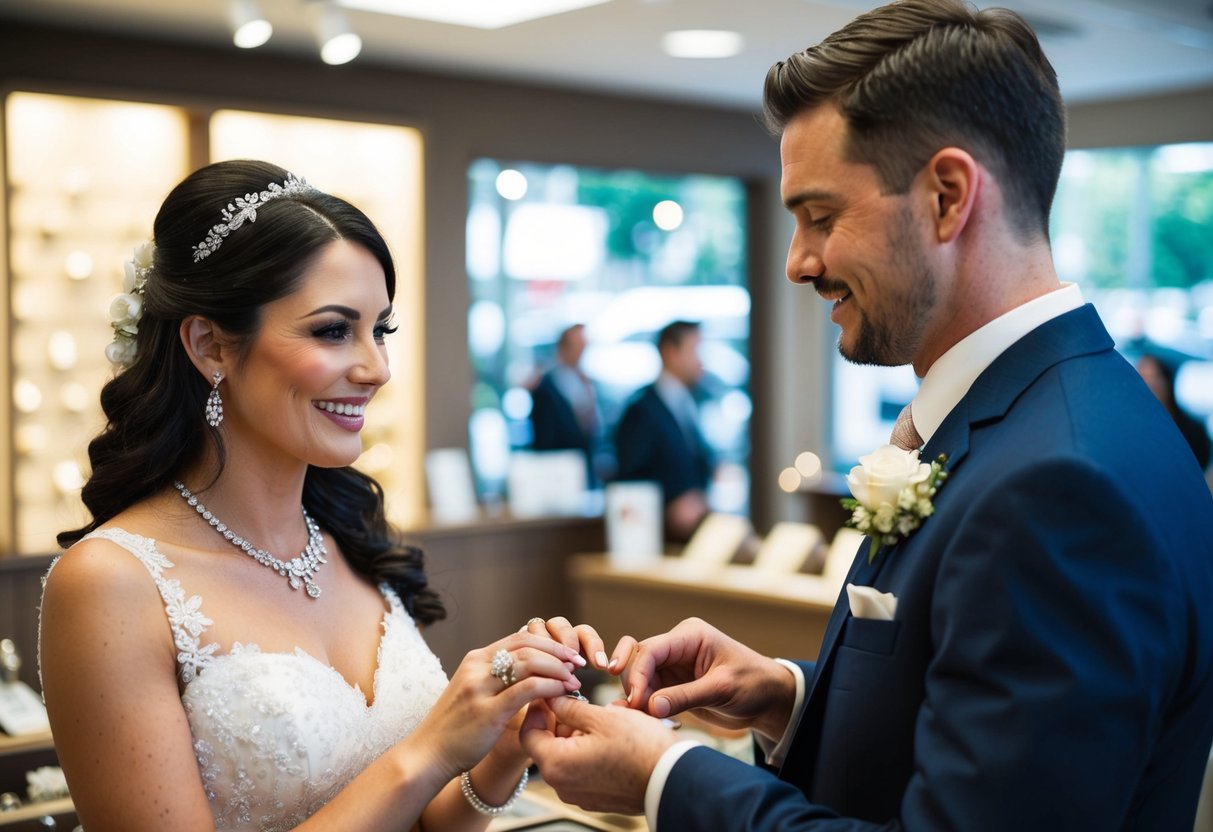
This shift reflects changing views on gender roles and relationships. Some brides opt to buy the groom’s ring as a meaningful gesture of love and commitment. Others may decide to split the expenses, making the purchase a joint experience that symbolizes their partnership in marriage.
As you explore this topic, consider the traditions that resonate with you and your partner. This decision should reflect your values and beliefs about marriage while also incorporating your personal style as a couple.
Understanding Wedding Ring Traditions
Wedding rings carry deep meaning and have been part of marriage traditions for centuries. You might wonder how these customs have evolved and differ across cultures. Let’s explore the historical context, cultural variations, and the impact of gender roles regarding who buys the rings.
Historical Context of Wedding Rings
Wedding rings have a long history, dating back to ancient Egypt. There, the circular shape symbolized eternity, making it a perfect representation of love.
In Roman times, the groom typically received a ring from his bride. Traditionally, it was common for brides to buy their groom’s ring as a promise of commitment.
In many cultures, this practice has evolved. While you may often see couples exchanging rings, the specifics of who buys them can vary.
Today, the decision can depend on personal preferences, finances, and family traditions.
Cultural Variations in Wedding Ring Exchange
Different cultures have unique traditions surrounding wedding rings. For instance, in some countries, both partners wear rings, while in others, only the bride does.
In Scandinavia, many couples follow the practice of exchanging rings before the wedding ceremony. Meanwhile, in India, the groom often wears a wedding band called a “kada” during the ceremony.
These variations highlight how cultural traditions shape the meaning and practice of wedding ring exchanges. Understanding these differences is essential for appreciating the significance behind your own choices in this tradition.
Gender Roles and Ring Buying
Gender roles have played a vital role in wedding ring buying practices. Traditionally, it was expected that the bride would purchase the groom’s ring. This custom celebrated the bride’s commitment and care.
In recent years, these roles have shifted. Many couples today choose to split the costs or buy rings together. Some brides even decide to forego the tradition and let the groom pick his ring.
This change reflects a more modern view of partnerships and love, where both partners have equal say in the process. Understanding these evolving gender roles can help you navigate these choices as you plan your wedding.
Financial Considerations and Responsibilities
When planning for wedding bands, understanding financial responsibilities is important. This includes deciding who buys the groom’s ring and how to budget effectively while navigating your financial situation as a couple. Let’s break down these points.
Deciding Who Buys the Groom’s Ring
Traditionally, the bride’s family covers most wedding costs, including the groom’s ring. However, this norm has changed over time.
Today, couples often share expenses to reflect their commitment to each other.
You may find it helpful to discuss this openly with your partner. Ask each other what feels fair based on your financial situation.
Many couples decide together to split costs equally, while others may stick to traditional roles. Ultimately, it should reflect the partnership that you are building.
Budgeting for Wedding Bands
Creating a budget for wedding bands is crucial. Start by discussing how much you both can spend without straining your finances.
Lists can help here. Write down the expenses that will go into the rings:
- Your budget for each ring
- Any additional costs for engraving or custom designs
- Future financial plans that may affect current spending
Being clear about your budget will help avoid misunderstandings later. Consider looking at various styles and materials to find something special that fits within your budget.
Navigating Financial Situation as a Couple
Your financial situation can greatly influence how you approach wedding expenses. Make time for honest discussions about money matters.
This includes understanding each other’s income, savings, and debts.
It’s essential to prioritize transparency. Decide if you will maintain separate accounts, combine them, or a mix of both.
Establishing shared responsibility for wedding costs fosters teamwork. By addressing finances together early on, you’ll set a strong foundation for your future together.
Personal Choices and Modern Trends
In today’s world, buying a groom’s ring often reflects personal choices and modern trends. Couples are now more likely to share the process and make decisions that reflect their unique partnership and individual styles.
Egalitarian Approach to Ring Selection
An egalitarian approach means that both partners take part in choosing wedding rings. This can involve deciding together who buys what or sharing the cost.
Many couples appreciate this balanced method, as it symbolizes equality in their relationship.
In this setup, both partners discuss their preferences openly. Whether it’s about styles, materials, or budget, having this conversation can eliminate pressure.
Couples might even shop for rings together, making the process more enjoyable and inclusive.
Incorporating Personal Style and Preferences
Modern couples want their rings to represent their personal styles and preferences. This can lead to custom designs that reflect individuality.
You might choose a classic band, while your partner prefers something more modern or even quirky.
Think about materials too—gold, silver, or alternative metals like titanium can make a big difference in comfort and look.
Incorporating gemstones or unique engravings is a way to add personal touches that tell your story.
Ring shopping becomes an exciting process of discovery rather than just a transaction.
Open Communication and Joint Decision-Making
Open communication is key when choosing wedding rings. Share your thoughts and feelings about what the rings mean to you.
Whether you have specific ideas in mind or are open to suggestions, talking openly can help you both feel confident in your choices.
Joint decision-making can also ease potential tensions. If you agree on a budget and style, it makes everything simpler.
Working together fosters teamwork and strengthens your partnership, making the ring selection a part of your shared journey.
The Wedding Ceremony and Symbolic Gestures
During a wedding ceremony, the exchange of rings is a key moment that symbolizes love and unity between you and your partner. This act is steeped in tradition and holds great significance, representing your eternal bond and commitment.
Significance of the Exchange of Rings
The exchange of rings is a profound ritual that reflects your love and dedication. When you place the ring on your partner’s finger, it signifies a promise to support and cherish one another forever.
Traditionally, the groom places the bride’s engagement ring first, followed by the exchange of wedding bands. Each ring serves as a reminder of the vows you make.
These rings represent not just your relationship but also the journey you will travel together.
This moment can be enhanced by customizing your rings. Choosing designs that reflect your unique personalities can make the ritual even more special.
The Role of Ring Bearer and Double Ring Ceremony
In many weddings, a ring bearer plays an important role. The ring bearer is often a young child who carries the wedding rings to the couple during the ceremony. Their presence adds a touch of innocence and joy to the event.
The double ring ceremony is also quite popular. In this tradition, both partners exchange rings, reinforcing the idea that your commitment is mutual. This gesture emphasizes equality in your relationship, highlighting that both of you are equally devoted.
These small yet meaningful elements contribute to the overall experience of your wedding ceremony, making it memorable for both you and your guests. Emphasizing the significance of these traditions can deepen the emotional connection you share with your partner and the guests present.