
Does a Bride Need a Second Dress? Exploring the Benefits and Options
Choosing whether to wear a second dress on your wedding day can feel like a big decision. Many brides find a second dress a fun way to create a fresh look for the reception. It also allows you to move more comfortably throughout the celebration. It’s not just about style; it can also make your special day easier and more enjoyable.
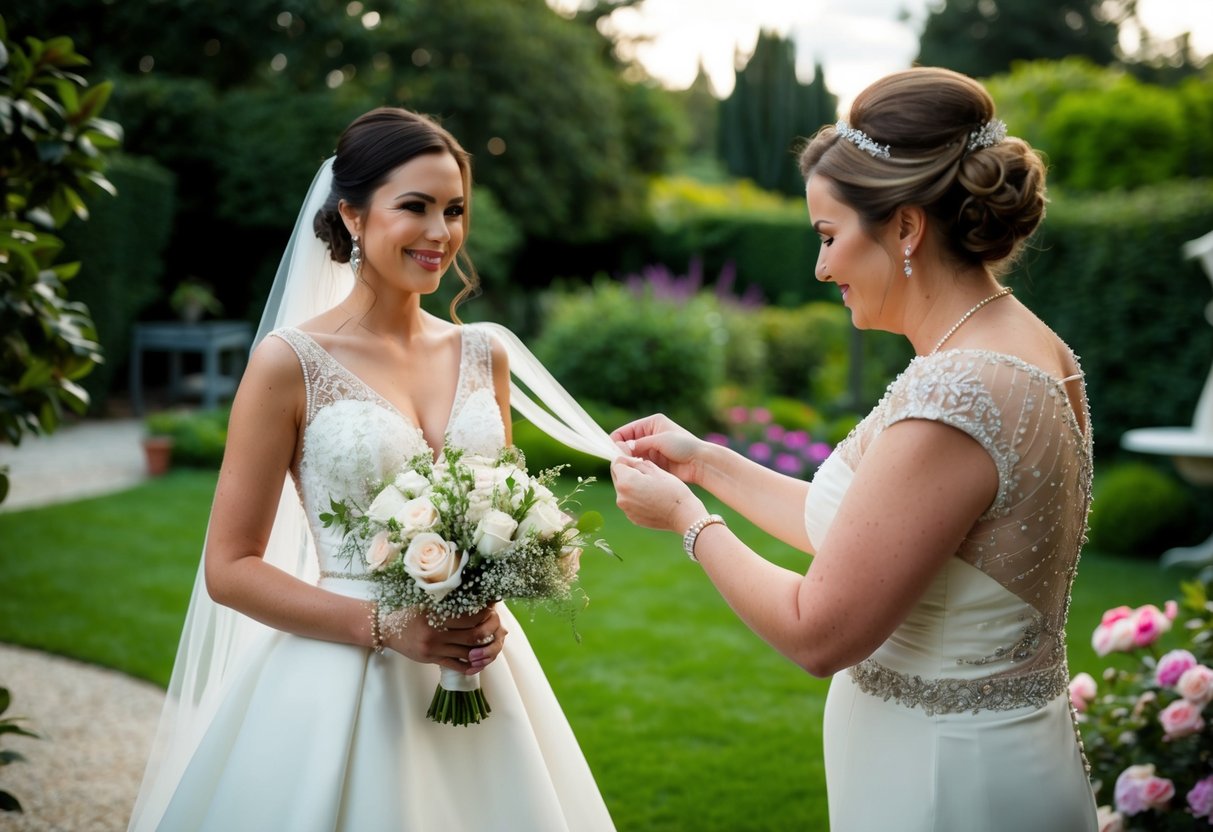
If you find yourself wondering if a second look is right for you, consider your personal style and the kind of wedding you want. Some brides love the idea of switching things up after the ceremony, while others prefer to keep their original wedding dress throughout the day. With a variety of options available, the choice is yours to make.
Think about what makes you feel beautiful and confident as you celebrate your love. Whether you decide on a stunning reception dress or stick with your wedding gown, the most important thing is that you feel your best on your special day.
The Tradition and Modern Expectations of Wedding Attire
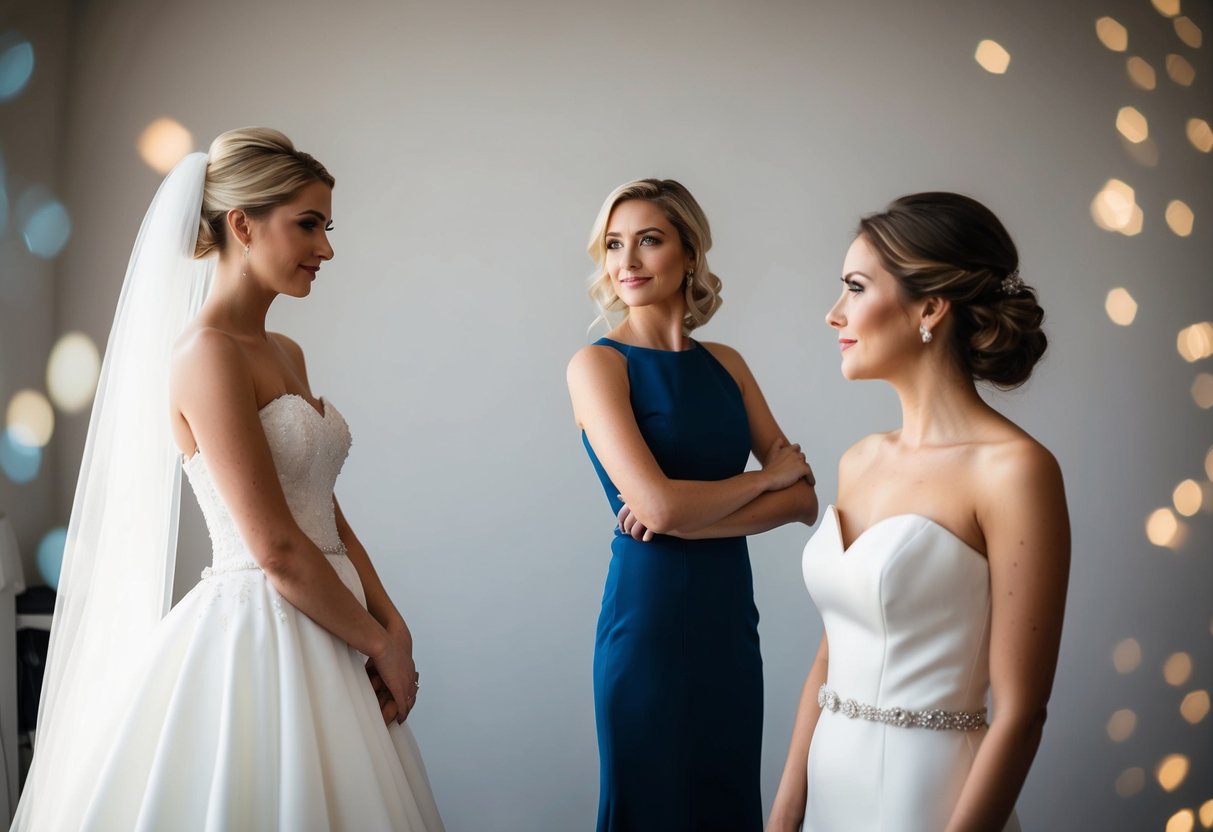
Wedding attire has a rich history and is shaped by various cultural traditions. While many brides stick to customs, modern expectations allow for greater flexibility, including the option of a second dress. This shift reflects both personal style and the desire to embrace multiple outfits on your special day.
Cultural Significance of a Wedding Dress
Traditionally, a wedding dress symbolizes purity and commitment. For many cultures, it is the centerpiece of the wedding day. Brides often wear white, as popularized by Queen Victoria in the 19th century. This choice has been a lasting tradition, representing a new beginning.
In other cultures, colors like red or gold convey celebration and love. The style of the dress can also reflect cultural heritage. Engaging with these traditions adds a meaningful touch to your wedding and honors your background.
Shift Towards Multiple Outfits
In recent years, many brides are choosing to wear a second dress. This trend combines practicality with personal expression. A second dress can offer more comfort for dancing or a different aesthetic for the reception.
You might opt for something less formal or more playful, moving away from the traditional long gown. Many brides find joy in selecting outfits that suit different parts of the celebration. This shift allows you to showcase your unique style while still honoring traditional expectations.
Planning Your Wedding Day Looks
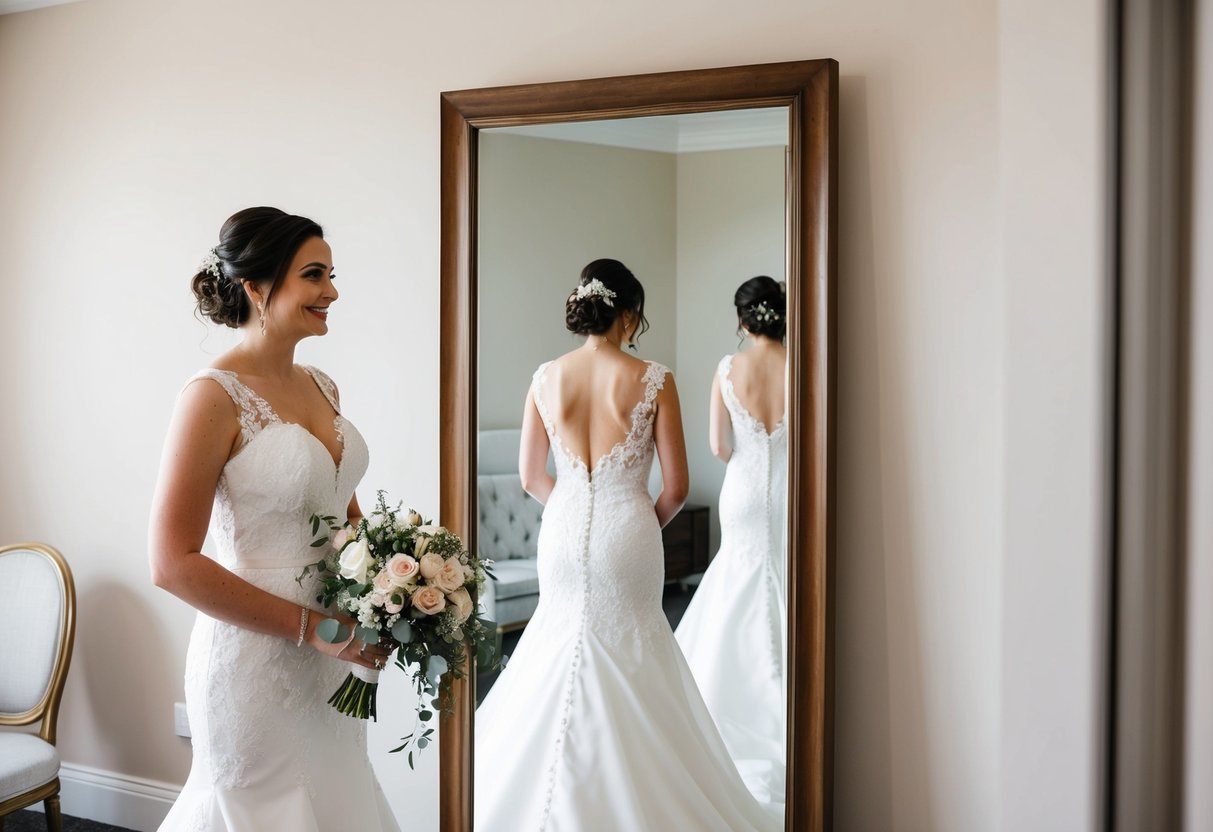
Creating the perfect wedding day looks involves thoughtful planning and consideration. From choosing your main gown to deciding if you want a second outfit for the reception, every detail matters.
You’ll want to ensure your choices reflect your style and fit the overall vibe of the day.
Selecting the Perfect Main Gown
Choosing your main gown is one of the most exciting parts of wedding planning. You will want a dress that makes you feel beautiful and confident. Think about styles that flatter your body shape. Do you prefer a classic ball gown, a sleek sheath, or something more modern?
Don’t forget to consider the ceremony venue and season. Lighter fabrics work well for summer weddings, while richer materials suit winter. When dress shopping, try on various styles to find what you love most. Remember, your main gown sets the tone for your wedding day.
Considering a Second Dress for the Reception
A second dress can add fun to your wedding day. Many brides choose a reception dress for comfort and style. After the ceremony, you may want something easier to move in, especially for dancing.
When selecting this outfit, think about your reception’s mood. A shorter dress or a fun jumpsuit can work well for a lively party. Some brides choose to surprise their guests with a dramatic change. Plan ahead to ensure you have time to change without feeling rushed.
Coordinating with the Wedding Theme and Location
Your wedding theme and location should influence your dress choices. Make sure your looks connect with your overall decor and setting.
For example, a beach wedding may call for lighter fabrics and flowing designs, while a formal venue can handle more elegant styles.
Consider colors that match your theme. Pastel colors work beautifully for spring, while deep hues fit autumn weddings. Each choice should reflect your personality and the ambiance of the celebration. When all elements blend together, it creates a cohesive and memorable day.
Transitioning Between Ceremonial and Reception Attire
Changing outfits between the ceremony and reception can greatly enhance your comfort and enjoyment during your wedding day. A smooth transition also allows you to embrace a new style that suits the festive atmosphere of the reception.
The Practical Advantages of an Outfit Change
A wardrobe change can be both fun and practical. One main advantage is comfort. Ceremony dresses are often elaborate and can restrict movement, making dancing difficult. Switching to a reception dress, which is generally lighter and more flexible, allows you to move freely.
You might also consider wearing different shoes. Opting for stylish flats or more comfortable heels can help you enjoy the night without sore feet.
Additionally, having a convertible dress gives you the option to change your look without fully swapping outfits, offering both variety and ease.
Tips for a Smooth Wardrobe Switch
To ensure your outfit change goes off without a hitch, plan ahead. Set a specific time for your wardrobe change, ideally right after the ceremony and photos. This helps keep your timeline intact.
Select a location where you can change privately but still be close to your guests. It’s also helpful to have a few items handy, like your reception dress, shoes, and any accessories.
Consider asking a trusted friend or family member to assist you, making the switch quick and easy.
Accessorizing Your Wedding Day Outfits
Choosing the right accessories for your wedding day outfits can enhance your overall look and bring everything together. This includes selecting shoes and jewelry, coordinating with your bridesmaids, and planning hair and makeup changes for each outfit.
Selecting Shoes and Jewelry for Each Look
Your choice of shoes and jewelry can set the tone for each of your outfits. Think about the style and comfort of the shoes. If you plan to change between a formal gown and a shorter dress, opt for versatile shoes that match both.
For jewelry, consider layering pieces. A pair of statement earrings can work well for one look, while a simple necklace might suit another.
Don’t forget to coordinate your accessories to keep everything in harmony. Bold colors or metallics can add a touch of elegance, especially in wedding photos.
Bridesmaid Dress and Bridal Party Coordination
Your bridal party should complement your look. Discuss with your bridesmaids how their dresses and accessories can align with both your style and the theme of the day.
Choosing a color palette helps create a cohesive look among the bridal party.
Bridesmaid accessories can vary, allowing for personal touches while still enhancing the overall aesthetic. Simple earrings or matching shoes are great options. You might choose a single style for your bridal party to create uniformity in photos, while allowing minor variations to show individual style.
Hair and Makeup Adaptations for Different Outfits
Hair and makeup play significant roles in how you present yourself in different outfits.
Consider making changes between looks to highlight your features and enhance each outfit.
For example, a longer gown can shine with a formal updo, while a shorter dress might suit loose waves.
Don’t hesitate to refresh your makeup. A bold lip might fit one outfit, while a natural look could work better with another.
Communicate with your stylist about how to adapt your look for those special wedding photos.