
Does a Celebrant Believe in God? Exploring Their Perspectives on Faith
When exploring the role of a celebrant, you may wonder about their beliefs and connection to God. Many celebrants are indeed people of faith, but not all share the same beliefs about God or religion. This diversity reflects the variety of ceremonies they conduct, from religious weddings to secular funerals.

Your understanding of a celebrant’s beliefs can enhance your appreciation for the ceremonies they perform.
While some celebrants are Christians who embrace traditional faith, others may identify as atheists or follow different spiritual paths. Regardless of their personal beliefs, they focus on creating meaningful moments for you and your loved ones during important life events.
As you continue reading, you will discover how these beliefs impact their work and the significance they bring to various celebrations, showing that the core of their role is about honoring your values and wishes.
The Role and Beliefs of a Celebrant
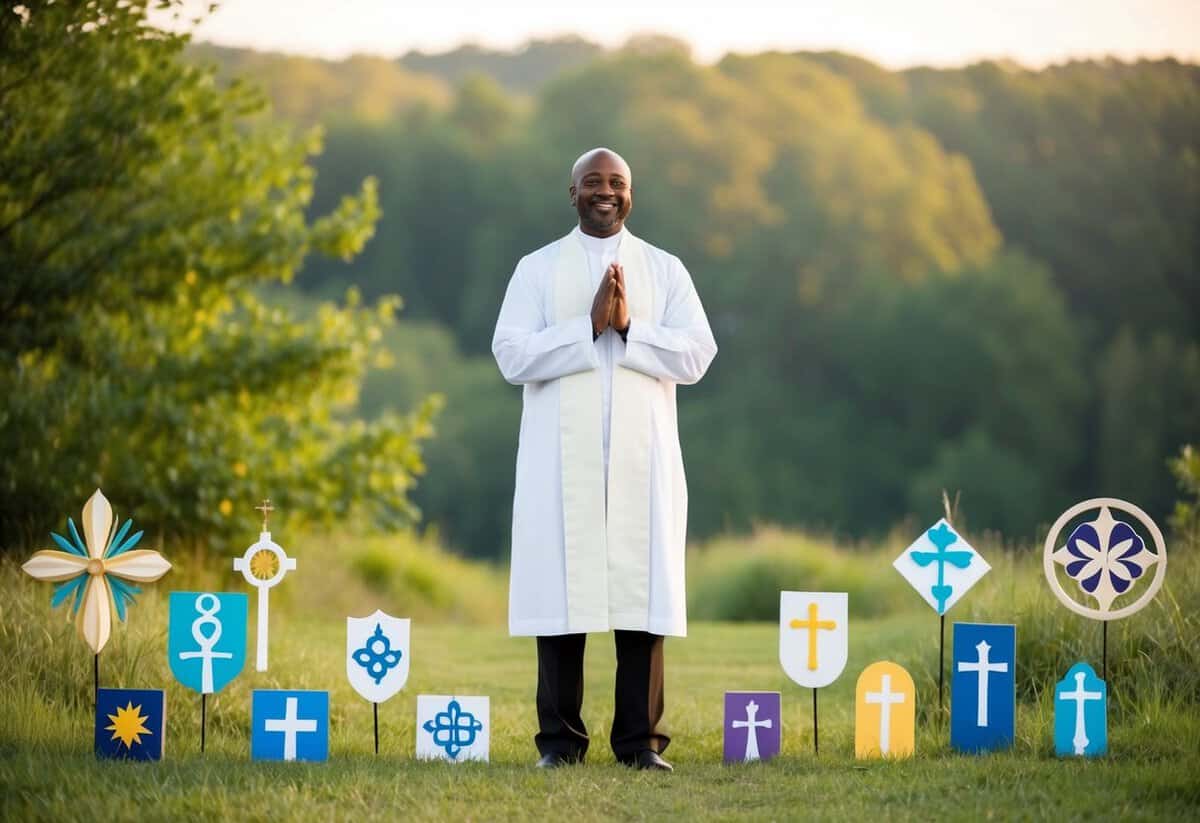
Celebrants play a unique role in various ceremonies, often blending personal beliefs with professional duties. Their work can reflect a range of spiritual perspectives, even if they don’t follow traditional religious paths.
Defining a Celebrant’s Purpose
A celebrant is an individual who leads ceremonies such as weddings, funerals, and other significant events. Their main goal is to create meaningful experiences that honor the life, beliefs, and values of those involved.
In their role, celebrants might incorporate elements from various traditions, including prayer or symbolic acts that resonate with the participants.
For example, during a wedding, a celebrant can weave in personal stories and create a script that reflects the couple’s journey. In a funeral service, they may gather memories to craft a tribute that celebrates the deceased’s life. In this way, celebrants ensure that each ceremony feels personal and tailored to the individuals involved.
Diversity of Beliefs Among Celebrants
The beliefs of celebrants can vary widely. Some celebrants may hold traditional religious views, while others embrace a more secular or eclectic approach. This diversity allows them to cater to a broad audience.
For instance, a celebrant may include elements of baptism or sacrament if the family requests it. Alternatively, they may choose to stay away from specific religious practices to accommodate those with different beliefs.
Celebrants often respect the importance of rituals while being open to various expressions of faith. This flexibility is vital, especially when honoring different cultural backgrounds or personal beliefs.
The Interface of Personal Belief and Professional Duty
As a celebrant, maintaining balance between personal beliefs and professional responsibilities is key. Your own views may shape how you conduct a service, but your priority is always to honor the wishes of those you serve.
While some celebrants might find comfort in prayer, others may not feel comfortable with traditional spiritual practices. This does not diminish their ability to create a meaningful and respectful ceremony. They focus on the essence of the occasion, ensuring it aligns with participants’ values.
In working with families or individuals, celebrants often consult on what aspects of the service are important. This dialogue helps integrate personal beliefs, creating a harmonious blend of professional duty and individual expression.
Ceremonies and Rituals
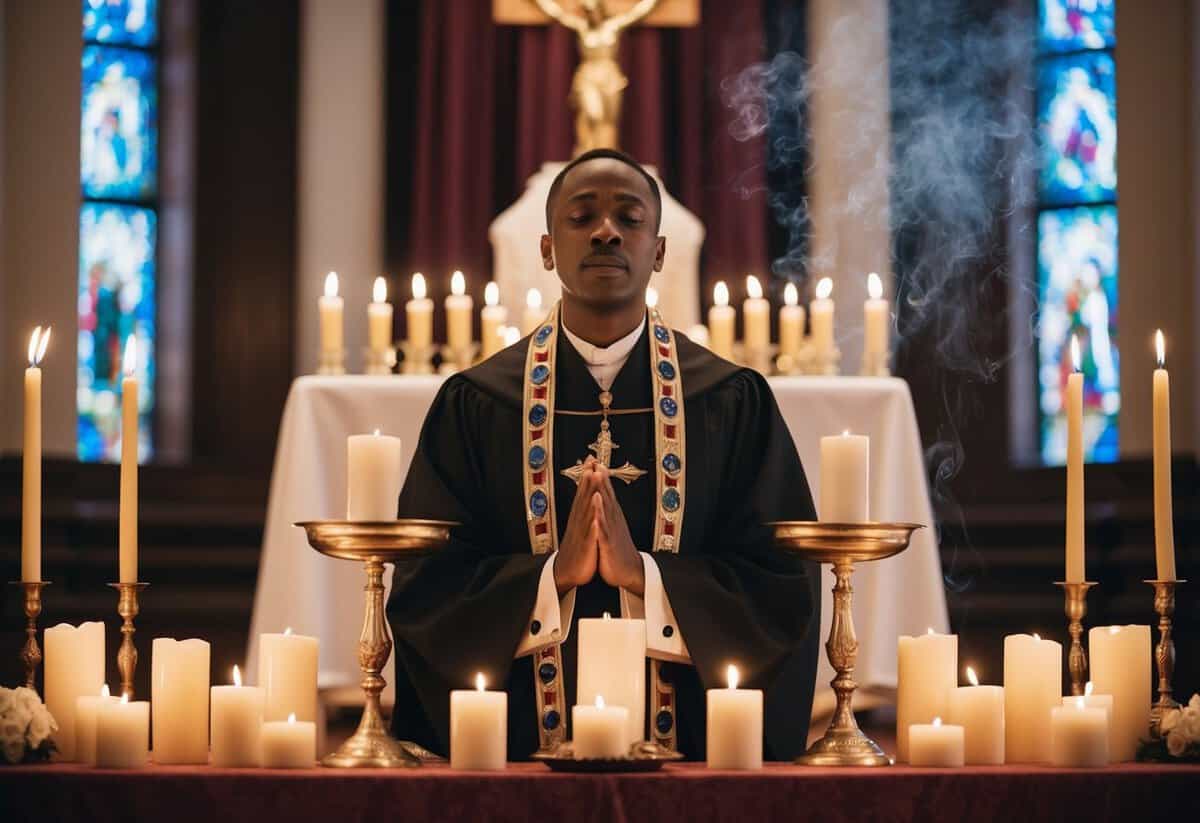
Ceremonies and rituals hold deep meaning within religious traditions. They are ways to express faith and community beliefs. You will see how celebrations like baptism, marriage, and funerals reflect both the celebrant’s faith and the beliefs of the congregation.
Baptism and the Celebrant’s Faith
Baptism is a key ritual in many Christian traditions. It symbolizes a person’s entry into the faith and the community. During this ceremony, the celebrant performs the sacrament of baptism. They often make the sign of the cross on the forehead of the person being baptized. This act represents purification and acceptance into the faith.
As a celebrant, believing in God plays a big role during baptism. They guide the congregation in prayers and hymns, emphasizing the importance of the new believer’s commitment. Godparents may also be chosen, reflecting a support system for the baptized individual. This establishes a deep connection between faith, community, and personal growth.
Marriage Ceremonies and Beliefs
Marriage ceremonies are significant and joyous events. A celebrant leads the couple through the liturgy, which includes readings, prayers, and vows.
The celebrant’s belief in God can greatly influence how the ceremony unfolds. You might notice they focus on the spiritual side of marriage and include biblical references.
During the ceremony, the celebrant might encourage couples to view their union as a sacred bond. They may share a homily that outlines the meaning of love, commitment, and faithfulness. By doing this, they enhance the understanding of the couple’s vows in a religious context, making the ceremony a meaningful experience for all attending.
The Significance of Funerals and Celebrants’ Convictions
Funerals are times for reflection and closure. The celebrant plays a critical role in guiding the congregation through this mourning process.
They offer words of comfort and hope, often discussing the belief in eternal life. During the service, the celebrant may lead prayers and rituals that honor the deceased. This can include readings from scripture and special blessings.
The celebrant’s faith in God helps provide reassurance to the grieving family. They may also connect shared memories with the larger message of faith. Each aspect of the service aims to celebrate the person’s life while also recognizing the pain of loss.
Expressions of Faith in Liturgical Activities
In liturgical activities, expressions of faith play a vital role. You can see how believers connect with God through the rituals and prayers that shape their worship experiences.
Liturgy of the Word and Its Relationship with Faith
During the Liturgy of the Word, scriptures become a source of inspiration and guidance. This part of the service includes readings from the Bible, psalms, and hymns that resonate with the faithful.
When the readings are shared, you can reflect on the grace and wisdom of the Word. Each passage highlights important aspects of faith, such as the resurrection and the role of the Holy Spirit in everyday life.
The readings encourage believers to grow in their relationship with God. This helps strengthen your faith and fosters a sense of community among congregants. By participating, you actively engage with the message and deepen your understanding of God’s presence.
Holy Communion and the Presence of Faith
For many people, Holy Communion is a profound expression of faith. This sacrament is not just about sharing bread and wine. It also symbolizes a deep connection with the Father, Son, and Holy Spirit.
When you take part in the Eucharist, you acknowledge the sacrifice of Jesus Christ. It serves as a reminder of His resurrection and the promise of eternal life. This act helps to reinforce your beliefs and unites you with the communion of saints.
During Communion, you often recite prayers. These prayers invite grace and reflection. You are reminded of the importance of faith in your spiritual journey. This moment of sharing strengthens your bond with God and the church community, reminding you that faith is a living experience.