
Does a Celebrant Have to Be Religious? Exploring Personal Choices in Ceremonies
When planning a ceremony, you might wonder about the role of a celebrant. A celebrant does not have to be religious. They can create non-religious ceremonies tailored to your beliefs and values. This flexibility allows you to have a meaningful event that reflects who you are, whether that includes spiritual elements or not.

Many people seek celebrants for weddings, funerals, and other life events because they can personalize the ceremony. Whether you’re looking for a humanist approach or a blend of various traditions, celebrants can accommodate your needs. You can enjoy a unique experience without the constraints of religious practices.
If you want a ceremony that feels authentic to you, it’s important to know your options. The choice of a celebrant can transform any occasion into a memorable celebration of life, love, and togetherness.
Understanding the Role of Celebrants
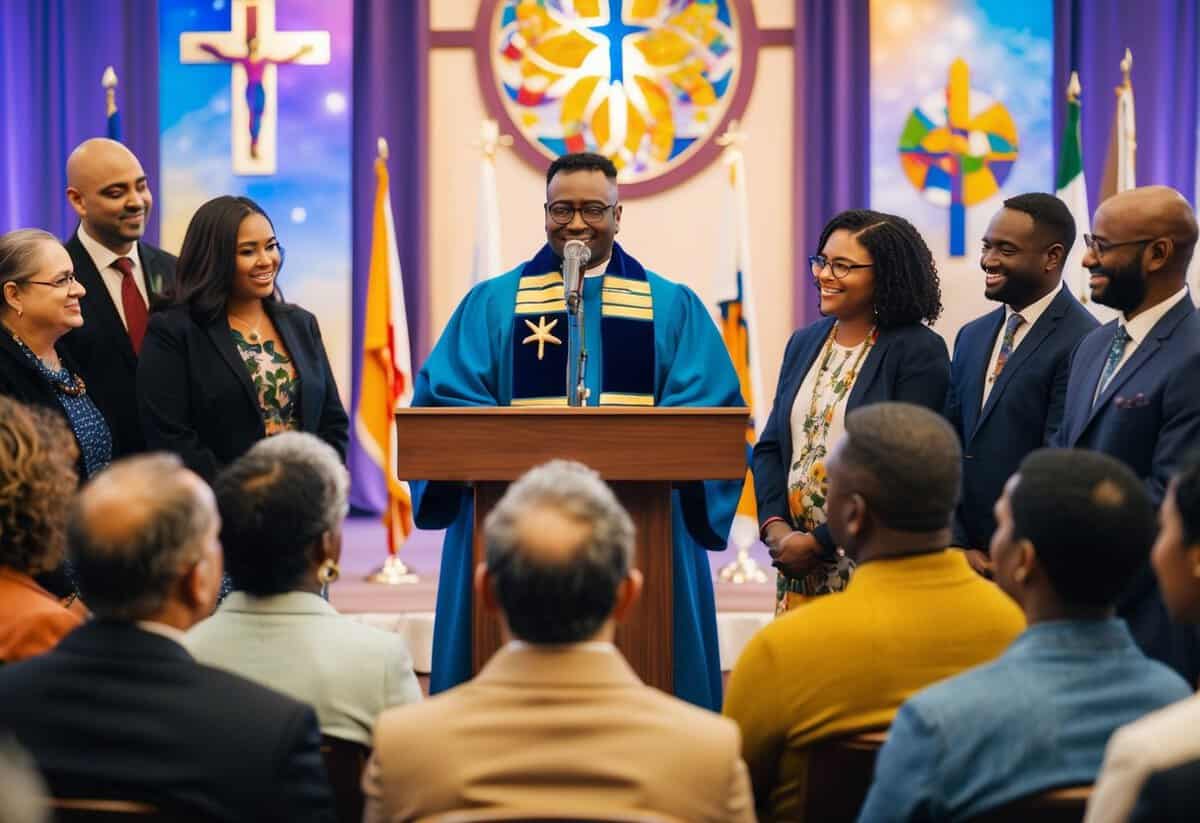
Celebrants play a special role in various life ceremonies. They can create personal and meaningful rituals tailored to individual needs. Different types of celebrants specialize in diverse ceremonies, from weddings to funerals.
Types of Celebrants
There are various types of celebrants, each with unique focuses. Humanist celebrants prioritize non-religious perspectives and celebrate life events based on personal beliefs. Independent celebrants offer flexible options and cater to diverse ideas, allowing for unique personal touches.
Funeral celebrants focus on honoring lives and grieving families, creating meaningful goodbye ceremonies. In contrast, wedding celebrants tailor joyful celebrations that reflect the couple’s values and love story. Each type can guide you in creating the perfect ceremony for your needs.
The Scope of Celebrant-Led Ceremonies
Celebrant-led ceremonies cover a wide range of events. You might choose a wedding celebrant for a personalized wedding or a marriage celebrant for vow renewals. The beauty of celebrant-led events is their flexibility.
Civil celebrants typically officiate non-religious events, ensuring that rituals align with your wishes without religious constraints. From joyous weddings to heartfelt funerals, celebrants are skilled in crafting ceremonies that resonate with attendees. This ensures that every ceremony captures the essence of the occasion and the individuals involved.
Celebrant Ceremonies Described
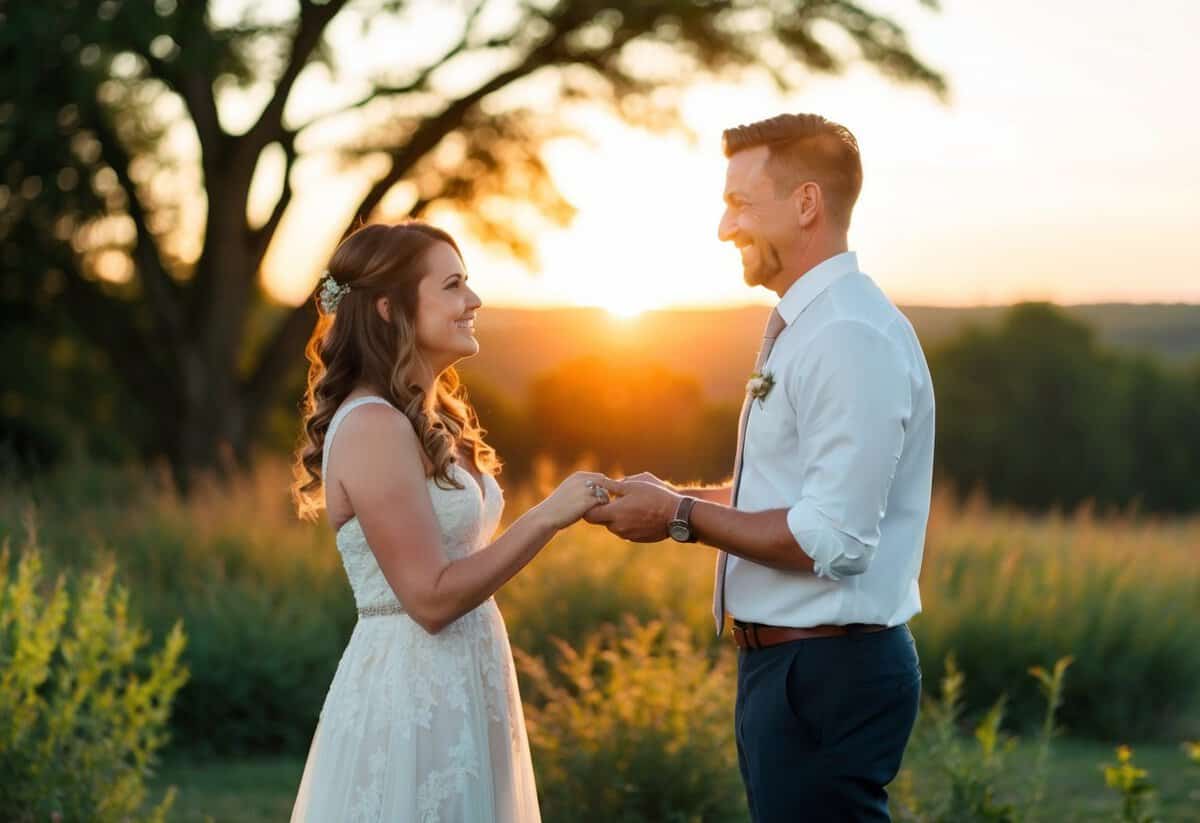
Celebrant ceremonies are personal and tailored to your specific needs. They offer a range of options for different life events. This includes weddings, funerals, and other celebrations significant to you.
Wedding Ceremonies
A wedding ceremony led by a celebrant can be both beautiful and unique. You have the freedom to choose a setting that reflects your style, whether it’s a beach, garden, or a cozy venue.
Your ceremony script can include personalized vows, readings, and rituals that hold meaning for you both. Celebrants work closely with you to create a ceremony that tells your love story. This flexibility distinguishes civil weddings from traditional religious ceremonies.
Whether you want a simple civil ceremony or an elaborate event, a celebrant can help. Couples often appreciate the custom nature of the service, which can include special elements like sand ceremonies or unity candles.
Funeral Services
For funeral services, celebrants help you honor your loved one’s life in a meaningful way. You can choose a celebration of life that reflects their personality, values, and the impact they had on others.
A humanist funeral celebrant focuses on the individual’s life, sharing heartfelt stories and memories. They work with you to design a tribute that showcases your loved one’s essence. This can include music, poetry, or special traditions that were important to them.
Civil funeral celebrants provide a respectful service that doesn’t require religious elements. The focus is on celebrating the life lived rather than following specific religious practices. This creates a comforting environment for family and friends to remember the departed.
Other Life Celebrations
Celebrants also perform various other life celebrations. These can include naming ceremonies, milestone birthdays, or memorial services. Such events allow you to commemorate significant moments in your life or your loved ones’.
Unique ceremonies differ widely in style and content. For instance, a naming ceremony may include family blessings and special readings that signify the child’s place in the family and community.
You can embrace creativity when planning these ceremonies. Whether you want elements of nature or cultural traditions, a celebrant will work with you to ensure your vision comes to life. This way, everyone involved can feel connected and honored during the celebration.
The Non-Religious and Inclusive Aspect of Celebrancy
Celebrants can offer a variety of services that cater to different beliefs and values. Many people seek ceremonies that reflect their personal beliefs without religious constraints. This section discusses the roles of humanist celebrants and the inclusion of spirituality and personal beliefs in celebrant-led ceremonies.
Humanist Celebrants and Secular Services
Humanist celebrants specialize in creating non-religious ceremonies. They focus on the couple’s story, values, and personal input. This makes them perfect for those wanting a unique event without religious elements.
Humanist weddings emphasize love and commitment while using secular language. These celebrants work closely with you to ensure your ceremony feels personal and meaningful. They are trained to facilitate respectful and heartfelt ceremonies that represent your journey together.
You won’t find any clergy or religious practices here. Instead, the focus is entirely on what matters to you. Independent celebrants can also offer similar services, allowing you to choose someone who aligns with your beliefs.
The Role of Spirituality and Personal Beliefs
While many celebrants are non-religious, they can still embrace elements of spirituality. Spirituality varies greatly among individuals, and you might wish to include aspects that resonate with you personally.
Celebrant-led ceremonies can incorporate symbols, readings, or rituals that hold personal significance. For example, you might wish to include a candle lighting ceremony or a moment of reflection. These touches allow for connection with your spiritual side without enforcing a specific religion.
Many independent celebrants are open to discussing various beliefs, helping you find a balance that feels right. This inclusive approach means that everyone, regardless of their religious background, can participate in a ceremony that honors their identity while celebrating love.
Selecting the Right Celebrant for Your Ceremony
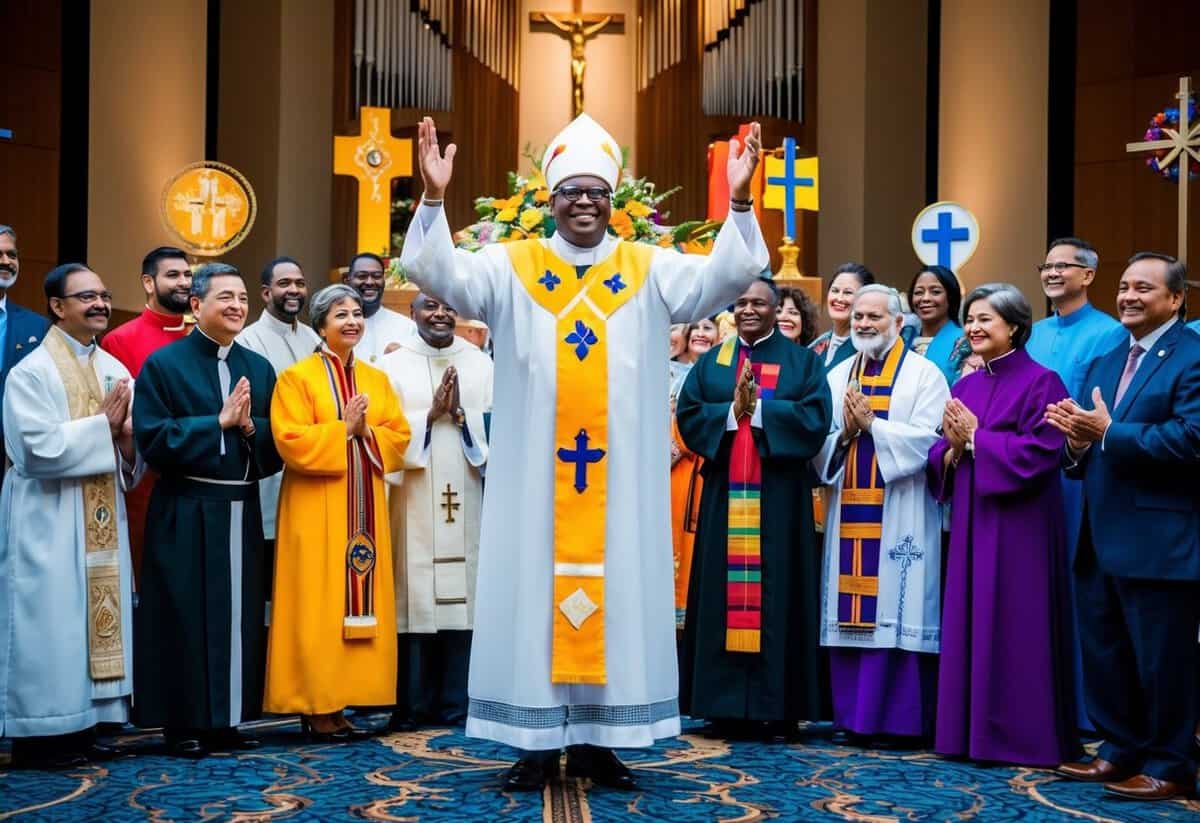
Choosing the right celebrant is key to ensuring your ceremony reflects your values and style. Whether it’s a wedding, a funeral, or another significant event, it’s essential to consider specific aspects to find the celebrant who will meet your needs.
Considerations for Choosing a Celebrant
When selecting a celebrant, start by defining the tone of your ceremony. Do you prefer a formal, traditional approach or something more relaxed and personal? This can greatly influence your choice.
Next, think about the celebrant’s experience. For weddings, look for someone recognized as a skilled wedding officiant who can create an engaging atmosphere. For funerals, seek a funeral celebrant who can provide comfort and support during a challenging time.
Also, check if the celebrant aligns with your beliefs. If you want a clergy member, ensure they fit your religious views. If you prefer someone secular, like a civil celebrant or a humanist celebrant, communicate this clearly.
Finally, schedule interviews with potential celebrants. This meeting allows you to gauge their style and see if you feel comfortable with them guiding your ceremony.
How to Find a Funeral Celebrant
Finding a suitable funeral celebrant can feel daunting, but it’s a vital step for honoring a loved one.
Start by asking friends or family for recommendations. Personal experiences can guide you to the right person.
You can also search online for local celebrants. Websites often provide reviews and insight into their services.
Create a shortlist of candidates and contact them to discuss their approach and fees.
When speaking to potential funeral celebrants, ensure they understand your needs. Ask about their experience with similar ceremonies.
Make sure you choose someone who can tailor the service to reflect the personality and beliefs of your loved one.
Don’t hesitate to reach out to multiple celebrants before making your decision. Taking your time can lead to a more meaningful and memorable ceremony for everyone involved.