
Does a Groom Walk Down the Aisle Alone? Exploring This Modern Wedding Tradition
On your wedding day, you may wonder about the tradition of how the groom walks down the aisle. Traditionally, many grooms do walk down the aisle alone, symbolizing confidence and anticipation for the ceremony ahead. However, there’s flexibility in this practice. Your choice can reflect your personality and what feels right for you.
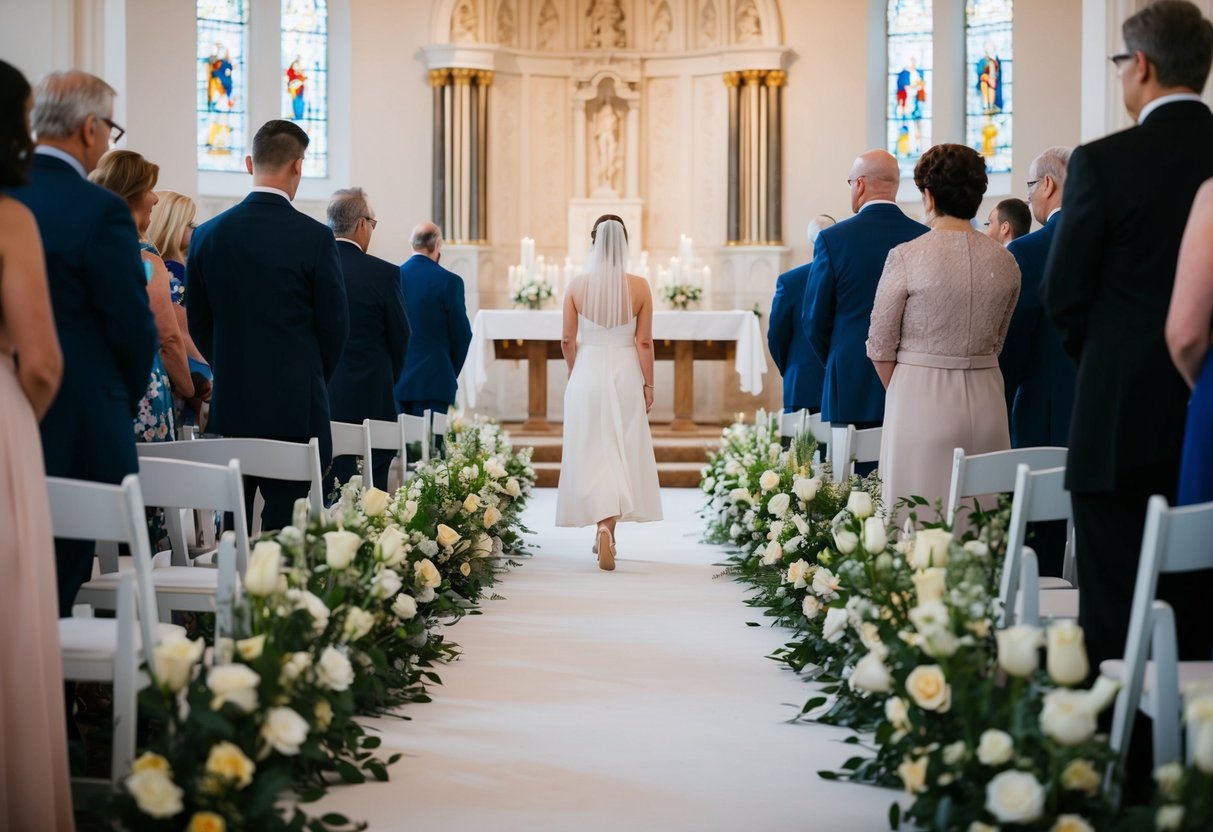
Some grooms prefer to walk solo, but others may want to include parents or close family members for support. This moment can be meaningful, allowing you to share it with loved ones. Considering your own values and the type of wedding ceremony you envision may guide your decision.
Whether you choose to walk down alone or with someone special, make sure it aligns with your feelings about the day. Your wedding day is all about you, and it’s important to create a moment that feels authentic and memorable.
The Role of Tradition in Wedding Ceremonies
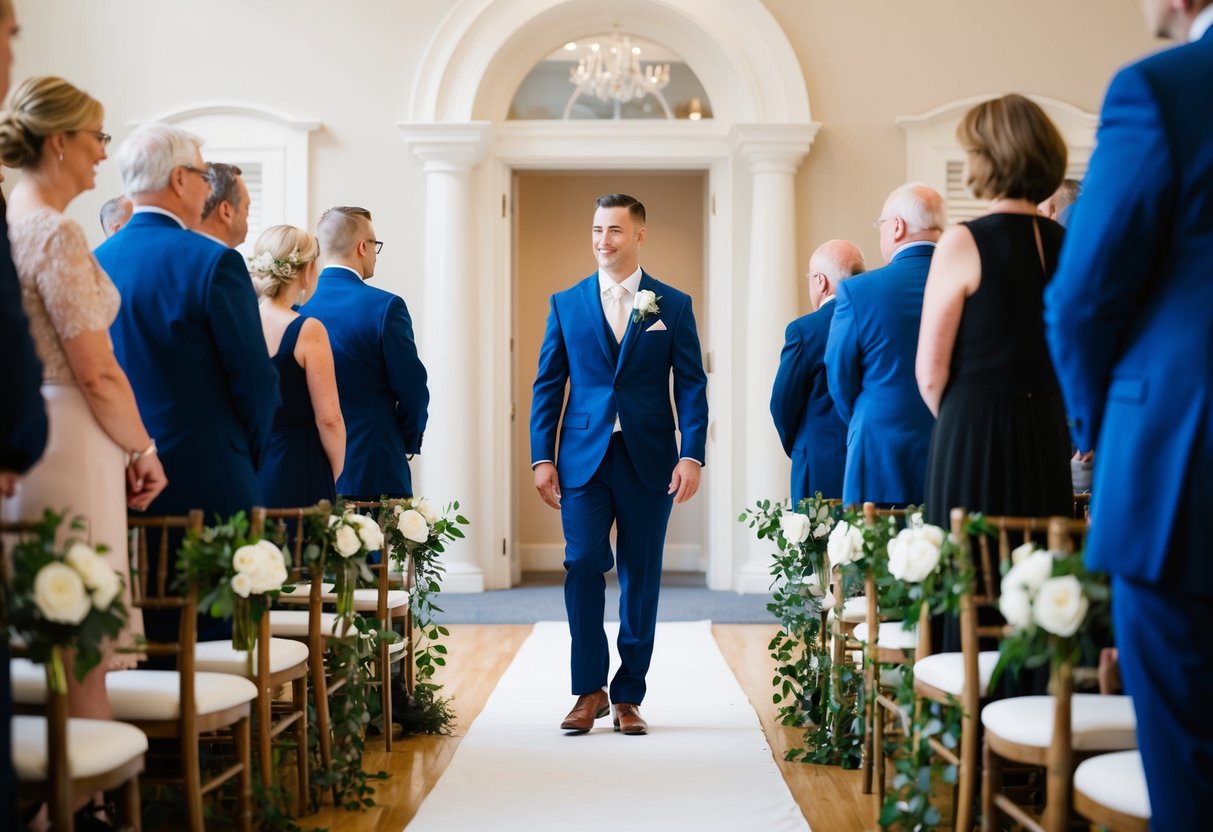
Tradition plays a crucial role in wedding ceremonies around the world. It shapes how ceremonies are conducted and influences the choices couples make, including who walks down the aisle.
Cultural Significance of the Processional
The wedding processional is vital in many cultures. For example, in a Jewish wedding, the groom often walks down with his parents, symbolizing family unity and support. In Christian weddings, the focus is frequently on the bridesmaids and the bride herself, with the groom waiting at the altar.
In Hindu weddings, the groom’s entrance is often a grand event, marked by music and celebration. Each culture has its own customs surrounding the processional, reflecting values and beliefs. By understanding these traditions, you can appreciate the deeper meanings behind the actions in your ceremony.
Modern Interpretations of Traditional Roles
While traditions provide a foundation, modern couples often adapt them to fit their values. You might choose to have the groom walk down the aisle alone, which can represent independence or a personal statement.
In Catholic weddings, the tradition of the groom waiting at the altar remains common, though some couples may personalize this moment. In Hindu weddings, couples may incorporate modern elements alongside traditional customs, blending both to create a unique experience.
These adaptations highlight how you can honor the past while making the ceremony your own, reflecting your relationship and beliefs.
Participants in the Wedding Processional
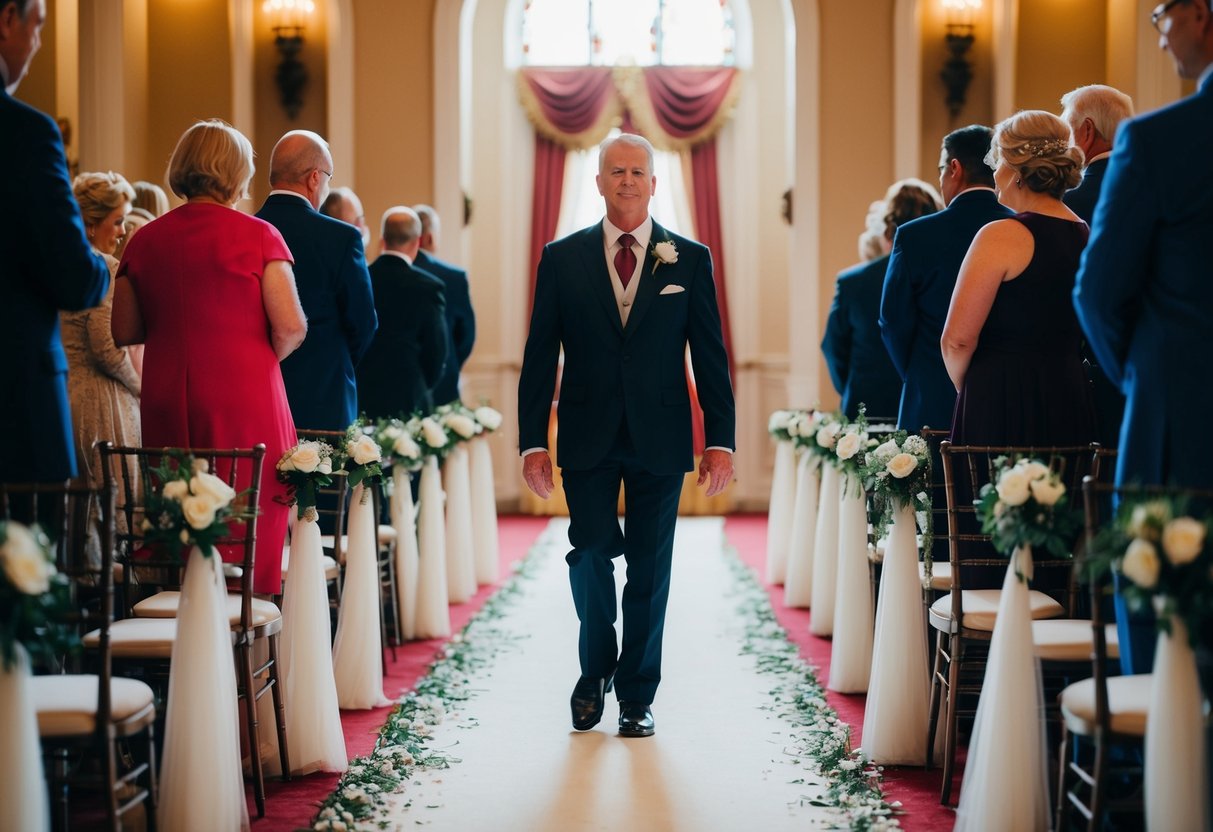
The wedding processional includes a variety of participants who play special roles. Understanding who walks down the aisle and in what order can help you plan your ceremony effectively. Here’s how the wedding party is typically organized.
Order and Partnering of the Wedding Party Members
In most ceremonies, the processional starts with the officiant. They walk down the aisle first, setting the stage for the event.
Next come the groomsmen, who typically walk in pairs or singly. They often head down the aisle before the bridesmaids.
Bridesmaids usually follow the groomsmen, walking in pairs. The maid of honor walks last among the bridesmaids. In some cases, the groom may choose to walk down the aisle with his parents, showing a strong family bond.
Finally, the bride appears, often escorted by her father, mother, or both. This is a significant moment that highlights family support. You can adjust these roles based on your preferences, making it unique to your celebration.
Special Roles: Flower Girls, Ring Bearers, and Parents
Flower girls and ring bearers have adorable and special roles in the processional. They typically walk down the aisle just before the bride. They can walk together or have the ring bearer go first, followed by the flower girl.
Flower girls often spread petals along the aisle while ring bearers carry the rings, adding a sweet touch to the ceremony. These little ones bring joy and charm to the event.
Parents also have meaningful positions in the processional. The mother of the bride usually walks down solo or is escorted by a family member. Groom’s parents may walk together, taking their seats early in the processional. Each participant contributes to a heartfelt atmosphere as you celebrate this important day.
Navigating the Aisle: Does the Groom Walk Alone?

When planning your wedding, you might wonder whether you should walk down the aisle alone or with someone special. This choice can reflect your personality and the emotional significance of the moment.
Grooms and Independence on the Wedding Day
Walking down the aisle is often a personal choice for the groom. Many grooms prefer to walk alone, showcasing their independence and commitment to starting a new chapter in life.
This option allows you to take a moment to gather your thoughts and embrace the emotions of the day.
You can also choose to walk with one or both parents. This choice can represent the love and support from family as you begin your journey with your partner. Each option carries its meaning, allowing for personal expression on this important day.
Emotional Moments and Walking Down the Aisle
The moments during the aisle walk can be filled with different emotions. Walking alone can feel empowering, letting you focus on your partner waiting at the altar. Each step can be a reminder of the love and commitment you share.
If you opt to walk with a parent, it can add a layer of sentimentality. This shared moment often highlights the bond between you and your family while celebrating the new love you are about to commit to.
Whatever you choose, make sure it resonates with your feelings and vision for the day.