
Does a Registrar Have to Marry You? Understanding the Legal Requirements
When planning your wedding, you might wonder about the role of a registrar in your special day. A registrar is often necessary to legally marry you, unless you are having a religious ceremony in a church that doesn’t require one. Understanding this can help you make informed choices about your wedding options and the type of ceremony you want.
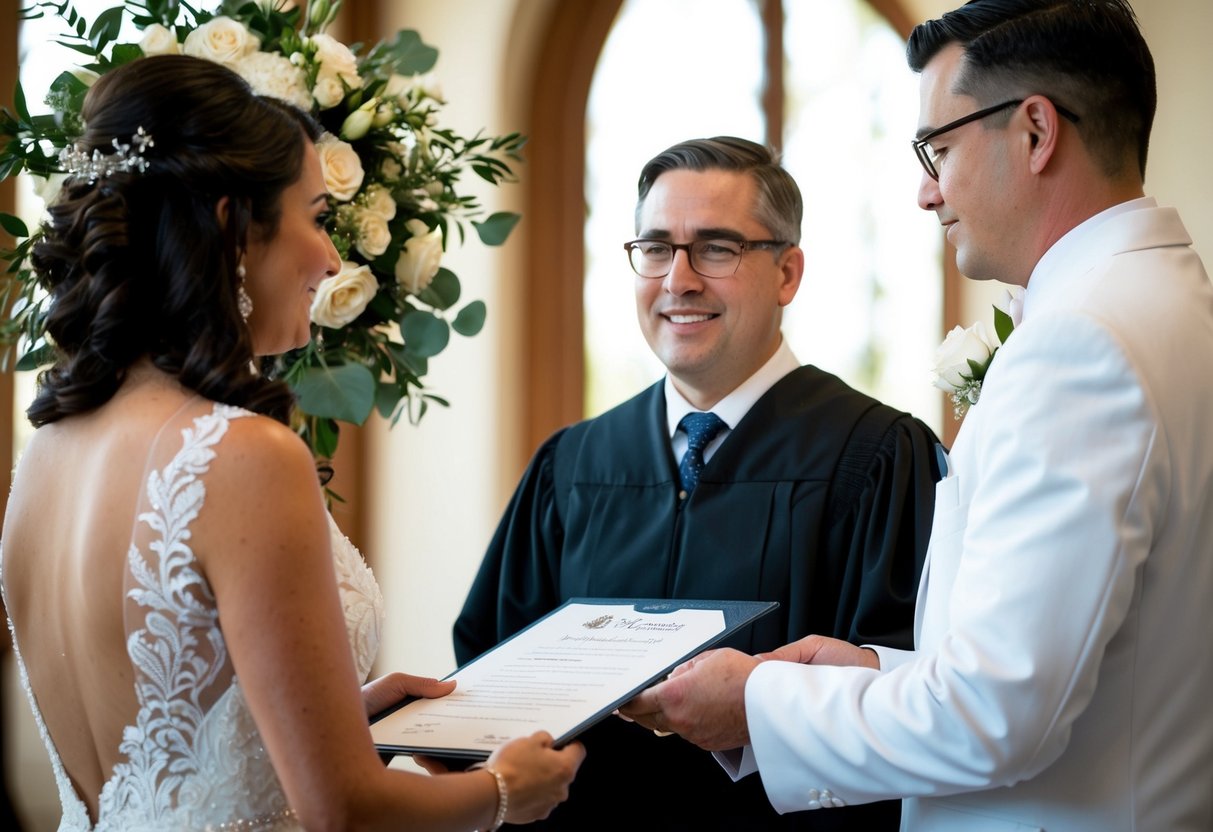
Many couples may feel overwhelmed by the details of wedding planning, but knowing the requirements can ease some of that stress. Each state may have its own laws regarding marriage, and local regulations might also play a part in whether a registrar is needed. It’s important to gather this information early to avoid surprises down the line.
As you explore your options, consider what type of ceremony you envision. If you want a personalized touch, you might also think about having a celebrant for your wedding. A celebrant can provide a unique and tailored experience while ensuring you meet the legal requirements for your marriage.
Understanding the Role of Registrars in Marriages

A registrar plays a key role in your marriage process. They are responsible for conducting legal ceremonies and ensuring that you meet all requirements for a legally binding marriage.
When you decide to get married, you need to visit a registry office. This is where you will book your ceremony and supply necessary documents. It’s important to bring items like your identification and proof of residency.
During the ceremony, the registrar will speak to you about the legal aspects of marriage. They make sure you understand the commitment you are making and ensure that both parties consent to the marriage.
After the ceremony, the registrar will issue a marriage certificate. This document is proof of your marriage and is essential for various legal purposes. Keeping this certificate safe is very important!
You may wonder if the registrar must marry you. Simply put, they can only perform the ceremony if you meet all legal requirements. If something is missing, they will not be able to complete the marriage.
The role of the registrar is not just about performing the ceremony. They help make sure your special day is official and recognized by law. So, having a nice registrar can help ease any worries you may have on your big day!
Comparing Registrar and Celebrant Services
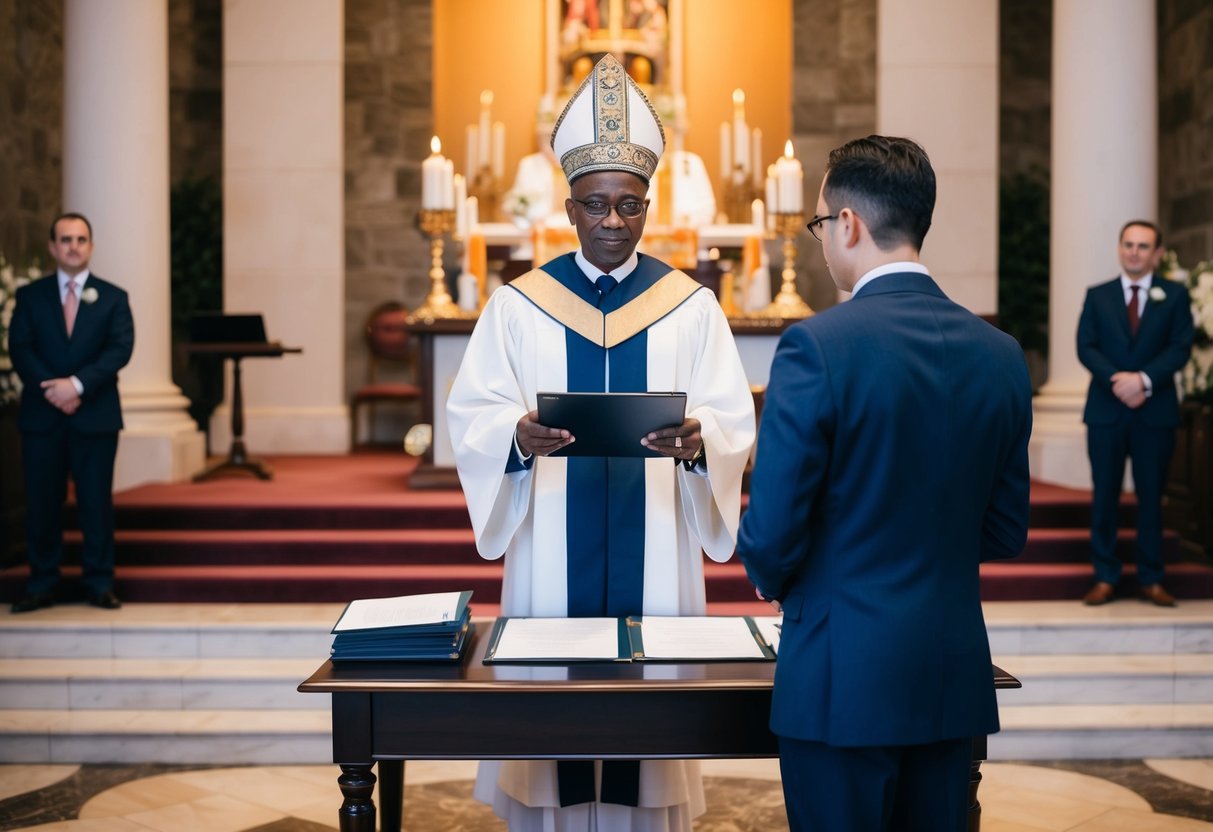
When planning your wedding, you have a choice between registrars and celebrants. Each offers distinct services that can shape your ceremony in different ways.
The Duties of a Registrar
A registrar plays a crucial role in legally marrying you. They are employed by the local authority and have the authority to conduct civil ceremonies. To complete the marriage, two registrars are usually required: one to lead the ceremony and another to handle the required paperwork.
The process for a registrar is often quite structured. You will typically follow a set format that includes certain legal statements. While registrars provide legal recognition, the personalization options can be limited. You may not have much flexibility to include special elements, such as unique vows or specific music. This is because they must adhere to guidelines set by the law.
The Flexibility of Celebrant Ceremonies
In contrast, a celebrant offers a more personalized experience for your wedding. They are independent and can create bespoke ceremonies tailored to your preferences. This means you can include unique rituals, readings, and even live music to make your day special.
Celebrant-led weddings can take place in various locations, from backyards to scenic spots. Unlike registrars, celebrants can help you design a non-legally binding ceremony that reflects your relationship and values. The options are endless, allowing for creativity and personal touches. This flexibility lets you enjoy a more relaxed and memorable wedding celebration.
Legal Considerations for Marriage Ceremonies

When planning your marriage ceremony, it is important to be aware of the legal requirements and the options available for civil partnerships. Understanding these aspects can help ensure that your special day is recognized by law.
Legal Requirements for a Valid Marriage
To be legally married, you must meet certain requirements. These can vary by state or country, but generally, you need a valid marriage license. This license is typically obtained from a local government office.
You’ll need to present identification and sometimes proof of your residence. Many places require you to wait a specific period after obtaining the license before you can get married.
Also, a legal ceremony must be conducted by an authorized person. This can include a registrar, a judge, or a religious officiant from the Church of England. They must follow the legal protocols to ensure the marriage is valid.
If you do not comply with these requirements, your marriage may not be recognized. To avoid any issues, check the local laws regarding marriage ceremonies in your area.
Options for Civil Partnerships
If you’re considering a civil partnership, there are specific legalities to follow. Civil partnerships provide a legal recognition similar to marriage but may have different requirements depending on your location.
In many areas, you can register a civil partnership in a licensed premises, such as a registry office. The ceremony can be held in various locations, from formal settings to outdoor venues, as long as they are approved.
Unlike traditional marriages, civil partnerships often do not have religious elements, but you can choose to have a celebrant present. Make sure your ceremony meets all necessary legal requirements to be recognized as a civil partnership.
Knowing your options can help you make the right choice for your relationship.
Planning Your Wedding Day

Planning your wedding day is an exciting journey. You’ll want to consider various elements to make it special and enjoyable.
First, decide on a wedding venue. Whether you prefer a church, a garden, or a hall, choose a location that reflects your style. If you opt for a non-religious setting, consider a humanist celebrant for a meaningful ceremony.
Next, think about the type of ceremony you want. You can have a religious wedding in a church, or a celebrant-led ceremony with personal vows. Some couples choose unique options like hand fasting for added significance.
Make sure to book your registrar as their presence is important for a legally binding ceremony. This ensures your vows become a formal commitment recognized by law. Remember, you must give notice to the registrar at least 28 days before the ceremony.
Don’t forget about your wedding rehearsal! This helps everyone know what to do on the big day, making the actual ceremony smooth. It’s a chance to gather your closest friends and family to practice and bond.
Finally, plan your wedding day timeline. Include time for hair and makeup, the ceremony, and any photos you want to capture moments that will last a lifetime.