
Does a Registrar Have to Marry You? Understanding Your Options
When planning your wedding, you might wonder if a registrar has to marry you. The answer is no. While a registrar can legally perform your marriage, you have options beyond just them. Many couples choose to have a personal ceremony with a celebrant or religious official, which can add a unique touch to the big day.
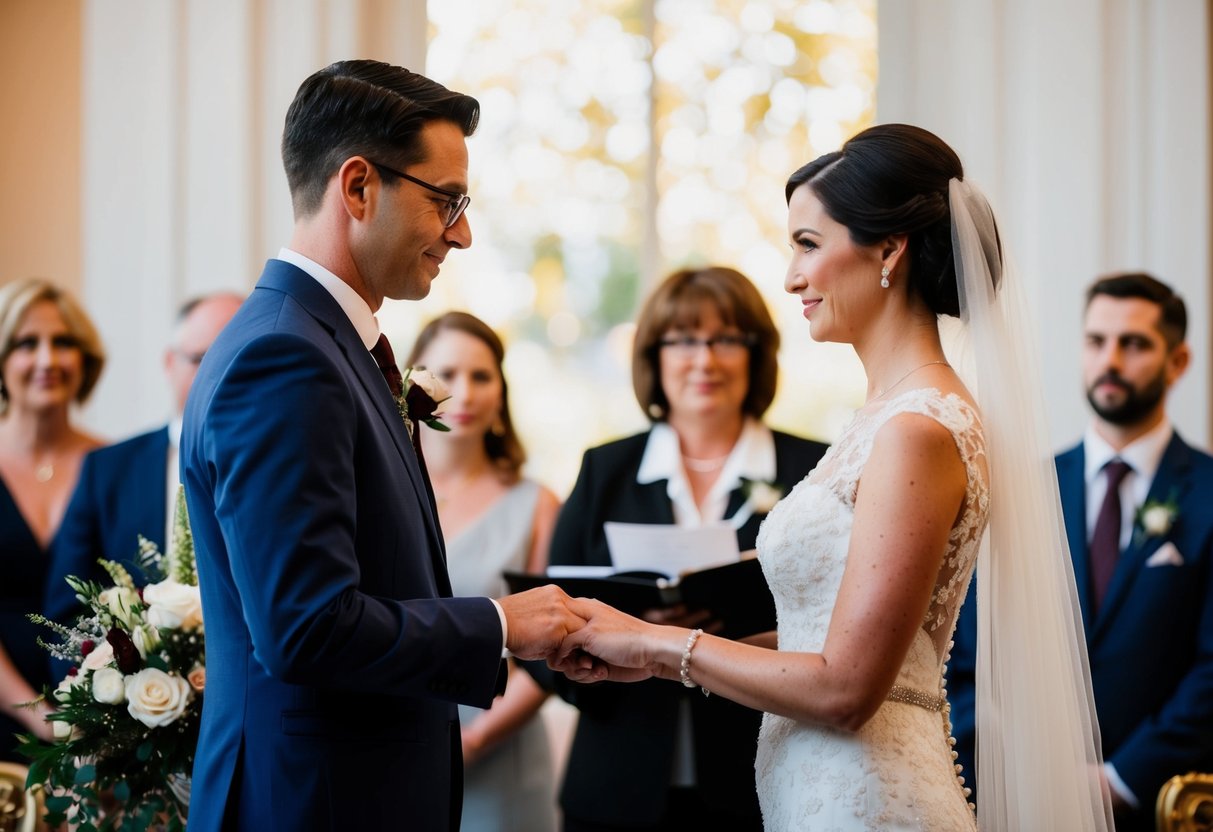
Registrars are government-appointed officials who handle the legal aspects of your marriage. If you’d prefer a more personalized experience, celebrants are great alternatives. They can help create a meaningful ceremony tailored to your beliefs and preferences, even if you still need a registrar for the legal part of your marriage.
Understanding your options can make planning your wedding feel less stressful. With the right information, you can choose the best way to celebrate your love, ensuring that your ceremony reflects who you are as a couple.
The Role of a Registrar in Weddings
A registrar plays a crucial role in your wedding by ensuring that all legal requirements are met. This includes overseeing the official aspects of your marriage and helping you navigate the necessary processes. Let’s look at their responsibilities and how they differ from celebrants.
Legal Responsibilities and Boundaries
When you plan to marry, a registrar is essential for legal approval. They must be licensed to perform weddings and can only marry couples at a registry office or a designated area at licensed premises.
Before your ceremony, you need to give notice of your marriage. This involves providing personal information at your local register office. The registrar will guide you on the paperwork required.
During the ceremony, they will lead the proceedings, ensuring you understand the legal vows. They are also bound by specific regulations, meaning they can only include certain elements in the ceremony. You’ll need to stick to the approved structure for the marriage rites.
Registrar vs. Celebrant-Led Ceremonies
While a registrar handles the legal aspects, a celebrant focuses on the personal experience of your wedding. If you want a unique touch, a celebrant-led wedding might be more appealing. They offer a customizable ceremony that reflects your values and preferences.
With a registrar, the structure is more traditional. You’ll typically follow a set format with legal wording, vows, and limited personal touches. In contrast, celebrants allow for creative freedom, enabling you to include personal stories or special rituals.
Understanding these differences helps you decide which option is best for your wedding day. Whether you choose a registrar or a celebrant, knowing their roles ensures your ceremony aligns with your vision.
Exploring Marriage Ceremonies
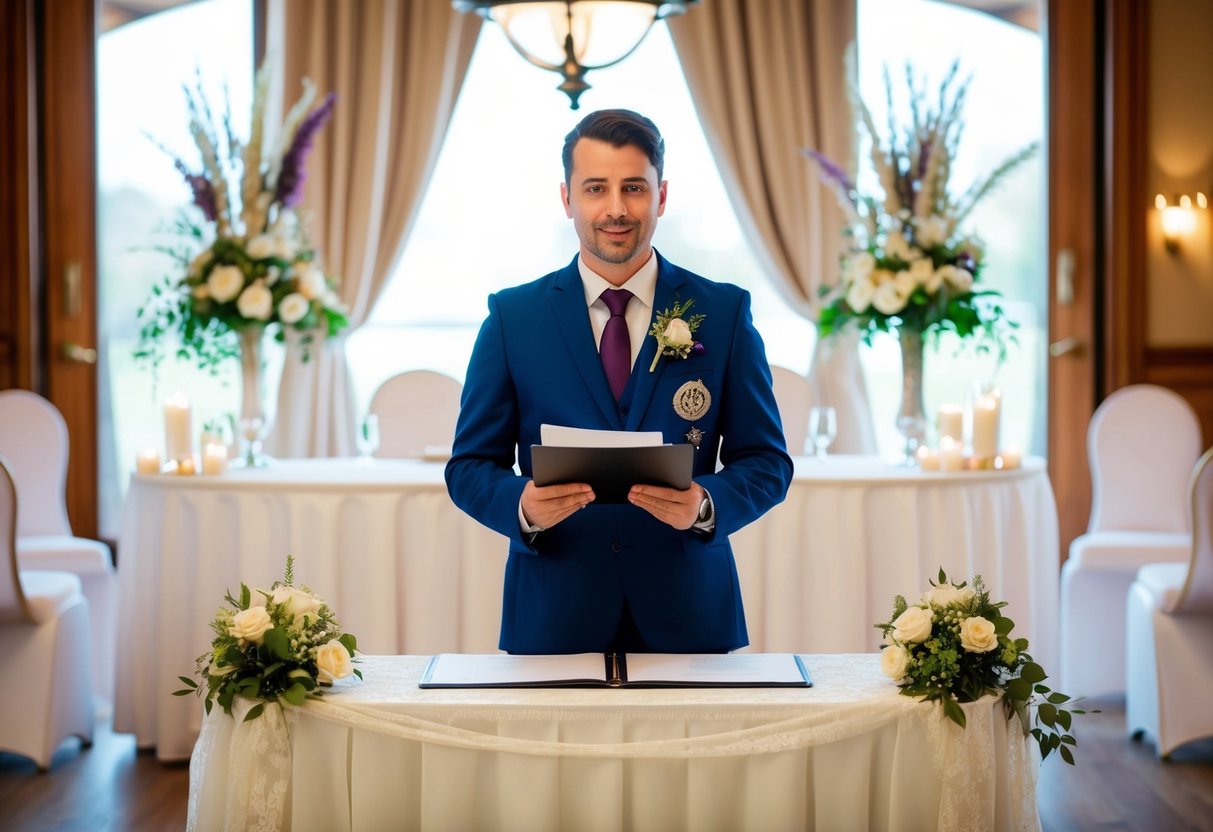
When planning your wedding, understanding the type of ceremony you want is essential. This involves knowing the differences between civil and religious ceremonies, as well as how to incorporate personal elements into your special day.
Civil vs. Religious Weddings
A civil ceremony is often held at a venue such as a registry office or a licensed location. You can expect straightforward legal wording and vows. These ceremonies typically do not include spiritual content or religious symbols. If you choose a civil partnership, you will follow similar guidelines.
On the other hand, a religious wedding usually takes place in a place of worship. This may include traditions unique to your faith, like a Church of England service or specific prayers. Religious weddings often have certain rituals, such as lighting candles or sharing communion, that reflect your beliefs.
Both options have their advantages. You have the ability to be flexible with a celebrant-led ceremony, allowing you to create a personalised ceremony that aligns with your values.
Incorporating Personal Elements into Your Ceremony
Adding personal touches makes your ceremony memorable. You might consider a bespoke ceremony designed by a celebrant. This can include rituals like hand fasting, where you symbolically bind your hands together.
You can also include music, readings, or specific vows that resonate with you and your partner. Think about combining elements that reflect your relationship.
Incorporating loved ones into the ceremony creates a warm, inclusive atmosphere. Whether it’s a reading by a close friend or a family member participating in a special ritual, their presence can enhance your day.
Legal Considerations for Your Wedding
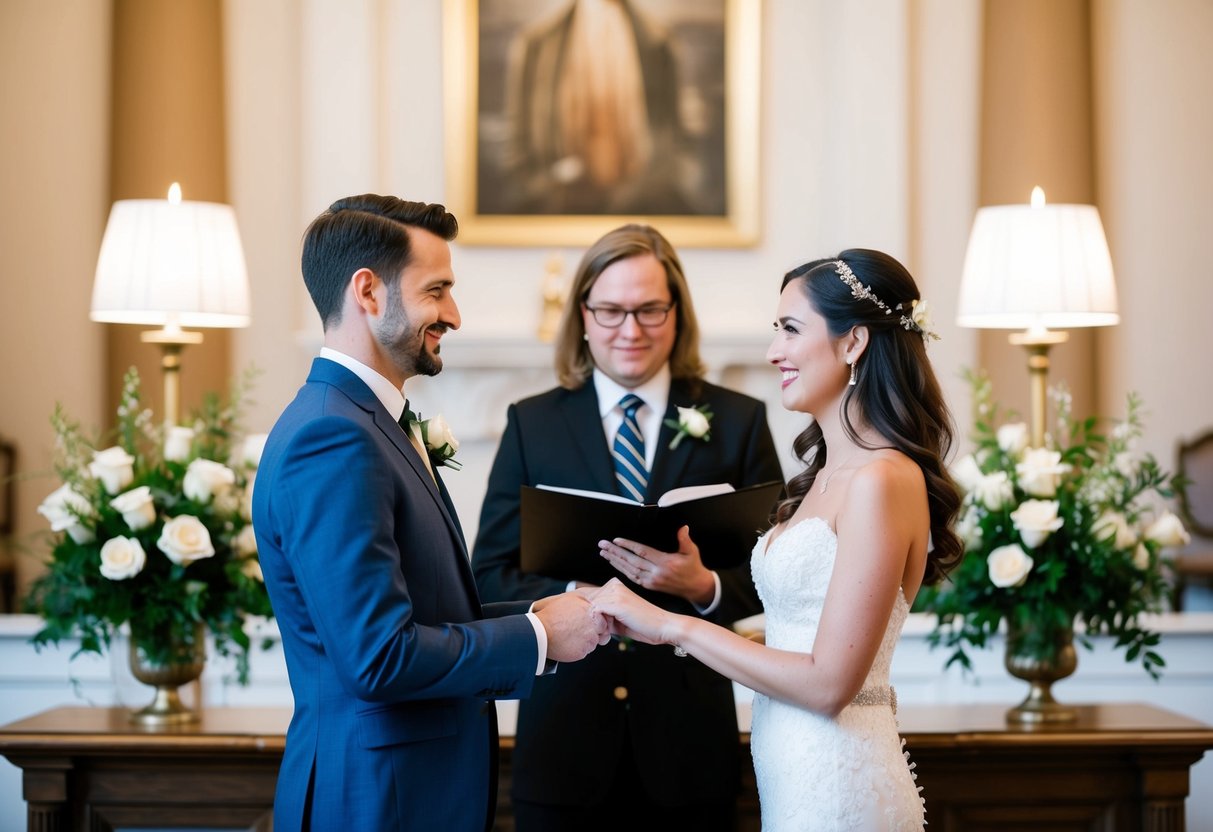
When planning your wedding, it’s important to know what makes a marriage legally binding and how to obtain a marriage certificate. Both of these aspects ensure that your union is recognized by the law and that your marriage is official.
Understanding What Makes a Marriage Legally Binding
For a marriage to be legally binding, several key factors must be met. First, both individuals must be legally eligible to marry, meaning you are of legal age and not closely related.
Next, you typically need to obtain a marriage license before the ceremony. This document allows you to have a legally binding ceremony, which is often performed by a registered officiant, such as a registrar or an ordained minister.
In some states, certain ceremonies might require specific wording or elements to ensure they meet legal standards. It’s wise to check the laws in your area to avoid any surprises. If anything goes wrong, like an unlicensed officiant or missing paperwork, your marriage may not be recognized.
The Importance of the Marriage Certificate
After your wedding, you need to secure a marriage certificate. This document serves as proof that you are legally married. Without it, you might face difficulties when applying for joint loans, insurance, or even changing your last name.
To obtain your marriage certificate, you can usually apply at your local county clerk’s office. Some areas may allow you to apply online, which can save time. Be prepared to show your ID and fill out application forms.
Remember to check what fees are associated with getting your certificate, as they can vary by location. Holding onto this important document is key to ensuring that your marriage is recognized everywhere you go.