
Does a Registrar Perform the Ceremony? Understanding Their Role in Weddings
When planning your wedding, you might wonder about the role of a registrar. A registrar is responsible for performing the legal ceremony, allowing you and your partner to officially marry. They ensure that all legal requirements are met, completing the necessary paperwork to make your marriage valid.

While your registrar conducts the ceremony, it’s important to note that their options for personalization are limited. Unlike celebrants, registrars must adhere to specific legal formats and cannot include religious or spiritual elements in the ceremony. This means that if you desire a more tailored experience that reflects your unique relationship, exploring other options might be beneficial.
Understanding what a registrar does can help you make informed decisions for your big day. Whether you choose to work with a registrar or seek out a celebrant, knowing your options is key to creating a memorable wedding ceremony that truly represents your love story.
Understanding the Role of a Registrar in Weddings
When planning your wedding, it’s important to know what a registrar does and how they differ from a celebrant. A registrar handles the legal aspects of your marriage, ensuring everything is done according to the law. Below, you’ll find key differences and insights into their services.
Registrar vs Celebrant: Defining the Differences
A registrar is responsible for conducting legally binding marriage ceremonies. They work for local authorities and ensure that all legal requirements are met. This means you’ll have to fill out official forms and provide identification.
In contrast, a celebrant offers a more personalized experience. They create unique ceremonies that reflect your relationship and values. While registrars focus on the legal side, celebrants focus on storytelling and personalization.
It’s essential to choose the right option for your wedding. Some couples opt for a registrar to ensure legal validity and then hire a celebrant to conduct a separate ceremony.
The Legalities Handled by a Registrar
One of the main roles of a registrar is to handle the legalities of marriage. They ensure that your ceremony meets all legal requirements for a valid marriage. This includes checking that both partners are eligible to marry and that all necessary paperwork is completed.
During the ceremony, the registrar will ask you to make legal declarations and exchange vows. After the ceremony, they will issue a marriage certificate. This document serves as proof of your legal marriage and is essential for various legal purposes.
The registrar’s attention to detail is crucial. They ensure that everything is conducted according to the law, providing peace of mind for couples.
Services Provided at a Registry Office
Registry offices offer specific services to couples looking to get married. You can book your ceremony at these offices, where registrars conduct legal marriages.
Typically, you’ll find two options: a simple, no-frills ceremony or a more elaborate one at a licensed venue.
In a registry office, the focus is on the legal aspects of your marriage. You may have a short ceremony with limited personalization. Still, you have the option to invite family and friends.
Couples can also access additional services, such as guidance on the paperwork needed for legal marriage. This includes help with obtaining a marriage license and understanding any local requirements.
Planning Your Ceremony with a Registrar
When planning your wedding ceremony with a registrar, you have important choices to make. You will decide on the venue and how to design the content of your ceremony. Personal touches like vows and readings can add meaning to your special day.
Choosing the Right Venue
Choosing a venue is one of the first steps in planning your ceremony with a registrar. You can have your ceremony at the registrar’s office or at a licensed venue.
Considerations for the Venue:
- Capacity Limits: Make sure the venue can accommodate your guest list.
- Decor Options: Think about how you want to decorate your space.
- Accessibility: Ensure the venue is easy for everyone to reach.
Take time to visit potential venues. This will help you visualize the ceremony and feel confident in your choice.
Designing the Ceremony Content
When it comes to ceremony content, registrars have specific guidelines. You will need to include legal wording in your ceremony, but you can also personalize other aspects.
Key Elements to Include:
- Legal Requirements: Your registrar will guide you on the necessary wording.
- Vows: You can opt for traditional vows or create your own. Personal vows can make your ceremony more special.
- Readings: Consider including readings that reflect your relationship.
This is your chance to express yourselves, so think about what feels right for both of you.
Including Personal Vows and Readings
Personal vows can make your wedding ceremony unforgettable. Many couples choose to share heartfelt promises that reflect their love and hopes for the future.
Also, integrating readings can add a meaningful touch. You can select poems, quotes, or passages that resonate with your journey together.
Tips for Personal Vows and Readings:
- Keep It Simple: Make sure your vows are clear and sincere.
- Practice: Rehearse your vows to feel more comfortable.
- Coordinate with the Registrar: Ensure your personal additions align with the registrar’s guidelines.
These elements can help create a unique atmosphere on your wedding day.
Essential Elements of a Registrar-Led Wedding
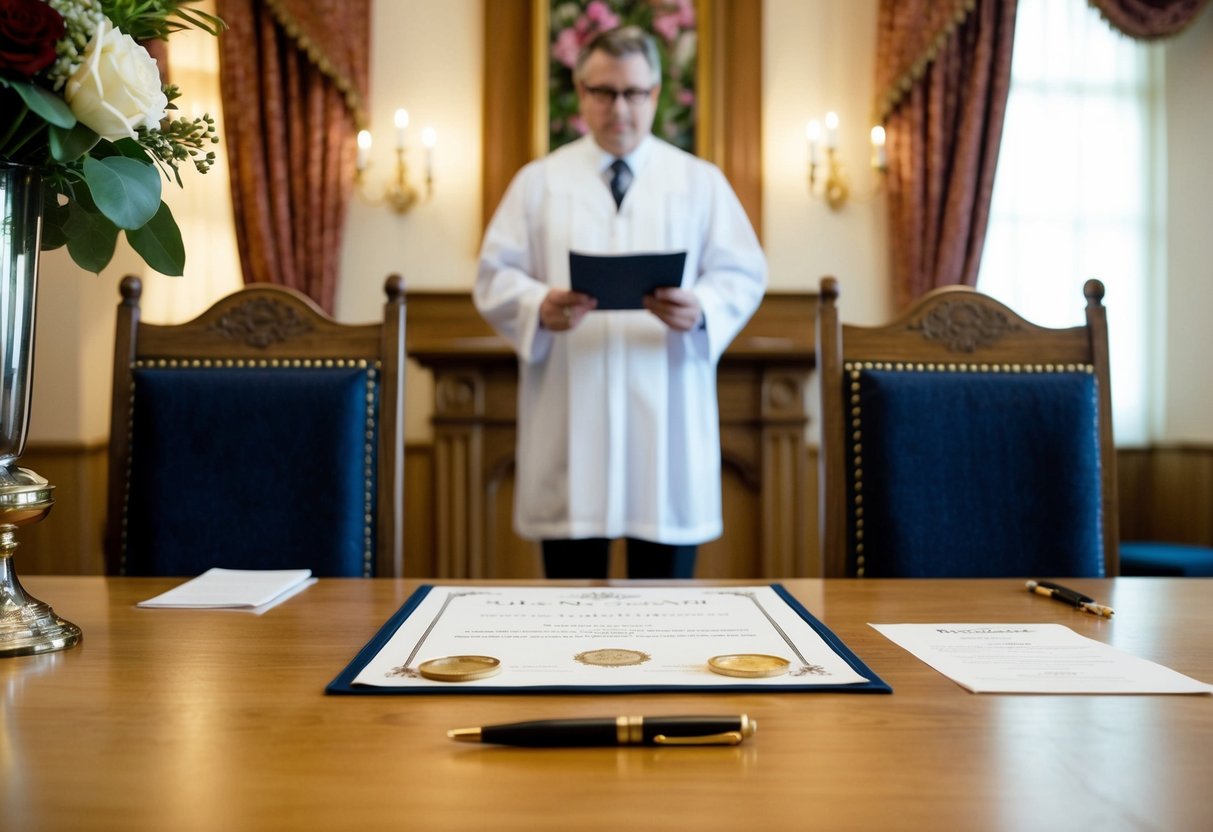
When planning a registrar-led wedding, it’s essential to understand the key elements that make these ceremonies official. You’ll need to be aware of the legal requirements, the importance of witnesses, and the process to ensure your marriage is recognized.
Legal Wording and Ceremony Structure
A registrar-led ceremony includes specific legal wording that must be followed. This wording ensures the ceremony meets legal requirements for marriage. You will recite vows, which may include phrases like “I do” or “I take you,” as part of the official procedure.
The structure of your ceremony will typically be straightforward. You can include some personal touches, but the main content must adhere to legal guidelines.
In many cases, music and readings are limited but can still provide a special atmosphere. Be sure to check with your registrar to understand any restrictions.
Witness Requirements and Official Documentation
For your wedding to be legally binding, at least two witnesses must be present. These witnesses need to be over 16 years old and can be friends or family members. Their role is essential as they will sign your marriage certificate after the ceremony.
You’ll also need to provide official documentation when giving notice at your local registry office. This includes proof of identity, age, and nationality. The registrar will guide you through this process to ensure everything is in order.
Process of Becoming Legally Married
To officially become legally married through a registrar, you must give notice at your local registry office. This means you’ll need to schedule an appointment and provide necessary documents that confirm your eligibility to marry.
After you give notice, a waiting period may apply. This waiting period is usually around 28 days. Following this, you can schedule your ceremony.
On your wedding day, the registrar will confirm your details and conduct the ceremony. They will ensure you meet all legal requirements.
Once the ceremony is complete, you and your witnesses will sign the marriage certificate. You’ll receive this important document, which serves as proof of your marriage.