
Does Bachelor Mean Single? Understanding the Term
Being “single” and being a “bachelor” are terms that often come up in discussions about relationship status. These words might seem similar, but they actually convey different meanings. A bachelor is specifically an unmarried man, and the word has been used this way since the 14th century.
While “single” can apply to anyone of any gender who is not married or in a serious relationship, “bachelor” is more gender-specific.

Over the years, the word “bachelor” has picked up cultural connotations, sometimes implying a carefree or independent lifestyle. The term has evolved, though some still see it as simply describing a man who hasn’t settled down yet. In contrast, the term “single” remains neutral, with no gender assumptions attached.
Even though both words refer to someone not married, they can imply different social expectations and stereotypes. For more on this topic, check out the differences between single and bachelor. This subtle shift in meaning can affect how people perceive and use these terms today.
Defining Bachelorhood

Bachelorhood refers to the state of being an unmarried man. Its origins date back centuries and carry different meanings depending on cultural and historical contexts. In modern times, the meaning of bachelorhood contrasts with being single, highlighting different societal expectations and connotations.
Origins of the Term
The term “bachelor” has its roots in medieval Europe. Originally, it referred to a young knight in training or an apprentice knight, often a vassal. Over time, the word evolved to describe unmarried men. This shift reflects the social status and expectations of young men during those times.
In many cultures, a bachelor’s life meant a period before marriage when men could focus on career-building or other pursuits. The idea of a bachelor as a non-committed individual emerged, defining a specific life stage and social role. This history feeds into the present-day use of the term, cementing its historical significance.
Modern Interpretations
Today, “bachelor” mainly describes an unmarried man. While it maintains traditional meaning, the concept can vary across cultures. Some view bachelorhood as a chosen lifestyle, while others see it as a temporary phase.
Unlike its earlier connotations tied to specific roles and stages in life, modern bachelorhood often comes with a sense of independence.
Bachelorhood today can suggest someone living alone or enjoying freedom without familial commitments. Society sometimes associates bachelorhood with flexibility and self-focus before settling down into marriage or long-term partnerships. Interestingly, despite these evolving meanings, the core idea of being unmarried persists strongly in contemporary definitions.
Bachelor vs. Single Terminology
Although linked, “bachelor” and “single” carry nuanced differences. “Bachelor” traditionally applies specifically to unmarried men. In contrast, “single” is a more inclusive term, referring to anyone not married, regardless of gender or age.
The distinction is partly cultural and partly influenced by how society broadly defines relationships. While a bachelor often suggests a lifestyle choice or a phase full of distinct social implications, being single is a straightforward relationship status, free from gender bias. Readers might find it noteworthy that, until 2005, England and Wales used “bachelor” and “spinster” in official documents to describe unmarried individuals, embodying these differences in formal settings.
Social and Cultural Context

Bachelorhood plays a significant role in social and cultural contexts, affecting lifestyle, societal roles, and gender perspectives. It reflects a choice often linked with independence and freedom, contrasting with traditional family structures.
Bachelor in Society
In society, a bachelor is typically seen as an unmarried man who may embrace a lifestyle centered on personal freedom and autonomy. This role can include enjoying independence, often participating in social gatherings, and sometimes seeking casual relationships without a commitment. The term “eligible bachelor” highlights a man considered attractive for dating due to his financial stability and social standing. This societal label often creates pressure or expectations regarding lifestyle choices and personal achievements.
Bachelor Lifestyle
The bachelor lifestyle is often synonymous with the desire for independence and the freedom to pursue personal interests. A common fixture is the bachelor pad, representing a living space personally tailored to one’s tastes and hobbies. This space reflects individual preferences without the need for compromise.
Bachelor parties are another aspect of this lifestyle, symbolizing a celebration of friendships and the impending end of singlehood for those about to marry. These elements contribute to a sense of identity and are celebrated within certain social circles.
Bachelor vs. Bachelorette
The terms “bachelor” and “bachelorette” both refer to unmarried individuals but carry different societal connotations. A bachelor traditionally refers to a man, while “bachelorette” is its female equivalent. Cultural contexts often shape perceptions of these roles. For instance, bachelorettes may face different societal expectations regarding marriage and independence compared to their male counterparts.
Despite these differences, both terms can symbolize a life stage marked by exploration and self-discovery. These variations highlight evolving societal norms around gender and independence.
Academic Connotations

When people talk about the term “bachelor” in an academic setting, they often refer to the first level of higher education and the life journey at a university. This relates to the degree itself and the experiences students have, which can shape their futures.
Bachelor’s Degree
A bachelor’s degree is often the first major academic milestone for many students. It’s an undergraduate program that usually takes around four years to complete, though this can vary by country or the student’s path. The degree marks specialization in a chosen field, such as science, arts, or business.
Students gain critical thinking skills and knowledge that prepare them for professional careers. Earning this degree also opens doors to more advanced studies, like a master’s or Ph.D. It’s significant not only for the educational content but also for the personal growth students experience during this period.
University Life
University life is a transformative time filled with new opportunities. Students often live on or near campus, creating a close-knit community. This time is marked by forming new friendships and exploring personal interests.
Students also learn to balance academic responsibilities with social activities. Events, clubs, and sports are integral parts of the experience. For many, university is a period of discovering independence and self-reliance. This phase plays a crucial role in shaping students into responsible adults, ready to tackle challenges in their future careers.
Relationship Status and Dynamics

Understanding relationship status and dynamics involves exploring how labels like “bachelor” can relate to single life and the transition to a serious romantic relationship. Examining these stages can highlight how people move from being single to being in committed partnerships.
From Bachelor to Beyond
A bachelor refers to an unmarried man, often seen living a single life without a long-term partner. This phase allows for exploration and growth, focusing on personal development and friendships. Many bachelors enjoy their independence and flexibility, engaging in various activities and social events without the commitments of a romantic relationship.
However, not every bachelor stays single forever. Many eventually seek deeper connections. As bachelors approach or experience significant life changes, the desire for companionship may grow. This transition marks a shift from enjoying personal freedom to considering a long-term partnership or serious romantic relationship.
When Bachelors Commit
When a bachelor decides to pursue a serious romantic relationship, the dynamics of their status change significantly. They may start prioritizing their partner’s needs, learning to balance independence with the responsibilities of a committed relationship. This stage requires communication, understanding, and compromise to build a healthy partnership.
Bachelor in the Animal Kingdom
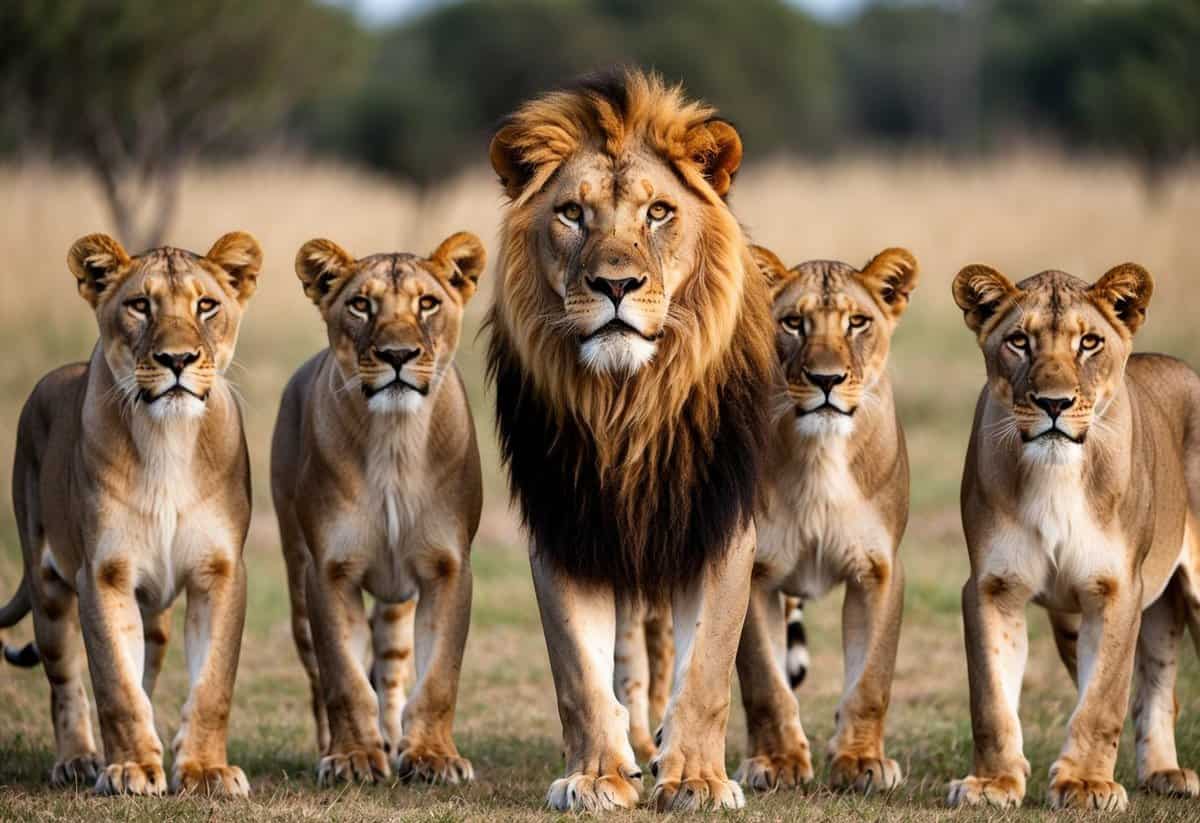
In the animal kingdom, “bachelor” often refers to male animals that live on their own or in groups of other males, away from female groups. These bachelor groups can be a common sight in various species, providing companionship and protection.
Single combat is a term used when these males compete for mates. For some species, this means engaging in fights to establish dominance or to win over a female. These battles can be fierce and are usually intended to display strength and power.
Elephants and elk provide interesting examples. Young male elephants, often called “singles,” may form bachelor herds after leaving their maternal group. These herds help young elephants socialize and learn from older, experienced bulls. In the case of elk, bachelor groups are common before the mating season. During this time, they practice and prepare through sparring.
Single track behavior can be observed when these animals venture alone, whether to explore new territories or find food. Although they sometimes travel and live in groups, some species like the jaguar prefer a singleton lifestyle most of the time, only coming together for mating.
In the world of single flowers, “bachelor’s buttons” come to mind, known for their bright blue petals. Though not directly related to animal bachelors, these flowers often symbolize aspects of being unmarried or free-spirited.
This view of bachelors in the animal kingdom highlights the varied lifestyles and behaviors of male animals, showcasing their unique roles in the wild.