
Does Formal Always Mean Floor Length? Exploring Dress Code Flexibility
When attending a formal event, you might wonder about the expectations for your outfit. Formal attire does not always mean you must wear a floor-length dress. While long dresses often symbolize elegance and sophistication, there are many stylish options that fit into the formal dress code.
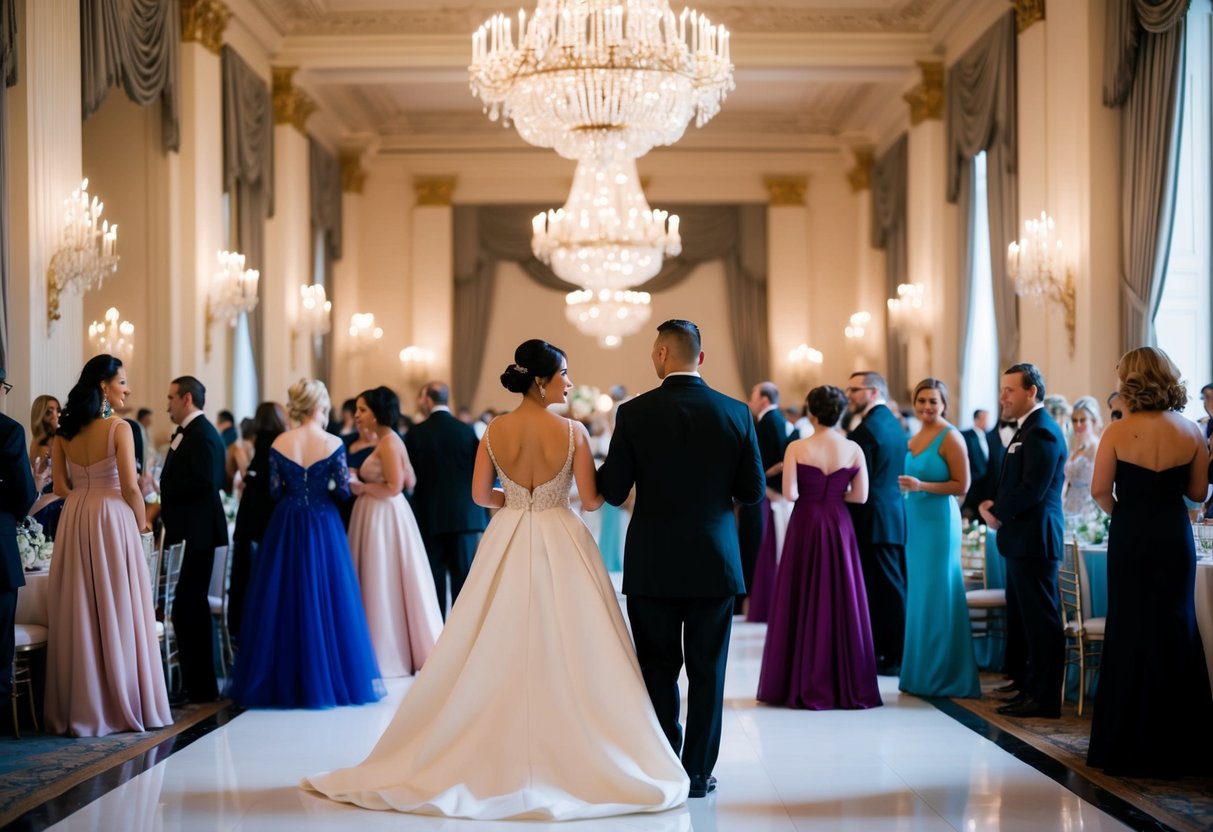
Knee-length dresses can also be appropriate for formal occasions, especially for events like cocktail parties or semi-formal gatherings. These outfits can provide a fresh and chic look while still meeting the expectations of formality.
With the right accessories and styling, you can achieve a polished appearance without strictly adhering to the length of your dress.
Understanding the nuances of formal dress codes can help you choose the perfect outfit for any occasion. So whether you lean towards a classic long gown or a trendy knee-length dress, you can feel confident and stylish at your next event.
Understanding Formal Dress Codes
When it comes to formal dress codes, it’s important to know what they really mean. Each type has its own expectations and style, so understanding the differences can help you choose the right outfit for the occasion.
Defining Formal Attire
Formal attire typically refers to clothing that is elegant and sophisticated. For events labeled as “formal,” it often suggests floor-length dresses or evening gowns for women and tuxedos or dark suits for men.
In some cases, it can also mean more refined attire than everyday clothing but might not necessarily require a gown. For example, at a wedding where the dress code is formal, you might see various interpretations of elegance, including both long dresses and well-tailored shorter options, depending on the event’s specific requirements.
Types of Formal Events
Different formal events come with their own specific dress expectations. Common formal occasions include:
- Weddings: These can range from formal to semi-formal, depending on the location and time of day.
- State Dinners: Often require guests to wear very formal attire, such as black tie.
- Balls: Usually call for floor-length gowns and tuxedos, showcasing high elegance.
- Horse Racing Events: Certain events like the Kentucky Derby have their own unique formal dress codes as well.
Knowing the type of event will guide your outfit choice significantly.
Variations: Black Tie and Semi-Formal
Understanding the variations of formal dress codes is key. Black tie is among the most formal. This means men should wear black tuxedos and women typically choose floor-length gowns.
Black tie optional allows men to opt for a dark suit instead of a tuxedo, while women can still wear long or elegant short dresses.
Semi-formal events fall between casual and formal. Here, knee-length dresses are acceptable for women, and men can wear suits without needing a tuxedo.
Cocktail parties, often considered semi-formal, allow for stylish yet less formal attire, striking a balance between casual and traditional elegance.
Formal Dresses and Attire
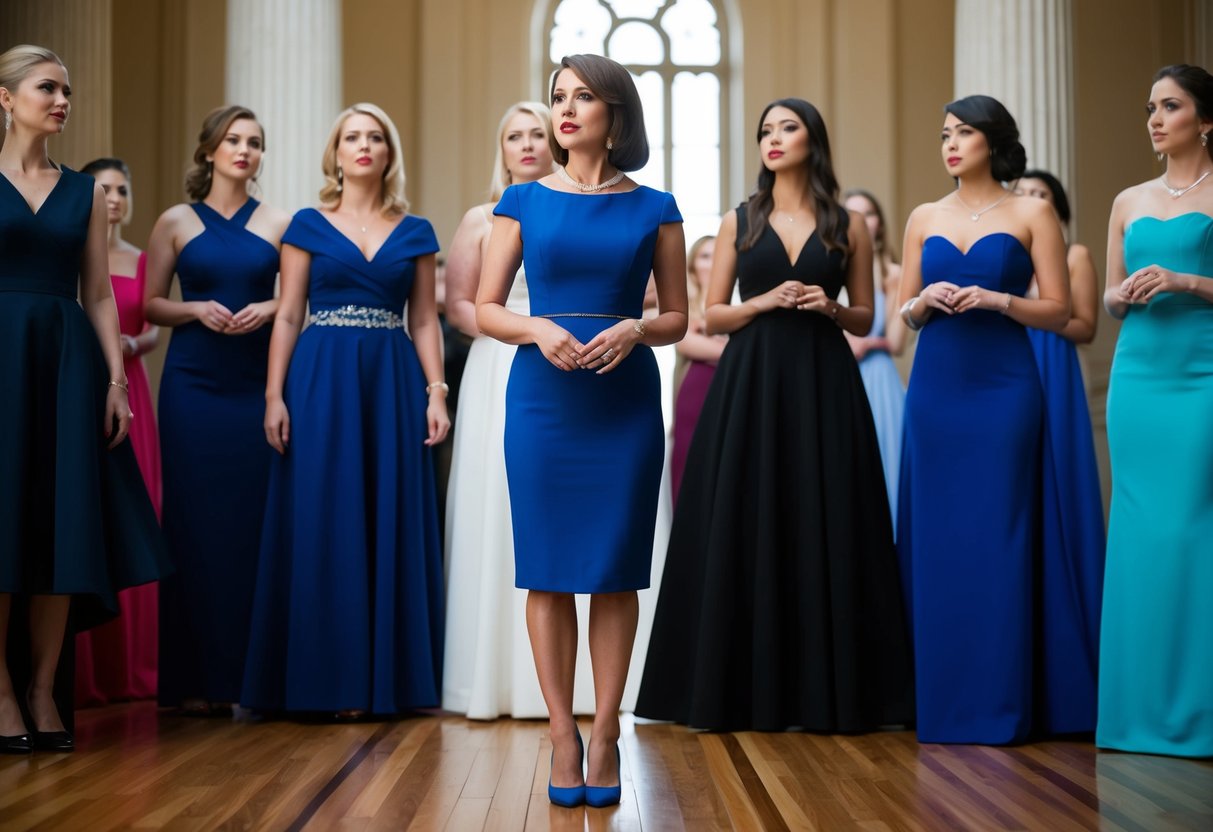
When choosing formal dresses, various lengths and styles can elevate your look. Understanding the options available is essential to dressing appropriately for different events. You can mix and match materials, embellishments, and accessories for a truly polished appearance.
Deciphering Dress Lengths
Floor-length dresses are traditionally seen as the most formal choice. They create an elegant silhouette and are common at events like galas and formal weddings. However, that doesn’t mean you must always go long.
Knee-length dresses, midi dresses, and even tea-length dresses can be just as stylish. For cocktail parties, a knee-length dress is preferred. A midi dress offers a chic look that fits both semi-formal and formal settings.
Ball gowns and evening gowns are other exceptional options, especially for more upscale events. Each dress length has its place, allowing for versatility based on the occasion.
Elevating with Embellishments and Fabrics
The choice of fabric can make a significant difference in how formal your dress appears. Luxurious fabrics like silk and satin add richness, while lace offers a delicate touch.
Embellishments such as beading and sequins can elevate a simpler design. For example, a floor-length evening gown adorned with sequins can catch the light beautifully. A knee-length cocktail dress with subtle beadwork also looks stunning without being too over-the-top.
Consider a jumpsuit as a modern alternative. When made from high-quality fabric and adorned with the right details, it can be equally formal as a traditional dress. Always assess how the fabric and embellishments work together for your unique style.
Accessorizing for the Occasion
Accessories can complete your formal look. Statement jewelry, such as bold earrings or a chic necklace, can draw attention without overwhelming your attire.
Keep in mind the event’s tone while selecting accessories. A formal wedding might call for more elegant pieces. In contrast, a cocktail event allows for a bit more fun with your jewelry.
Don’t forget about footwear! Choose elegant heels or dressy flats that complement your dress length and style. With the right accessories, any dress can become a standout piece while staying true to the occasion.
The Role of Tailoring and Material Choice
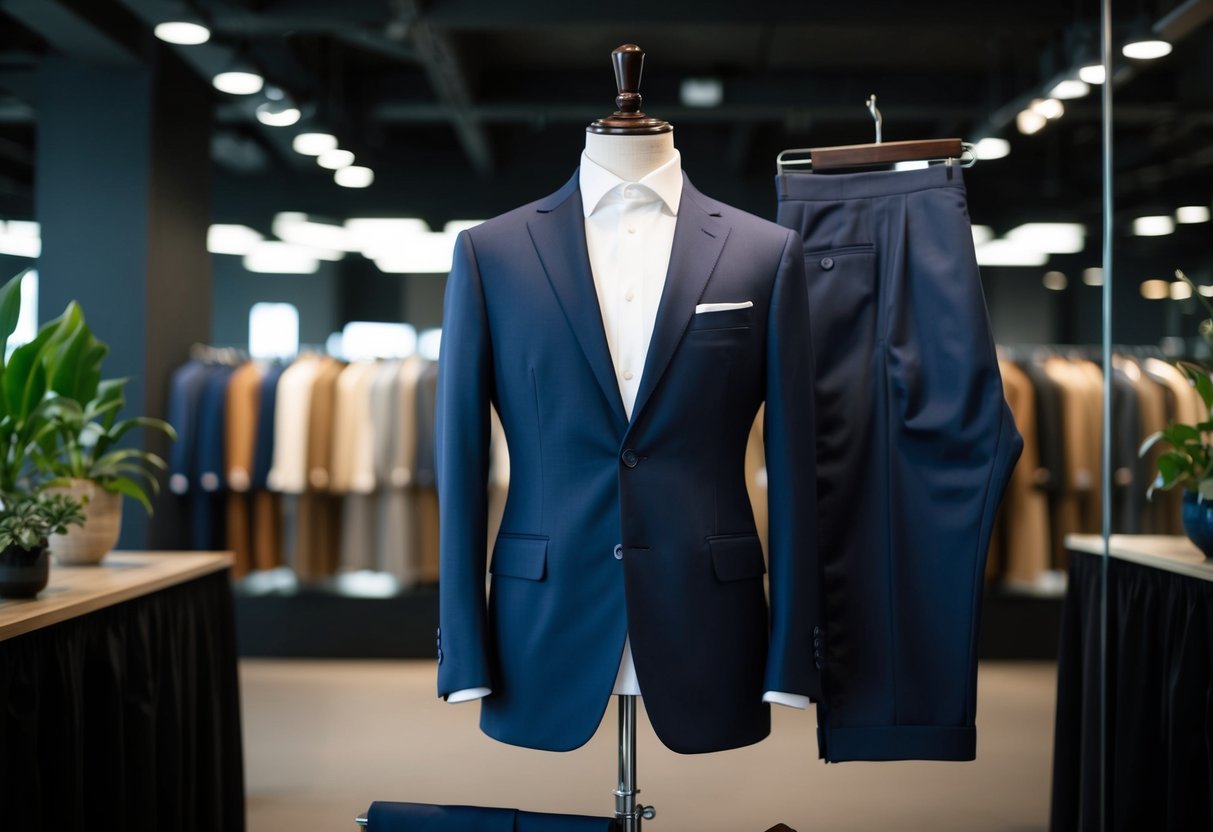
When choosing a formal outfit, the fit and materials of the dress are just as important as its length. Your choice can enhance your overall look and ensure you feel confident and comfortable.
Importance of the Right Fit
A well-tailored dress makes a significant difference. It should fit your body shape and highlight your best features.
Good tailoring helps avoid common issues like bagginess or tightness. You want a dress that moves with you, allowing you to enjoy the event freely.
Consider getting your dress altered by a professional. Even a small adjustment can improve how a dress looks and feels on you. A great fit gives the impression of elegance, regardless of the dress length.
Selecting Quality Materials
The material you choose impacts both the look and feel of your formal wear. Opt for high-quality fabrics like silk, satin, or chiffon, as these can enhance the elegance of your outfit.
Luxurious fabrics drape beautifully and create a flattering silhouette. They also tend to be more durable, making them suitable for long events.
Additionally, consider the texture of the fabric. A dress made from quality materials feels better against your skin and adds a touch of sophistication. When selecting your dress, prioritize materials that reflect your personal style and comfort preferences.
Alternative Formalwear Options
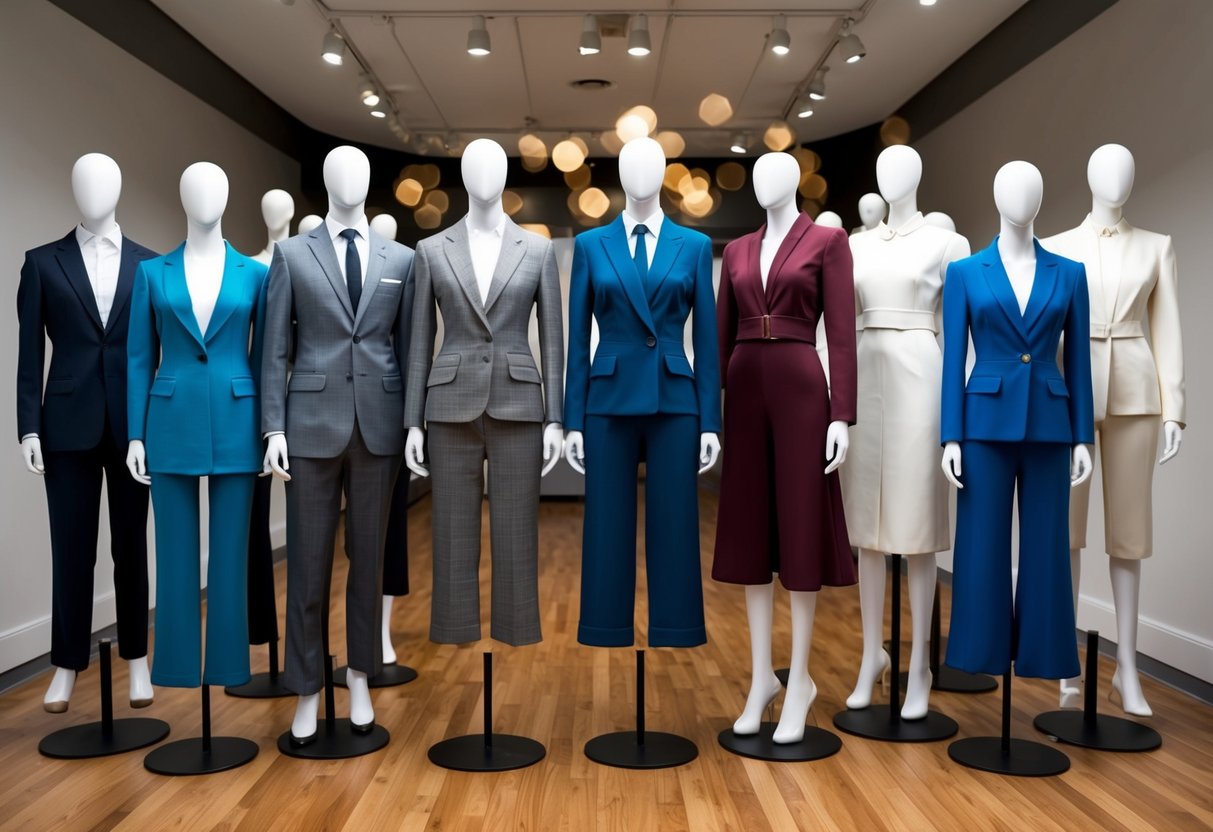
Formalwear does not always mean a long dress. You have several stylish options that provide a polished look while being appropriate for formal events. Consider shorter dresses and dressy separates, as well as menswear options and gender-neutral choices.
Shorter Dresses and Stylish Separates
Shorter dresses can be an excellent choice for formal events, especially knee-length or midi dresses. A knee-length cocktail dress offers a chic look that is perfect for cocktail attire or semi-formal gatherings. Look for elegant fabrics and embellishments to enhance the formal feel.
Stylish separates are another alternative. A tailored pantsuit or a chic top paired with a formal skirt can work well. Dressy separates allow you to mix and match pieces while maintaining a sophisticated appearance. Be sure to choose high-quality materials and tailored fits to achieve a polished look.
Menswear and Gender-Neutral Choices
For men, a tuxedo remains a timeless option. However, there are alternatives like fashionable suits that add a modern touch. Consider a well-fitted suit in a bold color or a unique pattern to stand out at formal events. Pair it with a stylish shirt and tie for a complete look.
Gender-neutral choices are also growing in popularity. Think about tailored designs that suit any body type, like a sleek pantsuit or a classic blazer. These options provide a comfortable yet polished appearance and are perfect for anyone looking to break from traditional norms while still dressing formally.