
Does Groomsmen Order Matter? Tips for Your Wedding Party Arrangement
When planning your wedding, you might wonder if the order of groomsmen really matters. The groomsmen order does play a role in how your wedding ceremony flows and looks, but it’s not strictly set in stone. You can choose an order that feels right for you and your wedding party.
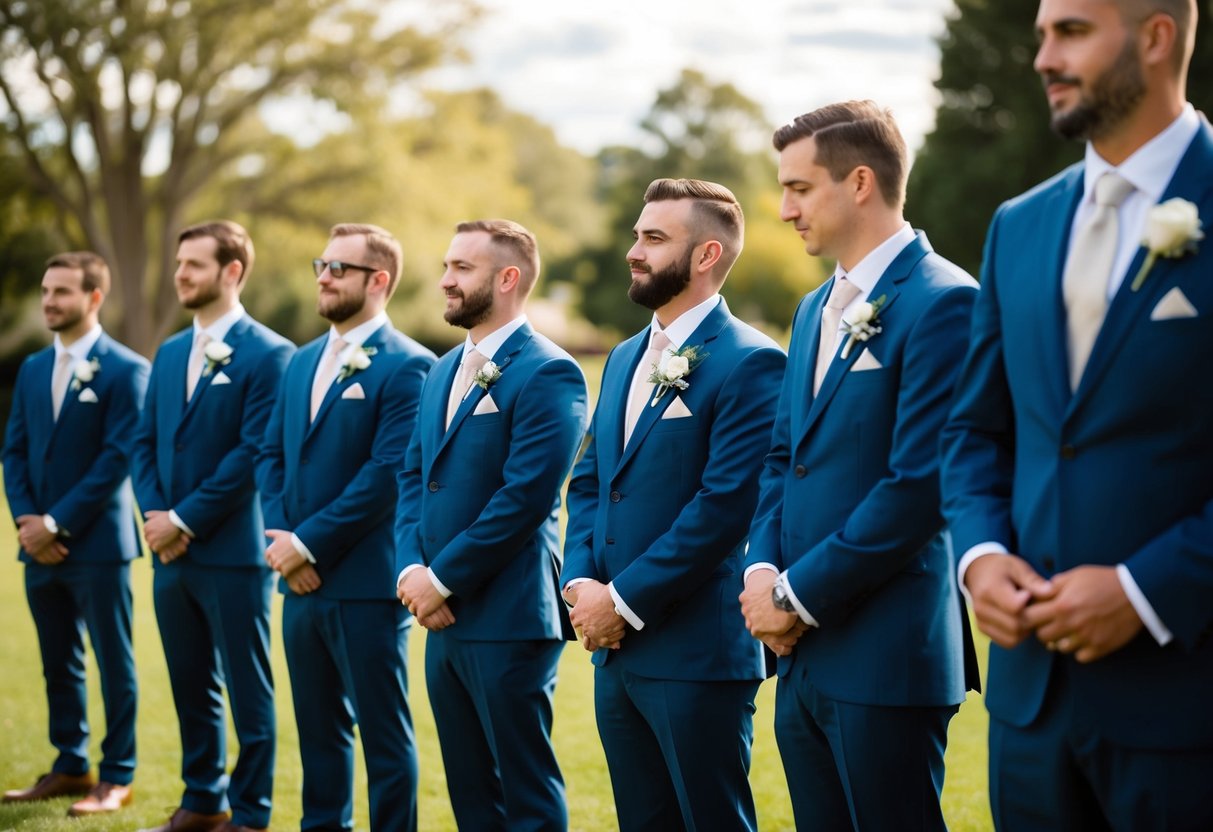
Traditionally, groomsmen walk down the aisle before the bridesmaids. This setup can help create a balanced look as both sides of the wedding party enter together. You might give thought to the personalities and relationships of your groomsmen, so the order can reflect those connections and make the ceremony feel more personal.
The main goal is to create a joyful atmosphere. Whether you decide to follow tradition or mix things up, the order of groomsmen should enhance your special day and complement the bridesmaids’ entrance as well.
Understanding the Key Roles in a Wedding Party
In a wedding, each member of the bridal party has specific roles that are essential for a smooth celebration. Understanding these roles can help you decide how to structure your wedding party and make your big day more enjoyable for everyone involved.
The Role of Groomsmen and Best Man
Groomsmen are a vital part of the wedding party. They support the groom through planning and on the wedding day. Their tasks include helping with different arrangements and assisting during the ceremony.
The best man holds a special title among groomsmen. He stands beside the groom during the ceremony and is responsible for crucial tasks. These include organizing the bachelor party and keeping the wedding rings safe. The best man also gives a speech during the reception.
Groomsmen help manage the day-to-day tasks and ensure everything runs smoothly. They guide guests, help with pictures, and may also assist with setting up decorations. A great team creates a joyful atmosphere for both the groom and the bride.
Bridesmaids and Maid of Honor Responsibilities
Bridesmaids play a supportive role for the bride. They assist with planning and help with tasks like dress fittings and invitations. This group makes the wedding planning process less stressful for the bride by offering their support.
The maid of honor is usually the bride’s closest friend or relative. She has extra responsibilities, such as organizing pre-wedding events like the bridal shower. She also helps the bride get ready on the big day, ensuring she has everything she needs.
Throughout the ceremony, bridesmaids stand alongside the bride and take part in special moments. They help to carry the bride’s bouquet and play a vital role during the reception. Their teamwork keeps spirits high and ensures the day is memorable.
Parents and Grandparents Involvement
Parents often have significant roles in a wedding. They can help with planning and budgeting, and they may have their own responsibilities during the ceremony. Traditionally, the bride’s father may walk her down the aisle.
Grandparents also play an important part. They often represent family history and traditions. Their presence can bring joy and emotional connections to the celebration.
It’s helpful to discuss roles with your family before the wedding. This can avoid confusion, especially concerning who is responsible for certain tasks. Maintaining open communication ensures that everyone feels included in this special occasion.
Deciphering Traditional Wedding Processional Orders
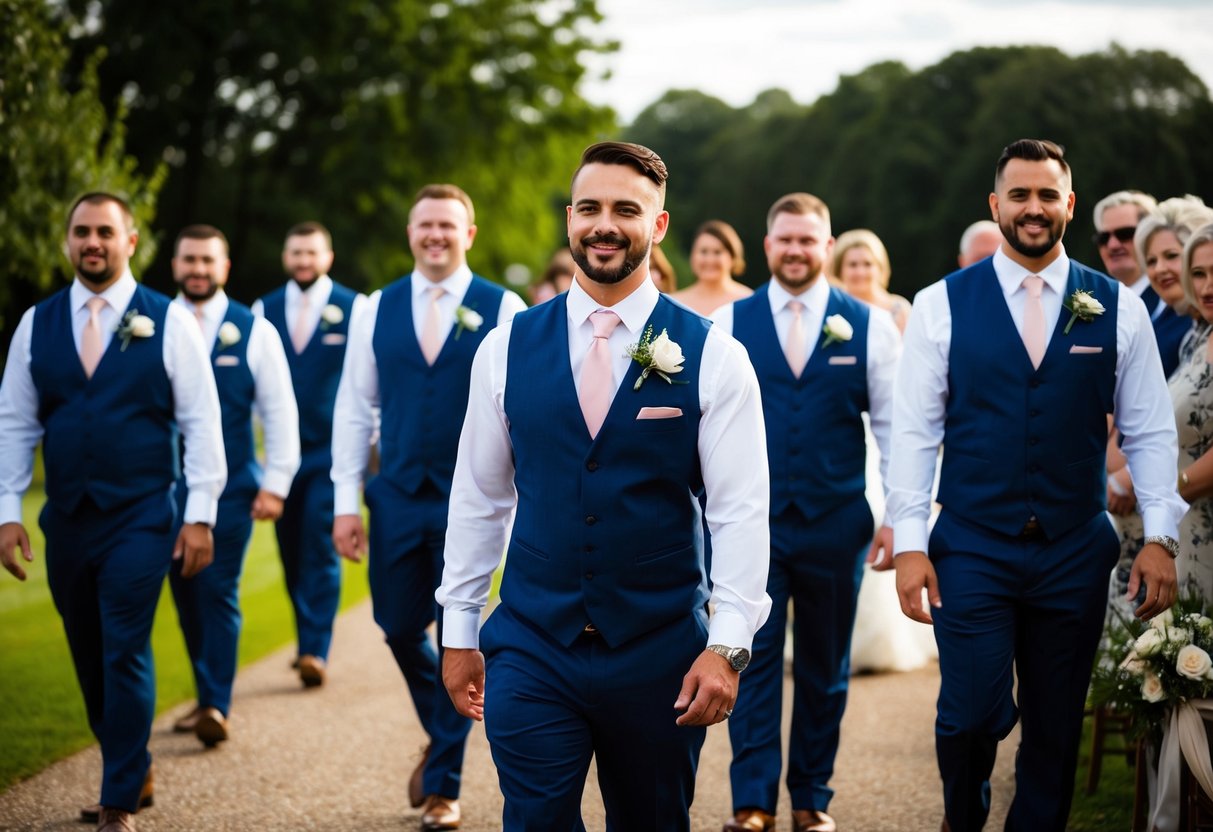
Understanding the traditional wedding processional orders can help you plan a meaningful ceremony. Whether it’s a Christian or Hindu wedding, knowing who walks down the aisle and in what order can set the right tone for your big day.
Typical Christian Wedding Processional Order
In a typical Christian wedding processional, the order is usually fixed, but you can make adjustments based on your preferences.
- Officiant: Walks in first to prepare for the ceremony.
- Groom: Usually enters next, sometimes with his parents or the best man.
- Best Man and Groomsmen: Follow the groom, often in pairs with bridesmaids.
- Bridesmaids: Traditionally walk down the aisle next, either alone or paired with groomsmen.
- Maid or Matron of Honor: Enters just before the bride, highlighting her importance.
- Flower Girl and Ring Bearer: Usually walk ahead of the bride, adding a charming touch.
- Bride: Enters last, often with her father or another significant figure.
This traditional order helps create a smooth flow and heightens anticipation for the bride’s entrance, adding to the ceremony’s emotional impact.
Hindu Wedding Ceremony Processional Nuances
Hindu wedding processions, or Baraat, include rich cultural elements and can differ significantly from Christian ceremonies.
- Baraat: The groom usually arrives in a lively procession with family and friends, often on a horse or in a decorated vehicle.
- Groom’s Family: His family joins in the celebration, singing and dancing as they make their way to the wedding venue.
- Bride’s Family: They traditionally welcome the groom’s family, symbolizing the joining of two families.
- Entering the Mandap: Both bride and groom will enter the Mandap at separate times, emphasizing their individual journeys before coming together.
The Hindu processional focuses on celebration and community, creating a festive atmosphere that is distinct and meaningful.
Crafting Your Personal Wedding Processional
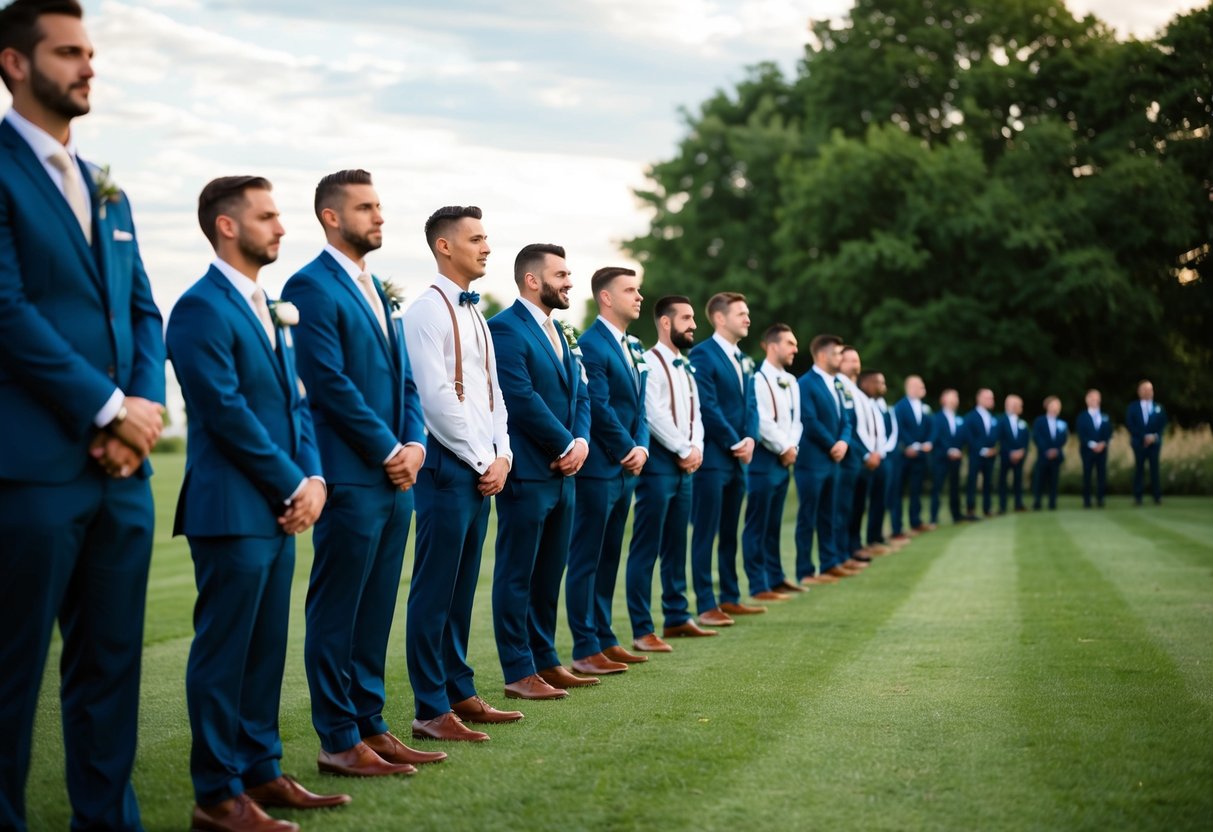
Creating your wedding processional involves balancing personal preferences and visual aesthetics. You want to ensure that your friends stand by your side while also achieving a pleasing look as they walk down the aisle. Here’s how to personalize this moment.
Incorporating Personal Preferences and Friendship
When choosing the order of your groomsmen, think about your friendships. It can be meaningful to place your closest friends next to you. Consider shared memories, experiences, or how long you’ve known each person.
You might also want to think about how each groomsman feels about being in the spotlight. Some may prefer to walk alongside someone they know well. This can help ease any nerves.
To add a personal touch, consider pairing groomsmen with specific roles. For example, have your childhood friend on one side and a college buddy on the other. This highlights relationships that matter to you on your wedding day.
The Impact of Height Order and Visual Balance
Visual balance can play an important role in your processional. Think about the heights of your groomsmen. Arranging them from tallest to shortest can create a polished look as they walk down the aisle.
If you have groomsmen of various heights, consider their placement carefully. This arrangement adds a nice symmetry to photos and the ceremony itself. For example, placing the tallest in the middle can draw attention in a pleasing way.
Take a moment to visualize how they will look together. Doing so can help you craft a memorable and visually appealing processional that captures your wedding’s spirit.
Final Considerations before the Grand Entrance
When planning your grand entrance, think about the order of the ceremony to make everything smooth. It’s important to know who walks when.
Start with the usher guiding the guests. Then, flower girls and the ring bearer often follow.
Next, the parents of the bride and the parents of the groom enter, setting the stage for special moments.
After them, the wedding officiant takes their place at the altar. If your ceremony is religious, this might include a prayer or special readings.
Finally, the big moment arrives: the bride enters with her father. This is often the highlight of the ceremony. After the couple exchanges vows, the recessional occurs, allowing you to enjoy applause and cheers.
For the grand entrance at the reception, decide if you want to announce individuals or the whole wedding party at once. This could include the bride’s grandparents, groomsmen, and bridesmaids.
Make sure to communicate with your DJ about timing and special music to play. This helps set the right mood for your entrance.
Take a moment to enjoy the excitement with your wedding party before you share the moment with all your guests.