
Does Husband or Wife Name Go First on Wedding Card? Understanding Traditional Etiquette
When it comes to wedding cards, you might wonder whose name should go first: the husband’s or the wife’s? Traditionally, etiquette suggests that the wife’s name is placed first on wedding invitations and cards. This comes from long-standing customs in wedding etiquette where the bride was often given priority in such matters.
In modern times, many couples choose to put their personal preferences ahead of tradition. You may want to consider how your names flow together and what feels right for both of you. It’s not uncommon for couples to switch names on different items, further showcasing their unique bond.
Whether you follow traditional guidelines or embrace a more modern approach, it’s all about what makes you both comfortable. Remember, your wedding card is a reflection of the partnership you are celebrating, so choose what resonates with you.
Wedding Invitation Basics
When planning your wedding invitations, it’s essential to understand the etiquette and traditions that guide your choices. This section covers the key details about how to present names and the significance of wedding invitation customs.
Understanding Wedding Etiquette
In wedding invitations, knowing whose name goes first is an important etiquette rule. Traditionally, the bride’s name appears first. This practice highlights her as the center of attention and acknowledges her family’s role in the celebration.
For a traditional wedding invitation, you would typically address the outer envelope as “Mr. and Mrs. [Groom’s Name],” while the inner invitation lists the bride’s name first. You can also decide to use titles like “Dr.” or “Ms.” according to preference.
It’s important to consider your audience when choosing a formal or informal address. If the event feels more relaxed, using first names could be appropriate. In contrast, formal weddings usually require full titles and last names.
The Role of Traditions in Wedding Invitations
Traditions play a significant role in how you compose your wedding invitations. They help maintain a sense of decorum and respect for the event’s significance. For example, the inclusion of “the honor of your presence” suggests a more formal gathering.
You might encounter the decision of which name comes first for same-sex couples, where you can choose either name depending on preference. The key is to reflect your style while honoring traditions.
Customary Ordering of Names
Understanding how to arrange names on a wedding card can clarify your options. Choices may differ based on the couple’s preferences and social norms, but a few traditional rules can guide you.
Arranging Names for Heterosexual Couples
For heterosexual couples, traditional etiquette often places the woman’s name first on wedding invitations. This is commonly seen as a presentation of importance, making the bride the focal point of the event.
Example:
Outer envelope:
Ms. Jane Smith and Mr. John Doe
However, many modern couples choose the order based on personal preference today. If the groom has a more prominent role, consider using his name first.
Alternative Formats:
- Mr. and Mrs. John Doe
- Mr. John Doe and Ms. Jane Smith
You can also include middle names for additional formality, especially in more traditional settings.
Considerations for Same-Sex Couples
For same-sex couples, you can arrange the names in any order, depending on your preference. Some couples choose alphabetical order, while others decide based on who takes the lead in planning.
Popular Formats:
- Mr. Alex Johnson and Mr. Jamie Lee
- Mrs. Taylor Smith and Mrs. Morgan Brown
Consider your comfort level and the dynamic of your relationship when deciding how to arrange your names. Either order can reflect equality and partnership.
Addressing Divorced and Hyphenated Names
For divorced women, it is common to keep their maiden names. When addressing a card, you could use their current last name or hyphenated name if they choose to keep both names.
Example:
Ms. Jennifer McCoy-Davis
Ensure the name reflects what the individual prefers. If a man takes a woman’s hyphenated last name upon marriage, address it in the same way.
Examples:
- Mr. William Smith-Jones and Ms. Sarah Johnson
- Mrs. Anne Cooper and Mr. Mark Davis
These details help personalize the card while honoring each person’s identity.
Elements of Wedding Invitation Design
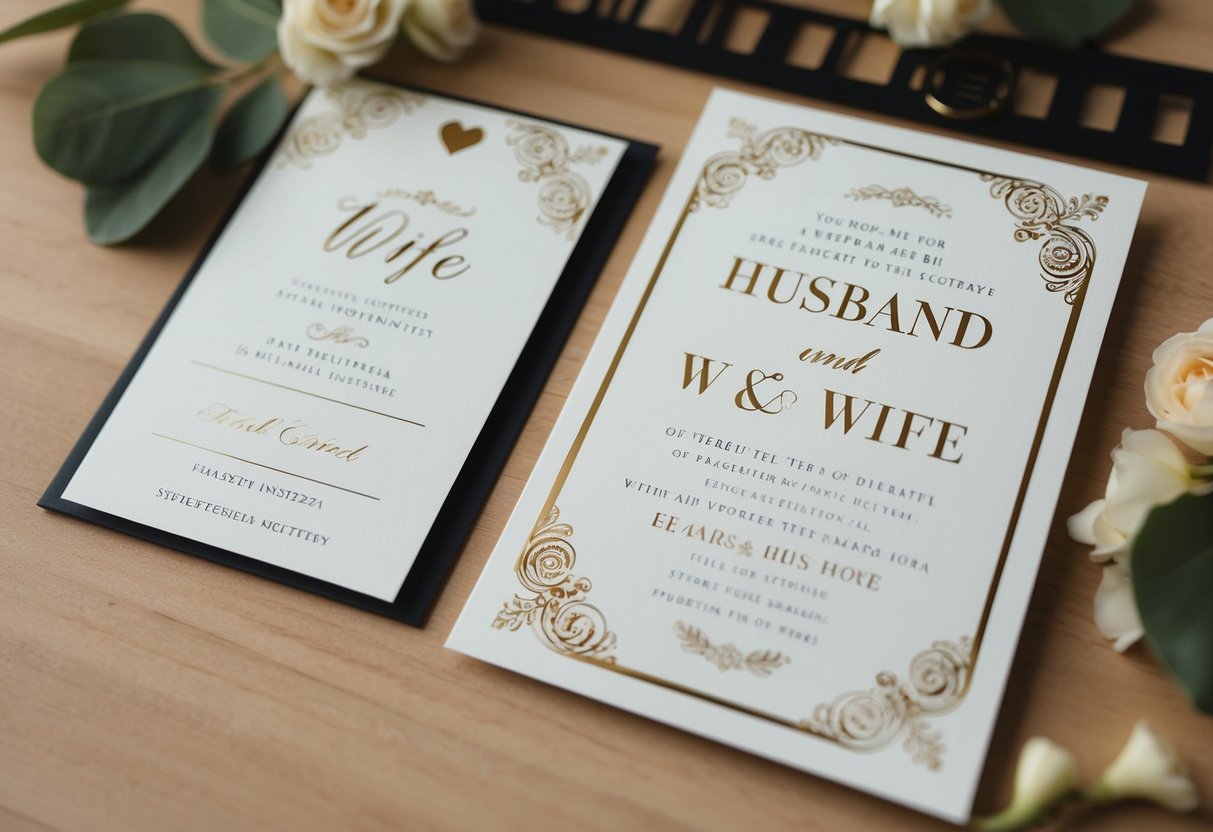
Designing a wedding invitation involves thoughtful choices about layout, titles, and names. Your decisions should reflect your personal style while also adhering to traditional etiquette rules and modern approaches.
Selecting a Layout That Reflects Your Style
When choosing a layout, consider what best represents you as a couple. Traditional formats usually include a centered design with all details elegantly arranged.
You might prefer a more contemporary look that includes unique shapes or borders. Remember that readability is key.
Think about using a clean font that matches your wedding theme. You can also use color schemes that complement your wedding colors.
Whether you choose a classic or modern style, ensure that the layout flows well. A balanced design will not only look appealing but also make it easy for your guests to find essential information.
Incorporating Titles and Names Correctly
Following proper etiquette for titles and names is crucial. Traditionally, the bride’s name goes first, but modern approaches allow flexibility. Couples can choose which name appears first, depending on personal preference.
For formal invitations, include titles like “Mr.,” “Mrs.,” or “Ms.” before names. This adds a touch of respect and formality.
If addressing a same-sex couple, you can choose any order that feels right for you. It’s important to communicate clearly, so choose a title that aligns with how each person identifies.
Following these simple guidelines will help ensure that your wedding invitation is both stylish and respectful of traditions.
Beyond the Invitation
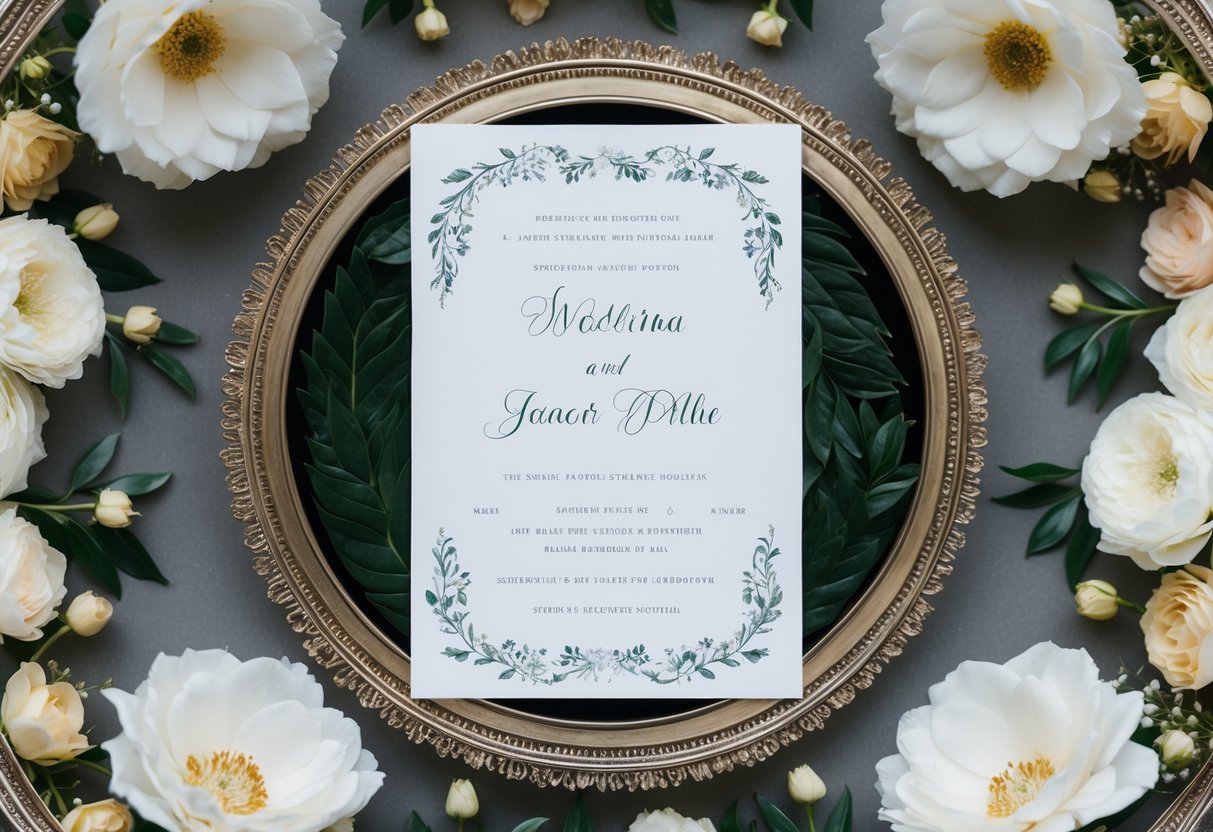
When it comes to wedding planning, the names on your invitation are just the beginning. You’ll want to think about how those names appear on other stationery and correspondence throughout the wedding process.
Coordination with Other Wedding Stationery
It’s important to keep your wedding stationery consistent. This includes everything from your save the dates to thank you cards. If the bride’s name appears first on the invitation, you might want to follow the same order on other items, like address labels and hotel welcome bags.
For example, when designing your thank you cards, keep the name order consistent. This creates a polished feel and helps guests recognize your style. Using matching colors and fonts across all stationery solidifies your theme and provides a cohesive look.
Etiquette for Addressing Wedding Correspondence
Addressing your envelopes can be tricky if you want to stick to proper etiquette. Traditionally, for heterosexual couples, the husband’s name goes first on the outer envelope, such as “Mr. and Mrs. John Smith.”
In the reception line, if you’re greeting guests, consider how to introduce yourselves. Saying both names together, or using the names in the order you’ve chosen, maintains clarity.
For thank you cards, you can follow the invitation order. It’s also a good idea to ensure the names match the wedding details. Keeping everything the same will help your guests feel included and appreciated.