
Does It Matter If the Bride Is on the Left or Right? Understanding Wedding Traditions
When planning your wedding, you might wonder about the traditional placement of the bride and groom during the ceremony. Many people believe the bride should stand on the left side, while the groom stands on the right. Ultimately, whether you choose to follow this tradition or not depends on your personal preference and the meaning you assign to it.
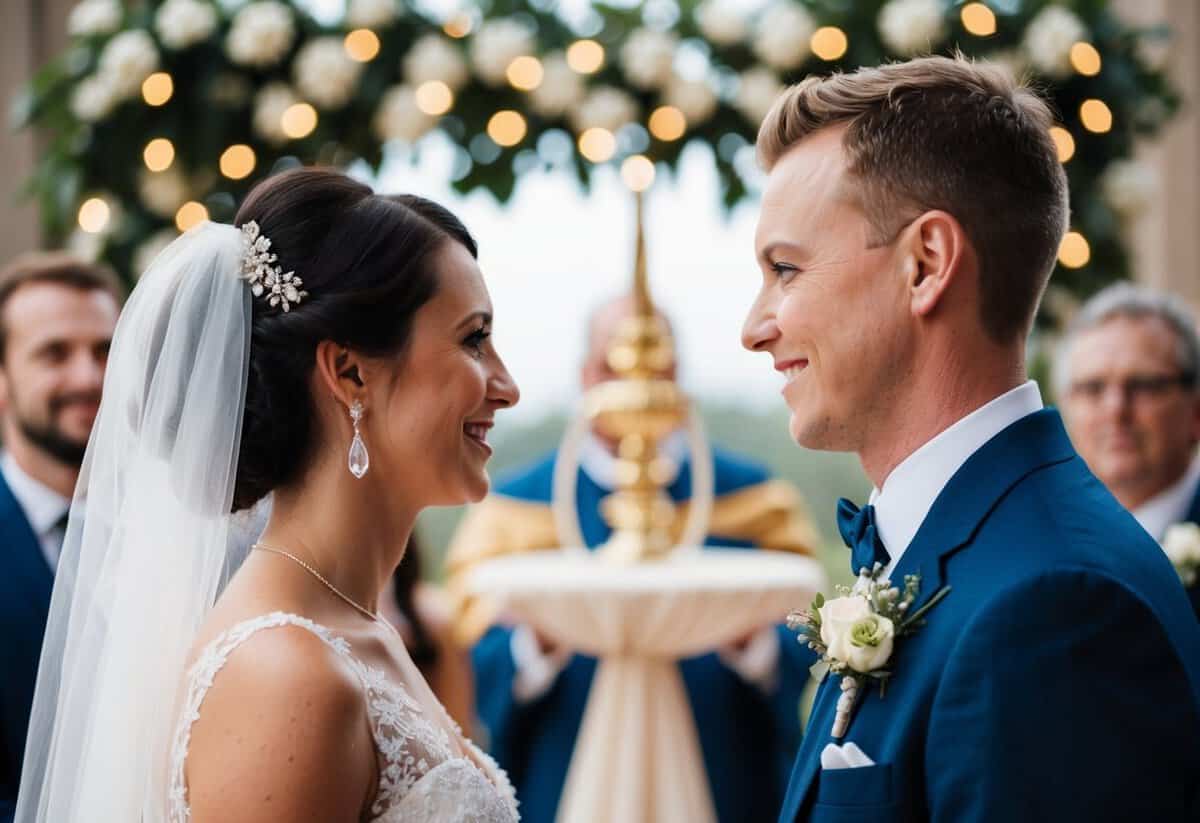
Traditionally, this custom has its roots in history, where the groom needed to keep his right hand free for defense. While this might seem like a distant memory, the practice continues in many wedding ceremonies today. Still, modern couples often see this choice as just that—a choice based on what feels right for them.
As you plan your big day, consider what symbolism and traditions resonate with you. Whether you’re leaning toward the traditional placement or opting for a different arrangement, it’s all about what you and your partner value in your union.
Historical Significance of Altar Sides
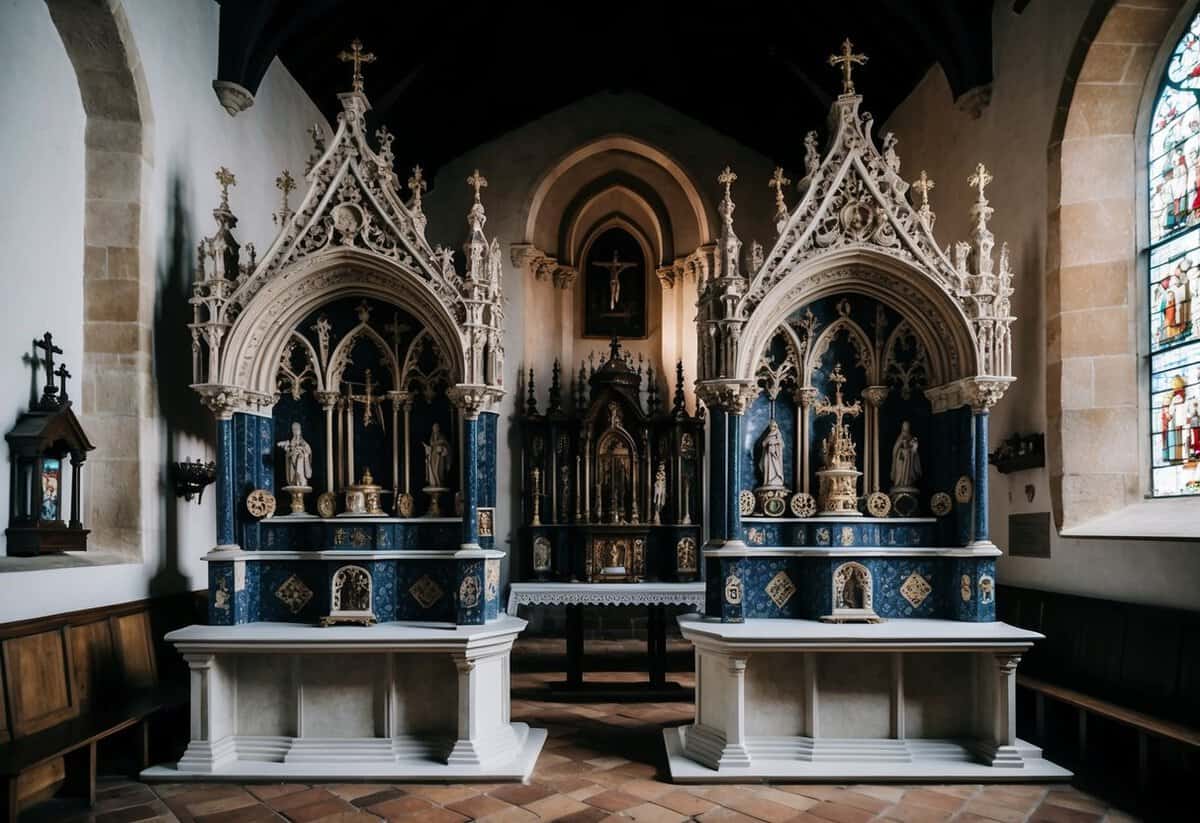
The placement of the bride and groom at the altar has deep roots in history and culture. Different traditions convey unique meanings, making the side on which each person stands important. Understanding these practices can enhance your appreciation of wedding ceremonies.
Traditional Christian Weddings
In traditional Christian weddings, the bride usually stands on the left side of the altar. This custom originates from the idea that the groom kept his sword hand free to protect his bride from potential threats. The expression “vena amoris,” meaning “vein of love,” was also a belief that the vein of love ran from the heart to the left hand, linking the groom’s heart to the bride.
You might notice clusters of symbolism here. The left-side position is not just a matter of convenience; it connects spiritual and practical elements of loving protection.
Jewish Wedding Practices
In Jewish wedding ceremonies, the positions of the bride and groom are different from traditional Christian customs. The bride typically stands on the right side, with the groom on the left when they are under the chuppah. This reversal symbolizes the importance of the bride, highlighting her central role in the ceremony.
Additionally, during the ceremony, the couple is surrounded by their families. This placement reinforces community support and shared joy for their union, emphasizing culture’s role in weddings.
Cultural Variations in Weddings
Cultural practices around the world shape how weddings are celebrated, including where the bride and groom stand. In some cultures, such as certain Aboriginal or Native American traditions, the couple may stand facing each other without strict left or right designations.
You will find varying customs even within specific regions. For example, in some parts of Asia, the arrangement can differ based on local traditions, with meanings tied to familial respect and heritage.
Through these variations, you see that wedding customs are a blend of history, culture, and personal significance. Understanding these aspects can deepen your appreciation for modern ceremonies.
Roles and Arrangements During the Ceremony
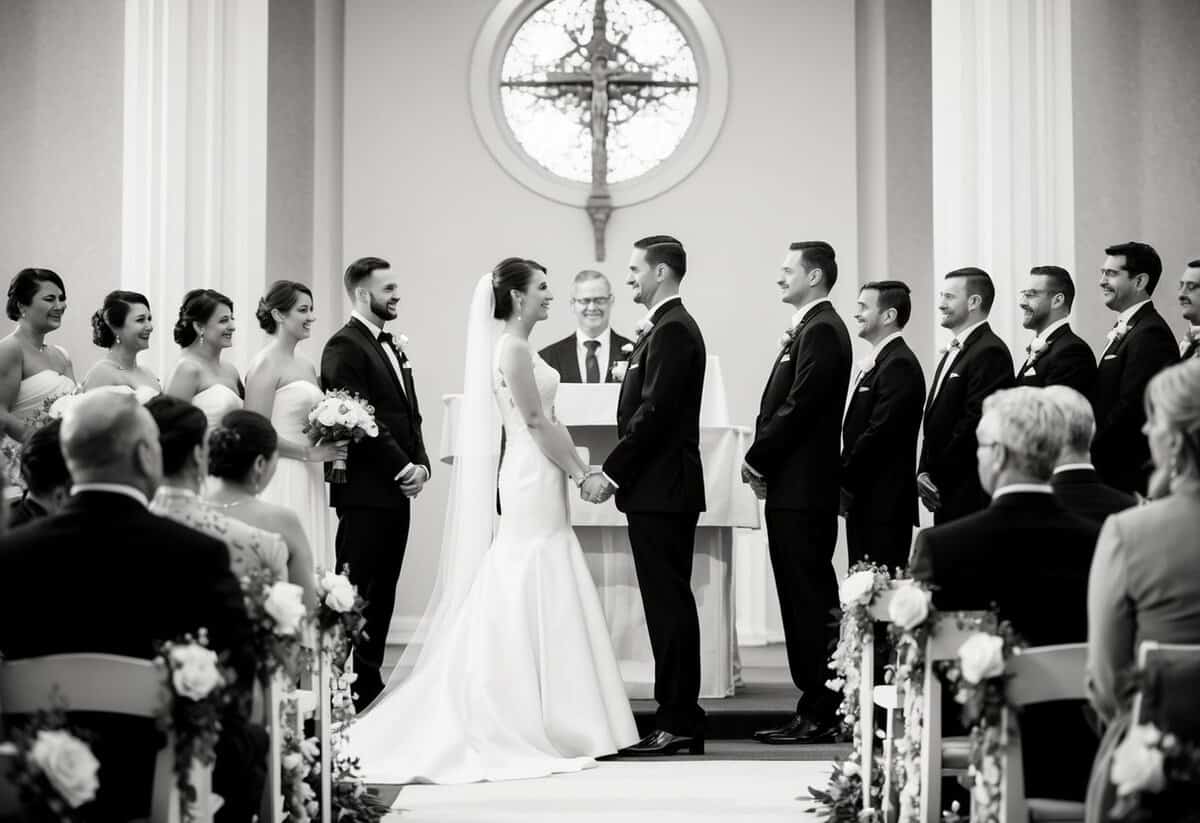
Understanding the roles and seating arrangements during the wedding ceremony can help you plan the event more smoothly. It ensures everyone knows where to be, making the day special for all involved.
Processional Order and Positioning
The processional is a key moment when everyone walks down the aisle. Typically, the groom and best man stand at the altar first, on the right side.
Then, the bridesmaids enter from the left, followed by the bride, who walks down the aisle last. This order allows guests to see the bride clearly as she makes her grand entrance.
The officiant stands centrally, guiding the ceremony. If there are children involved, they might walk ahead of the bride, sprinkling petals or holding rings. This creates a lovely scene and adds meaning to the moment.
Altar Placement and Bridal Party
At the altar, it’s traditional for the bride to stand on the left side of the groom. This arrangement usually symbolizes the groom’s heart being on the left.
The bridal party consists of the maid of honor and bridesmaids standing beside the bride, while the best man and groomsmen are next to the groom.
This setup creates a balanced look and provides support for both the couple and their families during the ceremony. It helps everyone feel included in this significant moment.
Parental Seating Norms
Parental seating during the ceremony is also important to consider. Traditionally, the bride’s parents sit on the left side of the venue, while the groom’s parents take the right side.
This positioning shows the joining of two families.
Often, the bride’s mother is escorted to her seat just before the processional begins. This helps highlight her role in the ceremony. The groom’s parents might also be seated early to show their support.
Making these arrangements well in advance can ease any stress on the wedding day.
Interpreting the Seating Arrangement
When planning your wedding, understanding the seating arrangement can help create a smooth and meaningful ceremony. This arrangement often reflects traditional roles and can enhance the overall experience for you and your guests.
Understanding the Sides of the Altar
At the altar, the seating arrangement follows a common tradition. The groom and his groomsmen typically stand on the right side. In contrast, the bride and her bridesmaids stand on the left. This setup not only places both parties facing the officiant but also highlights each side’s importance.
You might want to think about your personal preferences and family dynamics when deciding this arrangement. Whether you follow tradition or create your unique setup, the key is ensuring that everyone feels comfortable and represented.
Bridesmaids and Groomsmen Positions
The placement of bridesmaids and groomsmen also plays a role in the ceremony’s flow. Usually, the best man stands to the right of the groom, while the maid of honor stands to the left of the bride. This positioning symbolizes support for both partners during the ceremony.
Make sure to communicate with your bridal party about their roles and positions. Creating a clear plan can help reduce any confusion on the wedding day. You want everyone to be ready when it’s time to walk down the aisle.
Significance of the Bridal Party Table
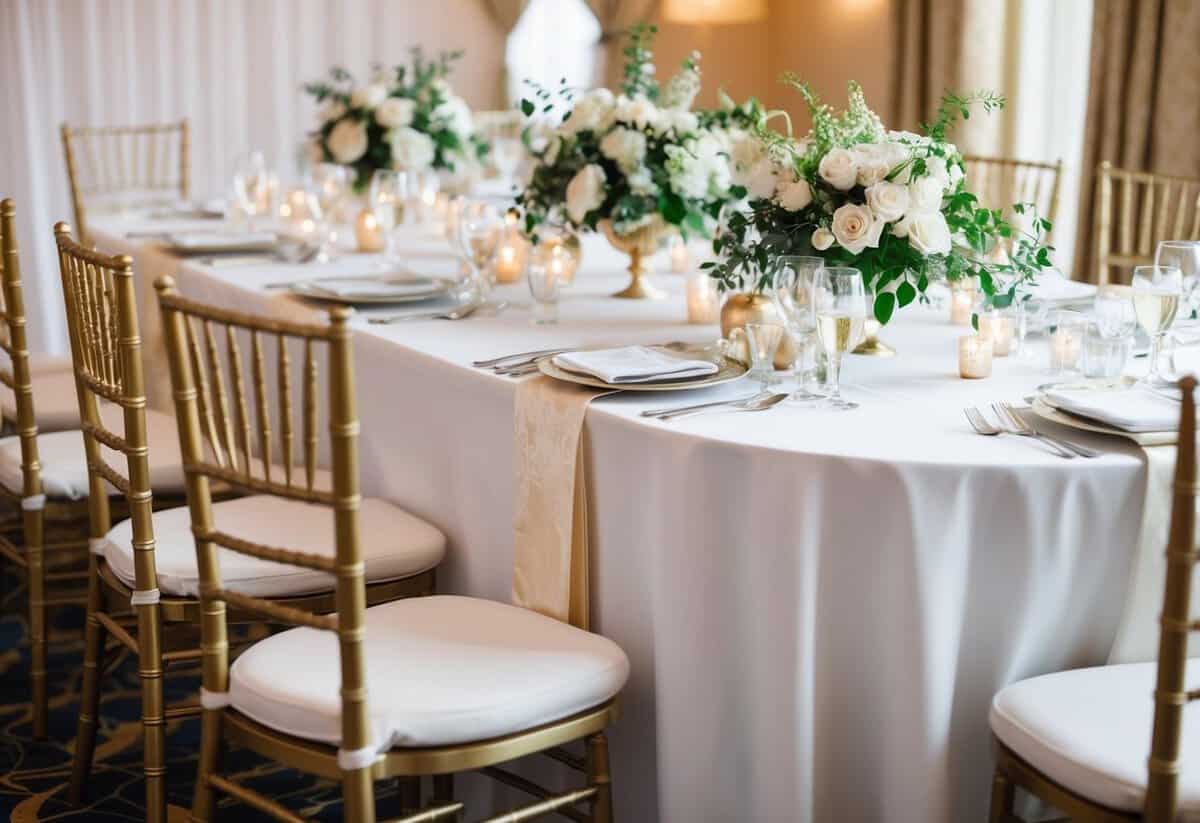
During the reception, the bridal party table is where the couple and their closest friends gather. This table often reflects the side of the altar where the bride and groom stood.
Typically, the bride sits on the groom’s left, with the best man and maid of honor by their sides. This arrangement symbolizes unity and support among close friends and family.
When arranging this table, consider the dynamics of your relationships. It can set a positive tone for the evening and encourages meaningful connections among your loved ones.