
Does It Matter What Side the Bride Sits On? Unpacking Wedding Seating Traditions
When planning a wedding, many details can feel overwhelming, but one question often arises: does it matter what side the bride sits on? Traditionally, the bride sits on the left side at the reception, symbolizing her connection to the groom’s heart. This practice is more than just a seating choice; it’s a celebration of love and the enduring traditions that make weddings special.
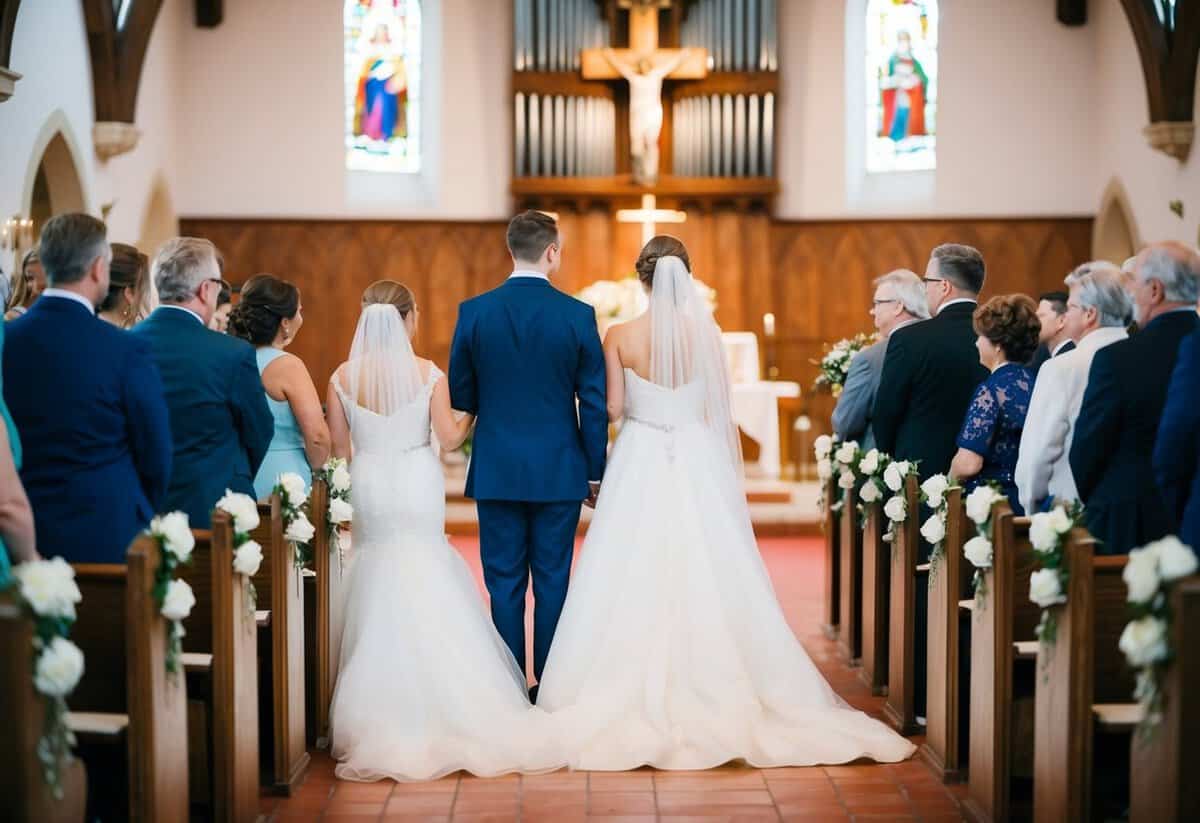
Understanding where the bride sits can help you make decisions that honor the significance of the ceremony. Each choice reflects the unique customs and values of the couple, creating a personal experience that resonates with family and friends.
As you explore the reasons behind these traditions, you’ll find that they add layers of meaning to your wedding day.
Embracing these customs allows you to infuse your celebration with rich symbolism. From choosing which side to sit on to other aspects of the ceremony, these details contribute to the overall atmosphere of love and unity that weddings are meant to embody.
Historical Context and Evolution
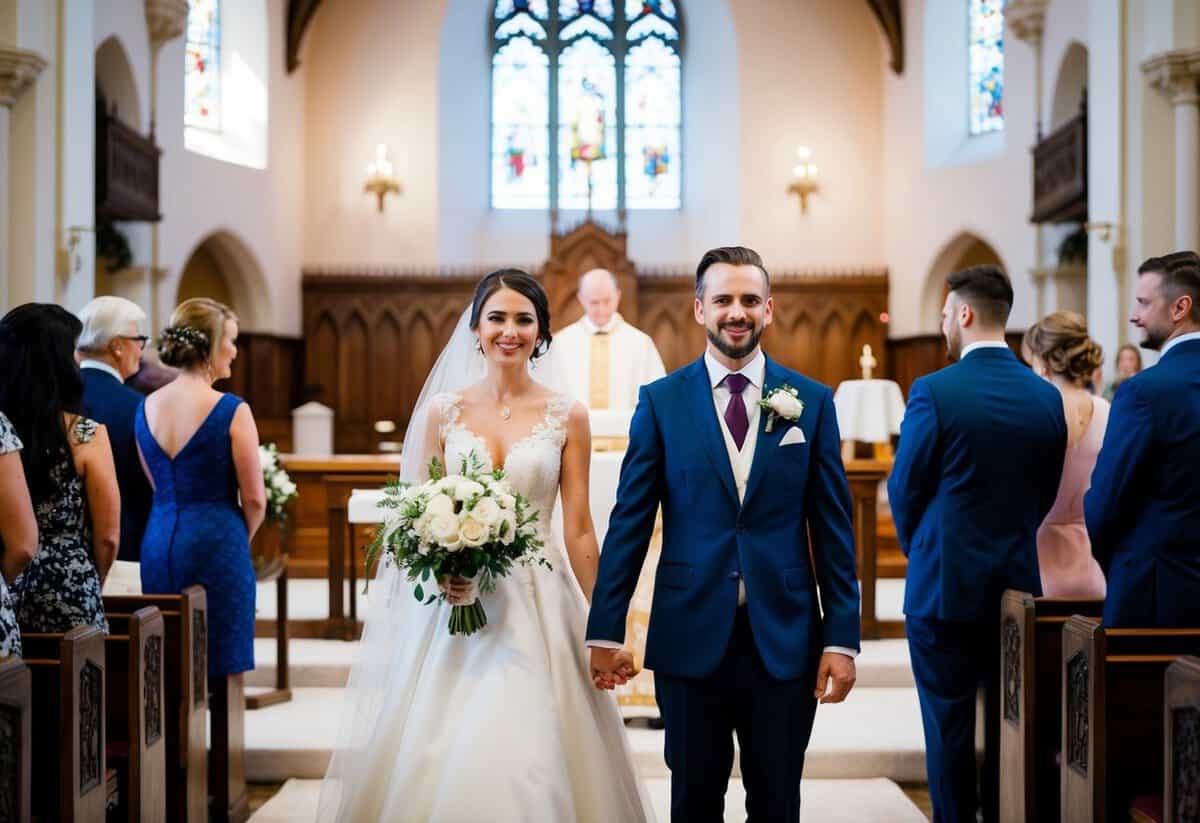
To understand the importance of which side the bride stands on, it helps to look back at its historical roots. The choices made during traditional weddings have evolved over time, shaping the customs we recognize today.
Origins in Medieval Times
During medieval times, wedding traditions played a significant role in society. The bride typically stood on the left side of the altar. This practice was not just random; it had practical reasons.
Grooms often needed their right hand free to defend their brides from potential threats. It was a dangerous world, and having a free hand to fight off attackers was crucial. Additionally, the bride’s father would stand on the left, symbolizing protection and support.
As a result, this arrangement became a lasting tradition that couples still honor today.
Modern Adaptations
In modern weddings, the tradition of where the bride stands has evolved, although many still follow the custom of the bride being on the left. The significance is often less about protection and more about symbolism, representing love and unity.
Couples may choose sides based on personal preference or cultural practices. In some cultures, the bride stands on the right, as seen in certain Jewish wedding ceremonies.
While the reasons have changed, the kindness and respect behind these traditions remain important. You can feel the weight of history in every aspect of a wedding, making it a special event for everyone involved.
Cultural and Religious Customs
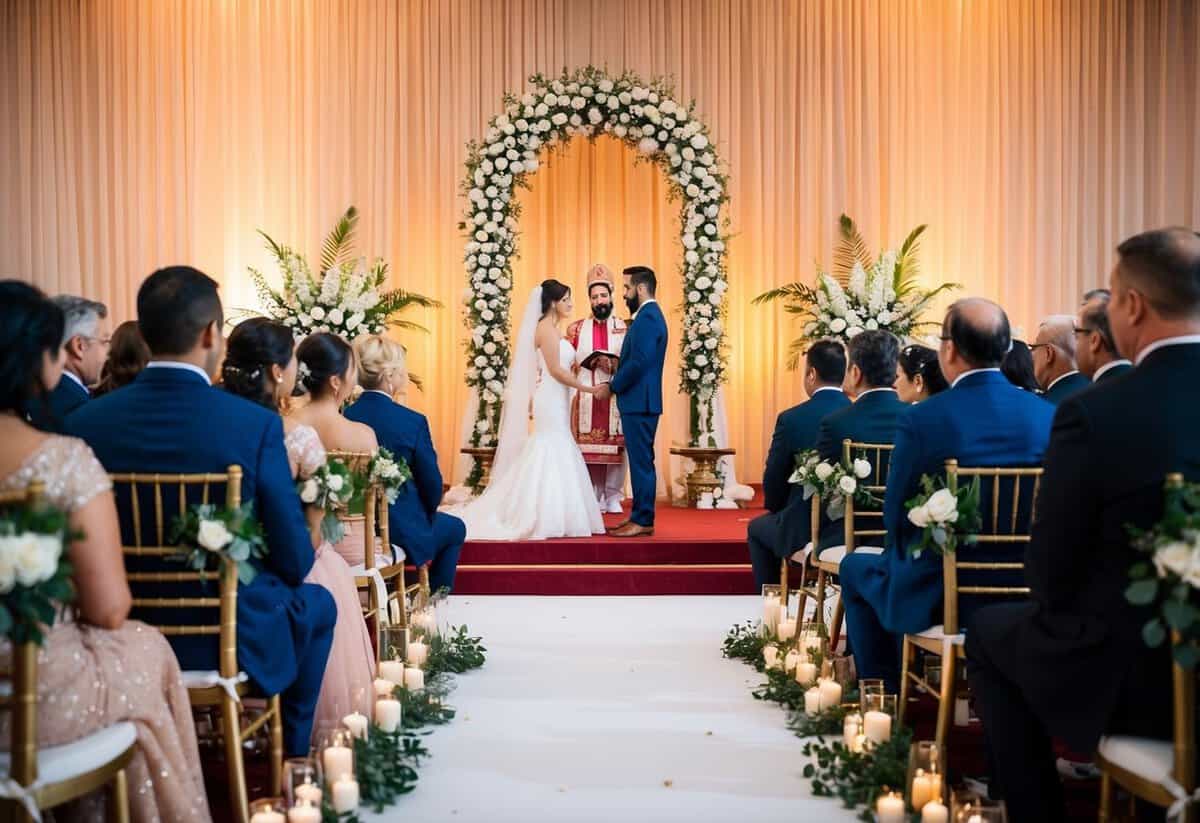
Wedding customs vary widely across different cultures and religions. Each tradition reflects unique meanings and values. Understanding these customs can enhance your appreciation of wedding ceremonies.
Jewish Wedding Traditions
In Jewish weddings, the seating arrangement has specific customs. The groom’s family typically sits to the left when facing the altar, symbolizing his role as the protector. The bride’s family is seated on the right. This arrangement symbolizes the joining of two families.
During the ceremony, the bride circles the groom seven times, representing the creation of a new family unit.
Guests often stand during the important moments of the ceremony, especially under the chuppah, a canopy symbolizing the couple’s new home. These practices underscore the importance of family in Jewish wedding celebrations.
Christian Ceremony Practices
In Christian weddings, traditions may vary by denomination. The bride traditionally stands on the left side of the altar. This symbolism comes from the idea that she is leaving her family behind to join her new husband, who is usually on the right.
During the ceremony, the couple exchanges vows and rings, signifying their commitment.
In some Christian traditions, the bride and groom kneel during the ceremony for blessings. Newer practices may allow for personalization, but the core beliefs about love and commitment remain central.
Hindu Wedding Rituals
Hindu weddings feature several vibrant rituals. The bride usually sits on the left, symbolizing her transition from her family to her husband’s.
The ceremony typically includes the “saat phere,” or seven circles around a sacred fire. Each round represents a vow the couple makes to each other.
Guests celebrate with music and dance, adding a festive atmosphere. Traditions can differ among regions, but family and community play a vital role in these joyous events. Understanding these rituals helps appreciate the significance behind each act.
Seating Arrangements and Layouts
Seating arrangements at a wedding hold more significance than many realize. The decisions you make about seating can influence the flow, comfort, and overall atmosphere of the ceremony and reception.
Determining The Side: Bride or Groom?
Traditionally, the bride sits on the left side of the altar, while the groom sits on the right. This arrangement symbolizes the groom’s protective role over the bride.
For your ceremony, think about family dynamics. You might want to seat close family members on your respective sides. This can help both families feel represented and included.
When creating your seating chart, consider what will make you and your partner most comfortable. You can always tailor the arrangement to better fit your style and preferences, especially if you’re shaking off old traditions.
Altar and Head Table Placement
Altar placement can greatly affect your wedding’s vibe. If you choose an outdoor wedding, consider how the natural surroundings influence where you stand.
The head table is typically positioned in a way that allows you to see all your guests. Many couples opt for a sweetheart table, which gives you a more intimate setting to enjoy your meal together.
Be mindful of sightlines. Guests should be able to see you at the altar without any obstructions. Proper placement encourages emotional connections and enhances the overall experience.
Innovations in Reception Seating
Modern weddings embrace unique reception seating options. Traditional long tables are being replaced with circular setups or lounge-style seating.
Consider mixing styles—some guests may enjoy table seating, while others relax on comfortable couches. This encourages mingling, making your celebration more engaging.
Personal touches can also play a role. Use name cards or themed decorations to add to the ambiance. Think about including communal tables to bring guests together, prompting conversation and connections among friends and family.
Personal Choices and Modern Trends
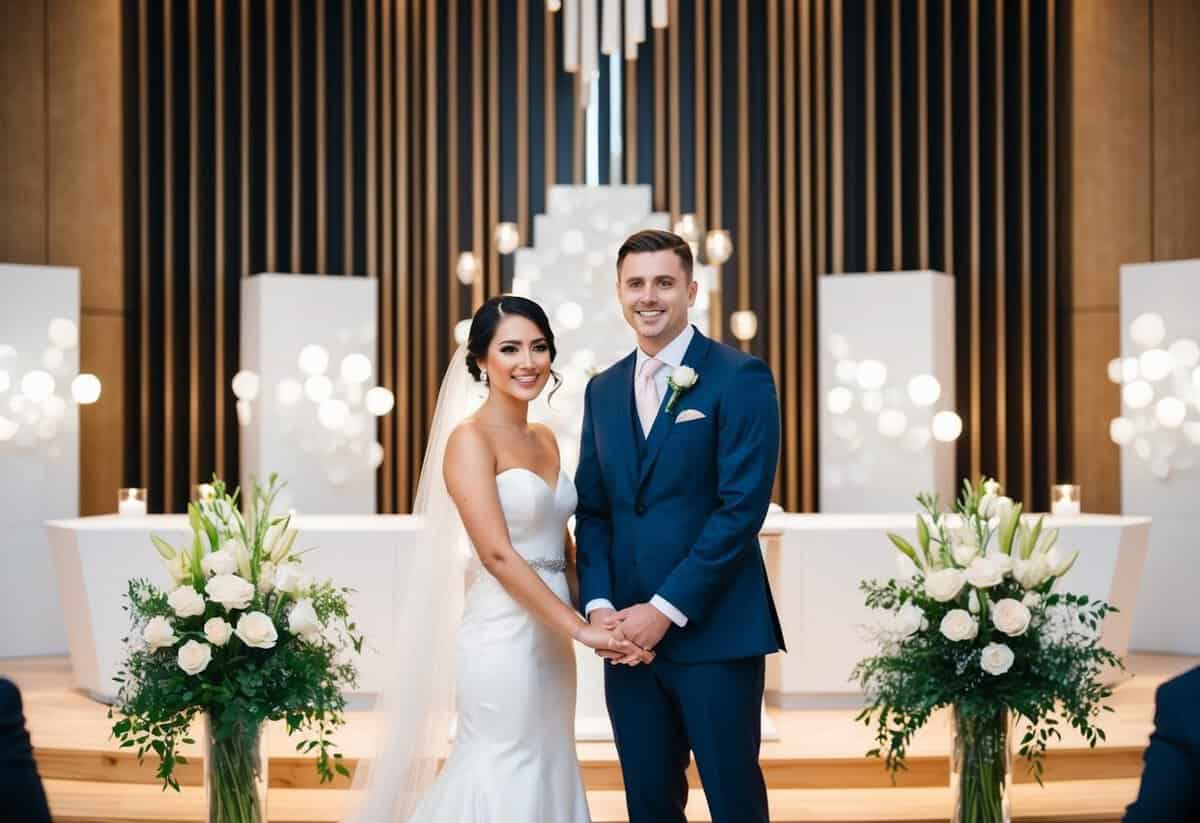
The choice of which side the bride sits on is influenced by personal preferences and evolving wedding traditions. Today, more couples are embracing unique ideas that reflect their personalities and relationships.
Individual Preferences in Seating
When it comes to seating arrangements, personal preference is key. Some couples choose to follow traditional customs, where the bride sits on the left, often symbolizing her connection to the groom’s heart. Others may decide based on family dynamics or simply what feels right for them.
You can create a seating chart that combines both families, blending friends and relatives for a warm atmosphere. If you have a mixed bridal party with bridesmaids and groomsmen, consider how they might influence the seating. It’s all about what makes you comfortable and happy on your big day.
Emerging Roles in the Bridal Party
The roles within the bridal party are evolving. Traditional titles like “maid of honor” are now complemented by options such as “man of honor” or even a “bridesman.” These modern roles can shape seating arrangements too.
For example, if your man of honor has a special role during the ceremony, you might want him seated close to you. Each role can hold significance, and it’s important to reflect that in how you arrange the seating. This way, everyone feels included and celebrated, making the ceremony feel personal and unique.
Creative Ceremony and Reception Ideas
Many couples are looking for creative twists in their wedding setups. This includes choosing unconventional seating methods like family style. Another option is a sweetheart table, where you and your groom can sit together, away from the traditional setup.
You can also experiment with your bridal hairstyle to match your personality, further personalizing the event. Think about using different colors or styles for bridesmaids that complement the theme. Customizing these elements makes your ceremony more about you and your love story rather than just following tradition.