
Does Man Buy His Own Wedding Ring? Exploring Modern Traditions and Choices
When it comes to buying wedding rings, many people wonder about the roles and traditions involved.
Traditionally, the man often buys his own wedding ring or both rings for him and his partner. However, modern couples may choose to share the responsibility. This shift has made planning for wedding expenses more collaborative and personal, reflecting each couple’s unique commitment to one another.
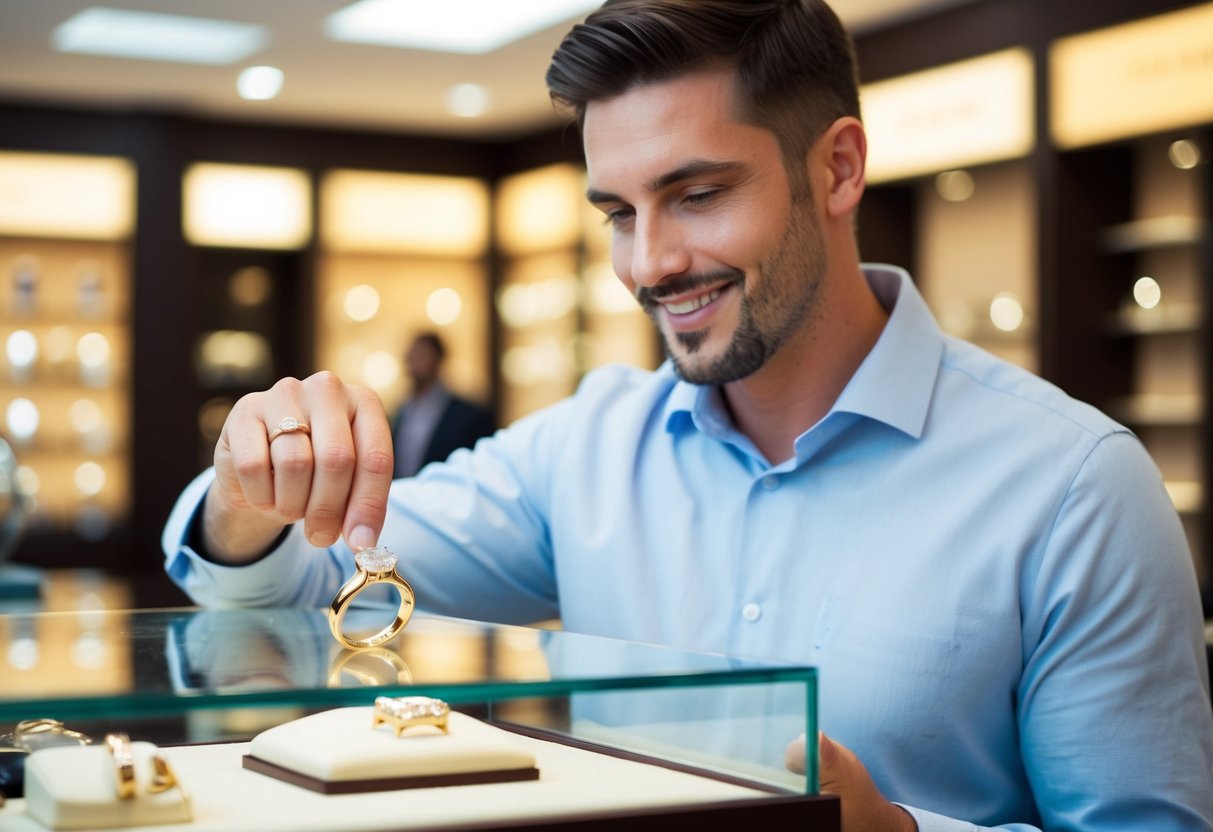
As you explore the customs around wedding rings, you might find that some men prefer to have a say in their own ring selection. This choice can symbolize not just personal style but also the couple’s approach to partnership. Understanding these perspectives can enhance the meaning behind your wedding rings and strengthen your commitment.
Navigating the details of wedding expenses can be tricky, but knowing who buys what can help ease some of the stress. Whether you decide to follow tradition or create your own rules, the most important thing is that your choice reflects your love and commitment.
Understanding Wedding Ring Traditions
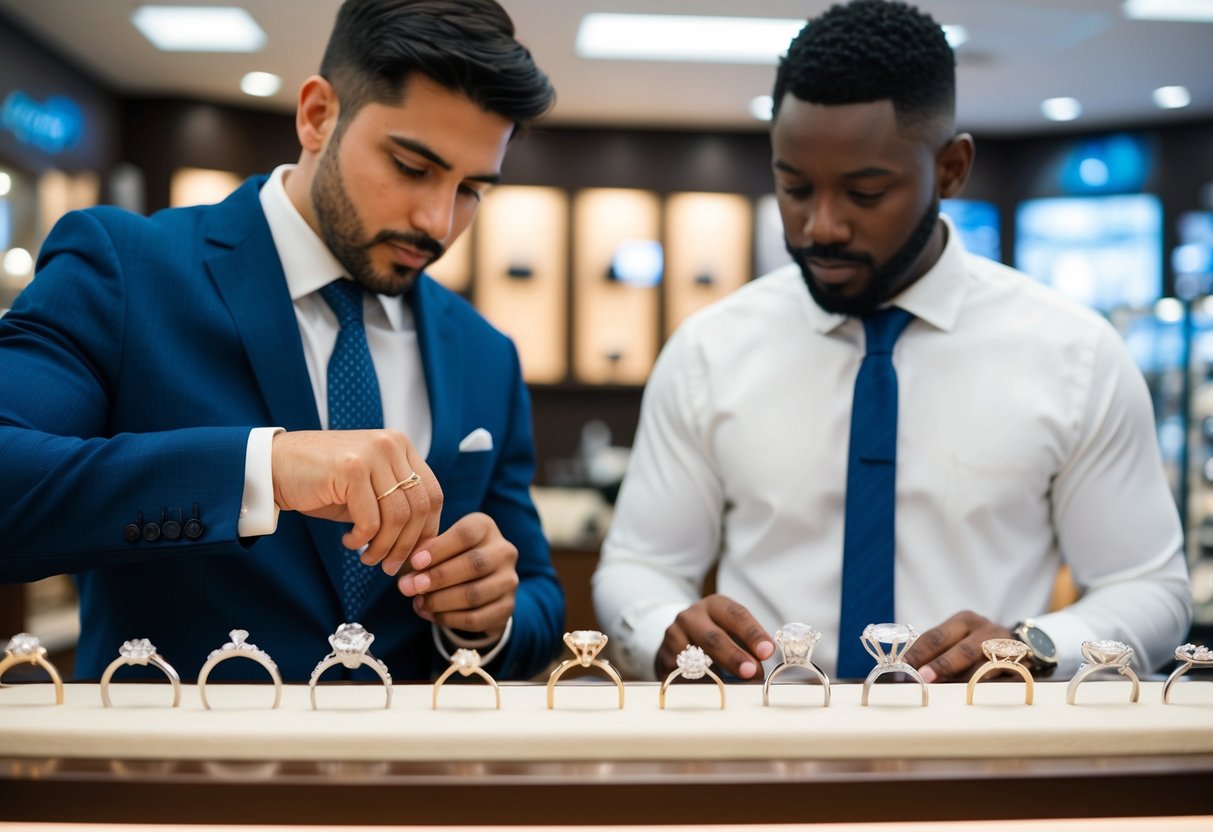
Wedding ring traditions have deep roots in history and continue to evolve today. These traditions reflect societal norms and gender roles, shaping how couples approach the purchase and meaning of wedding bands.
Historical Context of Wedding Bands
Wedding bands date back thousands of years, often symbolizing eternal love and commitment. Ancient Egyptians used simple rings made from reeds and leather. The circular shape represents infinity, with no beginning or end.
In the past, tradition placed the responsibility of purchasing wedding bands on the groom or his family. This reflected societal norms where the man was seen as the provider. As time evolved, these norms changed, allowing for more collaborative choices in selecting rings.
Contemporary Wedding Band Practices
Today, you may notice a variety of approaches to buying wedding rings. Many couples now choose to shop together to reflect their personal styles. This shift promotes shared responsibility in choosing rings that represent both partners.
You might also see engagement rings and wedding bands purchased separately. This allows for more personalization and expression of individual tastes.
Moreover, some couples are embracing the idea of each partner buying their own rings. This trend highlights a move toward equality and personal expression in marriage.
Societal Norms and Gender Roles
Societal norms around wedding bands have shifted significantly. Traditionally, it was expected that the man would buy both rings, reinforcing gender roles. However, many modern couples believe in breaking these norms.
Today, the idea of a woman buying a man’s wedding ring is becoming more acceptable. This reflects growing gender equality in relationships. You are likely to find couples discussing their preferences openly, which helps each partner feel included in the wedding planning.
These changes illustrate the evolving landscape of love and commitment. As you navigate these traditions, remember that the best choices are those that resonate with you and your partner.
Deciding on the Groom’s Ring

Choosing a groom’s wedding ring is an important decision that reflects your personal style, relationship, and commitment. You’ll want to consider several factors, including the design, store options, and what makes a band special to you.
Considerations for Men’s Wedding Bands
When selecting a men’s wedding band, think about the materials. Popular choices include gold, platinum, and tungsten. Each metal has its own look, feel, and durability.
You may also want to consider the width of the band. Wider bands can create a bold statement, while slimmer bands often feel more comfortable.
Another factor is the design. Do you want something classic or modern? Many people appreciate unique designs that tell a story about their relationship. Customization can also add a personal touch.
Wedding Band or Wedding Ring?
The terms “wedding band” and “wedding ring” are often used interchangeably, but there can be subtle differences. Typically, a wedding band is a simpler design that emphasizes the commitment between partners.
A wedding ring might include more intricate designs or gemstones. Decide which best represents your style. Think about whether you want something timeless or something that stands out.
Also, consider practicality. Some rings sit lower on the finger and are less likely to catch on things, which can be great for an active lifestyle.
Navigating Jewelry Stores and Options
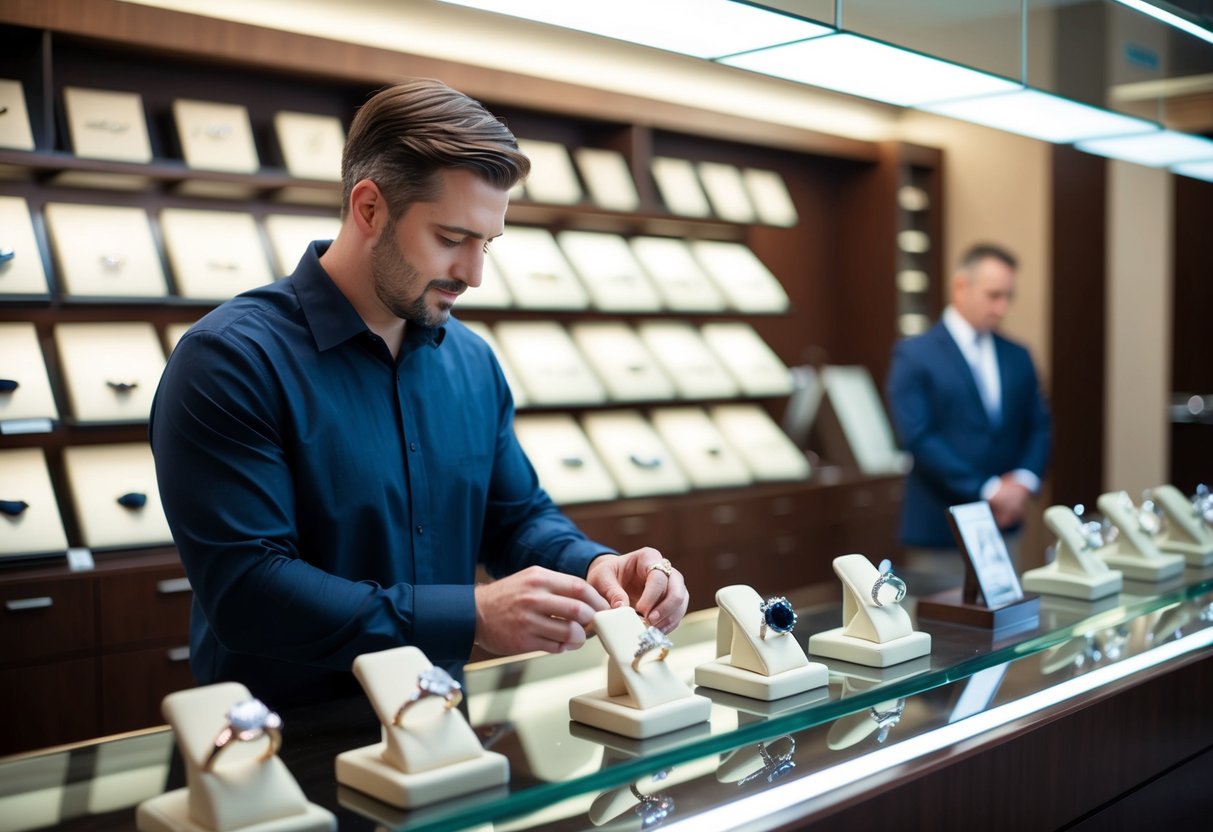
Visiting a jewelry store can be both exciting and overwhelming. It’s important to choose a store that offers a range of options. Look for a place that specializes in men’s wedding bands.
Don’t hesitate to ask questions about the materials and craftsmanship. Reputable stores typically have knowledgeable staff who can guide you.
Consider trying on different styles. This will help you find a band that feels right. Make sure to also explore unique designs, as they can add personality to your wedding band.
Keep an eye out for sales or promotions. This can help you find the perfect ring without breaking your budget. Happy shopping!
The Purchase Process
When it comes to purchasing wedding bands, there are many choices to consider. Understanding who buys the rings and how to approach the buying process can help make it a fun and meaningful experience for you both.
Who Buys the Wedding Bands?
Traditionally, the man often took on the responsibility of buying both rings. However, this custom has evolved. Today, many couples take a more inclusive approach.
You might decide that the woman buys the man’s ring, or perhaps you both agree to share the responsibility. It’s essential to clarify expectations early on. Open communication can help avoid misunderstandings and ensure both partners feel valued in the decision-making process.
Collaborative versus Personalized Approach
Choosing a collaborative or personalized approach matters when deciding on wedding bands. A collaborative approach involves both partners shopping together and discussing preferences openly. This can strengthen your connection and ensure you find rings that represent your unique bond.
Alternatively, a personalized approach may see you each selecting your own rings. This can be meaningful if you want pieces that reflect your individual styles. Whatever route you choose, keeping the lines of communication open will help you both feel satisfied with the outcome.
Matching Bands and Joint Decisions
Matching bands are becoming more popular among couples who want a unified look. If you both agree on matching designs, consider discussing styles, colors, and materials that resonate with you.
Making a joint decision about your rings can symbolize unity in your relationship. It’s important to factor in personal tastes while choosing matching bands.
You can also explore options like engravings or stones that reflect your love story. This way, both rings feel special and personal to you.