
Does Mary Ever Get Married? Exploring Her Romantic Journey
Many people wonder about the relationship between Mary and Joseph. After the birth of Jesus, people believe that Mary and Joseph got married. Even though the Gospels do not clearly state their wedding, this question often sparks curiosity about the customs and traditions of marriage in the time they lived.

Understanding their connection can reveal a lot about the culture of the first century. As you explore this topic, you’ll discover how their relationship was shaped by the norms of their society, including betrothal practices and the significance of marriage at that time.
By diving deeper, you’ll gain insight into how Mary and Joseph navigated their unique circumstances and what their story means today.
Mary and Joseph: The Betrothal
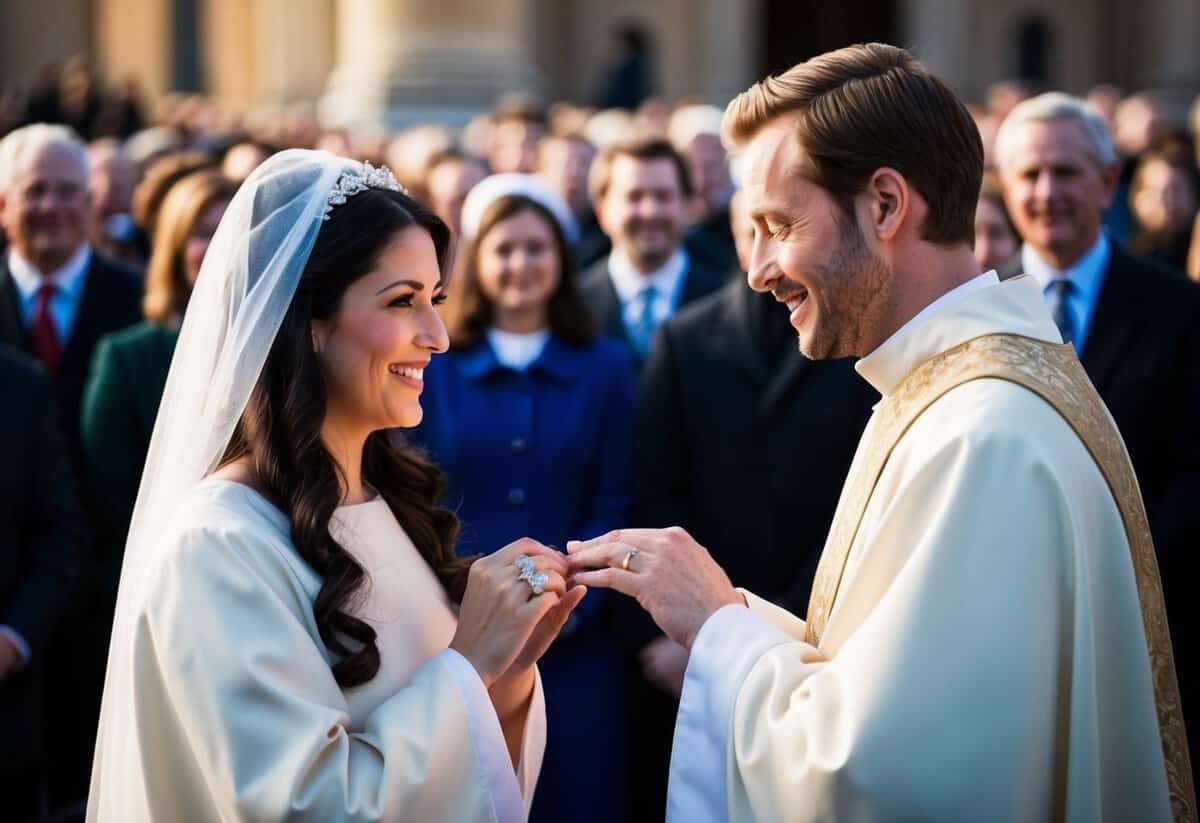
The betrothal of Mary and Joseph serves as an essential part of their story. This period was rich in cultural significance and changed dramatically with the announcement from the Angel of the Lord.
Cultural Context of Betrothal in Ancient Israel
In Ancient Israel, betrothal was much more than a simple engagement. It was a formal agreement that made the couple legally bound to each other.
Families often arranged these unions to strengthen ties and secure alliances. The betrothal period usually lasted about a year. During this time, the couple lived apart, typically with their parents.
This allowed them to prepare for married life. The man, considered the legal husband, would come for his bride when the time was right. This procession marked the beginning of their life together.
The Announcement of Mary’s Betrothal to Joseph
Mary’s betrothal to Joseph becomes even more significant with the appearance of the Archangel Gabriel. He announces that Mary will conceive by the Holy Spirit. This revelation stunned Joseph, who initially thought about quietly ending the betrothal.
However, an Angel of the Lord appeared to him in a dream. The Angel reassured him that Mary’s child was of divine origin. This moment solidified their bond as they moved forward in faith together.
Mary and Joseph’s story teaches you about trust, commitment, and the cultural values of their time. It highlights how strong family ties and divine messages influenced their lives.
The Nativity: A Holy Union
The Nativity is a significant event that highlights the unique union between Mary and Joseph as they welcome Jesus into the world. This miraculous occasion showcases the devotion of both parents and emphasizes the divine aspects of Jesus’ birth.
The Journey to Bethlehem and Jesus’ Birth
Mary and Joseph traveled to Bethlehem for a census ordered by the Roman government. As they journeyed, Mary was close to giving birth. They faced many challenges, including finding a place to stay. When they arrived, there was no room in the inn.
Mary gave birth to Jesus in humble surroundings, likely a stable or cave. Despite the simplicity, angels announced His arrival, stating that this child is the Savior. The event fulfilled prophecies, showing Jesus as the long-awaited messiah. This moment marked the beginning of a new chapter in history.
The Role of the Virgin Birth in Marriage
The virgin birth is central to Mary’s story and her marriage to Joseph. The Holy Spirit conceived Jesus within Mary, highlighting her as the Mother of God. This unique situation created a special bond between Mary and Joseph.
Though they were betrothed, their relationship was different from typical marriages. Joseph, knowing Mary’s condition, faced a difficult choice. In deciding to remain with her, he demonstrated deep love and trust. Their unity, marked by faith and commitment, set the stage for raising Jesus in a loving home, fulfilling both divine and familial roles.
Marriage Customs and Beliefs
In understanding Mary’s relationship and societal context, it’s important to look at the marriage customs of her time. These customs included the wedding ceremony, consummation traditions, and the concept of perpetual virginity. You will find that beliefs about marriage significantly influenced how Mary was viewed.
Wedding Ceremony and Consummation Traditions
During Mary’s time, engaging to marry was a serious commitment. When Mary and Joseph were betrothed, they were legally considered married, even before the wedding ceremony took place. The bride often moved into the groom’s father’s household, indicating a strong family structure.
The wedding ceremony included blessings and a celebration. After the ceremony, the couple would typically consummate their marriage. This act confirmed the bond and was expected within the marriage customs. The bride price, or mohar, was also part of the tradition, representing the groom’s commitment to the bride’s family.
Perpetual Virginity and Its Significance
The belief in Mary’s perpetual virginity is significant in Christian doctrine. This view holds that Mary remained a virgin before, during, and after the birth of Jesus. St. Augustine supported this belief, arguing that her virginity was spiritually important.
Many consider this vow of virginity a symbol of her unique role as the Mother of God. It separates her from typical marital customs, emphasizing her purity. This belief has shaped many people’s understanding of Mary and her life, highlighting the theological importance attributed to her virginity.
Historical and Theological Perspectives
When exploring whether Mary ever married Joseph, it helps to look at both historical views and theological interpretations. These perspectives show how different cultures and beliefs shaped their relationship.
Interpretations of Marriage and Virginity
In various religious traditions, Mary and Joseph’s relationship is often seen through the lens of both marriage and virginity. The Gospels mention that Joseph was a righteous man and initially planned to divorce Mary quietly when he learned she was pregnant by the Holy Ghost.
This leads to questions about the nature of their union. Some interpretations suggest that they were betrothed, which means they were legally bound but not yet living together as husband and wife. The passage in Matthew 1:25 emphasizes that Joseph “knew her not until she had borne a son,” suggesting that Mary remained a virgin even after Jesus was born.
Influential Texts and Figures
Several texts and church figures have influenced how you might understand Mary and Joseph’s relationship. The Golden Legend, a collection of hagiographies, portrays Mary as a permanent virgin throughout her life. Early Christian fathers also emphasized her purity, shaping theological views that still resonate today.
In theological discussions, the Annunciation is significant. At the Annunciation, the angel Gabriel tells Mary she will bear Jesus. This moment highlights Mary’s faith and willingness to follow God’s plan. Understanding these texts can deepen your insight into the sacred nature of Mary’s role and her relationship with Joseph.