
Does Mary Marry Portugal? Exploring the Romance Behind the Alliance
Mary Stuart, the Queen of Scots, faced many challenges in her quest for a suitable marriage. One of the most significant was her potential union with Portugal. However, her engagement to Tomás, the illegitimate son of King João III of Portugal, stirred significant political intrigue. This relationship was intended to strengthen ties between Scotland and Portugal amid the pressing threats from England.
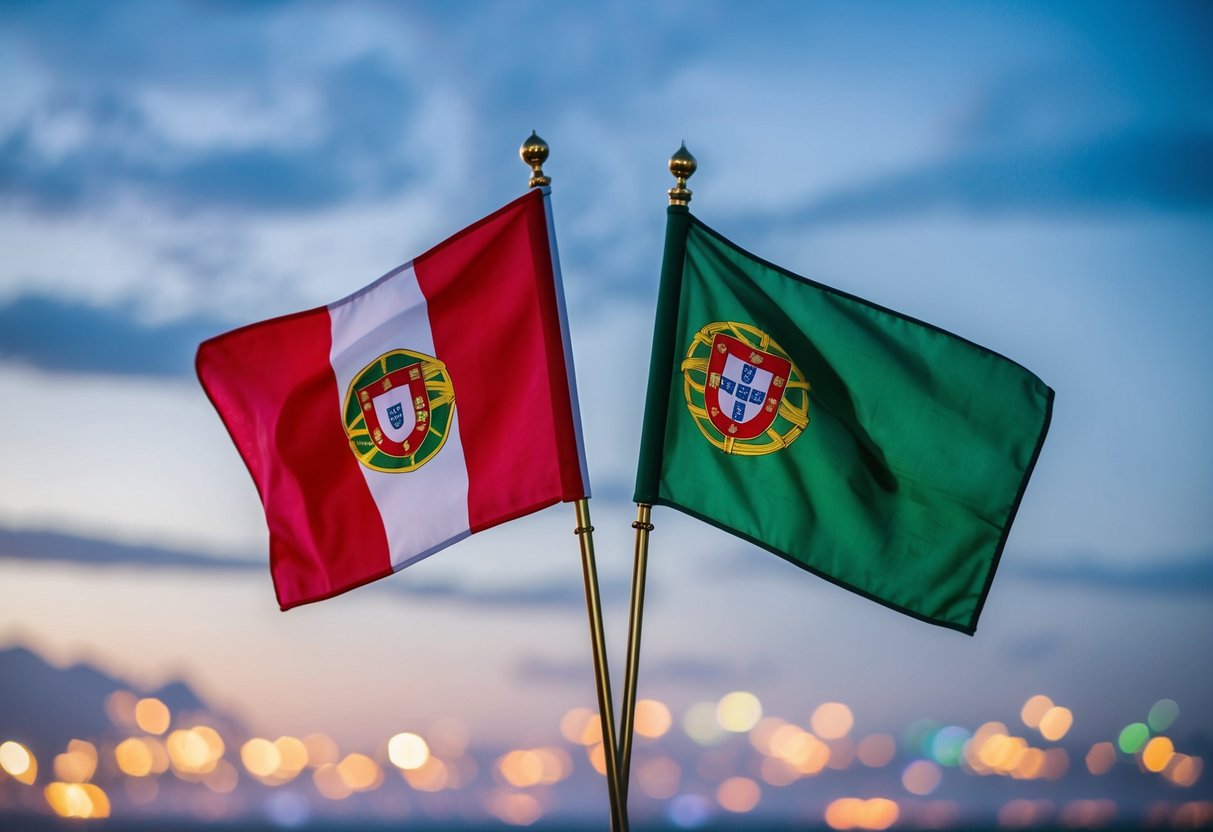
Your interest in Mary’s life brings you to a fascinating period filled with political marriages, love affairs, and dramatic choices. The lure of power often shaped her decisions, leading to fleeting romances and complicated alliances. Exploring her story sheds light on the complexities of her relationships and the ambitions that influenced her fate.
As you read further, you’ll uncover the details of her engagements, the political motivations behind them, and the impact of these decisions on her reign. The tale of Mary and Portugal is one of love, intrigue, and the struggle for power in a tumultuous time.
The Tudors and European Alliances
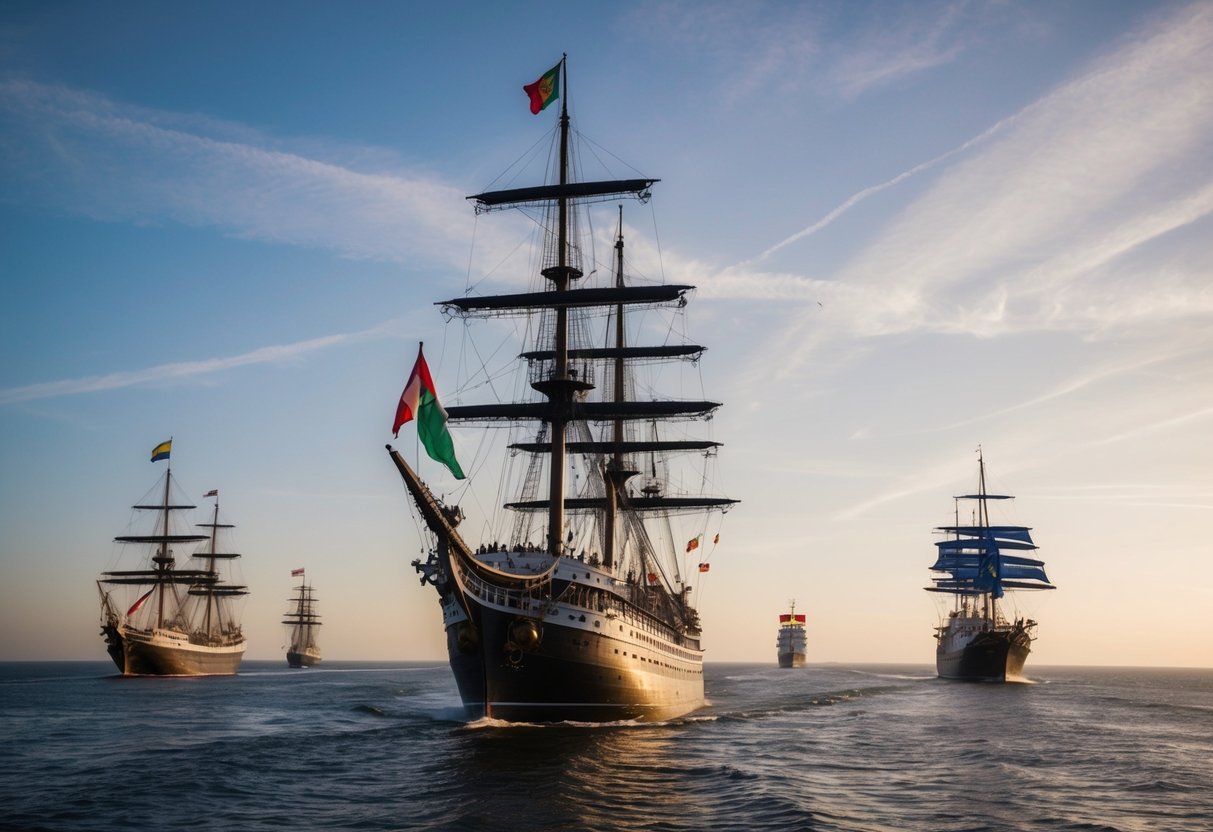
The Tudors were known for forming strategic alliances through marriages. These alliances aimed to strengthen their power and secure the throne. You will see how Mary Tudor’s place in the dynasty influenced these connections and the significance of her engagement prospects.
Mary Tudor’s Place in Tudor Dynasty
Mary Tudor was a central figure in the Tudor dynasty. As the daughter of Henry VIII and Catherine of Aragon, she was seen as a valuable pawn in the game of politics. Her royal lineage made her a desirable match for various European princes. The hope was that her marriage would unite England with another powerful nation.
However, Mary’s position was complicated by her mother’s unsuccessful marriage to Henry VIII. This history influenced perceptions and negotiations around potential alliances.
Diplomatic Marriages and European Powers
Diplomatic marriages were a key tactic for the Tudors. They aimed to forge strong ties with influential countries. For instance, Margaret Tudor, Mary’s sister, married James IV of Scotland, which helped to secure Scotland’s allegiance.
Mary was often discussed as a potential bride for several European princes, including Francis I of France. These alliances would bolster English security against rivals, particularly France.
Yet, the political landscape was tricky. The marriages needed to favor the king’s interests and avoid rebellion among the English nobility. Your understanding of these dynamics helps appreciate why alliances were so important during this era.
Mary’s Engagement and Marital Prospects
Reports depicted several efforts to engage Mary to potential suitors, including her cousin Charles. When Mary was only six, talks of a match with Charles began. This would have strengthened ties with the House of Habsburg.
However, as politics shifted, Charles married Isabella of Portugal instead, changing the landscape.
Mary’s eventual marriage to Philip II of Spain sparked unrest in England. Many felt that this alliance favored Spain too much, showing that each engagement had lasting implications.
Profiles in Matrimony

In this section, you’ll explore important marriages that shaped the lives of prominent historical figures, including Mary Tudor, and their connections with Portugal. The dynamics of these relationships reflect the political and personal alliances of their time.
Mary Tudor and Louis XII of France
Mary Tudor was the sister of King Henry VIII of England. In 1514, she married Louis XII of France. This marriage was politically motivated, aiming to solidify peace between England and France.
Louis was much older than Mary, which made their union quite challenging. Despite this, Mary was crowned Queen of France, and she played an active role in the court. Unfortunately, Louis passed away in 1515, just months after their marriage. This sudden loss left Mary a widow, opening the door for new possibilities in her life.
Mary’s Subsequent Marriage to Charles Brandon
After Louis XII’s death, Mary Tudor caught the eye of Charles Brandon, her long-time friend and the Duke of Suffolk. Their bond grew, leading them to marry in secret around 1515.
This union was controversial. Henry VIII did not initially approve, as he wanted to maintain political alliances he had built. However, Charles promptly won over the king by showing his loyalty. Together, Mary and Charles had four children, cementing their legacy. Their marriage exemplified the blend of personal desire and political pragmatism common at the time.
Maria of Portugal and the European Scene
Maria of Portugal was a significant figure in European dynasties during the early 16th century. Born in 1527, she was a daughter of John III of Portugal. Her marriage to Francis, a French prince, highlighted Portugal’s growing influence in Europe.
This alliance served as an important step in strengthening ties between France and Portugal. Maria played an essential role in maintaining these connections, embodying the values and duties expected of royal women. Her life marked the shift toward a more interconnected European aristocracy, where marriages often were driven by the desire for political stability and strength.
Cultural Impact and Historical Significance
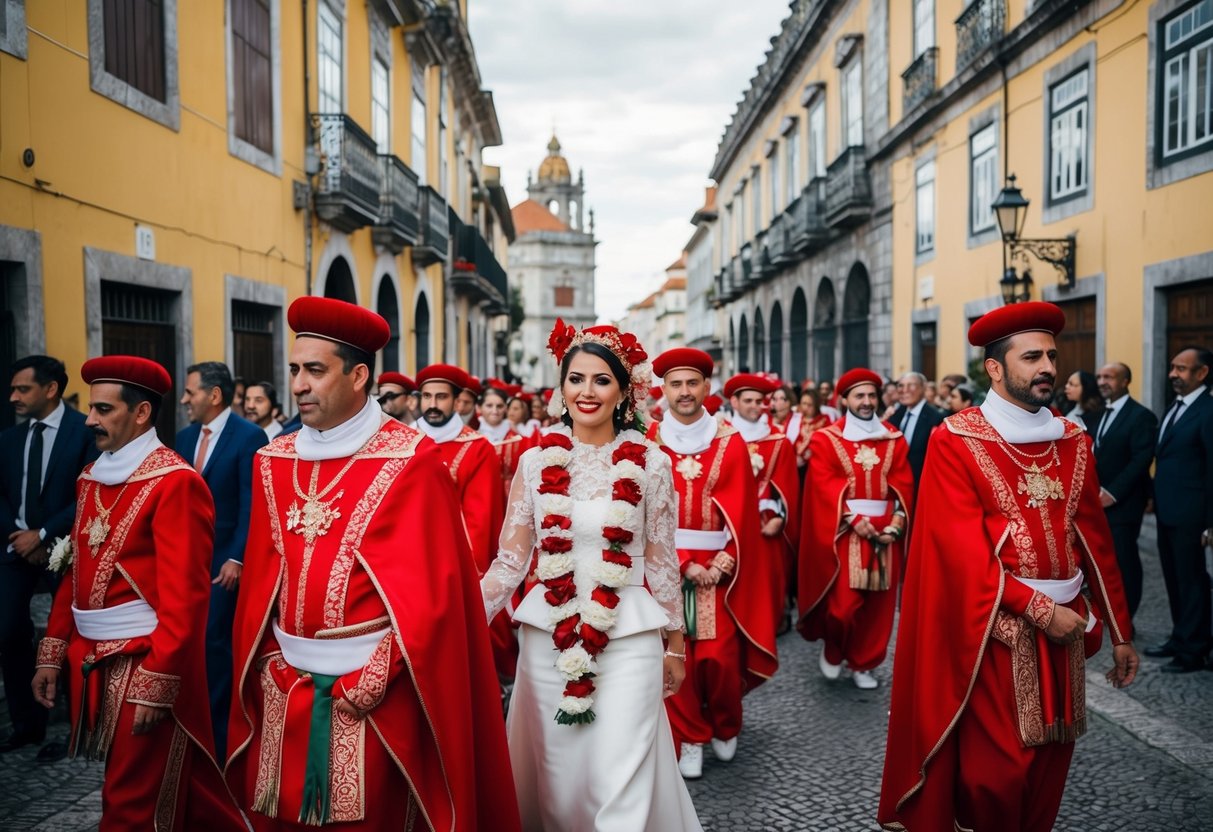
You’ll find that the marriage negotiations involving Mary influenced significant political relationships in Europe during her time. These connections particularly affected Scotland, France, and Portugal, shaping how nations interacted and aligned with one another.
Influence on Scotland and Portugal Relations
Mary’s marriage prospects were pivotal for both Scotland and Portugal. In the 1520s, King James IV of Scotland sought to strengthen ties with European powers, including Portugal. By marrying a Portuguese princess, he aimed to enhance Scotland’s position in the escalating marriage market. This political strategy emphasized how marriage could be used to secure alliances and foster peace.
Mary’s relationship with King of Spain also played a role. As she was Queen of France for a time, her marriages connected three nations, enhancing diplomatic relations. This period of interconnected royal marriages meant that Portugal needed to navigate carefully to maintain its political stance while fostering ties with Scotland.
The Tudor Legacy in Marriage Alliances
The Tudor dynasty, particularly through Mary I and her marriage negotiations, left a lasting impact on European politics. Mary I of England became an influential figure, wielding her marriage as a tool for forging alliances.
This emphasis on strategic marriages was evident in the politics of Portugal, where rulers recognized that strong family ties could stabilize relations with other nations.
Simon Westbrook, a historian, notes that these alliances were more than mere arrangements. They were carefully constructed relationships that tied hearts and minds across Europe.
In several cases, these marriages brought cultural exchanges and modifications in social structures, particularly between Scotland and Portugal. Your understanding of these dynamics highlights the importance of royal marriages in shaping the course of history.