
Does Mother of Bride Walk Down the Aisle in the UK? Exploring Traditions and Options
When planning a wedding in the UK, you might wonder about the traditional roles during the ceremony. In many cases, the mother of the bride does indeed walk down the aisle. She is often escorted by a family member or a close friend. This moment can be very special as she takes her place to witness her daughter’s special day.
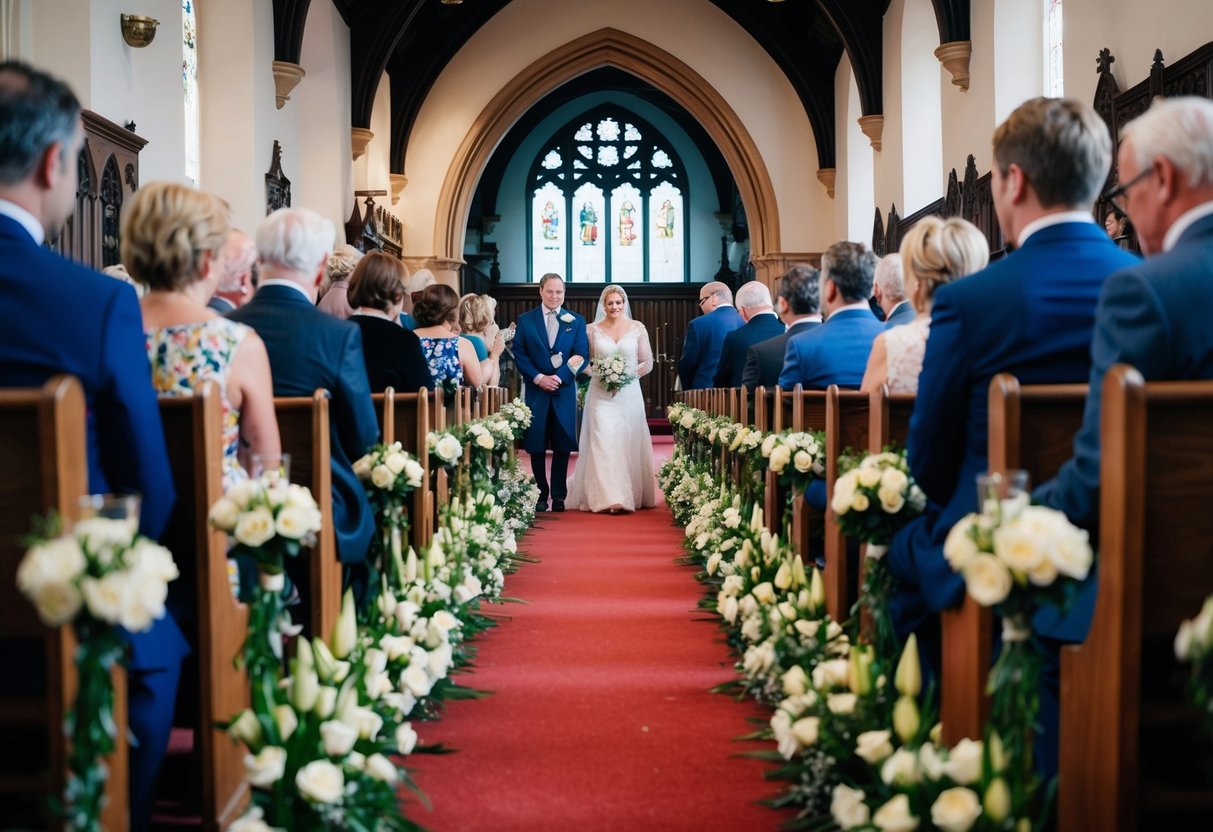
Traditions can vary, and some mothers may choose to walk alone or be accompanied by their son or another relative. Understanding these customs can help make your wedding more personal and meaningful. Knowing what to expect can also ease any worries you or your family might have about the ceremony.
By considering the role of the mother of the bride, you can create a ceremony that reflects both tradition and your unique style. Whether she walks solo or with someone special, this moment will always be memorable.
The Role of the Mother of the Bride
The mother of the bride plays a key role in the wedding ceremony. This moment offers a chance for emotional connection, showcasing family dynamics and support during a significant transition.
Significance in the Procession
During the wedding procession, the mother of the bride holds a special place. She often walks down the aisle, signifying her support for her daughter as she embarks on this new chapter. This can be an emotional moment, filled with love and pride.
Typically, she is accompanied by a close male family member, like her husband or son. This highlights the importance of family bonds and the connections that grow during this time.
Many mothers also dress elegantly, adding to the visual beauty of the ceremony. Their presence speaks volumes about the family’s love and the transition from childhood to adulthood.
Variations Based on Wedding Type
The role of the mother of the bride can vary considerably between traditional and modern weddings. In a traditional wedding, she may follow specific customs, walking down the aisle with a male relative. This establishes a sense of heritage and familial support.
In contrast, modern weddings often offer more flexibility. Some mothers choose to walk alone or even alongside their daughters. This reflects changing family dynamics and allows for personal touches that suit each family’s unique story.
Regardless of the wedding type, the mother of the bride’s role remains vital. It is about celebrating love and connection during a beautiful and heartfelt moment.
Typical Wedding Procession Order in the UK
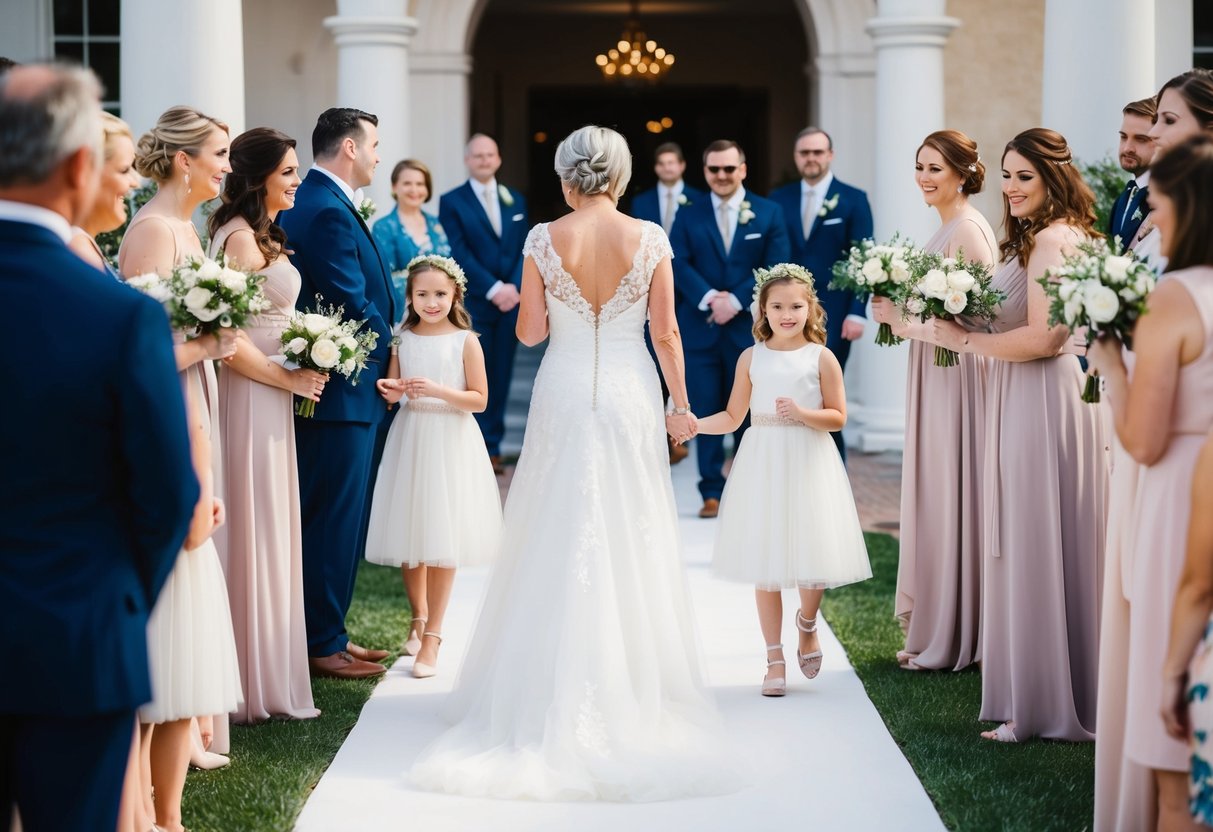
Knowing the typical wedding procession order helps you plan better. In the UK, specific roles are often followed, creating a lovely flow during the ceremony.
Order of Entrance
The wedding procession usually starts with the flower girl and ring bearer. They often walk down the aisle first, scattering petals or carrying rings.
Next, the bridesmaids and groomsmen enter. They typically walk in pairs, with bridesmaids on the left and groomsmen on the right. After that, the mother of the bride walks down. She may be escorted by a family member, creating an emotional moment.
Finally, the bride, escorted by her father, makes her entrance. This is often the most anticipated part of the procession, symbolizing the union about to take place.
Role of Family Members
Family members play important roles during the ceremony. The mother of the bride usually sits in the front row on the left. This seating arrangement highlights her significance.
The father of the bride also has a key role. He walks the bride down the aisle, representing support and giving her away to the groom.
Other immediate family may follow in the procession or be seated prominently. Keeping these roles in mind helps you honor family traditions while planning your ceremony.
Cultural Variations and Personal Preferences
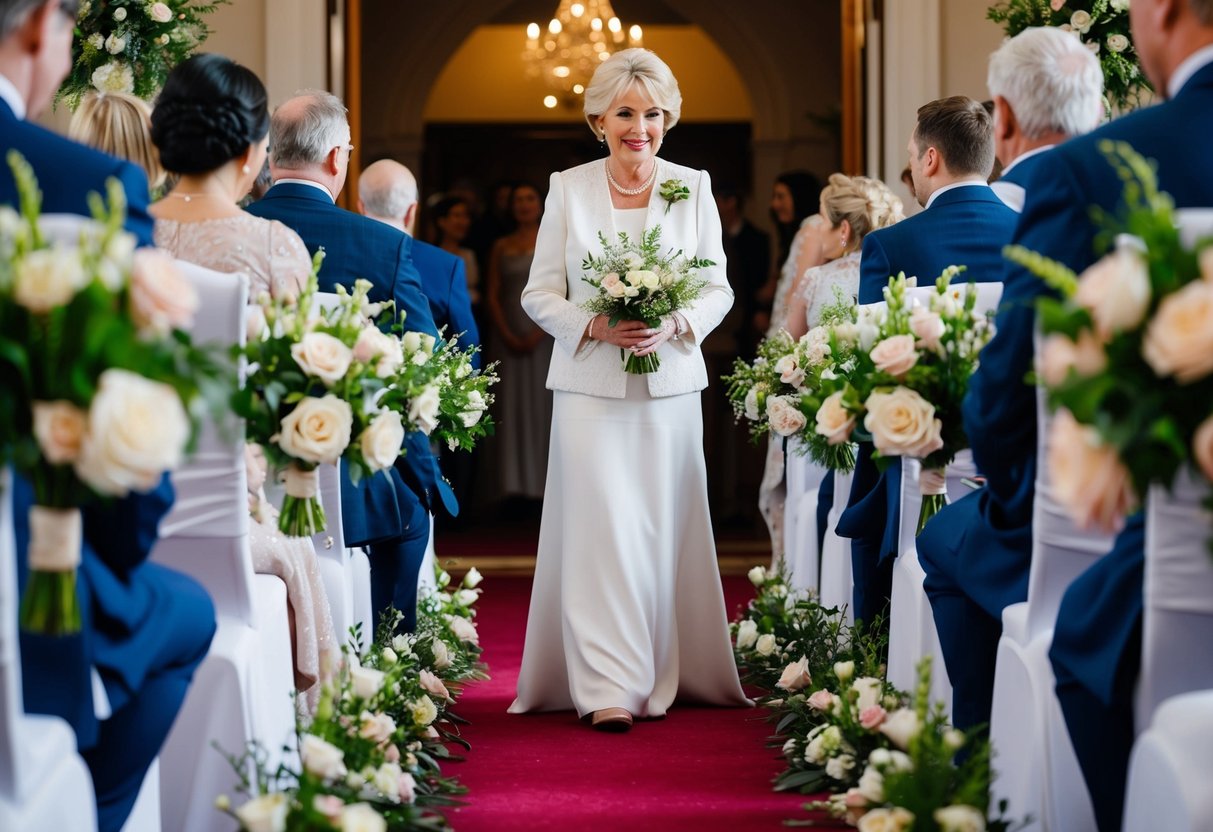
Wedding traditions can differ greatly based on cultural backgrounds and personal choices. The mother of the bride’s role, especially in walking down the aisle, varies. This section highlights the distinct practices in Christian and Jewish ceremonies, as well as the influence of family unity and individual preferences in the UK.
Christian and Jewish Ceremonies
In a Christian wedding, the mother of the bride often walks down the aisle alone or with a close family member, such as a son or brother. This moment can symbolize support for the bride as she transitions to married life.
In contrast, Jewish ceremonies typically feature the mother of the bride being escorted by both parents during the processional. This highlights the family’s unity and stands as a demonstration of shared joy. Understanding these nuances can help make informed decisions about how you want this special moment to unfold.
Influence of Family Unity and Individuality
Your decision on how the mother of the bride walks can also reflect family dynamics. Many people choose to prioritize family unity. For instance, the mother walking with other family members can reinforce connections during the ceremony.
Conversely, some may want to emphasize individuality. If the mother prefers to walk alone, it can symbolize independence and strength. This choice can be just as meaningful as traditional practices. Ultimately, it’s essential to align these decisions with your values and the feelings of everyone involved.