
Does Mother of the Bride Walk Down the Aisle? Understanding the Tradition and Options
The mother of the bride often has a special role during the wedding ceremony. Yes, the mother of the bride typically walks down the aisle as part of the processional. This moment is significant, symbolizing her support for her daughter on such an important day.
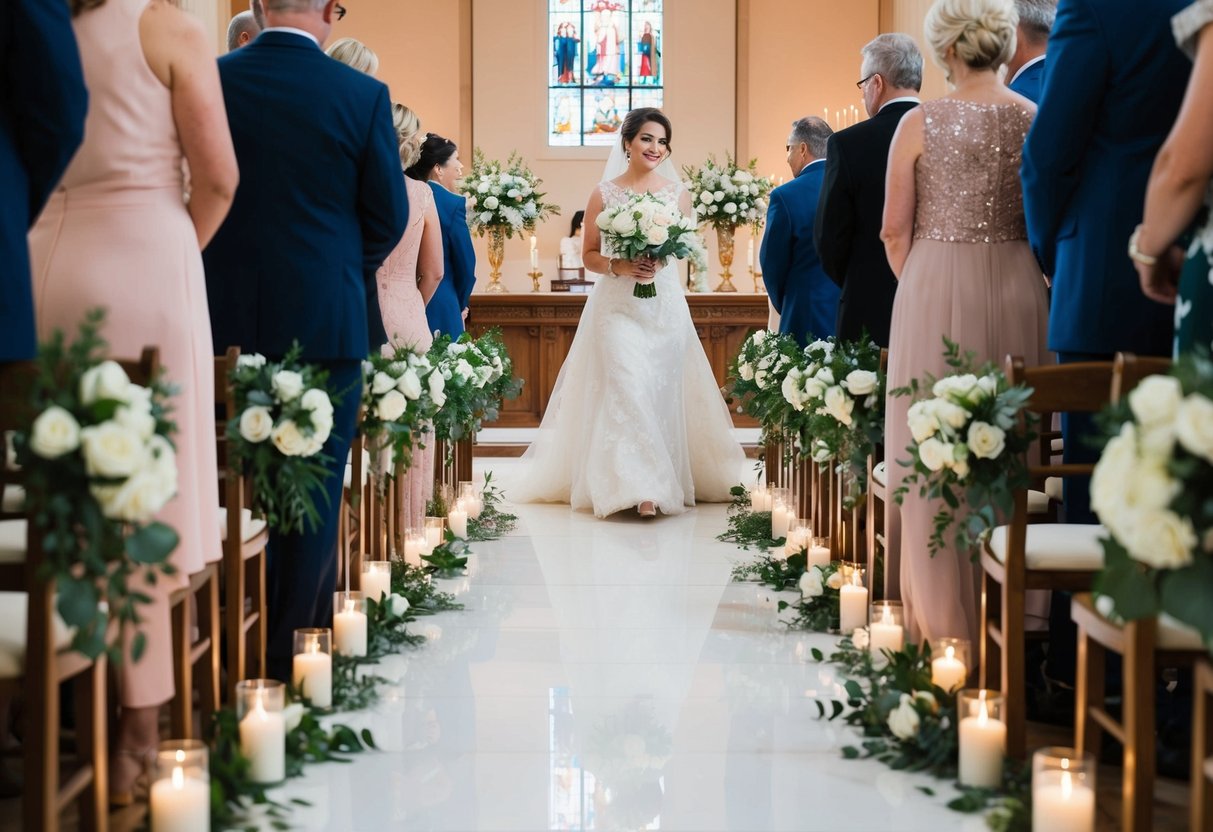
You may wonder how she walks down the aisle. Traditionally, she might be escorted by a close male family member, like her husband, son, or brother. However, some mothers choose to walk alone or alongside the bride, expressing their independence and unique connection to the occasion.
Understanding the various options can help you decide what feels right for your wedding day. Whether you stick to tradition or create your own path, this moment is about celebrating love and family.
Role of the Mother of the Bride
The mother of the bride plays a crucial role in a wedding ceremony. She not only supports the bride but also takes part in important traditions, especially during the walk down the aisle. Understanding her role can help you appreciate the emotional weight and significance of this moment.
Significance in the Ceremony
The mother of the bride is often seen as a symbol of support and guidance. Her presence represents the family’s love and commitment to the new union. Traditionally, she helps the bride prepare for the ceremony, providing advice and comfort.
As the ceremony begins, she may walk alongside a close family member, like the father of the bride, showcasing the bond between family and the bride. This moment highlights her transition from being the primary caregiver to allowing her daughter to embark on a new journey.
Many mothers feel a mix of pride and emotion during this moment, making it significant in the overall wedding experience.
Walking Down the Aisle Traditions
In traditional weddings, the mother of the bride usually walks down the aisle with a close male relative, such as her husband or son. This practice emphasizes the importance of family support as she leads the bride towards her new life.
In modern ceremonies, some mothers choose to walk alone as a statement of independence. Others may be accompanied by a groomsman, highlighting the importance of friendship and support in the celebration.
Personal preferences play a significant role in how this moment unfolds. Whether she walks with the father of the bride, her son, or alone, the choice reflects her personality and style, making each wedding unique.
Wedding Processional Explained
The wedding processional is a key part of the ceremony. It sets the tone for the event and highlights important family dynamics. Knowing the typical order and variations can help you feel prepared for the big day.
Typical Order of Entrance
In a traditional wedding processional, the entrance order usually follows a set pattern. First, the officiant walks down the aisle, taking their place at the front. Next, grandparents and parents of the couple follow. The groom’s parents typically take their seats on the right.
After that, it’s the mother of the bride’s turn to walk alone or with someone special. Then, the bride’s attendants enter, starting with the flower girl and the ring bearer. Finally, the bride makes her entrance, often escorted by her father or both parents. This structure helps to emphasize the importance of family during the ceremony.
Who Escorts the Mother of the Bride?
The mother of the bride holds a special place in the processional. Traditionally, she walks down the aisle after the groom’s parents. She can choose to walk alone, representing strength and independence. For those who prefer companionship, she might be escorted by a family member or a friend.
In cases of divorce or separation, she may choose a partner or significant person to accompany her. This provides a meaningful moment that showcases her support system. The decision on who escorts the mother of the bride can reflect personal relationships and family dynamics.
Modern Variations and Family Dynamics
Modern weddings often embrace flexibility in the processional order. Couples today may include stepparents or other important figures in their lives. You might decide to have both parents walk the bride down the aisle together, breaking from tradition.
Some couples even choose to have both mothers included in the processional, highlighting their roles equally. The decision is up to you and what feels right for your family. Each wedding should reflect your unique relationships and values, making the event truly special. Celebrating these dynamics can make your ceremony feel more personal.
Incorporating Cultural Traditions
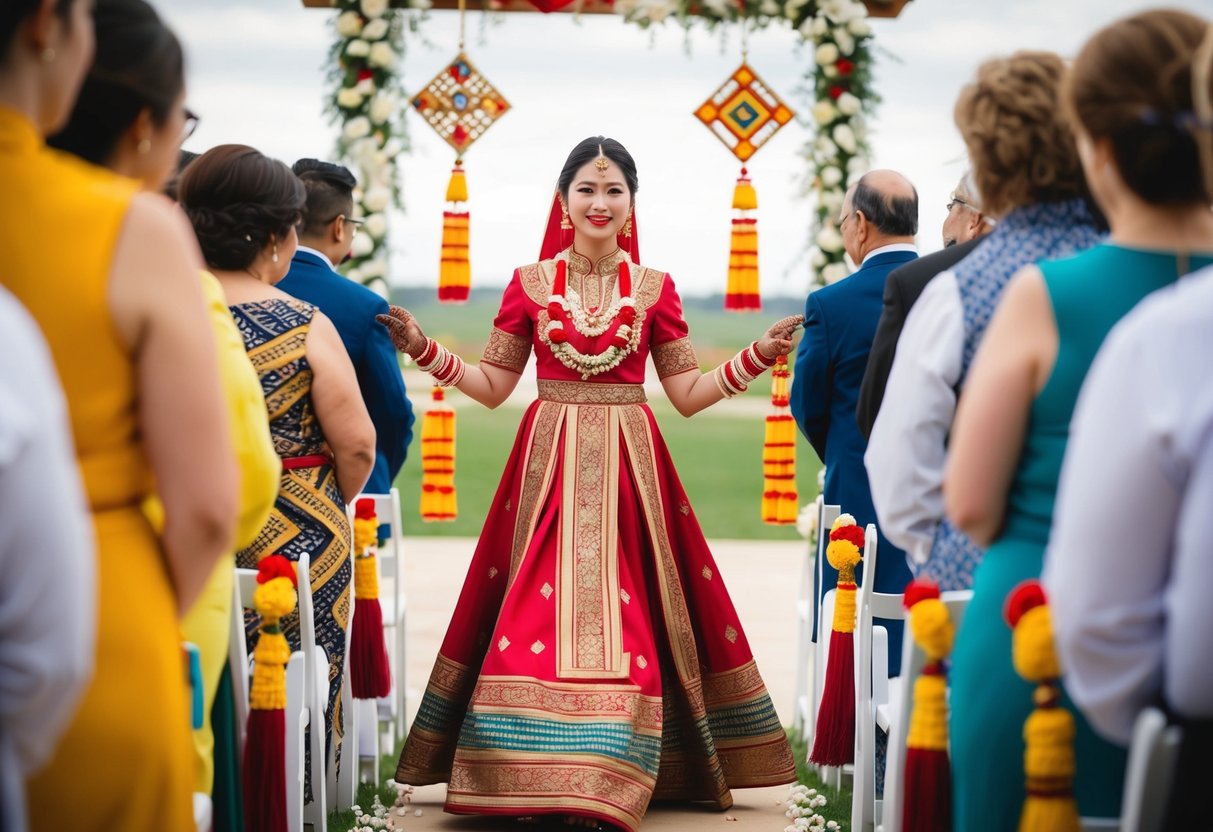
When planning how the mother of the bride will participate in the wedding, cultural traditions play a significant role. Each culture has unique customs that can impact who walks down the aisle and in what order. Here are some important traditions for various wedding ceremonies.
Christian Wedding Customs
In Christian weddings, the mother of the bride usually has a special role. Often, she may walk down the aisle alone or be escorted by a family member. Traditionally, she sits in the front row on the left side of the venue as she watches her daughter get married.
The groom’s parents typically follow this, taking their places on the right. This order adds to the warmth and intimacy of the ceremony, allowing family members to support the couple as they begin their new life. If the bride prefers, she may choose her mother to walk her down the aisle, breaking traditional norms for a more personal touch.
Jewish Wedding Practices
Jewish wedding ceremonies, rich in tradition, involve unique customs for everyone, including the mother of the bride. One important aspect is the chuppah, a canopy under which the couple stands during the ceremony.
The mother of the bride usually walks down the aisle just prior to her daughter, often followed by the mother of the groom. This shows unity between both families. In some cases, she may be escorted by a sibling or close family member, emphasizing the importance of family support during the celebration.
Hindu Wedding Processionals
In Hindu weddings, the procession is often vibrant and full of life. The baraat, or the groom’s procession, is lively and includes music and dancing, setting the festive atmosphere.
The mother of the bride holds an important role as well. She may walk down the aisle with her daughter or play a part in the mandap ceremony, where the marriage ritual takes place. This can represent her blessing and support for the couple as they start their journey together in marriage. Each family may have its own variations, making every celebration unique.
Special Considerations
When planning who walks the mother of the bride down the aisle, there are important factors to keep in mind, especially regarding family dynamics. You’ll want to consider stepfamilies and personal preferences. Each situation can bring unique challenges and opportunities for meaningful moments during the ceremony.
Stepmothers and Blended Families
In blended families, stepmothers can play a vital role. It’s essential to communicate with both the biological mother and the stepmother about their feelings. You can choose to have a stepmother walk down the aisle, possibly alongside her spouse or a close male relative, like a brother.
This choice can show respect for family relationships and symbolize unity. If both parents are present, discussing how to honor them during the ceremony can contribute to a supportive atmosphere. Remember, the focus should be on inclusivity and love.
When the Bride Chooses to Walk Alone
Some brides may choose to walk alone down the aisle, emphasizing their independence and strength. This choice can make a powerful statement about personal preferences and the significance of the moment.
Walking solo can reflect a personal commitment, showcasing a blend of tradition and modern values. Whether it’s a nondenominational wedding or not, this decision allows you to make the moment uniquely yours.
Remember, it’s all about what feels right for you and how you want to celebrate this special day.