
Does My Pension Change If I Get Married? Understanding the Impact on Your Retirement Benefits
When you tie the knot, you might wonder how it could impact your pension and retirement plans. In many cases, your pension benefits won’t change simply because you’ve married. However, there are some important factors to consider. Understanding how your marriage may affect your retirement income can help you make informed decisions for the future.
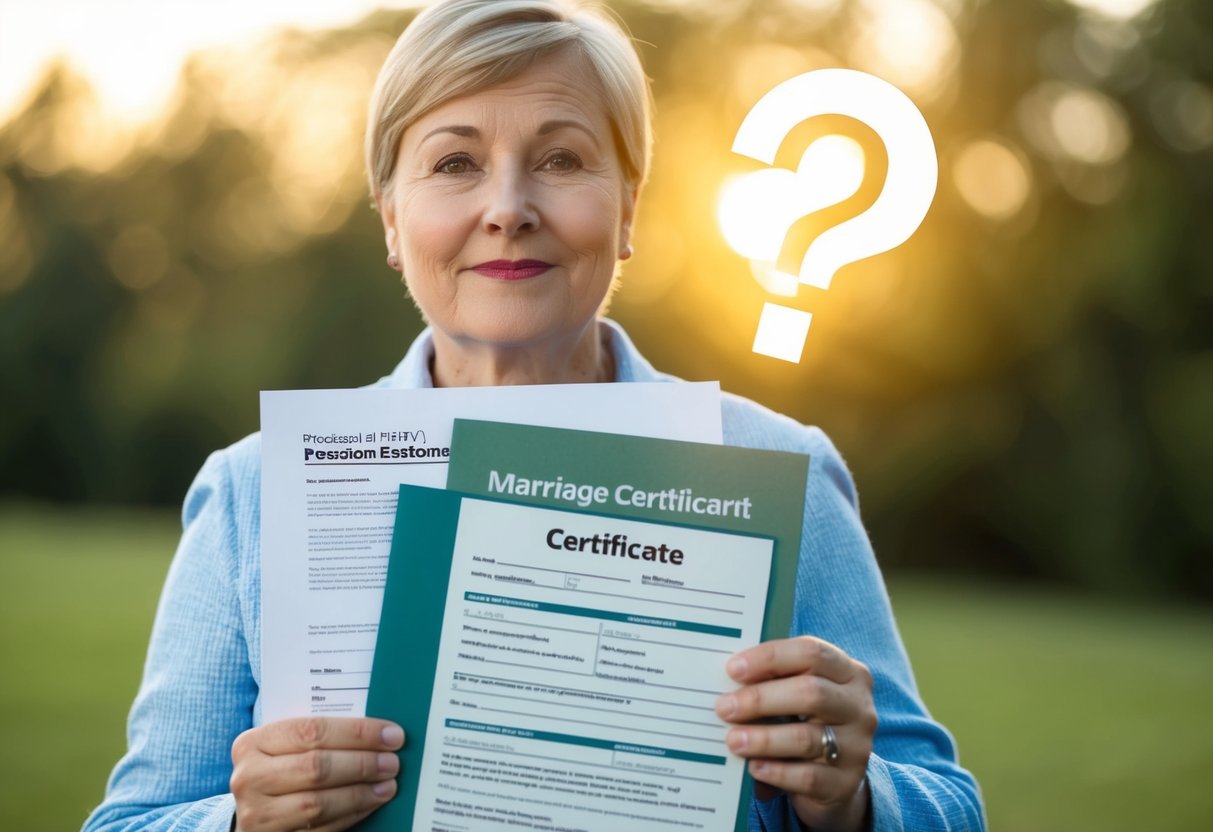
Getting married can bring many changes, but it doesn’t necessarily mean that your Social Security or pension benefits will be automatically altered. Your own earned benefits remain based on your work history and earnings, so you generally won’t lose anything just by getting married. However, if you receive certain benefits, like Supplemental Security Income (SSI), your spouse’s income could affect your eligibility and payment amounts.
It’s wise to explore how your specific pension plan may deal with marriage. You may have options to designate your spouse as a beneficiary or to adjust your retirement strategy based on your new family dynamics. Being proactive can ensure that you make the most of your retirement benefits while enjoying your life as a married couple.
Impact of Marriage on Social Security Benefits

When you get married, your Social Security benefits can be affected, especially with spousal options available. Understanding how marriage impacts your benefits is important for planning your financial future.
Understanding Spousal Benefits
As a spouse, you may qualify for spousal benefits. These benefits allow you to receive up to 50% of your partner’s Social Security amount if it is higher than your own. This feature is helpful if you spent time away from the workforce or earned less.
To be eligible, your spouse must have earned enough credits, typically requiring 40 quarters of work. It’s essential to note that your own benefit will not be reduced by your spouse receiving their benefits. Each spouse can collect separate benefits based on their respective work records.
Eligibility for Spousal Benefits
To qualify for spousal benefits, you must be at least 62 years old or care for a child under age 16. If your spouse has not yet claimed their benefits, you can still obtain spousal benefits when you reach your full retirement age.
Your full retirement age can differ based on when you were born, often ranging from 66 to 67 years. If you decide to take benefits before your full retirement age, your spousal benefit may be reduced. Make sure to consider these factors during your marriage, as they significantly impact your financial planning with Social Security.
Changes in Retirement Accounts After Marriage
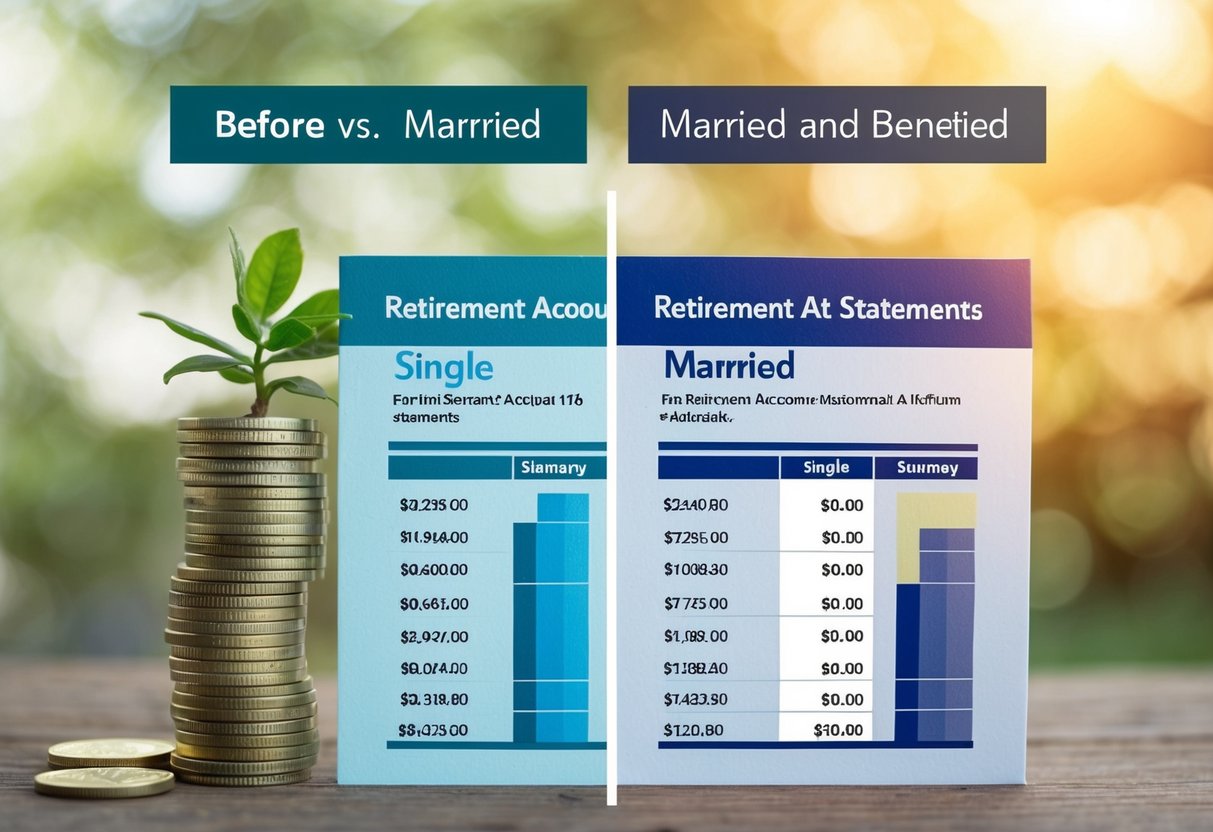
When you get married, your retirement accounts can change in several significant ways. Understanding how these changes affect your IRA contributions and retirement income helps you plan for the future.
IRA Contributions and Limits
After marriage, you and your spouse can maximize your IRA contributions. If one of you does not have an income, the working spouse can contribute to a spousal IRA. This option allows you to save more for retirement together.
The contribution limits for IRAs are the same, but your combined income will determine eligibility for tax deductions. For 2025, the limit is $6,500 per person, or $7,500 if you are age 50 or older. Make sure to check your eligibility based on your joint income to optimize your retirement savings.
Retirement Income Considerations for Married Couples
Marriage can also impact your retirement income strategy. You might be eligible for your spouse’s Social Security benefits, depending on your work history. You can choose the higher benefit between your own or your spouse’s, which could increase your overall retirement income.
If your spouse passes away, you may receive survivor benefits from their pension or retirement accounts. Understanding these benefits ensures you are prepared for whatever life brings. Be sure to review your pensions and retirement accounts together to optimize your financial future as a couple.
Survivor Benefits and Remarriage
When considering how remarriage affects survivor benefits, it’s important to know your eligibility and the specific rules that apply. Your rights to benefits from a deceased spouse may vary based on when and how you remarry.
Survivor Benefit Eligibility
To qualify for survivor benefits, you generally need to meet certain criteria. If your spouse passed away, you may be eligible for benefits if you were married for at least nine months. You can receive them at any age if you are caring for your deceased spouse’s child who is under 16.
If you remarry before the age of 60, you usually lose your right to these survivor benefits. If you are over 60, your survivor benefits can continue even if you remarry. This ensures you can still receive support after starting a new chapter in your life.
Effect of Remarriage on Survivor’s Benefits
Remarriage can impact the survivor’s benefits you receive, but it depends on your age at the time of the new marriage.
If you remarry before age 60, you typically lose access to benefits from your deceased spouse. However, if you remarry after turning 60, you can keep those benefits.
It’s also possible to collect benefits from both your deceased spouse and your new spouse, but you cannot receive two sets of survivor benefits at the same time.
Understanding these rules can help you make informed choices about your financial future when entering a new relationship.