
Does Officiant Tell People to Stand for Bride? Understanding Ceremony Etiquette
When planning your wedding ceremony, you might wonder about various traditions and roles involved. One such question many couples have is about the officiant’s role in telling guests to stand for the bride. Typically, the officiant will indeed ask everyone to rise when the bride walks down the aisle. This moment is not just a formality; it adds an air of excitement and respect for the couple as they begin their new life together.
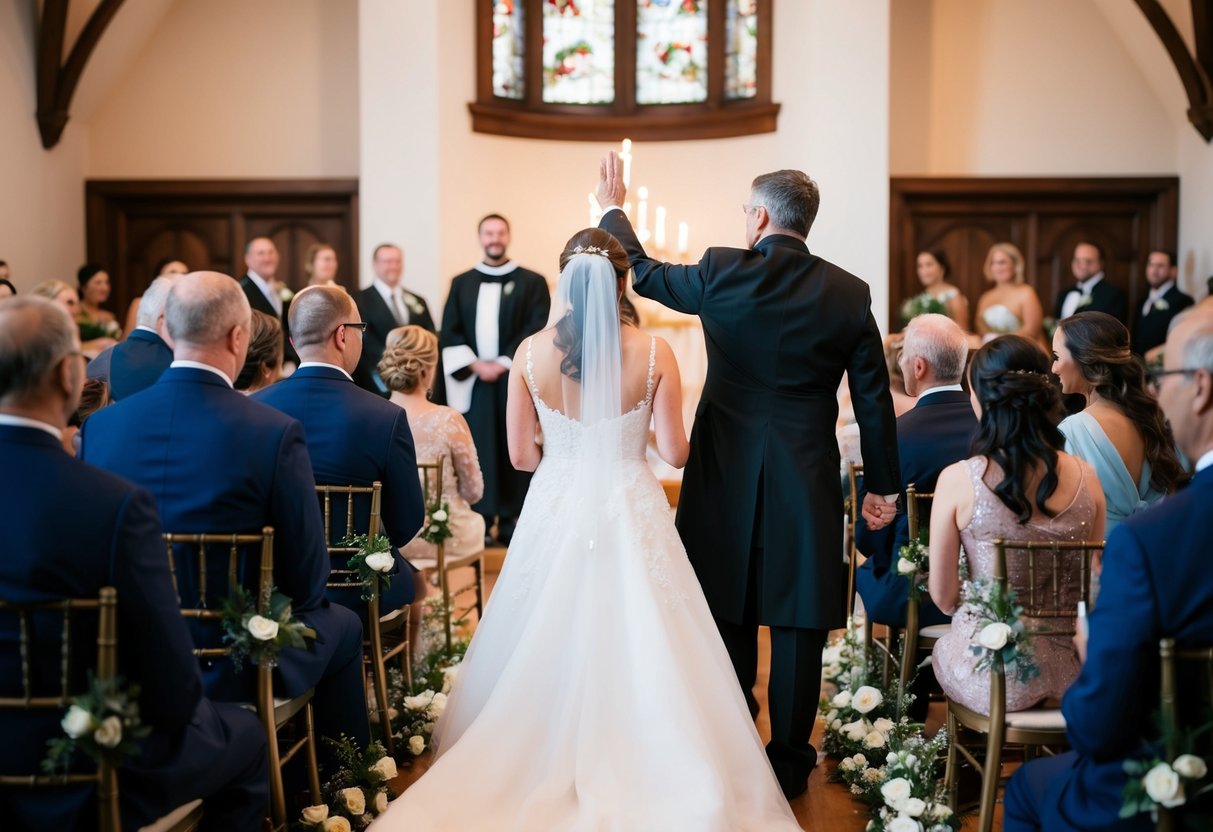
The act of standing is rooted in cultural traditions that celebrate the bride’s entrance. By rising, guests honor the significance of this moment, marking the start of the ceremony. Different officiants may have their own styles, but most will follow this common practice to ensure everyone is engaged and aware of the special occasion.
Whether you’re tying the knot in a grand venue or a cozy setting, understanding this aspect of wedding traditions can help you shape your ceremony to reflect your values and style. Engaging your officiant in this conversation can also ensure that your ceremony runs smoothly, leaving you to enjoy every moment of your special day.
The Role of an Officiant in Wedding Ceremonies
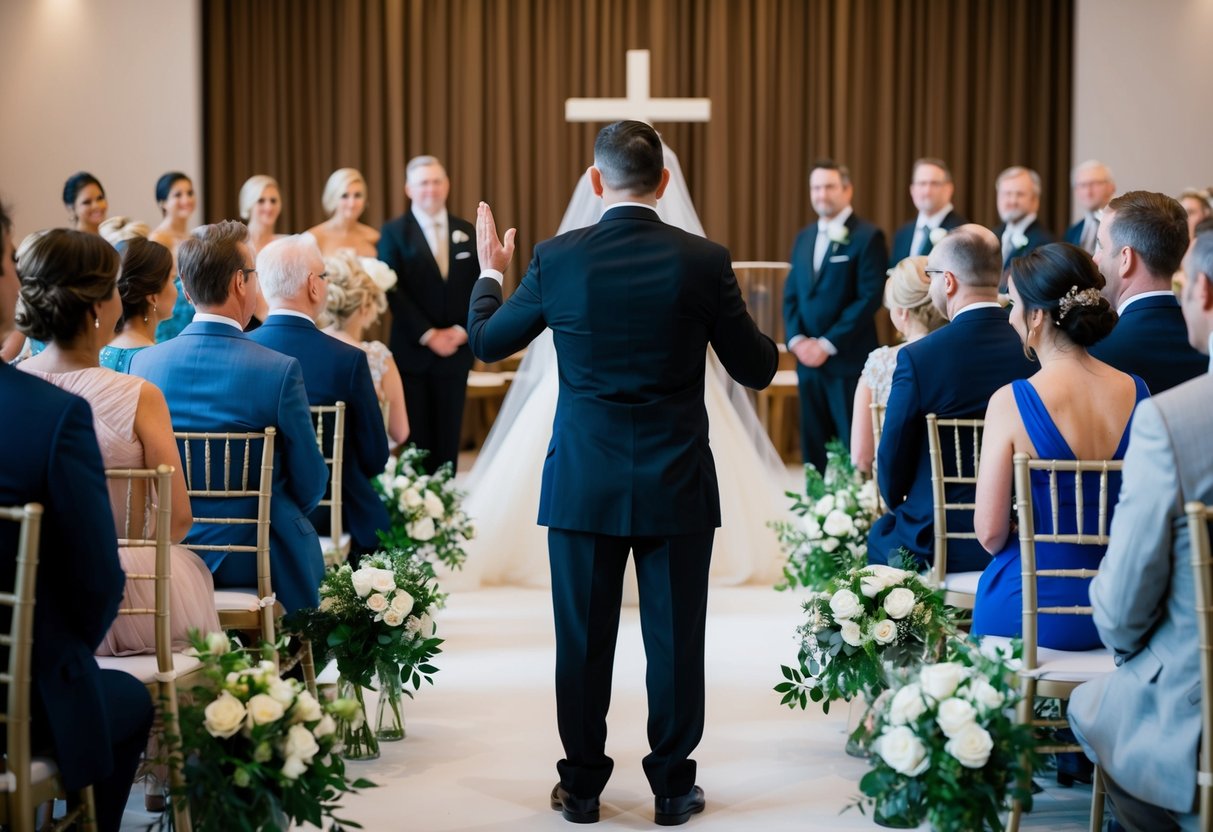
The officiant plays a key part in your wedding day. They help guide the ceremony and ensure everything runs smoothly. Here’s how they contribute, especially in leading the processional and managing important traditions.
Leading the Processional
As the wedding officiant, one of your main jobs is to lead the processional. This is when the wedding party walks down the aisle.
You will signal when it’s time for guests to stand. Many officiants say something like, “Please stand for the bride.” This helps create a respectful and exciting atmosphere.
Timing is important. You’ll want to align the processional with music and other elements. Communication with your wedding planner is key here. They can help coordinate timing so everything flows perfectly.
Managing Ceremony Traditions
The officiant also manages various wedding traditions. These can differ based on cultural backgrounds or personal preferences.
You might incorporate elements such as unity ceremonies or special readings. Discuss these traditions with the couple beforehand. This way, you can make it personal and meaningful.
Understanding each tradition is vital. Some practices may involve specific rituals, like lighting a unity candle or exchanging rings. Your role is to explain each tradition to the guests so they can appreciate the significance.
By managing these traditions, you enhance the overall experience and make it memorable for everyone involved.
Guest Participation and Etiquette
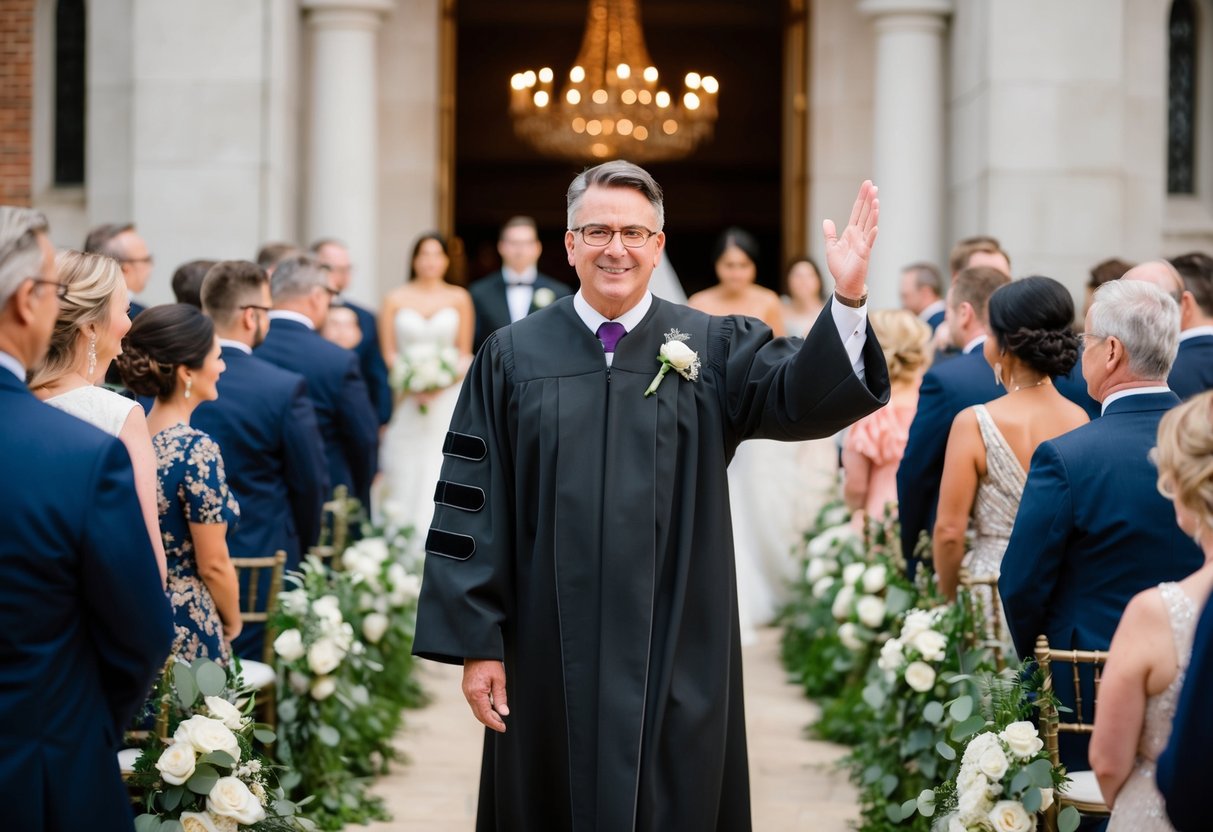
Guest participation during a wedding ceremony is important for setting the right tone. Knowing when to stand, how to behave, and being mindful of specific cultural traditions can enhance the experience for everyone involved.
When to Stand for the Bride
Typically, guests stand when the bride makes her entrance. The officiant often instructs everyone with a phrase like “Please stand for the bride.” This moment is significant, as it shows respect and admiration for the bride’s arrival.
In many ceremonies, this cue happens just before the bride walks down the aisle. In some traditions, guests might already be standing and simply remain so. If you’re attending a Jewish ceremony, for example, standing might happen at different points, so pay attention to the officiant.
Seating and Standing Etiquette
During the ceremony, it’s crucial to follow the etiquette of seating and standing. Guests should wait for the officiant’s cue to stand. If you’re unsure, observing others can be helpful.
Make sure you sit down promptly when asked. Remaining seated during this time can come off as disrespectful to the couple. Also, avoid blocking the view of guests behind you, especially if you are closer to the front.
If the ceremony is designated as “unplugged,” respect this by keeping your phone away and avoiding taking photos.
Special Considerations for Different Ceremonies
Weddings can differ greatly based on cultural traditions. For example, in Christian weddings, guests typically stand for the bride at the beginning of her processional.
In Jewish ceremonies, you might find unique customs, like standing at specific moments or the importance of guests being attentive throughout the ceremony.
Always be respectful of these traditions, whether you’re familiar with them or not. Checking with the couple or wedding planner before the ceremony can clarify any special instructions. This way, you can focus on celebrating the couple’s special day!
Ceremony Logistics for Bridal Party and Family
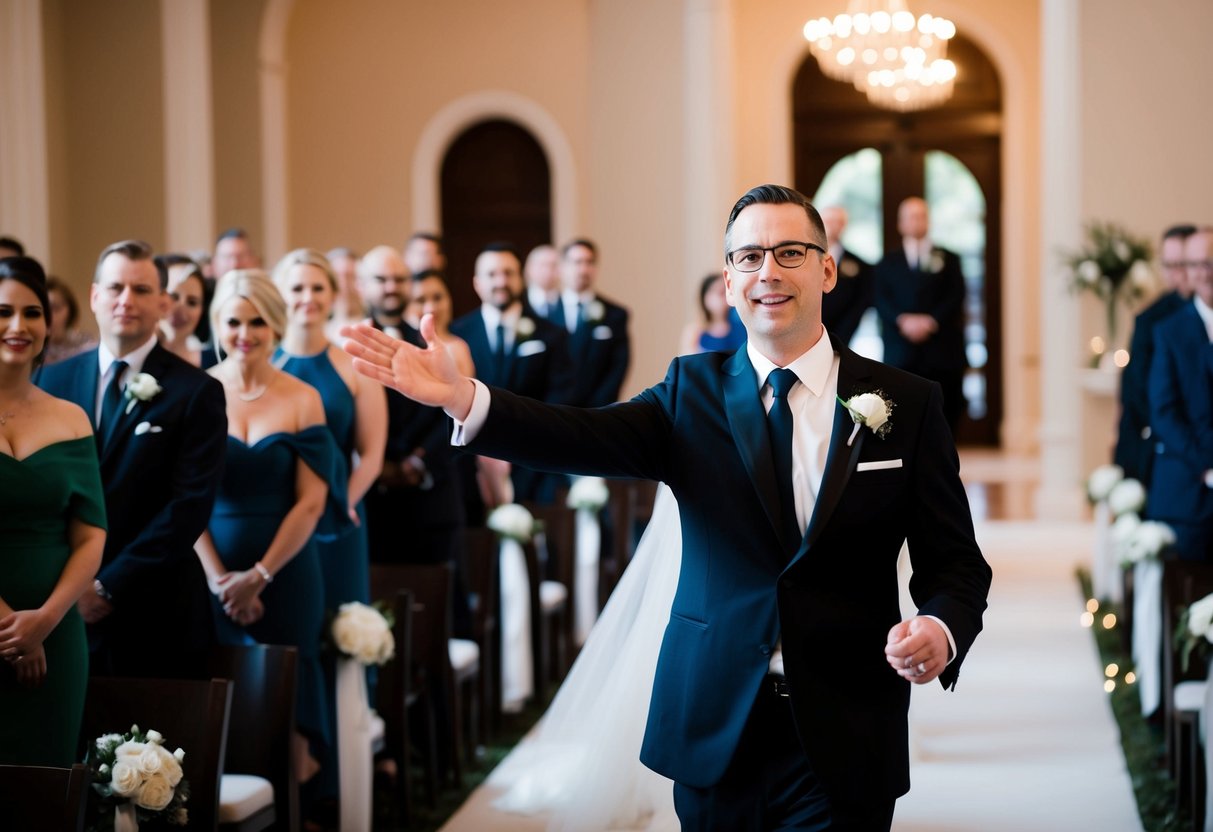
Planning the logistics of your wedding ceremony is crucial for a smooth experience. The order in which people enter and their roles can set the tone for the event, while coordination with your wedding planner ensures everything goes as planned.
Order of Entrance and Roles
Knowing the order of entrance is important for everyone involved. Typically, the wedding party enters before the bride. Here’s a common order:
- Officiant
- Groom and Best Man
- Bridesmaids
- Matron of Honor
- Flower Girl and Ring Bearer
- Mother of the Bride
- Bride
Set clear roles for each participant. The groom stands at the altar, with the best man nearby. Bridesmaids support the bride and walk in pairs or individually. The flower girl and ring bearer add charm, signaling the bride’s arrival. The father of the bride often escorts her down the aisle, which adds a special moment to the ceremony.
Coordinating with the Wedding Planner
Your wedding planner is key to making the ceremony run smoothly. Share your preferences for the order of entrance and any unique details you want. They can help manage timing and ensure participants are in position.
Make sure the planner confirms with the venue staff about the ceremony setup. Discuss any special cues for the music or lighting. This way, the moment you walk down the aisle is unforgettable. Your planner will communicate with the wedding party before the ceremony, helping everyone understand their roles and timing. This eliminates confusion and helps everyone enjoy the day.
Personalizing Your Ceremony
Your wedding ceremony is a chance to express your unique love. By sharing your love story and choosing meaningful ceremony elements, you can make the day truly yours. Here’s how you can personalize your celebration.
Sharing Your Love Story
Incorporating your love story can add a heartfelt touch to your ceremony. Think about the key moments that brought you together. You might want to include anecdotes about your first date, how you met, or your favorite memories as a couple.
Consider having your officiant share these details during the ceremony. This makes the event feel more intimate and connected. You can even invite friends or family to read short passages that highlight your journey.
For same-sex weddings or intimate elopements, sharing your story can help set the tone for inclusivity and love. It shows your guests who you are as a couple and why this day is special.
Choosing Ceremony Elements
Selecting elements that reflect your personal preferences is essential. For example, if you love nature, an outdoor wedding venue can enhance the experience.
Think about how you want your guests to participate. You can decide whether to follow traditional wedding processes or create your own.
For example, during the bridal processional, you can choose how your bridal party and family are seated. Some couples prefer all guests to stand for the bridal entry, while others may opt for seated guests to create a more relaxed atmosphere.
Whether you follow traditional elements or customize them, ensure each choice reflects your relationship. Every detail counts when personalizing your ceremony, so let your love shine through.