
Does the Bride Buy Her Own Band? Exploring Wedding Music Choices
Choosing a wedding band is an exciting part of the wedding planning process. Many brides wonder if they should buy their own band or if it falls under someone else’s responsibilities. Traditionally, the groom purchases the bride’s wedding band, but modern couples often choose to go their own way, deciding together who buys what. This allows you to express your commitment in a way that feels right for both of you.
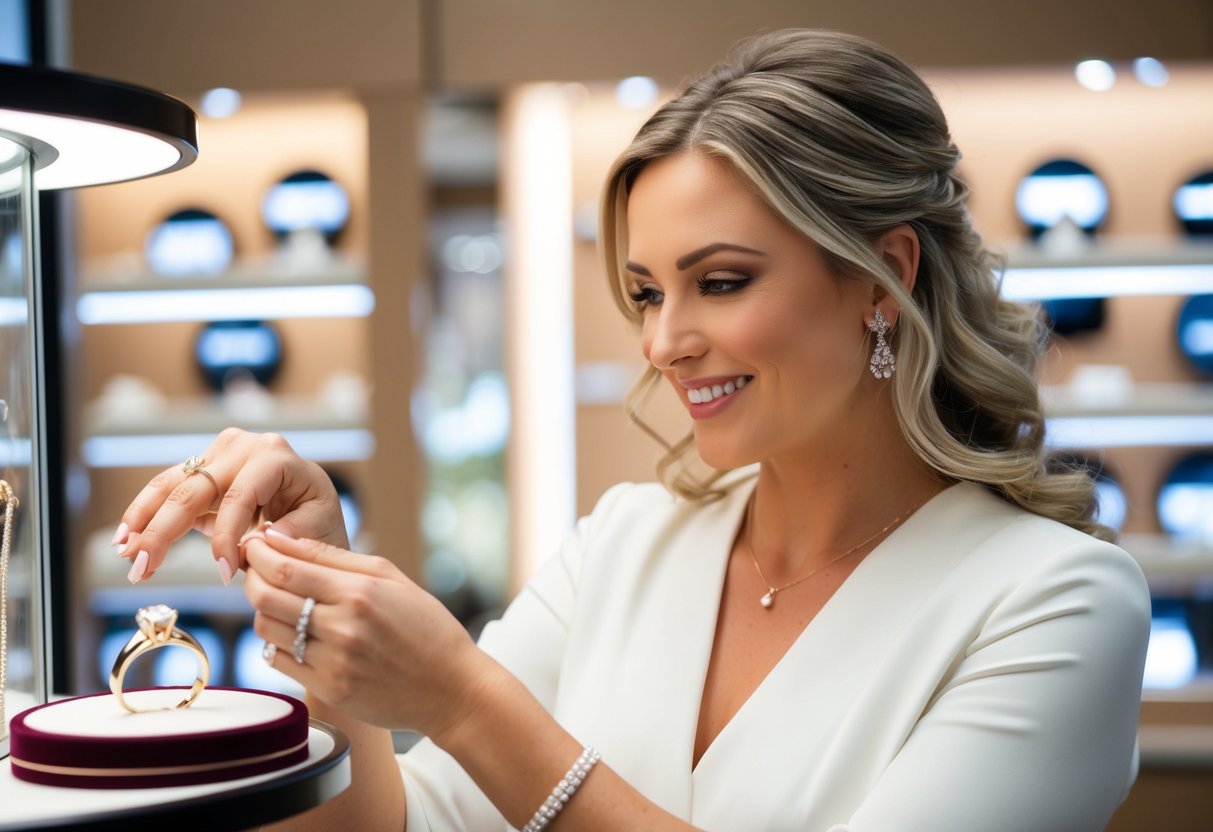
Traditions can set expectations, but they don’t have to dictate what you do. Whether you want to pick out your own band or have your partner surprise you, the most important thing is that it represents your unique bond. Involving your partner in the process can also deepen your connection and make the choice more meaningful.
As you explore your options, think about what style speaks to you and how it fits with your wedding theme. You might even want a band that represents both of your personalities.
Ultimately, it’s about celebrating your commitment to each other in a way that feels special and true to your relationship.
Understanding Wedding Band Traditions
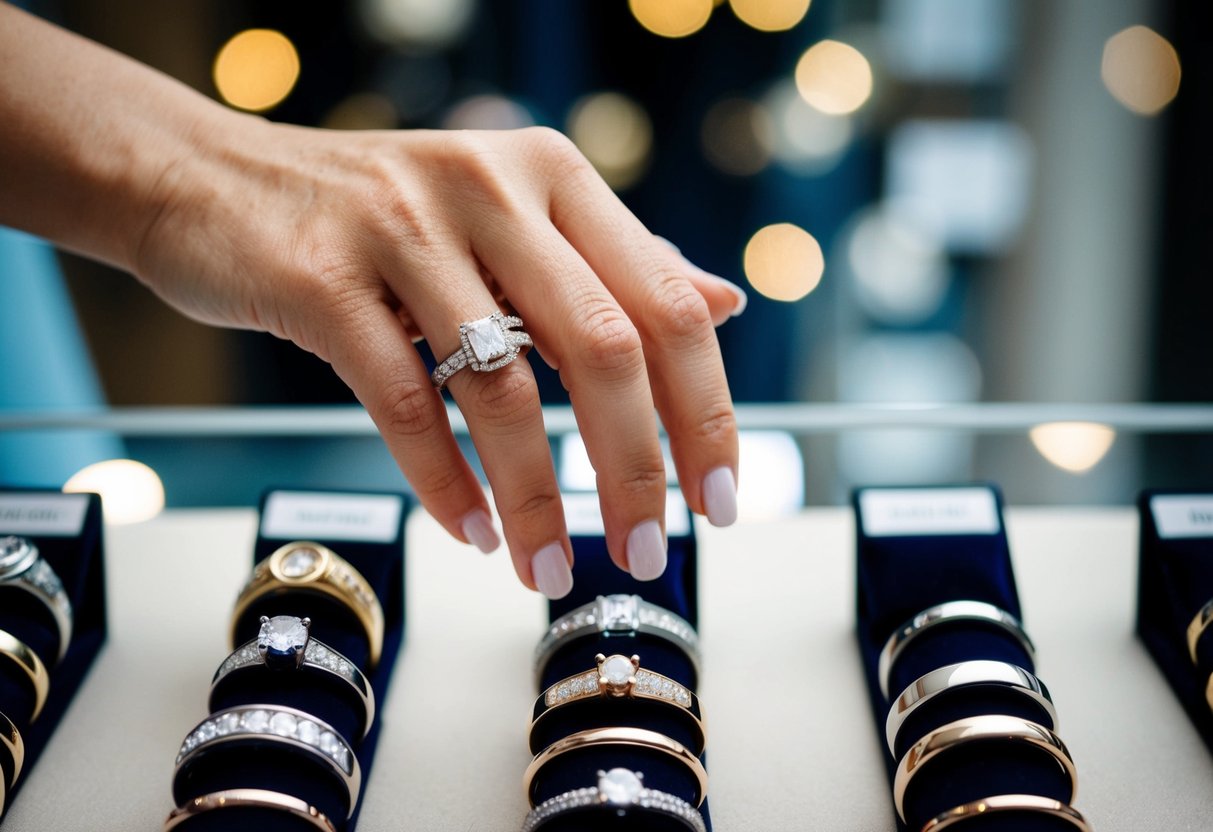
Wedding band traditions have changed over time, influenced by cultural shifts and personal choices. Knowing the history can help you understand the modern practices surrounding who buys wedding bands and how couples choose to approach this decision.
Historical Perspective of Who Buys the Wedding Bands
Traditionally, wedding bands represented a significant commitment. In many cultures, the bride’s family would purchase the groom’s wedding band, while the groom was responsible for the bride’s. This tradition often stemmed from the idea of the bride’s family “giving away” their daughter.
These customs emphasized the importance of both parties in the marriage. Wedding bands, often made of precious metals, symbolized love and fidelity. Over time, some couples decided to buy rings for each other, marking a shift in how these purchases are viewed.
Modern Views on Wedding Ring Purchases
Today, many modern couples approach wedding ring purchases in diverse ways. Some follow traditional norms, with the groom buying the bride’s ring and vice versa. Others prefer to share the cost of both bands, reflecting a partnership.
It’s common now for brides to choose their own bands. This allows them to select a ring that suits their style. Couples might even decide to purchase matching bands to symbolize their connection. This evolving view on purchasing rings shows how personal choice plays a key role in today’s wedding traditions.
Understanding these customs can help you make your own wedding ring choices that feel right for you and your partner.
Roles and Responsibilities in Wedding Expenses

When planning for wedding expenses, both the bride and groom have specific responsibilities. Understanding who pays for what can help ease any financial stress and ensure clarity in your planning.
Bride and Groom’s Engagement and Wedding Rings
Traditionally, you find that the bride usually purchases her own engagement ring. This allows you to choose a ring that reflects your personal style. For the wedding, the groom typically pays for the bride’s wedding band.
On the other hand, the bride often buys the groom’s wedding band. This can be a meaningful gesture as you select something that fits his taste. It’s important to communicate with each other about your budget and preferences for these rings, as they can vary widely in cost.
Navigating Wedding Costs Together
As a couple, navigating wedding costs can be a big task. Historically, the bride’s family covers major expenses like the wedding and reception. The groom’s family often handles the rehearsal dinner.
However, many couples today choose to split costs or combine funds. Consider creating a budget together that outlines all expenses. This can help ensure that both of you are on the same page regarding the financial aspects of your big day. Discuss each item’s importance and prioritize spending accordingly for a smoother planning process.
Selecting the Perfect Wedding Bands
Choosing the right wedding band is an important step in your wedding journey. You’ll want to consider the metal, design, and any special touches like gemstones or engravings when making your decision. Here’s what to keep in mind to help you select the perfect ring.
Guidelines for Choosing the Right Metal and Design
When selecting a metal for your wedding band, consider your lifestyle and personal style. Platinum is a popular choice for its durability and rich color. If you prefer a warmer tone, yellow or rose gold can add a unique touch.
Think about how your band will match your engagement ring. It’s best to choose a similar metal type to ensure both rings wear evenly.
Also, pay attention to your ring size. A good fit is essential for comfort. If you’re unsure, have your finger measured at a jeweler, especially since your size might change over time.
The Significance of Diamonds and Gemstones
Incorporating diamonds or other gemstones into your wedding band can make it truly special. Diamonds symbolize love and commitment, adding timeless elegance.
Consider how many stones you’d like and their arrangement. A simple band with a few diamonds can provide a classic look, while a full eternity band showcases a continuous line of stones, representing infinite love.
Other gemstones, like sapphires or emeralds, can also personalize your ring. They might hold special meaning or simply match your favorite colors.
Considering Eternity Bands and Engravings
Eternity bands are a beautiful option to consider. They feature stones that go all the way around the band, symbolizing everlasting love. This type of ring works well as a wedding band or as a special gift for anniversaries.
Engravings can add a personal touch to your band. You could inscribe your wedding date, initials, or a meaningful quote. Take time to choose words that resonate with you and your partner.
Adding these details can make your wedding band a cherished keepsake, reflecting your journey together. Each choice you make, from metal to design, contributes to a ring that is uniquely yours.
The Role of Communication and Decision-Making

Effective communication plays a vital role in wedding planning, especially regarding decisions about wedding bands. Establishing clear discussions can help you and your partner navigate traditions and personal preferences smoothly.
Establishing Open Communication About Wedding Planning
Open communication is key when planning your wedding. This means regularly discussing your thoughts, feelings, and expectations as a couple. You should feel comfortable sharing ideas about wedding bands and what they symbolize for you.
Setting aside time to talk without distractions can help. Consider creating an agenda for your discussions, so both partners feel included. Bring up your individual preferences, budget, and any family traditions that may influence your choices.
Don’t shy away from disagreements; they are a natural part of communication. Use these moments to understand each other’s perspectives better. This way, you can make choices that strengthen your bond and reflect your love and commitment.
Making Joint Decisions on Wedding Ring Etiquette
Making joint decisions about wedding ring etiquette can be rewarding. Traditionally, the groom buys the bride’s band, and the bride buys the groom’s. Discussing these traditions together can help you decide what works best for your relationship.
You might prefer to shop for rings together. This way, both of you can express your styles. This collaborative approach can deepen your connection and ensure that both partners feel valued.
Consider your budget as you explore options. Create a list of what’s important, such as material, style, and symbolism. Sharing this information can help you reach decisions that align with both your desires.
Remember, wedding bands are more than jewelry. They represent your commitment to one another, so make choices that reflect your shared values and love.