
Does the Bride Buy Her Own Wedding Band? Exploring Traditions and Modern Practices
When it comes to wedding bands, you might wonder who is responsible for purchasing them. Traditionally, customs typically dictate that each partner pays for the other’s ring. This means the bride does not buy her own wedding band. This tradition symbolizes love and commitment, showcasing the bond between you and your partner as you prepare for marriage.

As you navigate the planning of your wedding, it’s essential to remember that modern relationships often adapt these traditions to fit your unique love story. Many couples now choose to share the costs or even pick out the rings together, highlighting the importance of partnership in love and commitment. Understanding these evolving customs can help you make choices that resonate with you and your partner.
Ultimately, discussing your preferences and expectations about wedding bands can strengthen your connection before the big day. Embracing tradition while also creating your own approach can lead to a more meaningful experience as you celebrate your love.
Exploring Wedding Traditions
Wedding traditions around buying rings have changed a lot over the years. Understanding these customs helps you see how different cultures view marriage and commitment.
Evolution of Ring-Buying Customs
Traditionally, the groom bought the bride’s wedding band, while the bride or her family covered the groom’s ring. This custom symbolized their commitment and shared future.
Over time, couples have begun to adapt these norms. Many now prefer to split the cost of their wedding rings or purchase them together. This shift reflects modern values about equality and partnership.
In some cases, couples decide to choose their own rings without worrying about traditional roles. This flexibility allows you to express your individual styles and preferences during the wedding ceremony.
Cultural Variations in Ring Exchanges
Cultural beliefs greatly influence who buys wedding bands. In Western customs, the groom typically buys the bride’s ring. Meanwhile, in some cultures, families play a significant role in gifting rings to both the bride and groom.
For example, in certain Asian cultures, the bride’s family may provide the groom’s band as part of a dowry. This practice highlights the blending of family heritage with modern love symbols.
No matter the tradition, the exchange of wedding rings signals a deep commitment to each other. Your choice in rings can reflect your unique love story and cultural background, adding personal meaning to your wedding ceremony.
Financial Elements of Wedding Bands
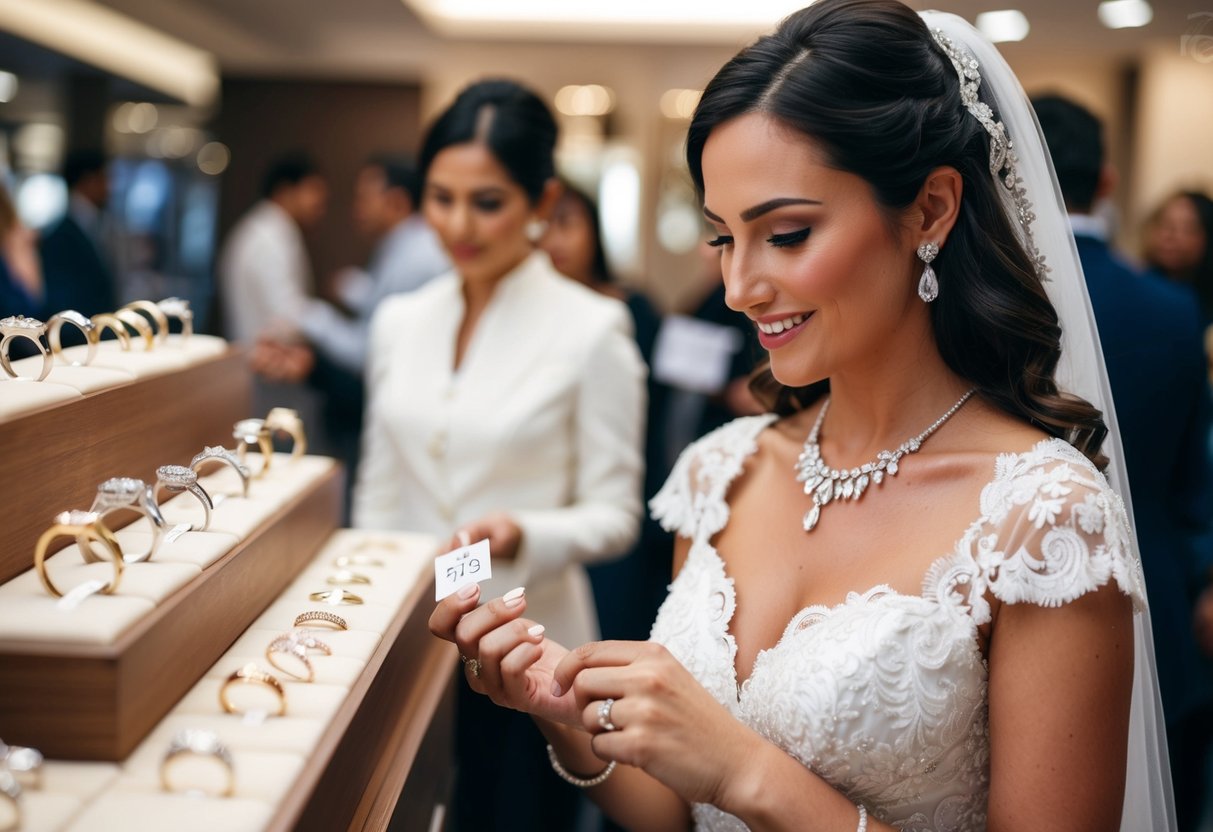
When planning your wedding, understanding the financial aspects of purchasing wedding bands is important. Consider factors like budget, costs, and how you and your partner make financial decisions together.
Assessing the Wedding Budget
Creating a wedding budget is one of the first steps you should take. This will help you see how much you can allocate for wedding rings.
Start by listing all potential wedding expenses, such as the venue, catering, and attire. Once you have a clear picture of your total budget, include jewelry costs as part of these expenses.
Often, couples prefer to set a dedicated amount for rings, which helps prevent overspending. Be open with your partner about your financial situation. Working together aids in making joint decisions and ensures that both of you feel comfortable with your choices.
The Cost of Wedding Rings
The price of wedding bands can vary greatly depending on several factors. On average, a groom’s wedding band might cost between $200 to $2,500. In contrast, a bride’s wedding ring often ranges from $1,100 to $2,500, based on design and materials.
For instance, many grooms select materials like tungsten, which can be more affordable. It’s helpful to research various options and find what feels right for your style and budget. Also, consider future financial goals. This ensures your wedding expenses align with your long-term plans.
Financial Independence and Joint Decisions
In today’s world, couples often enjoy financial independence. This means each partner may have their own income and financial priorities. When it comes to who buys the wedding bands, these elements can play a crucial role.
Joint decisions about purchasing wedding rings foster partnership and trust. You might decide to split the costs or have the partner who didn’t buy the engagement ring pay for both wedding bands.
Having open conversations about finances and preferences is key. This approach helps tailor the buying process to both your needs, making it a more personal experience.
Selecting the Perfect Wedding Bands
When choosing wedding bands, it’s important to consider metal types, personal style, and comfort. This decision will be part of your special day and symbolize your love for years to come. Here’s how to find the ideal rings for you and your partner.
Choosing the Right Metal and Gemstones
The type of metal you select for your wedding band can greatly impact its look and durability. Common choices include platinum, white gold, and tungsten.
Platinum is a premium option, ideal for its durability and hypoallergenic properties. Meanwhile, white gold offers a classic feel, while tungsten is known for its strength and scratch resistance.
If you want to add some sparkle, think about incorporating gemstones into your design. Diamonds are traditional but consider colored gemstones for a unique touch. Eternity bands, which feature a continuous line of stones, can also be a stunning choice to symbolize everlasting love.
Incorporating Personal Style and Engraving
Your wedding band should reflect your personal style. Modern couples often choose rings that express their individuality, including unique designs and finishes. Don’t shy away from unconventional shapes or mixed metals.
Engraving can add a personal touch. You can engrave initials, special dates, or meaningful phrases on the inside or outside of the band. This small detail makes the ring uniquely yours, creating a lasting reminder of your commitment.
Determining Ring Size and Comfort
Finding the right ring size is essential for comfort. A well-fitted ring sits snugly but can still slip over your knuckle.
When purchasing, try on different styles. Some bands may feel tighter than others based on design and width.
Consider the groom’s band and how it complements your ring. If you’re active, look for bands with a comfort fit, which has a rounded interior for easier wear.
Always take your time to ensure the rings feel great, as you’ll be wearing them every day.