
Does the Bride of the Groom’s Name Go First? Understanding Wedding Invitation Etiquette
When planning your wedding, one common question arises: whose name goes first on invitations and other wedding materials? Traditionally, the bride’s name appears first on wedding invitations, as she is often seen as the focal point of the event. This customary practice highlights the significance of the bride and her family in this celebration of love.
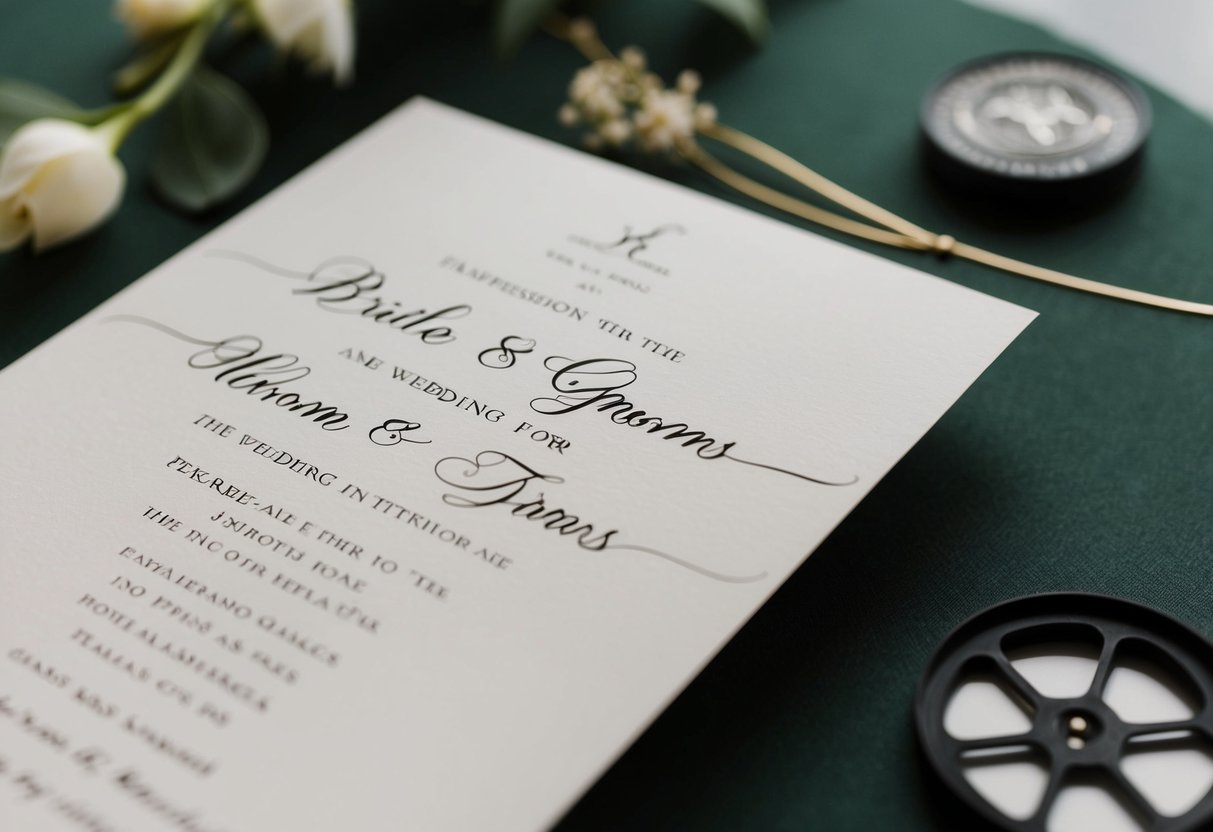
Today, many couples choose to personalize their invitations. Some modern etiquette suggests that it’s perfectly acceptable for the groom’s name to come first. Ultimately, it’s your special day, and the name order should reflect your preferences and what feels right for you and your partner.
Understanding this aspect of wedding etiquette can help you create invitations that truly capture your unique style and relationship. Whether you stick to tradition or decide to mix it up, what’s most important is that your choices reflect your journey together.
Wedding Invitation Etiquette
Understanding the etiquette behind the order of names on wedding invitations is important. This practice can vary based on tradition, modern customs, and personal preferences. Here are some key points to consider.
Traditional Ordering of Names
In traditional weddings, the bride’s name often comes first on invitations. This custom reflects the historical role of the bride’s family in hosting the event. For example, you might see something like:
Emily Jane Smith
and
John Michael Doe
This format signals that the bride’s family is taking the lead. If you are including parents’ names, they typically appear before the couple’s names, maintaining clarity and structure. It’s crucial to be consistent throughout your invitations to avoid any confusion.
Modern and Egalitarian Approaches
With changing attitudes toward weddings, many modern couples prefer more egalitarian approaches. You might choose to list the names in alphabetical order, especially if both partners have equal contributions to the wedding.
For same-sex couples, the decision is even more personal. You can decide whose name goes first based on preference or any meaningful significance. Ultimately, it’s about what feels right for you and your partner. Remember to keep it simple and true to your style.
Designing Your Invitations
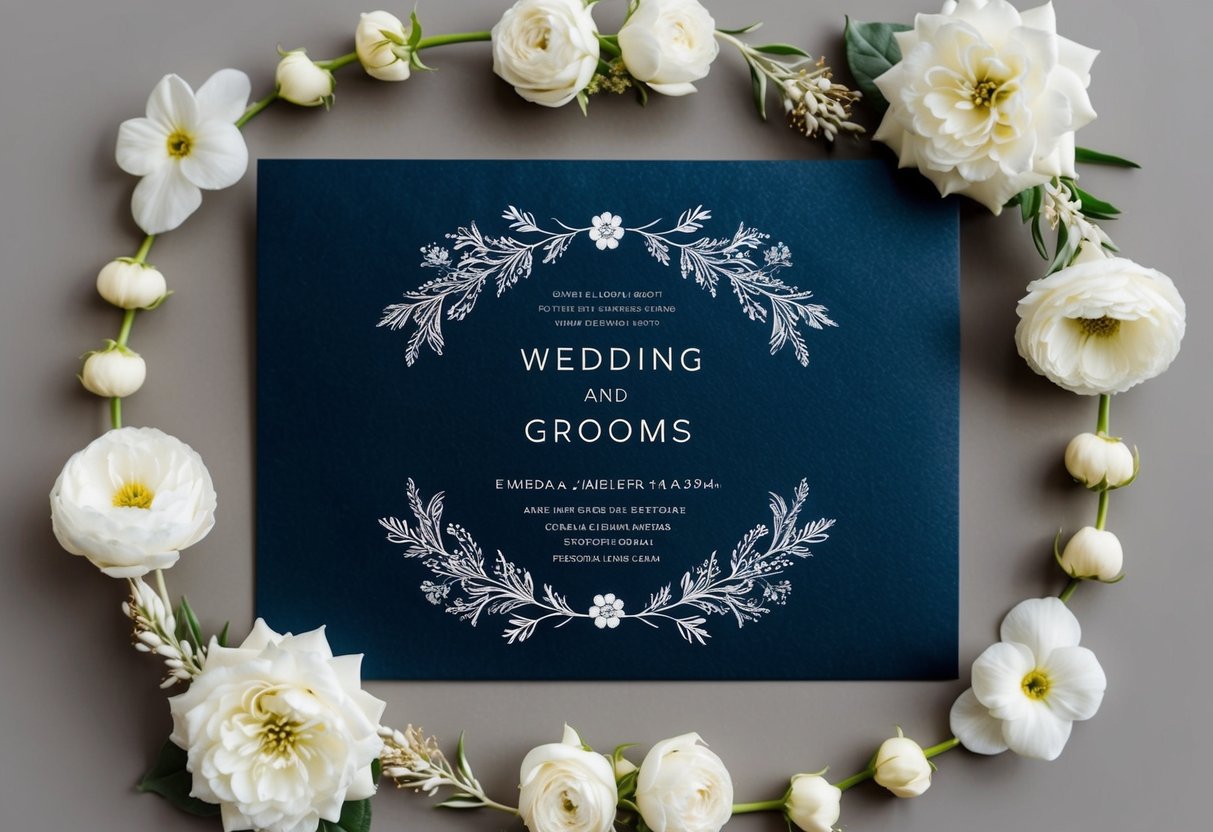
When creating your wedding invitations, you want them to reflect your style and personality. It’s important to think about how to incorporate names and monograms effectively to make your invitations stand out.
Incorporating Monograms and Names
Using a married monogram adds a personal touch to your wedding stationery. A typical monogram includes the bride’s first initial, the couple’s last name, and the groom’s first initial. For example, if Sarah Smith marries John Doe, the monogram would be SJD.
You can place the monogram at the top center of the invite for added elegance. This design choice makes it the center of attention, drawing guests’ eyes immediately. Also, including your names in a stylish font enhances the overall look. Ensure the names are prominent but still blend well with the rest of the design.
Placement and Prominence
Placement is key to making your invitations visually appealing. The bride’s name traditionally appears first, signaling important cultural norms. However, feel free to switch this depending on your preference.
Consider the overall layout of your invitation. Names should be larger than other text elements. The wedding date and venue details can be slightly smaller but still readable. Use bold fonts for names and elegant scripts for other details.
You can also use varying font sizes to create a hierarchy of information. Placing the names at the top or center helps them shine, while details about the wedding party can be smaller and below.
Important Details to Include on Invitations
When creating wedding invitations, certain key details are essential. These specifics ensure that guests have all the information they need to attend your special day with ease.
Date, Time, and Venue Information
Make sure to clearly state the date and time of your wedding. It’s best to spell out the date rather than use numbers for clarity. For example, write “Saturday, June 15, 2025,” instead of “6/15/25.”
Include the ceremony venue and reception locations, ensuring they match the formality of your event. For instance, if your ceremony is in a church, use its full name and address. If the reception is at a banquet hall, include those details too.
A full address helps guests plan their arrival and can assist with any directions they might need. If there are parking specifics, like valet service, mention that as well.
Additional Wedding Weekend Events
If your wedding is part of a larger weekend celebration, include details about additional events. You might have a welcome dinner, a brunch, or special activities for guests.
Clearly outline each event’s date, time, and location. You can list them in a simple format, like this:
- Welcome Dinner: Friday, June 14, 2025, at 6:00 PM, The Italian Bistro
- Brunch: Sunday, June 16, 2025, at 10:00 AM, City Park Pavilion
If you provide guests with information on hotel accommodations or suggest they use welcome bags, mention that. It shows you care about their comfort and enjoyment.
RSVP and Registry Info
RSVP details are crucial for planning. Make sure to include a clear request for guests to respond by a specific date. You can write, “Please RSVP by May 1, 2025.” Make it easy by providing both online and mailing options.
Don’t forget the registry information. Mention where you’re registered to help guests choose gifts. A simple note can say, “We are registered at Amazon and Bed Bath & Beyond.”
If there’s a dress code, include it too. You might say, “Formal attire requested” or “Beach casual.” This guides guests in choosing the right outfits for your celebration.