
Does the Bride or Groom Pay for Flowers? Understanding Wedding Expenses
When planning a wedding, you might wonder who is responsible for the flowers. Traditionally, the groom’s family pays for the personal flowers, like the bride’s bouquet and the boutonnieres for the groomsmen. This can include corsages for mothers and grandmothers as well. Understanding these traditions can ease some of the stress around financial contributions during wedding planning.
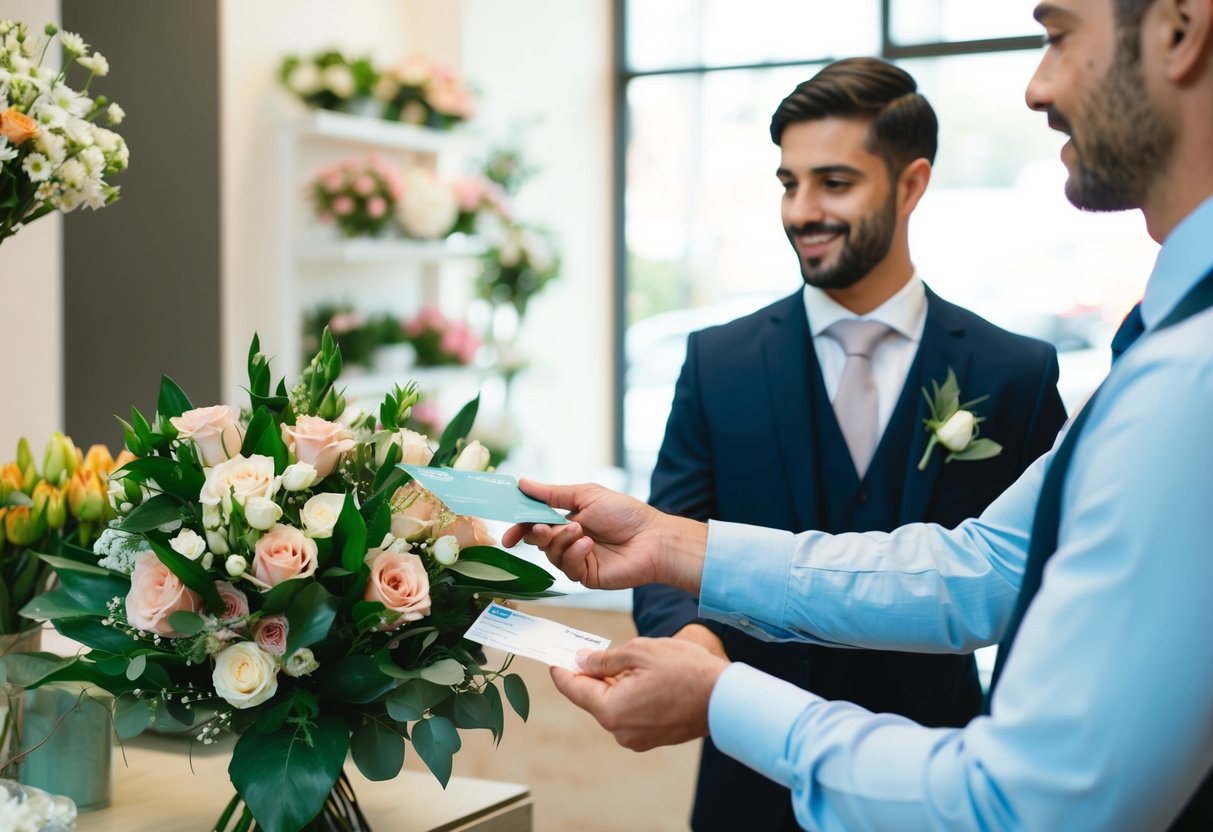
But, as with many wedding expenses, these expectations can vary based on individual situations and preferences. Some couples choose to split costs or handle things differently according to their own wedding etiquette. By knowing who typically covers what, you can make informed decisions that fit your unique circumstances.
As you dive into your wedding planning journey, balancing costs with tradition will help you manage your budget and create a beautiful day. With this guide, you can navigate the topic of flowers and discover how to handle this lovely element of your celebration without confusion.
Understanding Wedding Flower Expenses
When planning your wedding, understanding who pays for the flowers can help clarify financial responsibilities. Different roles and essential items influence your overall flower budget, affecting what everyone contributes.
Roles in Financial Responsibilities
Traditionally, different families handle specific wedding flower costs. The groom’s family often covers decorative flowers for the ceremony venue. This can include aisle decorations and any focal points.
On the other hand, the bride’s family typically pays for flowers used by the wedding party. This includes the bridal bouquet, bridesmaids’ bouquets, corsages, and boutonnieres. Together, these roles shape the expectations and financial planning for flower expenses.
Many couples today choose to split costs more evenly with their families. You might find it beneficial to openly discuss contributions, so everyone understands their roles.
Wedding Flower Essentials
Your wedding flower expenses usually include several essential items. For starters, the bridal bouquet is a focal point and often reflects your style. Bouquets for the bridesmaids follow closely, ensuring a coordinated look.
Corsages for mothers and grandmothers are popular, adding elegance to your ceremony. Boutonnieres for the groom and groomsmen are equally important, providing a polished touch.
Centerpieces for reception tables can significantly impact your budget. They not only serve as decor but also set the atmosphere for your celebration. Keep track of what you want versus what fits your budget for flowers.
Factors Affecting Flower Costs
Various factors can influence your wedding flower costs. The type of flowers you choose is one of the most significant. Some flowers are in-season and more affordable, while others may cost much more due to rarity.
The size of your wedding also affects this budget. A larger guest list usually means more centerpieces and bouquets. Similarly, the complexity of arrangements can drive up costs.
Location matters, too. Florists in metropolitan areas may charge higher prices than those in smaller towns. Always compare quotes from several florists to find the best fit for your budget.
Splitting Costs Between the Bride and Groom’s Families
When planning a wedding, understanding how to split costs between families can help ease financial stress. Traditionally, families have specific roles in covering expenses, but modern approaches allow for more flexibility in sharing the wedding budget.
Traditional Cost Division
Traditionally, the bride’s family covers a majority of the wedding expenses. This often includes costs like the wedding gown, venue fees, and the wedding reception. The groom’s family typically pays for specific items such as the rehearsal dinner and transportation for the groom and his attendants.
Here’s a basic breakdown of traditional expenses:
- Bride’s Family: Wedding venue, flowers, catering, wedding dress.
- Groom’s Family: Rehearsal dinner, transportation, officiant fee.
This arrangement has been accepted for many years, but it can result in unequal financial burdens.
Modern Approaches to Wedding Finance
In recent years, many couples and families choose to share costs more evenly. This shift reflects changing norms about gender roles and finances. You might find that both families contribute to various expenses or that the couple themselves cover more costs.
Some common modern arrangements include:
- Equal Contributions: Split costs equally between both families.
- Set Amounts: Each family agrees on a fixed amount to contribute.
- Direct Payments: Families pay for specific items directly, giving clarity about who is responsible for what.
This flexibility can create a more balanced wedding budget and can make planning smoother.
Communicating About Expenses
Open communication about financial responsibilities is crucial. Discussing your expectations early can help prevent misunderstandings later.
When sharing costs, consider these steps:
- Schedule a Family Meeting: Gather both sides to talk about financial contributions.
- Create a Budget: Outline all expected expenses, including flowers, catering, and reception alcohol.
- Be Honest: If one family can’t contribute as much, it’s essential to express this openly.
Listening to each other’s views can foster a collaborative approach to wedding planning. Remember, teamwork makes the process more enjoyable!
Special Considerations for Personal Flowers
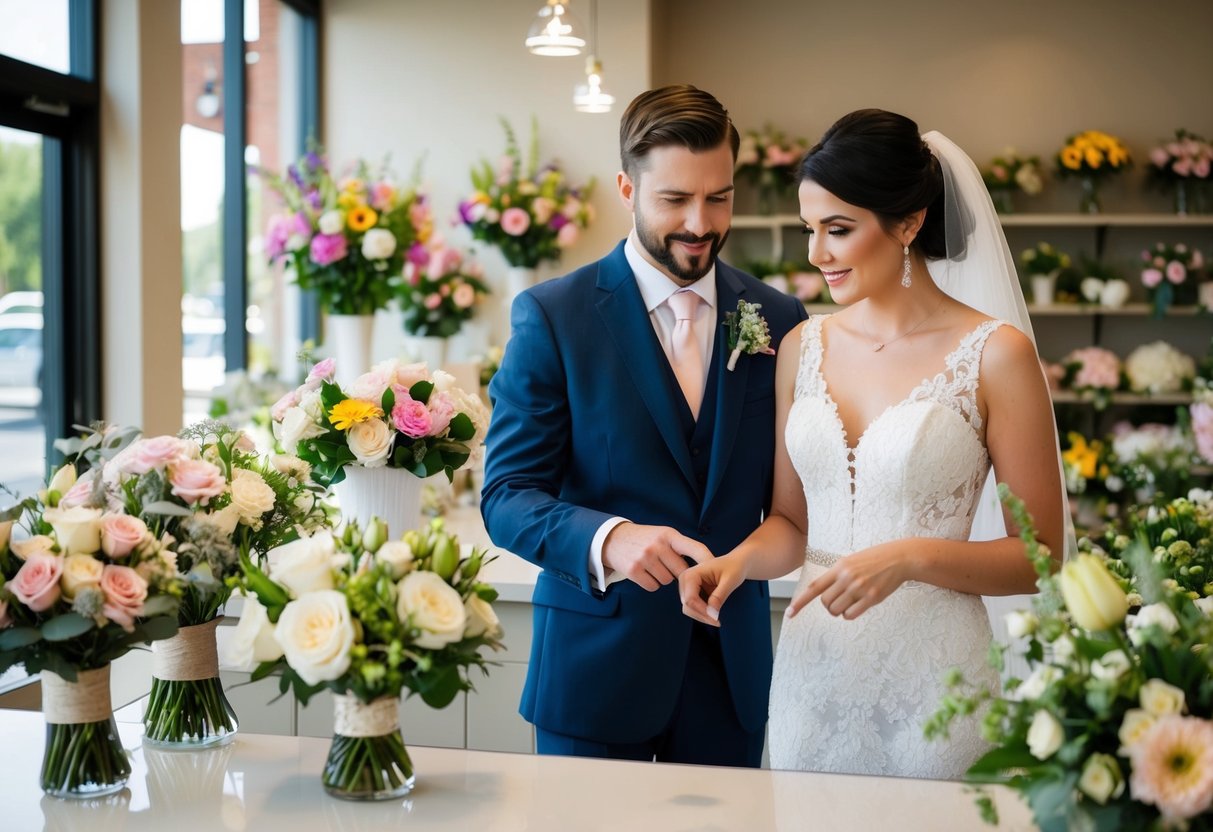
When planning your wedding, personal flowers play a key role in the event’s overall look. This section focuses on selecting and styling personal flowers, along with how they can enhance both the ceremony and reception.
Selection and Style
Choosing the right personal flowers is important. Start with your bridal bouquet, as it sets the tone for your wedding. Think about the colors and flowers that represent you.
Bridesmaid bouquets should complement yours without being identical. Consider sizes and styles that suit each person’s personality. Don’t forget about the flower girl, who can have a smaller, charming arrangement.
For the groom, boutonnieres are a must. These can be simple flowers or small arrangements that reflect the bridal bouquet.
Keep in mind that wedding corsages can be worn by mothers or other special relatives, adding another layer of personal touch.
Ceremony and Reception Decorations
Flowers also enhance your ceremony and reception. For the ceremony, consider a stunning ceremony backdrop. This could be adorned with flowers that match your theme. Flowers can drape elegantly around arches or stands.
During the reception, use wedding centerpieces to continue the floral theme. Tall arrangements can add height and drama, while low arrangements create intimacy. You might also want some wedding reception flowers on guest tables to make the space feel complete.
It’s also wise to think about how to style your flowers for various areas. For example, aisle markers can guide guests to their seats while also adding beauty to the space.
Additional Wedding-Related Expenses
Weddings come with many costs beyond flowers. It’s essential to plan for several key expenses that can add up quickly. Understanding these costs will help you budget effectively and make informed decisions.
Pre-Wedding Activities
Before the wedding day, there are several activities that require funds. A popular choice is the bachelorette party, which often includes venue costs, food, and drinks. You might also want to host a welcome party for out-of-town guests.
Wedding invitations are another important expense. Budget for printing, postage, and extra invitations. Don’t forget the marriage license fee, which varies by location, as well as the officiant fee for the person who will marry you.
Also, consider hair and makeup services for the bride and wedding party. This can add a significant amount to your pre-wedding budget. Lastly, if you want a special getaway car for your departure, that will need to be factored in too.
Post-Wedding Costs
After the wedding, you still have several expenses to consider. One key area is the honeymoon. This trip can vary widely in cost, depending on your destination and activities.
Following the honeymoon, many couples choose to send thank-you gifts to guests who contributed to their special day.
Additionally, you’ll want to consider the cost of photography and videography. Quality photos and video can help preserve your memories, but they come at a price.
Lastly, think about wedding music and any entertainment for your reception. Hiring a band or DJ ensures your guests have fun. All these costs should be clearly outlined in your budget to avoid surprises later.