
Does the Bride Pay for Anything for the Bridesmaids? Understanding the Costs Involved
When it comes to wedding etiquette, many people wonder about who is responsible for paying for what, especially when it involves the bridal party. Traditionally, bridesmaids are expected to cover their own attire, but the bride may also help out with certain costs. This can vary based on individual circumstances and friendships, meaning open communication is key.
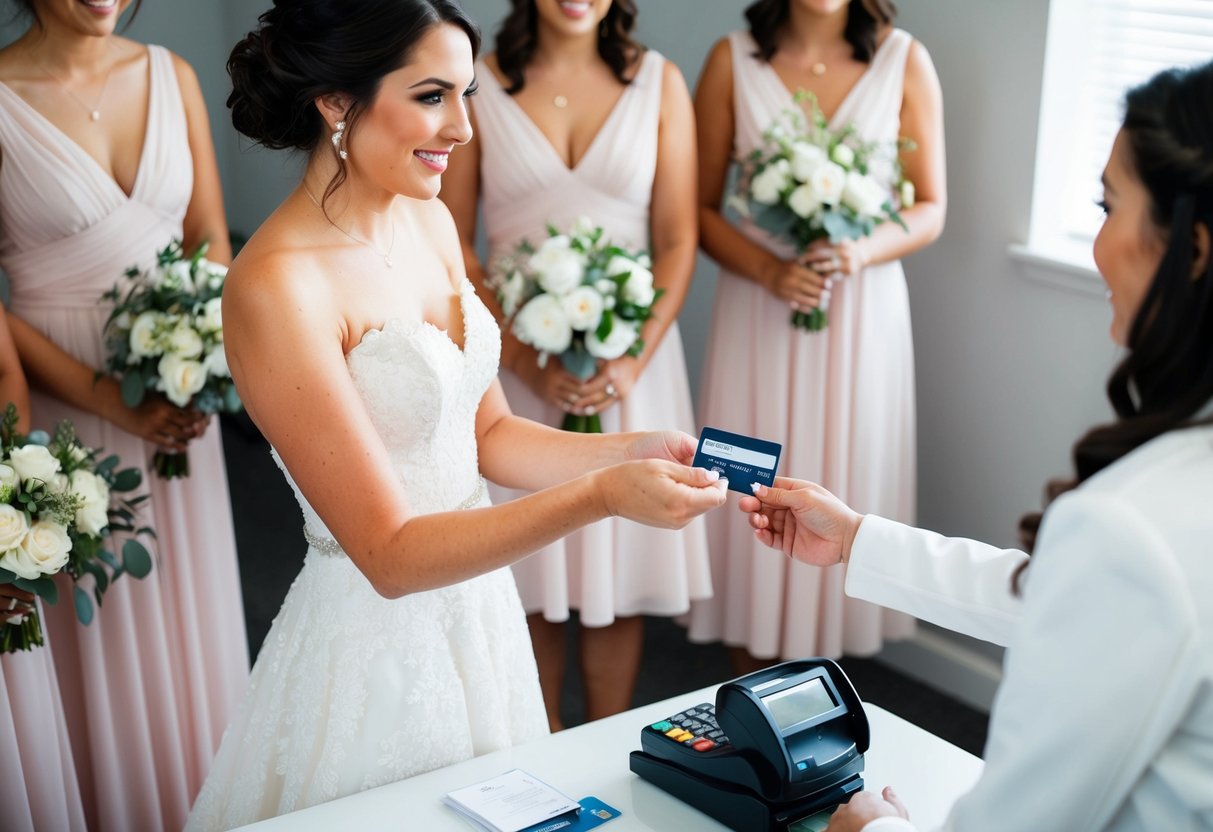
You might be surprised to learn that while bridesmaids take on some expenses, such as their dresses and accessories, they often need support with other costs like hair and makeup. This means the bride may offer to help lighten the financial load for her closest friends, ensuring everyone feels included on the big day.
Understanding these expectations can help you navigate the planning process with ease. It’s not just about the wedding day itself, but also about maintaining strong relationships with your bridesmaids during such an important time. Being clear about finances can lead to a more enjoyable experience for everyone involved.
Understanding Bridesmaids’ Expenses
When you’re a bridesmaid, there are several expenses you may encounter. These can include the dress, accessories, and sometimes additional costs related to the wedding. Understanding these can help you plan your budget better.
Traditional Expenses for Bridesmaids
As a bridesmaid, you’re typically expected to cover certain costs. The most common expense is the bridesmaid dress. Often, you will purchase this dress yourself. The bride may have a specific style she wants, so it’s good to communicate openly about budget constraints.
Other traditional costs may include accessories like jewelry and shoes. If the wedding is a destination wedding, you might also face travel and accommodation fees. Make sure you factor these into your budget.
The Bridesmaid Dress Dilemma
The bridesmaid dress situation can be tricky. Most bridesmaids pay for their own dresses, which can be a significant expense. Prices can vary widely based on style and designer. Be prepared for spending anywhere from $100 to over $300.
Sometimes, the bride chooses a dress that you may not love or is out of your budget. Try to have a conversation with the bride about options that everyone can agree on. It’s important to keep comfort and budget in mind while still adhering to the wedding’s style.
Additional Bridesmaid Costs
Besides the dress, there are other costs to consider. Hair and makeup are often additional expenses. While some brides cover this, it’s not guaranteed. It’s best to ask the bride if she plans to handle these costs or if you’ll need to budget for them yourself.
Attending pre-wedding events like bridal showers and bachelorette parties also adds to your expenses. Costs for these events can include gifts, travel, and accommodation. If the events are far away, make sure to budget for transportation and lodging, especially for a destination wedding.
The Bride’s Financial Responsibilities
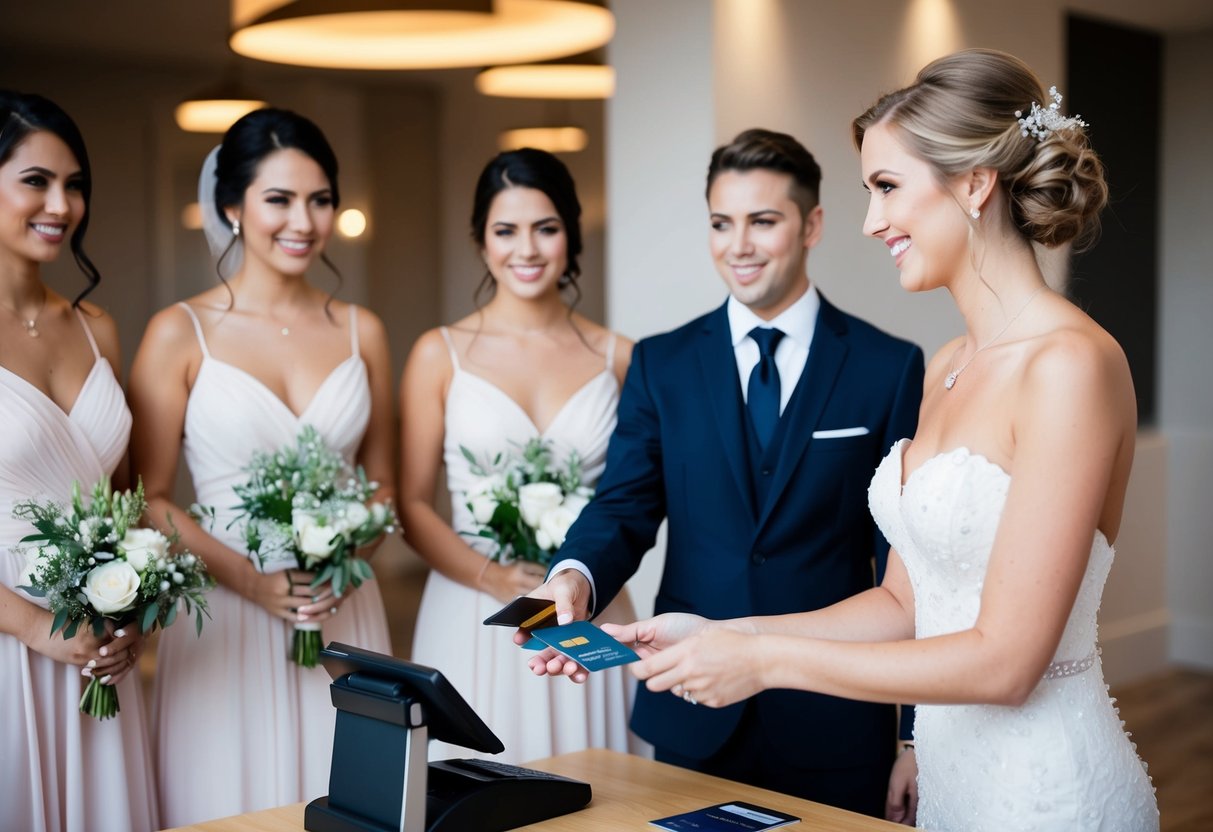
As a bride, you may have some financial responsibilities when it comes to your bridesmaids. Understanding these duties can help create a smoother planning process and ensure everyone knows what to expect.
Hair and Makeup Contributions
You often want your bridesmaids to look their best on your big day. While many brides choose to cover the costs of hair and makeup for their bridesmaids, it’s essential to communicate this upfront.
If you’re hiring professionals, consider discussing styles that fit your theme. You might cover the full fee or just the cost of a stylist. Be clear about how much each bridesmaid will contribute so there are no surprises.
You can also encourage your bridesmaids to do their hair and makeup if they feel comfortable. This can make the experience more personal and save costs for everyone.
Bridal Shower and Bachelorette Party
Typically, your bridesmaids plan and organize both your bridal shower and bachelorette party. While it’s considered their responsibility to cover most expenses, you might want to contribute.
Offering to pay for a portion of the costs shows appreciation. For instance, you could cover a meal or drinks for the group. This gesture helps keep the stress off your bridesmaids and shows that you value their efforts.
Make sure to discuss any ideas beforehand. Being involved in the planning can ensure it aligns with your vision and budget.
Travel and Accommodation Considerations
When your wedding is out of town, travel and lodging can become a concern. If you have bridesmaids coming from different locations, you might need to help.
Consider booking a group rate at a hotel. This could lower costs for everyone. You might also want to cover transportation costs for bridesmaids who need to travel from the hotel to the venue on the wedding day.
Clear communication about who will cover what is vital. This avoids misunderstandings and makes your special day enjoyable for everyone involved.
Navigating Wedding Budget and Etiquette
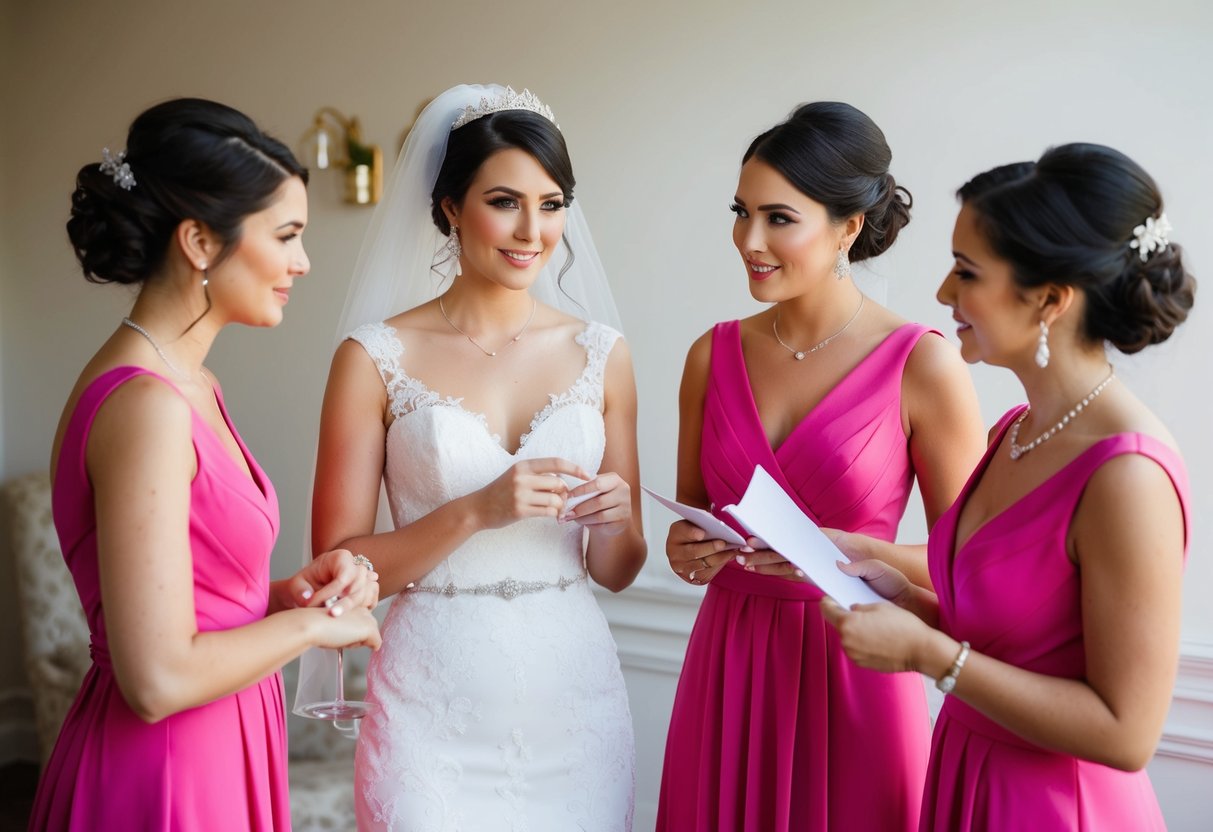
Planning a wedding involves many financial considerations and etiquette guidelines, especially when it comes to the roles of bridesmaids. Understanding the budget and expectations can help create a smoother experience for everyone involved.
Setting Expectations Early
It’s crucial to have clear conversations with your bridesmaids about costs. Talk about what they expect to spend on their dresses, accessories, and travel. Early discussions can prevent miscommunications later.
Consider creating a group chat or email thread to keep everyone informed. This way, they feel included and can voice any concerns. By establishing these expectations from the start, you build a supportive and understanding environment that reduces stress.
Who Pays for What: A Breakdown
Traditionally, most costs fall on the bridesmaids, such as their dresses, makeup, and sometimes even travel expenses. However, you might choose to moderate these expenses.
Consider the following breakdown:
- Bridesmaids: They typically cover their own dresses, shoes, and hair/makeup.
- Bride: You can choose to gift them accessories or their hair/makeup on the wedding day as a token of appreciation.
- Wedding Gifts: You might consider giving each bridesmaid a small gift, showing gratitude for their support.
Discussing these elements openly ensures everyone is on the same page.
Balancing Tradition with Modern Practices
While many traditional customs exist regarding bridesmaid duties, modern practices can offer you flexibility. You might choose to adapt traditions to better suit your financial situation and personal style.
For example, some brides now offer to pay for dresses or makeup, which helps ease the financial burden. Additionally, creating a budget that prioritizes convenience and accessibility can help.
Remember, your wedding should reflect your values and vision. Balancing past traditions with new ideas can help create a joyful experience for you and your bridesmaids.
Final Details and Considerations
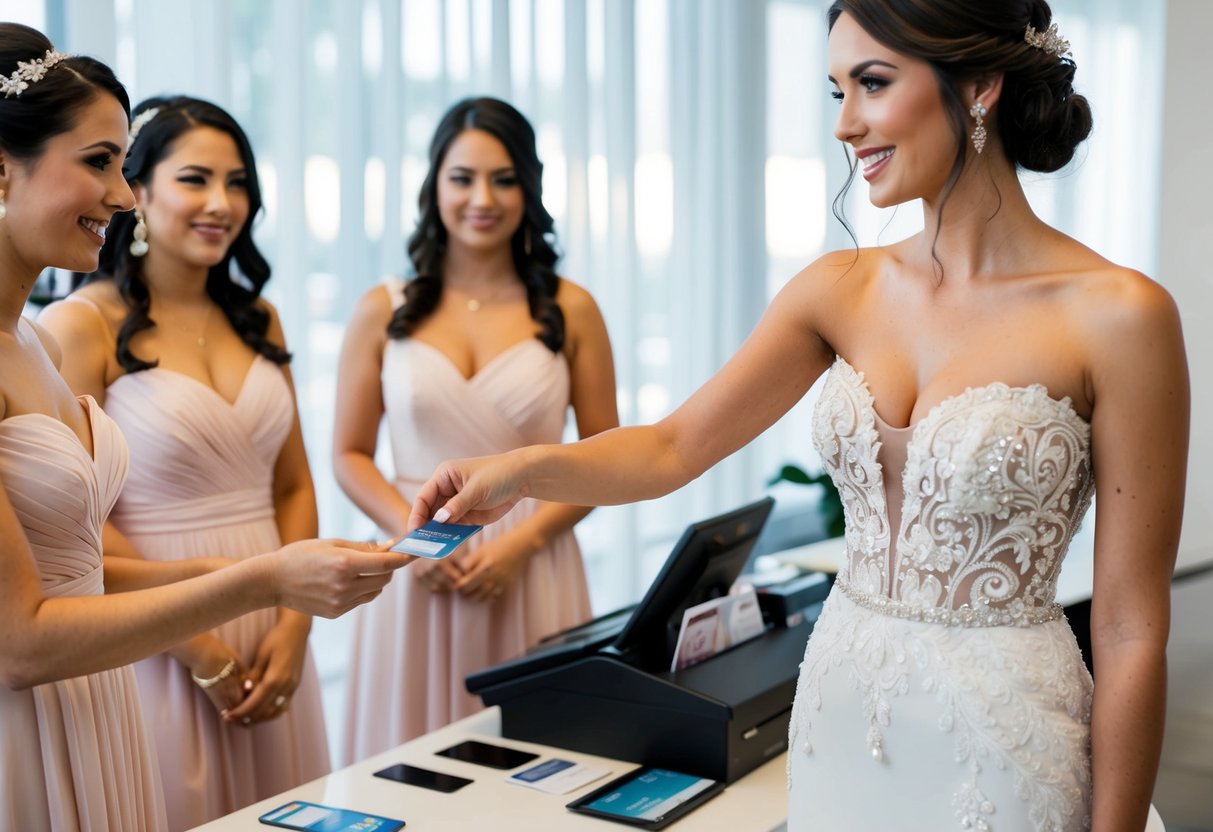
When planning for your bridesmaids, it’s important to think about extra touches that will enhance their experience. This includes arranging transportation and considering floral accessories, both of which can show your appreciation for their support on your special day.
Day-of Transportation and Logistics
You should consider how your bridesmaids will get to the venue on the wedding day. If the ceremony and reception locations are far apart, arranging group transportation can be a thoughtful gesture. You can hire a shuttle bus or limousine to keep everyone together and relaxed.
Key points to remember:
- Cost Coverage: Decide if you will cover the transportation costs or ask the bridesmaids to chip in.
- Timing: Make sure to schedule pickups that allow enough time for hair, makeup, and any pre-wedding activities.
If you handle the logistics, your bridesmaids can focus on enjoying the moment.
Floral Accessories and Last-Minute Items
Floral accessories can add vibrant touches to your bridesmaids’ outfits. You might want to provide matching bouquets or additional floral pieces. These items can complement your own bouquet and enhance the overall look.
Here are some ideas:
- Bridesmaid Bouquets: Consider purchasing or arranging for bouquets that match your color scheme.
- Corsages: If you have flower girls or other special helpers, small floral accessories like corsages can be a nice touch.
Make sure to take care of any last-minute items well before the big day. This adds to a seamless experience for everyone involved.