
Does the Bride Pay for Bridesmaid Flowers? Understanding Wedding Traditions
When planning a wedding, many guests wonder about the costs involved, especially regarding the bridal party. Traditionally, the bride or her family pays for the flowers for the bridesmaids, including their bouquets and other floral accessories. This practice not only helps to create a cohesive look for the wedding party but also eases some of the financial burden on the bridesmaids themselves.
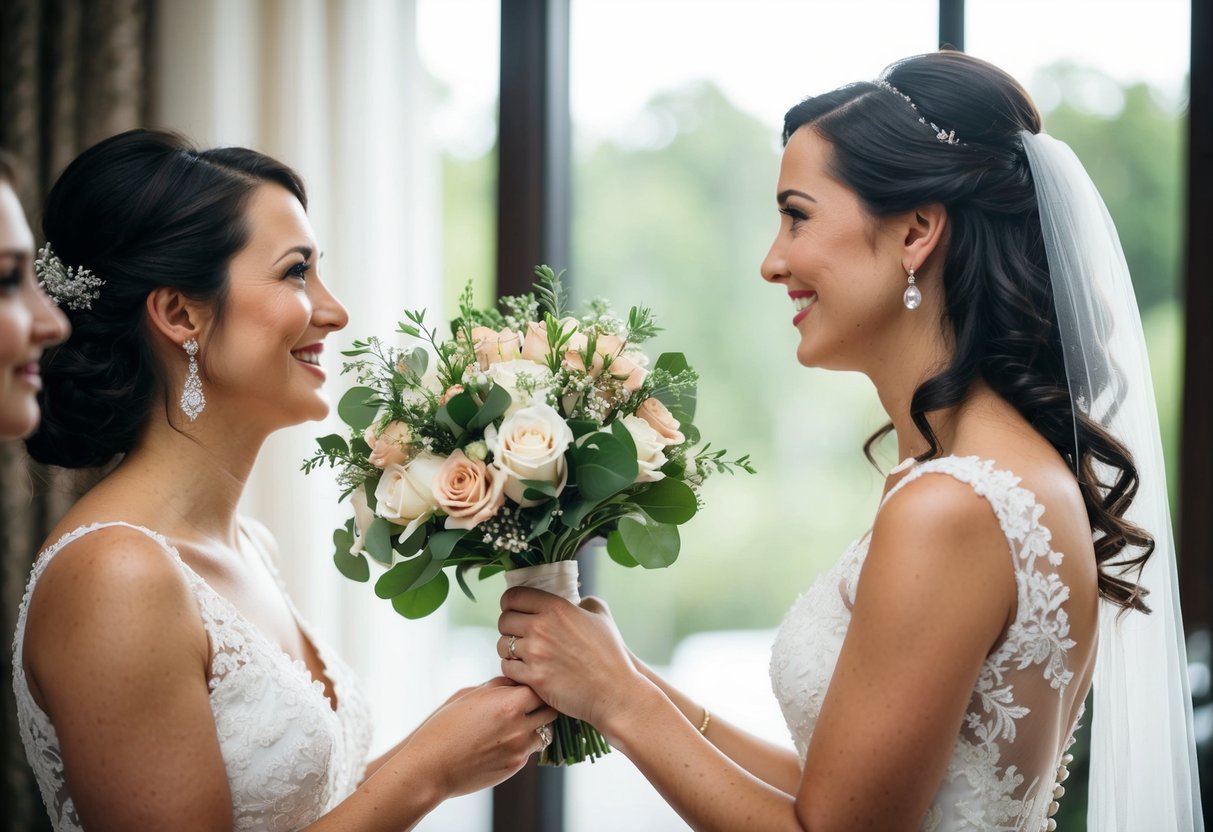
As wedding etiquette evolves, modern couples often find creative and flexible ways to handle expenses. In some cases, brides may ask their bridesmaids to contribute to their own flower costs. This shift reflects the changing nature of wedding festivities, where expenses are shared more evenly between families or tailored to fit individual situations.
In planning your wedding, it’s essential to communicate clearly about these expectations to avoid misunderstandings.
Understanding who pays for what can help you navigate the financial aspects of wedding planning smoothly. From traditional rules to modern approaches, knowing your options ensures that everyone involved feels comfortable and informed.
Understanding Wedding Flower Expenses
When planning your wedding, knowing who pays for flowers and how much they will cost is important. These details can help manage your wedding budget effectively. Let’s take a closer look at the roles involved and the breakdown of costs associated with wedding flowers.
Roles and Responsibilities in Traditional and Modern Weddings
In traditional weddings, the bride’s family typically covers most of the flower expenses. This includes the bridal bouquet and bridesmaids’ flowers. The bride also usually pays for the flowers used by the maid of honor and flower girl.
In modern weddings, trends have changed. Many couples now share the costs. This means the bride and groom might split the payments for flowers based on their preferences or budget.
It’s smart to discuss these responsibilities early on. Clear communication will help avoid any misunderstandings about who pays for what.
The Breakdown of Wedding Flower Costs
Wedding flower costs can vary widely based on several factors. Here are some common expenses you might encounter:
- Bridal Bouquet: This is usually the most expensive item and often requires specific types of flowers.
- Bridesmaid Bouquets: Traditionally paid for by the bride, these can add up quickly.
- Ceremony Decorations: Items like altar arrangements and aisle markers also contribute to the total cost.
- Reception Centerpieces: These can significantly affect your flower budget, depending on the size and complexity.
Understanding your wedding flower budget requires careful planning. Research local florists and average prices in your area. This will help you make informed decisions and stay within your wedding budget.
Specifics of Bridesmaid Floral Arrangements
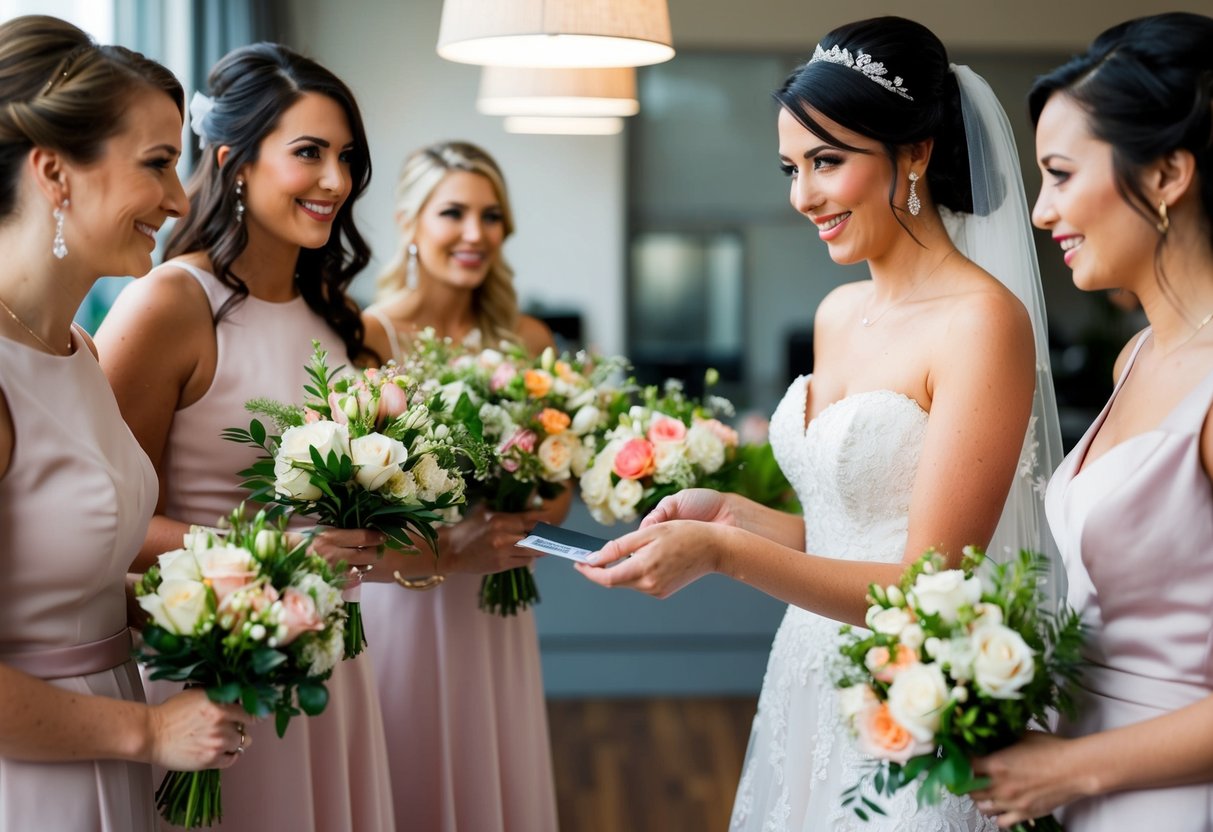
When planning for bridesmaid flowers, it’s important to know about the key elements involved. This includes bridesmaid bouquets, corsages, and boutonnieres. Each piece plays a vital role in setting the wedding’s style and enhancing the bridal party’s look.
Bridesmaid Bouquets
Bridesmaid bouquets are typically arranged in styles that complement the bride’s bouquet. The bride usually covers the cost of these floral arrangements, which is a thoughtful way to show appreciation to your friends.
Average Cost:
- The cost of bridesmaid bouquets usually ranges from $65 to $125 each.
These bouquets can come in various shapes, sizes, and flower types. When choosing, consider the wedding theme and color palette. Coordinated flowers tie the look together and make for stunning photos.
Corsages and Boutonnieres
Corsages and boutonnieres add an extra touch of elegance to your wedding party. Corsages are often worn by mothers of the bride and groom, while boutonnieres are typically for the groomsmen and fathers.
Cost Breakdown:
- Corsages: Generally priced between $20 to $50.
- Boutonnieres: Usually cost around $10 to $30 each.
These floral accessories should match the bridesmaids’ bouquets and overall wedding colors. Choosing unique flowers or designs can personalize these items. It’s helpful to consult your florist for ideas that fit your wedding theme.
The Bride’s Guide to Planning Flower Arrangements
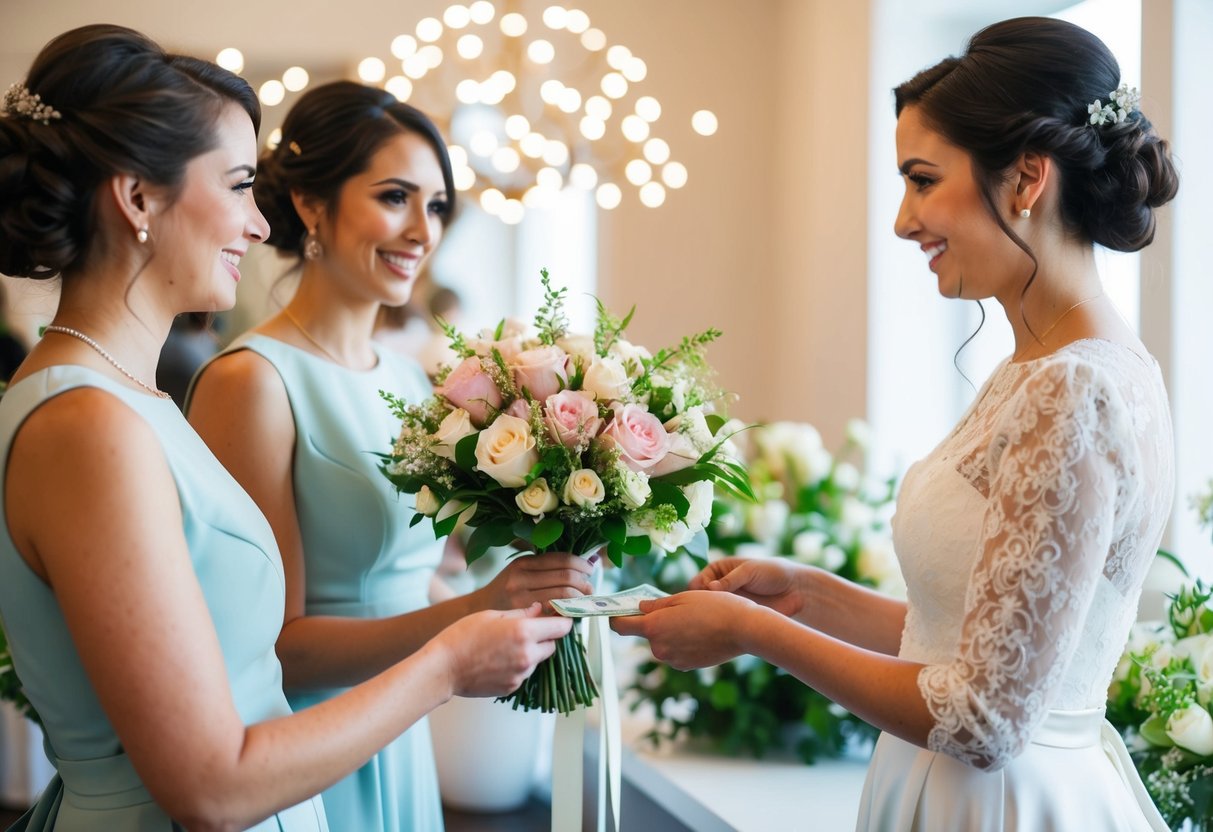
Planning flower arrangements for your wedding party is essential to creating a harmonious look. You will want to choose flowers that not only fit your theme but also complement your bridal bouquet and bridesmaid dresses.
Choosing the Right Flowers for Your Wedding Party
Selecting the perfect flowers for your bridal party can be exciting. Start by considering your wedding theme and color palette. Choose flowers that align with these elements, such as roses, peonies, or lilies, to create a cohesive look.
Make sure to also think about the size and shape of the bouquets. For example, bridesmaid bouquets can be smaller and simpler compared to the bridal bouquet, which usually stands out.
Consider using artificial flowers if you want something long-lasting or if you have allergies. They can also save you stress on the wedding day since they don’t wilt. Additionally, adding flowers to your wedding centerpieces can enhance the beauty of your venue.
Budgeting for Bridal and Bridesmaid Flowers
Creating a budget for your wedding flowers is crucial. Start by deciding how much you can allocate to floral arrangements, including your bridal bouquet and bridesmaid bouquets.
Break down costs by listing the flowers needed: bridal bouquet, bridesmaid bouquets, and any additional arrangements like corsages or wedding centerpieces. Don’t forget to include fees for setup and delivery if applicable.
Look for options that fit your budget. For example, seasonal flowers tend to be cheaper, while exotic blooms can increase costs. You could also consider a mix of real and artificial flowers to stay within budget while maintaining elegance. Always remember to communicate with your florist about your budget to find suitable choices.
Other Considerations for Bridesmaid Preparations
When preparing for a wedding, there are several important factors for bridesmaids to consider. From attire to special events, each decision can affect the overall experience. Here’s what to keep in mind.
Dresses, Hair, and Makeup
Choosing the right bridesmaid dress is one of the first tasks. Typically, bridesmaids pay for their own dresses, which can vary in style and cost. The bride may have specific colors or styles in mind, so keep her preferences in the loop.
Make sure to schedule appointments for hair and makeup well in advance. Some brides choose to cover these costs, while others ask their bridesmaids to pay. Discussing this early can save confusion and help everyone feel more at ease.
To complement the outfit, bridesmaids might also want to think about accessories like shoes and jewelry. Remember, it’s about looking cohesive with the bridal party while still feeling comfortable.
Additional Bridesmaid-Related Events
Several additional events surrounding the wedding can also be important. You might be involved in a bridal shower, where a gift for the bride is expected. This gift doesn’t have to be extravagant; it’s the thought that counts.
The rehearsal dinner often includes flowers, and sometimes the bridesmaids are asked to help with arrangements. Make sure you know your role in these gatherings.
Lastly, a bachelorette party is usually organized by the maid of honor or other bridesmaids. Costs can vary, so discussing what everyone is comfortable with is key. Keep communication open to ensure everyone enjoys these special moments.