
Does the Bride Sit on the Left or Right UK? Understanding Wedding Seating Traditions
When planning your wedding, you might wonder about traditional seating arrangements. In UK wedding ceremonies, the bride typically sits on the left side of the aisle, while the groom sits on the right. This seating choice is rooted in custom, reflecting centuries of wedding traditions that guide how families are arranged during the ceremony.
Understanding these traditions can help you decide how to reflect your own style and values in your wedding. While some modern couples choose to mix things up, knowing the traditional seating can give you insights into the roles and expectations at your ceremony. Whether you stick to tradition or create your own unique approach, these details can add special meaning to your big day.
Traditions of Wedding Seating Arrangements
Wedding seating arrangements come with rich traditions that reflect various cultural practices. The positioning of the bride and groom, along with their families, often holds symbolic significance. Understanding these customs can make your wedding even more meaningful.
Historical Background
Historically, wedding seating has deep roots in cultural and religious practices. In many traditions, the bride sits on the left side of the groom, symbolizing her being on the groom’s side. This practice is believed to come from the time when marriages were arranged. The groom had to protect his bride from rivals, so positioning her on his left allows him to keep his sword hand free on the right.
These traditions are not just decorative; they serve to unite families and signify the joining of two households. Family dynamics often influence these arrangements, adapting to modern preferences while keeping certain elements intact.
Bride on the Left or Right in Christian Weddings
In Christian weddings, the bride traditionally sits on the left side of the aisle. This custom indicates her closeness to her groom, who is seated on her right. The seating arrangement also extends to family members. Often, the bride’s family occupies the left side of the venue, while the groom’s family sits on the right.
This arrangement fosters a sense of unity during the ceremony. It allows guests to easily recognize who belongs to each family. Engaging with these age-old practices can enhance the overall wedding experience, making it more personal for you and your guests.
Jewish Weddings and Seating Customs
Jewish weddings have their own unique seating customs. Similar to Christian ceremonies, the bride usually sits on the left side of the chuppah, with the groom on the right. This symbolizes unity and the sanctity of their bond.
Traditionally, Jewish guests are arranged by family affiliations, with the bride’s side on one side and the groom’s on the opposite side. This enchanting arrangement helps everyone feel the community spirit as they witness the couple’s commitment. Adopting these rich customs can add a beautiful touch to your wedding day.
Planning Your Ceremony Seating
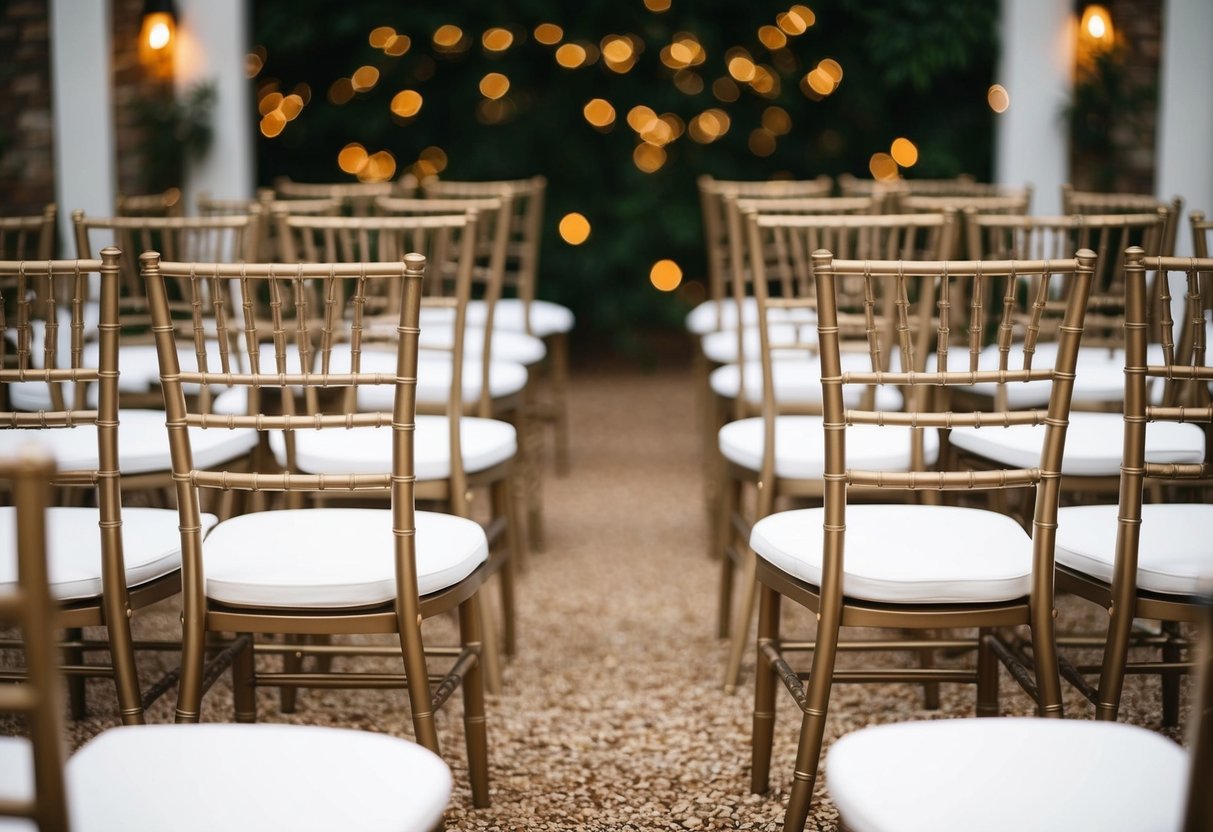
Creating the perfect seating arrangement for your wedding ceremony is essential for ensuring guests feel comfortable and welcomed. You want to consider family dynamics, especially with divorced parents, and how to add personal touches that reflect your style.
Seating Plan Essentials
Begin by drafting a seating plan that considers immediate family and key guests. Make a list of who belongs in the bride’s and groom’s parties. Traditionally, the bride’s family sits on the left and the groom’s family on the right.
Use a simple chart to visualize placements. For example, list the first row for close family and friends, such as parents and siblings. Here’s a quick layout:
- Bride’s Side:
- Row 1: Parents, Siblings
- Groom’s Side:
- Row 1: Parents, Siblings
Your seating arrangement sets the tone for the day, so aim for harmony. Don’t hesitate to consult an usher for setup to ensure everything goes smoothly!
Seating Divorced Parents
If you have divorced parents, planning their seating can be tricky. Start by communicating openly with them about the arrangement. It’s best to avoid any tension by placing them at a comfortable distance from each other.
You might also consider having one parent sit on the front row and the other a few rows back. Another option is to alternate rows, giving everyone a chance to feel included but also maintaining peace.
Here’s a possible arrangement:
- Front Row:
- Parent A (Bride’s Side)
- Rows 2-3:
- Extended Family and Friends
- Next Row:
- Parent B (Groom’s Side)
This way, both parents feel valued without the stress of sitting too close.
Incorporating Personal Touches
Adding personal touches to your seating plan can make your ceremony feel unique to you. Consider printed name cards that reflect your wedding theme or fun facts about each guest.
You might also include a special section for friends who traveled long distances to celebrate. This could be a small reserved area at the front.
Remember, your ushers can help guide guests to their seats, ensuring everything flows well. Personal touches enhance the experience for everyone, making the day memorable.
Reception and Positioning of the Bridal Party
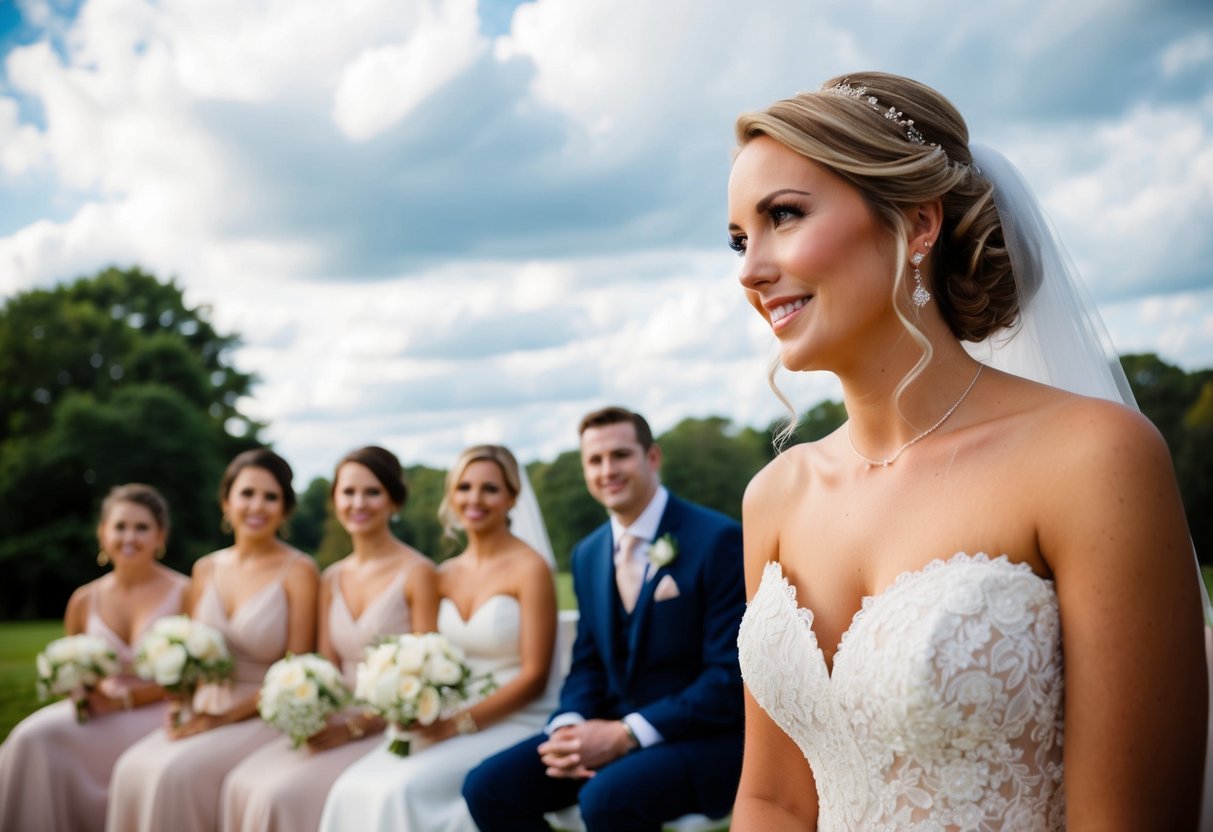
At the wedding reception, the seating arrangement for the bridal party is important for both tradition and practicality. Knowing where everyone sits helps things run smoothly. Let’s explore the classic head table setup and some modern twists like sweetheart tables.
Arrangement of the Head Table
The head table is typically the focal point at the reception. Here, the bride usually sits on the groom’s left side. The best man sits on her right, while the maid of honor takes a seat beside the groom.
This arrangement symbolizes unity and balance. If your wedding party has more members, consider seating them directly across or in close proximity for a more inclusive feel.
Make sure to discuss these plans with your wedding planner to ensure everyone knows their spot. Setting this table properly allows for easy conversation among the bridal party during the celebration.
Modern Adaptations with Sweetheart Tables
In recent years, many couples have chosen to go with a sweetheart table. This is a smaller table meant for just the bride and groom. You might find this option appealing if you prefer some time alone away from the crowd.
A sweetheart table lets you have the rest of your bridal party nearby. This setup allows for intimacy while keeping the spirit of togetherness.
You can also decorate your sweetheart table with special touches like flowers or personalized items to stand out. Make sure your wedding planner knows your preference, so they can create a beautiful space just for you.