
Does the Bride Walk First? Understanding Wedding Procession Traditions
When planning a wedding, you might wonder about the order of events, especially regarding who walks down the aisle first. Traditionally, the bride does not walk first; instead, she often walks last, following the wedding party. This moment is saved for the bride to make a grand entrance, capturing everyone’s attention as she approaches the altar.
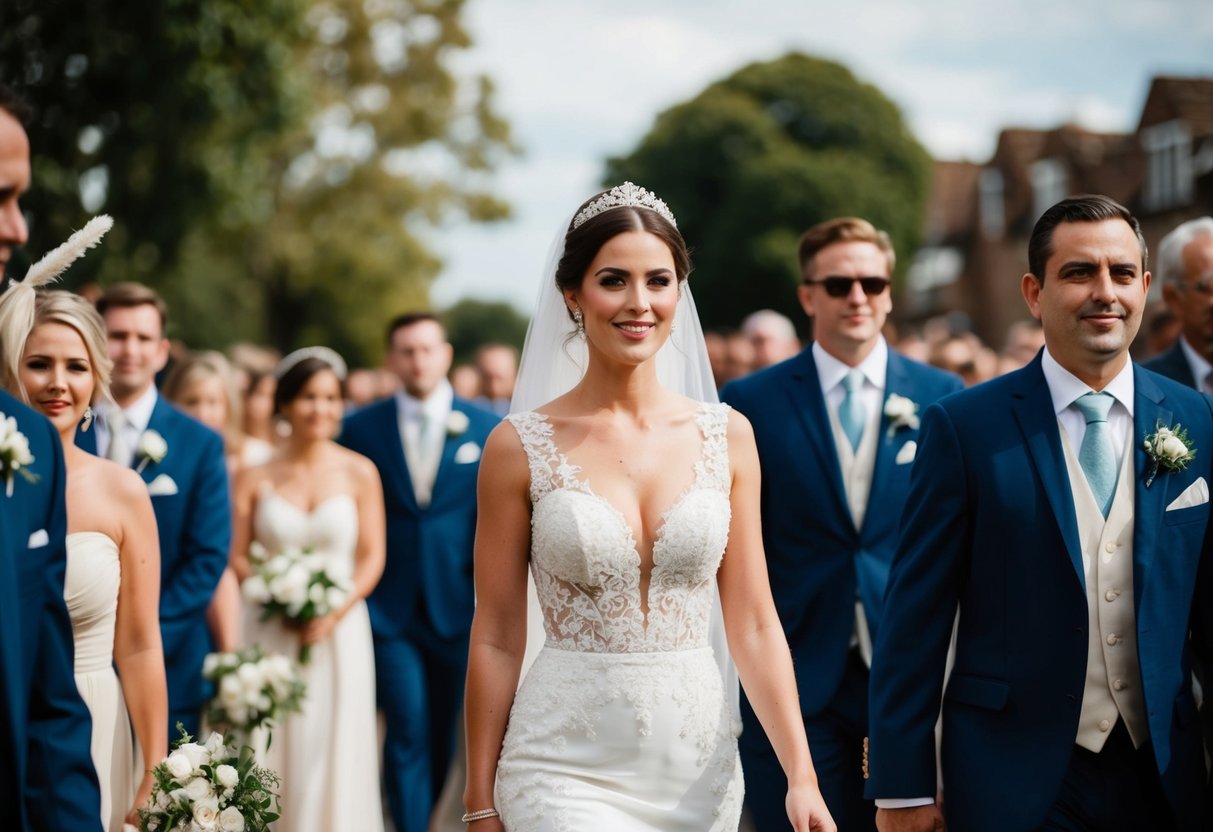
Understanding this tradition can help you plan a ceremony that reflects your style and values. You might decide to stick with tradition or choose something unique that feels right for you and your partner. Regardless, knowing the customary roles can make your planning smoother and more enjoyable.
As you prepare for your big day, it’s essential to consider the meaning behind each moment in the processional. From the officiant to the bride, each step marks a significant part of the ceremony, setting the tone for a memorable celebration.
Traditional Wedding Procession Order
Understanding the traditional wedding procession order helps you know what to expect during the ceremony. Each role in the procession has meaning and can vary based on cultural and religious practices.
Roles in the Procession
In a typical wedding ceremony, several key people walk down the aisle in a specific order. This order often begins with the officiant, who sets the tone for the ceremony.
Next, the groom usually walks down, often accompanied by his groomsmen.
Following the groom, family members such as parents or siblings often enter. They may walk down in pairs or individually, depending on personal preference.
The bridesmaids come next, usually paired with groomsmen. Lastly, the bride walks down the aisle, often accompanied by a parent or significant person. This moment is highly anticipated and symbolizes the start of the marriage.
Variations by Culture and Religion
Different cultures and religions have their unique takes on the procession order. For instance, in some Christian ceremonies, the officiant may stand at the altar while the groom waits at the front. This contrasts with Jewish weddings, where the officiant often walks down with the couple.
In Hindu weddings, the procession includes the groom arriving on a decorated horse or in a car, known as the Baraat. This is a festive parade that involves family and friends. Traditional weddings allow room for personal twists. You can adjust the order to suit your style or values, making the day feel uniquely yours.
The Bride’s Entrance
The bride’s entrance is one of the most memorable moments in a wedding. It marks the beginning of the ceremony and is often filled with emotion and anticipation. You might wonder about the typical order for this entrance and how modern weddings adapt these traditions.
Typical Order of Walking Down the Aisle
Traditionally, the bride makes her entrance last. This moment comes after the bridal party has walked down the aisle.
First, you will see the officiant and then the groom, often accompanied by his groomsmen. After that, the bridesmaids walk in pairs, followed by the flower girl and ring bearer.
Finally, the bride enters, usually escorted by her father or another significant family member. This sequence emphasizes the significance of the bride’s arrival, making it a climactic moment in the ceremony.
Modern Adaptations
Many couples today choose to personalize their wedding entrance. Some brides now walk down the aisle alone to symbolize independence or self-empowerment.
You might also see variations where both parents walk the bride down, or she is accompanied by a close friend. This reflects changing family dynamics and individual preferences.
Additionally, some modern ceremonies allow for unique music choices or themed entrances, such as dance routines. These adaptations create a memorable experience that resonates with your style and values.
Coordinating the Ceremony
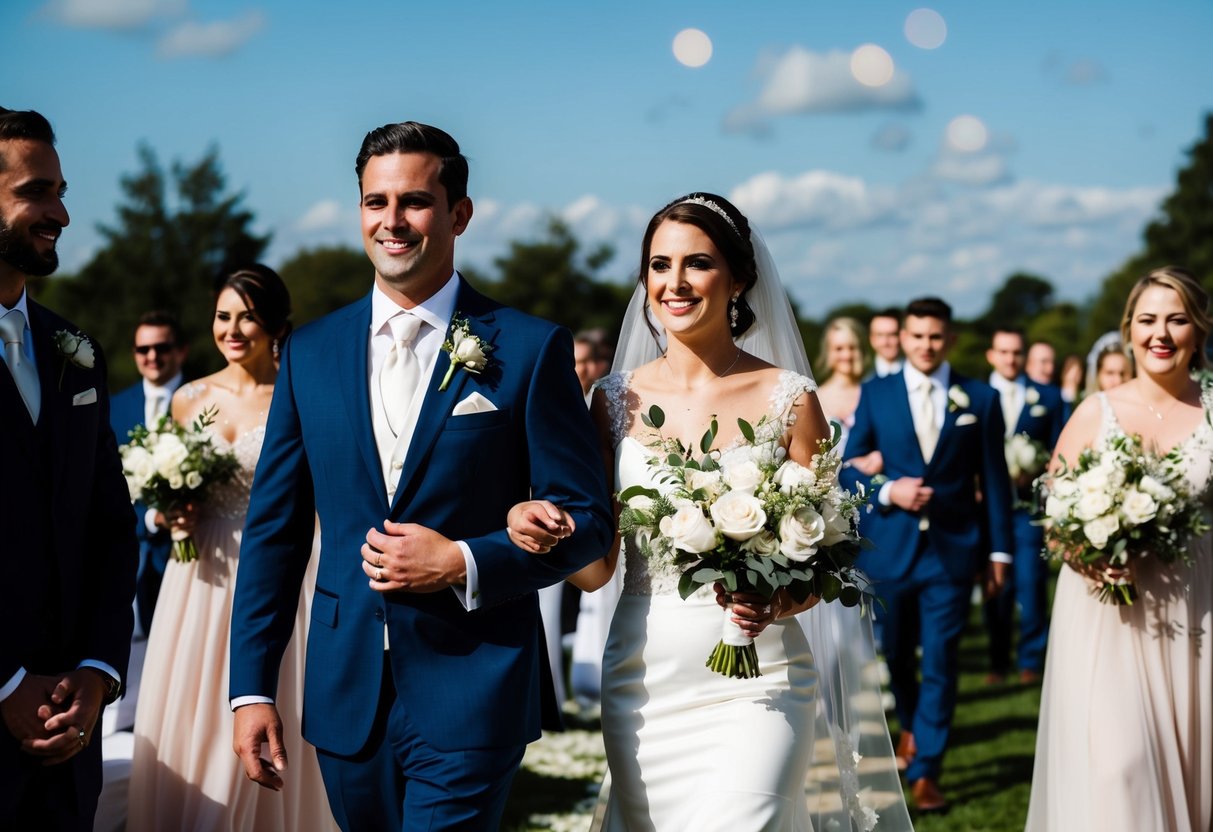
When planning your wedding ceremony, organization is key. It’s important to consider details like timing, roles, and the flow of the event. A few smart planning tips can make this process smoother for you.
Ceremony Planning Tips
Begin by outlining a timeline for your ceremony. This ensures everyone knows when to arrive and what to do.
A typical ceremony lasts about 30 minutes to an hour.
Create a processional order. Decide who walks down the aisle and in what order.
Commonly, the officiant, grandparents, and parents enter first, followed by the bridal party. You might like to have the bride walk last with her father.
Don’t forget to practice! Arrange a rehearsal before the big day. This helps everyone to feel comfortable with their roles and timing.
Role of the Wedding Coordinator
A wedding coordinator can be invaluable in organizing your ceremony. They handle logistics and ensure everything runs smoothly. This includes managing the timeline and coordinating with vendors.
Your coordinator will also help communicate with your bridal party. They ensure each member knows their role on the day. This way, you can focus on enjoying your special moment without stress.
Having someone experienced can turn chaos into calm. Their support can give you peace of mind, knowing that details are in good hands.