
Does the Celebrant Write the Eulogy? Understanding Their Role in Memorial Services
When planning a funeral, you may wonder about the role of a celebrant in writing the eulogy. Generally, the celebrant does not write the eulogy themselves but can assist you in creating a meaningful tribute. This means that while you or a loved one can share personal memories and thoughts, the celebrant is there to support you throughout the process.

A eulogy is a heartfelt way to honor the deceased and celebrate their life. It often includes stories, favorite moments, and reflections on the impact they had on others. Your celebrant can guide you in crafting this tribute, offering suggestions and helping to weave together the memories you wish to share. This collaborative approach ensures the eulogy resonates with everyone present.
Understanding how a celebrant can help with the eulogy allows you to focus on what truly matters during this time. By working together, you can create a touching remembrance that reflects the unique spirit of the person you are honoring.
Understanding the Role of a Celebrant
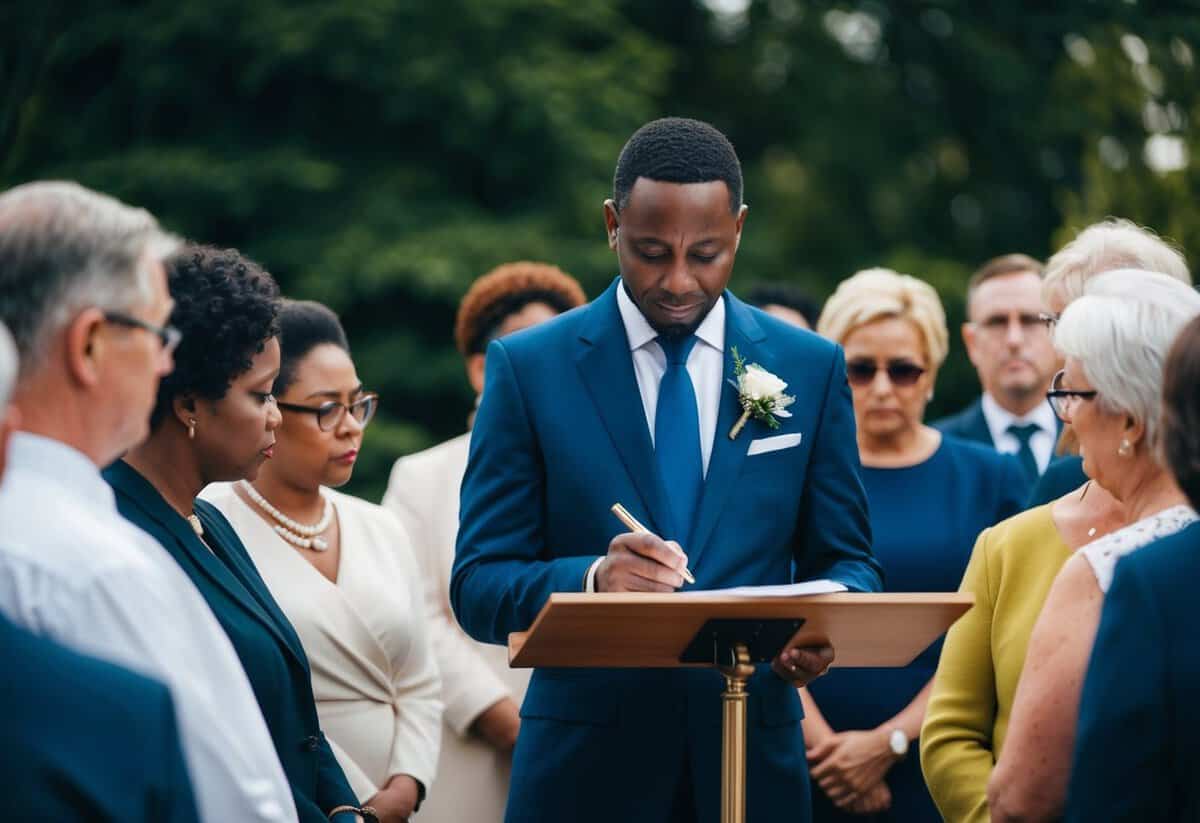
A funeral celebrant plays a vital role in honoring a loved one. They help create a personalized and meaningful service that reflects the spirit of the deceased while offering comfort to family and friends. Here’s a closer look at their responsibilities and how they differ from family members in this important time.
Defining a Funeral Celebrant’s Responsibilities
A funeral celebrant is a professional who leads the ceremony and prepares the eulogy. Their main goal is to create a respectful tribute that captures the essence of the individual’s life. This involves meeting with the family to gather stories and memories that make the eulogy personal and heartfelt.
Celebrants often write the eulogy themselves, ensuring it is structured to include significant milestones, special relationships, and cherished memories. They handle all aspects of the ceremony, from the opening remarks to closing thoughts, creating a flow that resonates with attendees. Effective communication and empathy are crucial skills for celebrants, allowing them to connect with mourners and create a supportive environment during the service.
Differences Between a Celebrant and Family Members
While family members may want to be involved in the ceremony, a funeral celebrant brings unique experience to the planning process. They can remain objective, providing a neutral perspective when drafting the eulogy and organizing the service, which can be beneficial during emotional times.
Family members often contribute personal stories and insights that enhance the eulogy. However, they might find it challenging to express complex emotions publicly. A celebrant fills that gap, ensuring the service flows smoothly and respectfully. They can also make logistical arrangements, allowing family members to focus on their grief and time together. By collaborating with a celebrant, you ensure that your loved one’s tribute is beautifully executed.
The Eulogy Writing Process

Writing a eulogy involves collecting meaningful content, incorporating personal stories, choosing the right tone, and sometimes adding quotes or poetry. Each step helps create a heartfelt tribute that resonates with those attending the service.
Gathering Content for a Eulogy
Start by collecting essential information about the person’s life. Speak with family members and friends to gather insights about key events, achievements, and their character.
Make a list of important life milestones such as educational achievements, career highlights, or hobbies. Ask open-ended questions to encourage sharing personal stories and memories. This helps paint a complete picture of the individual’s life and impact.
Consider using a notepad or digital document to organize your notes. Jot down any thoughts or feelings you have about the person as well. This can add emotional depth to the eulogy.
Incorporating Personal Stories and Anecdotes
Personal stories are crucial to making a eulogy feel special. These anecdotes share moments that highlight the person’s unique character. They could be funny, touching, or even revealing.
When including stories, think about ones that showcase their values or passions. For example, if they were known for their kindness, tell a story that illustrates this.
Using storytelling techniques, like vivid descriptions or dialogue, can captivate the audience. Keep the anecdotes respectful and appropriate for a memorial setting. A well-placed story can evoke laughter or tears and truly honor the individual’s memory.
Choosing the Tone and Style
Deciding on the tone is vital in shaping the eulogy’s impact. Consider the personality of the deceased and the feelings of the audience. A light, humorous tone might fit for someone known for their fun spirit, while a more solemn approach may suit someone who was deeply serious and reflective.
Use simple and clear language to ensure everyone understands your message. Short, heartfelt sentences often resonate more than complex phrases.
Additionally, be mindful of your audience. Balance your tone to make everyone feel included, regardless of their emotional state. Aim for a tone that reflects the individual’s essence and encourages connection among mourners.
Adding Quotes and Poetry
Incorporating quotes or poetry can enhance the emotional weight of the eulogy. Choose lines that reflect the individual’s life philosophy or favorite sayings.
You can add famous quotes about love, friendship, or loss to deepen the connection with your listeners. For instance, a quote they often shared or one that embodies their beliefs can be powerful.
If the deceased had a favorite poem, consider including a stanza or two. Poetry can evoke strong feelings and create a beautiful rhythm to your words.
Make sure all additions align with the themes you’ve built throughout the eulogy. This creates a cohesive and heartfelt tribute that honors their memory while resonating with everyone present.
Delivering the Eulogy
Delivering a eulogy can be a powerful moment to honor a loved one. It’s essential to prepare and practice. Managing nerves is key, and connecting with your audience enhances the delivery.
Preparation and Practice Techniques
Before the eulogy, preparation is crucial. Start by outlining your main points. Write down stories and memories you want to share. Use bullet points to keep your thoughts organized.
Next, practice reading the eulogy out loud. This helps you find the right timing and flow. You can practice in front of a mirror or with a trusted friend. They can provide comfort and feedback.
Consider recording yourself while practicing. This way, you can identify areas to improve your delivery. Repetition helps build confidence, making you feel more prepared on the day.
Overcoming Public Speaking Challenges
Many people feel nervous speaking in front of others. To combat this, focus on your breath. Deep breathing can calm your nerves. Inhale deeply through your nose and exhale slowly through your mouth.
Another helpful tip is to visualize your audience. Imagine them as supportive friends. This can ease your anxiety and help you relax.
Remember, it’s okay to feel emotional. You are honoring someone special, and it’s natural to have moments of vulnerability. Embrace these feelings; they show your authenticity.
Making Eye Contact and Managing Emotions
Eye contact is key to connecting with your audience. It shows sincerity and helps engage listeners. Try to look at different people throughout your speech. This creates a sense of inclusivity.
When emotions arise, take a moment to pause. A brief silence can help you compose yourself. If you need a moment, don’t rush. You can also keep a tissue handy, just in case.
To manage your emotions, acknowledge them. It’s okay to share a personal moment or memory. Authentic expressions can resonate deeply with your audience, making your words more impactful.
Special Considerations for Eulogies
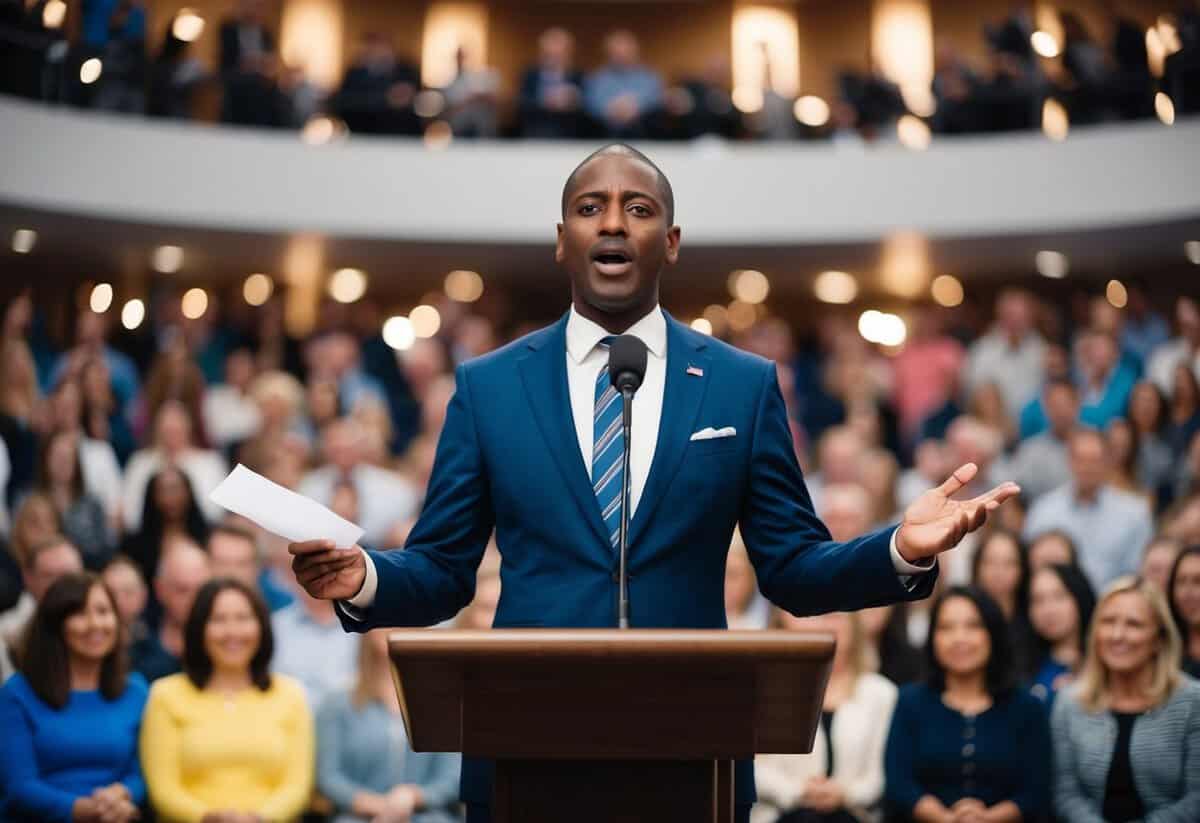
When preparing a eulogy, it’s important to consider the type of service and the significant moments in the person’s life. Each aspect can help shape a meaningful tribute that truly reflects the individual being honored.
Adapting to Different Funeral Types
Different funerals have unique tones and expectations. For humanist funerals, focus on celebrating the person’s life without relying on religious language. Share their life story, emphasizing their achievements, values, and passions.
For military services, incorporate elements that respect their service. Mention their dedication, honor, and specific stories that reflect their commitment. This sets a respectful tone while honoring their sacrifice.
No matter the type of service, adapt your words to match the audience and the setting. This creates an emotional connection that resonates.
Honouring Life Milestones and Significant Relationships
Think about the key milestones in the person’s life. Highlight achievements like graduations, marriages, or significant career moments. This paints a full picture of their journey.
Don’t forget to mention their significant relationships. Talk about cherished friendships, family bonds, and any special connections. Stories shared between you and the deceased can engage the audience and foster shared memories.
Remember, these personal touches create warmth and show how they impacted the lives around them.
Incorporating Humor Appropriately
Using humor in a eulogy can lighten the atmosphere, but you must do it carefully. Share funny anecdotes that reflect the person’s personality, ensuring they are respectful.
Humorous poems can be a delightful way to celebrate their spirit. Just make sure the jokes or stories match the overall tone of the service. You want to uplift, not offend.
Consider the audience carefully. Some may appreciate humor more than others. Balancing laughter with heartfelt emotion will create a memorable and touching tribute.