
Does the Father of the Bride Give Her Away? Exploring Traditions and Modern Interpretations
The moment when the father of the bride walks her down the aisle is a touching part of the wedding ceremony. In modern weddings, the father giving his daughter away is still common, but couples often make this moment their own by choosing different arrangements. This can include having both parents accompany the bride or even allowing her to walk solo, symbolizing her independence.
This tradition stems from historical views on marriage, where giving away the bride was seen as transferring responsibility from the father to the groom. Today, many couples adapt this custom to reflect their values and relationships. Whether it involves a father-daughter walk or another meaningful gesture, the focus is on celebrating love and the journey ahead.
Understanding the significance of this tradition can add depth to your wedding plans. As you contemplate your own wedding ceremony, consider what feels right for you and your family. The choice is yours to make it special.
The Role of the Father of the Bride

The father of the bride plays a vital role in the wedding ceremony, symbolizing support and love. This section covers key aspects of the father’s duties, from tradition and symbolism to the emotional moments during the ceremony.
Tradition and Symbolism
The tradition of giving away the bride dates back many centuries. This act symbolizes the father’s approval and support for the marriage. When you walk your daughter down the aisle, you are showing that you trust her choice in a partner.
During this moment, you might be asked the phrase, “Who gives this woman?” This question highlights the transition from father to husband, marking a significant change in your daughter’s life.
Walking Down the Aisle
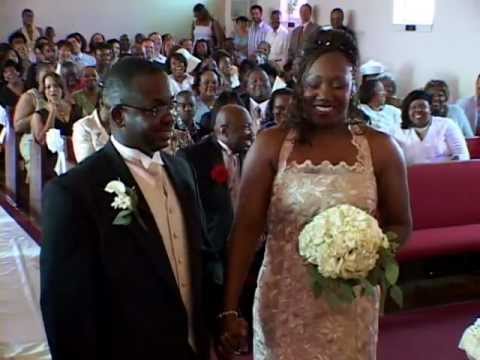
Walking down the aisle is one of the most emotional moments of the wedding. As her father, you have the honor of escorting your daughter to her partner. This journey is often filled with mixed emotions—joy, pride, and a touch of sadness.
Your presence helps to calm her nerves. Holding her arm reinforces your support. This walk also serves as a powerful symbol of your family’s love being passed on to her new life.
Blessing and Approval
Your blessing is an important sign of approval for the marriage. During the ceremony, you can express your love and pride as you give your daughter away. This moment signifies that you trust her decision and are happy to support her future.
Giving a heartfelt toast at the reception can also deepen this moment. This allows you to publicly share your feelings and offer well wishes for the married couple. This role is not just about tradition; it’s a meaningful way to connect with your daughter and her partner.
Cultural and Historical Context
The practice of a father giving away his daughter has deep roots in history and culture. It involves significant concepts like dowry and arranged marriages, which shaped how weddings were viewed in traditional societies.
Dowry and Arranged Marriages
In many cultures, especially in the past, marriages were often arranged by families. In these cases, a dowry played a crucial role. This was a transfer of property or money from the bride’s family to the groom’s as part of the marriage contract.
The dowry symbolized the bride’s value and ensured her well-being. It often included items like jewelry, land, or livestock. This practice was seen as a way for families to secure a good match for their daughters. The exchange also indicated that the father was ‘giving away’ his daughter in a sense of transferring ownership to the groom’s family.
Transfer of Responsibility
The act of giving away the bride also represents a transfer of responsibility. Historically, fathers were expected to protect and provide for their daughters until marriage.
By walking her down the aisle, you show support for her new life with her husband. This gesture indicates your blessing and trust in the groom to take on that role. In many traditional weddings, this action reflects a significant moment, marking the end of one chapter and the start of another in the bride’s life. It underlines the father’s acceptance of the groom into the family.
Modern Interpretations and Alternatives

Many modern brides and grooms are rethinking traditional wedding practices. This includes how the bride is “given away.” Today, weddings can reflect personal values and styles. Let’s explore some popular alternatives to the classic “giving away” tradition.
Alternative Practices in Modern Weddings
In modern weddings, you might want to break away from the tradition where the father gives away the bride. Many couples choose to have both parents walk with the bride down the aisle. This symbolizes equal support and love from both sides of the family.
Some couples might prefer to enter together, showcasing their partnership. This can represent equality and unity from the start of the ceremony. Whatever you choose, make it a reflection of your unique journey.
Role of the Mother of the Bride
The mother of the bride can play a significant role in the modern ceremony. Instead of just attending the wedding, she can also join the bride on the way to the altar. This reinforces the idea of family support and can be a touching moment shared between them.
You might also consider having the mother give a speech or lead a special blessing. This gives her a chance to be involved in a meaningful way, making the day even more memorable for everyone.
Walking Down the Aisle Alone or with Others
Walking down the aisle alone has become a popular choice for some brides. This choice can symbolize independence and strength. You might feel empowered taking this step solo, embracing your individuality.
Alternatively, you could walk with a friend, sibling, or any loved one who holds special meaning to you. The focus is on what feels right for you rather than adhering to traditional roles. Flexibility allows for a more personal experience.
Alternative Wordings and Rituals
Many couples are also changing the wording during the ceremony. For instance, instead of asking, “Who gives this bride away?” you might say, “Who supports this union?” This wording reflects modern values and emphasizes partnership.
Incorporating unique rituals can also add a personal touch to your ceremony. For example, handfasting or unity candles represent the joining of two lives. These rituals can encapsulate your love and commitment in special ways, making the ceremony uniquely yours.