
Does the Father of the Bride Have to Pay for the Wedding? Exploring Traditional Roles and Modern Trends
Planning a wedding can bring up a lot of questions, especially when it comes to who pays for what. Traditionally, people expected the father of the bride to cover most of the wedding expenses, but this is not a strict rule anymore. Modern couples are exploring different financial arrangements and are often taking an egalitarian approach to split costs more evenly between families or even just the couple themselves.

As gender roles continue to evolve, so do the financial responsibilities tied to wedding planning. You might find that many families are flexible with traditional expectations, allowing everyone to contribute according to their ability. With this shift, it’s essential to communicate openly about finances to ensure that everyone involved is comfortable with the arrangements.
Understanding where these expectations come from and how they’ve changed can help you navigate the wedding budget with ease. Whether you stick to tradition or create your own path, the ultimate goal is to celebrate love in a way that feels right for you.
Understanding Wedding Financial Traditions
Wedding financial traditions are shaped by history, culture, and evolving social norms. These customs can influence who pays for various aspects of the wedding and how those responsibilities might shift over time.
The Role of the Bride’s Family
Traditionally, the bride’s family has been responsible for many wedding expenses. This practice often stems from cultural norms that view the bride’s family as supporting the couple and the new union.
The cost of the ceremony, reception, and even the bride’s attire may fall on them. This reflects an expectation linked to historical gender roles, where the bride’s family demonstrated their commitment through financial support.
In some cultures, this tradition is reinforced by the concept of a dowry, where additional gifts or money are provided. While this is less common today, it highlights the importance placed on the bride’s family in wedding planning.
The Expectations of the Groom’s Family
While the bride’s family traditionally shoulders much of the financial burden, the groom’s family often has their own set of expectations. This can include paying for the rehearsal dinner and the honeymoon.
In some cases, the groom may also contribute to the wedding budget, although this practice is not as widespread. The family’s willingness to support the couple reflects social norms and values, such as honor and support.
As families change, so do these expectations. Many modern couples are more inclined to share costs between both families, emphasizing teamwork and collaboration.
Modern Shifts in Wedding Responsibilities
In today’s world, wedding planning is becoming more egalitarian. Couples often choose to split costs more evenly and include both families in the process. This shift recognizes the shared responsibility of organizing a celebration.
Many engaged couples create budgets and prioritize their spending together. They might decide to fund parts of the wedding based on personal preferences rather than traditional roles.
This approach fosters open communication and respects each family’s input. As gender roles evolve, many find that the responsibilities around wedding finances can adapt in ways that reflect their values and relationships.
Planning and Budgeting for the Big Day
When planning your wedding, focusing on budgeting and expense allocation is crucial. Understanding how to create a solid budget can help you manage costs and involve family contributions in an organized way.
Creating a Wedding Budget
Start by outlining your overall wedding budget. This should include all expected costs, such as the venue, catering, decorations, and attire. Typically, a wedding planner can help you break down these expenses further.
Consider creating a simple table:
| Expense Category | Estimated Cost |
|---|---|
| Venue | $5,000 |
| Catering | $3,000 |
| Flowers and Decor | $1,500 |
| Attire | $1,200 |
| Photography | $2,000 |
Don’t forget hidden costs like the marriage license and gifts for your bridal party. Always allow for a small buffer in your budget for unexpected expenses. Regularly review your budget to stay on track.
Allocating Expenses Between Families
Discussing who pays for what can be delicate but is essential for clear planning. Traditionally, the father of the bride has taken on certain expenses, but this varies today. Each family member can contribute based on willingness and ability.
Make a list of all major costs and discuss them with your families. This allows you to assign specific expenses, like the venue or catering, to different family members.
Open communication promotes fairness and reduces stress. You might find that both families are eager to help, which can lighten your financial load and enhance the celebration.
What Costs to Expect
Planning a wedding involves several key expenses that can add up quickly. Knowing what to expect can help you manage your budget better. Let’s break down the main costs associated with the wedding day and related events.
Rehearsal Dinner and Pre-Wedding Events
The rehearsal dinner is typically hosted the night before the wedding. It’s a nice way to gather family and friends. You may need to budget for food, drinks, and a venue. Costs can vary, but expect to spend between $1,500 to $3,000 for a medium-sized gathering.
Additional pre-wedding events include the engagement party. This can range from a simple gathering at home to a more elaborate venue. Costs could be around $500 to $2,000. Remember, these events set the tone for your wedding weekend, so choose a budget that suits your needs.
The Ceremony and Reception Essentials
The ceremony is one of the most significant parts of your wedding. You’ll need to consider the officiant fee, which can cost between $200 to $500. The wedding venue often takes the largest chunk of your budget, sometimes exceeding $10,000, depending on its popularity and location.
For the reception, think about food, drinks, and decorations. Catering can range from $70 to $150 per person. Don’t forget wedding flowers, like the bride’s bouquet and reception centerpieces, which might add another $1,000. Lastly, wedding cakes can vary in price from $300 to $1,000.
Additional Wedding Day Expenses
Once the ceremony and reception are set, think about other costs. The wedding dress is often a big purchase unless you go for a rental option. Prices can range from $1,000 to $5,000. If you are buying a groom’s wedding band, this can average between $300 to $1,500.
Hair and makeup for the bride can cost $300 to $600. These little details can sneak up on you, so it’s smart to have a budget in mind. Don’t forget to plan a bit for the honeymoon, which is another exciting expense to manage!
Ways to Show Support Beyond Financial
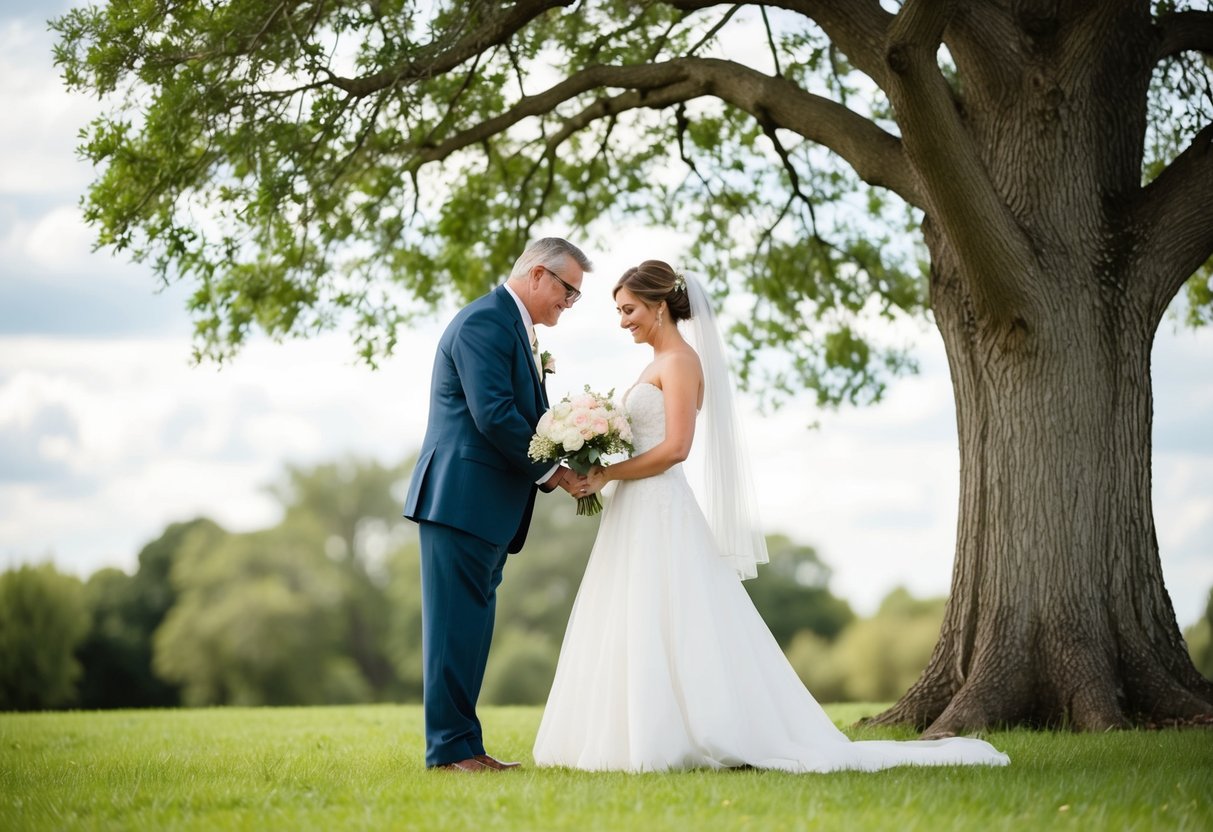
Supporting your daughter on her wedding day goes beyond just covering costs. Emotional encouragement and assistance with planning can strengthen your bond and help create a special experience.
Offering Emotional Support
Your presence and reassurance can mean the world to your daughter as she navigates the wedding planning process. Be there to listen when she shares her thoughts and concerns. Offering a hug or simply saying, “I’m proud of you,” can alleviate her stress.
Encourage her to focus on what truly matters—her happiness. Share in her excitement about her bridal shower and help her select the perfect attire. You can also remind her that it’s okay to take breaks from planning.
When emotions run high, being a calm force will help her feel grounded. Your emotional support will create a safe space for her to express her feelings and share her hopes for the day.
Assisting with Wedding Planning
Your involvement in the wedding planning can be invaluable. You can help her brainstorm ideas for the wedding theme or assist in choosing vendors like the wedding photographer or videographer. These decisions can feel overwhelming, and your insights can help simplify the process.
Consider helping with logistical details, like organizing transportation for the wedding day. For instance, arranging a getaway car can add a special touch.
You can also participate in creating the guest list and selecting wedding invitations. If there’s a bridal shower to plan, offer your assistance in coordinating the details or picking out gifts. Each piece of support reinforces your commitment to making this day joyful.