
Does the Girl Buy the Guy’s Wedding Band? Exploring Modern Engagement Traditions
In many relationships, choosing wedding bands is a significant step filled with meaning and connection. The question of whether the girl should buy the guy’s wedding band often comes up. Traditionally, each person buys the other’s ring as a symbol of love and commitment, showing mutual understanding in the partnership.
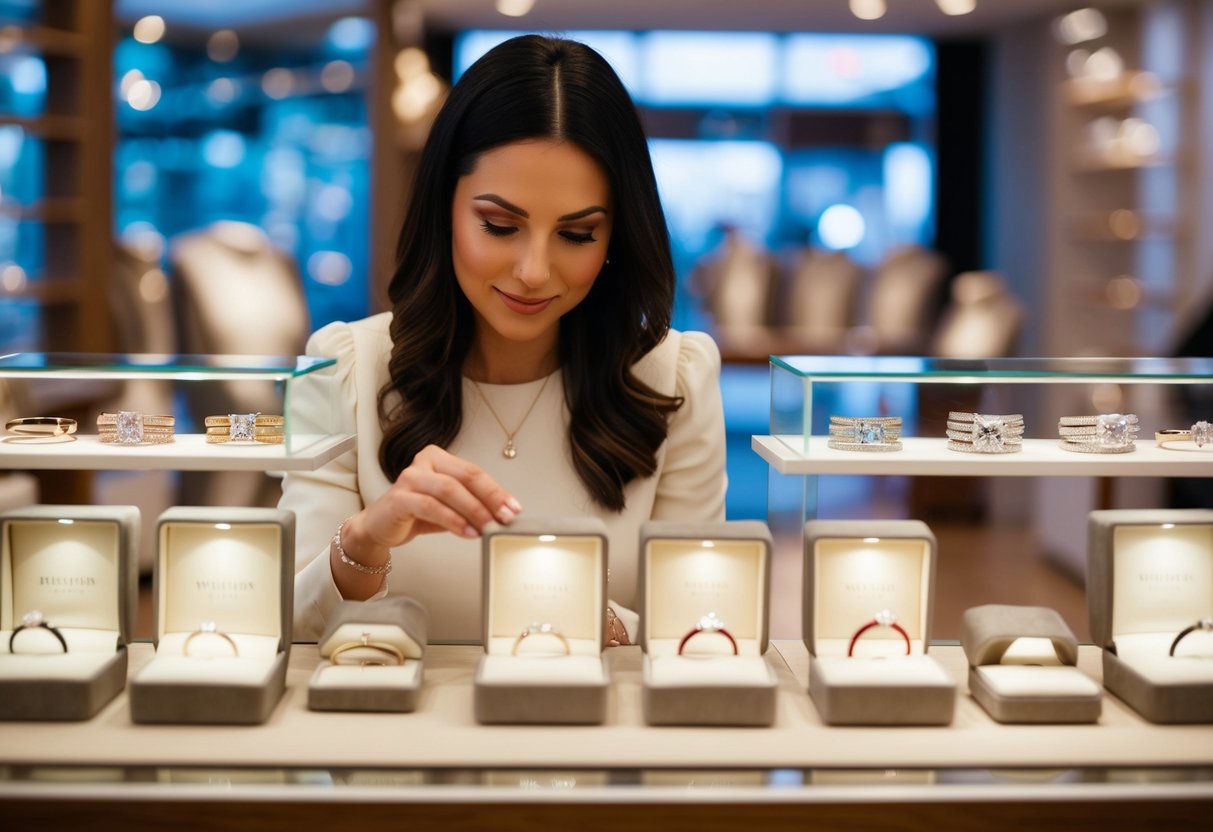
As times change, so do the customs surrounding weddings. Many modern couples decide to make this choice together, ensuring that both partners feel included in the process. This can turn ring shopping into a fun and meaningful experience, reinforcing the bond you share.
The decision about who buys the rings should reflect your values as a couple. Whether you stick to tradition or create your own path, it’s all about celebrating your love and commitment to one another.
Wedding Band Traditions and Gender Roles
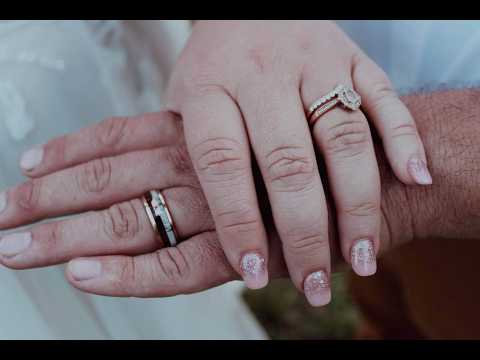
Wedding band traditions have long been influenced by cultural norms and gender expectations. These customs shape who buys the rings and how couples approach this important decision. Understanding the history and current views on gender roles can provide clarity for both partners.
History of Wedding Band Exchanges
Traditionally, the groom was responsible for purchasing both wedding bands. This custom originated from the notion that the groom was the provider. Families also played a role in these traditions, where the bride’s family might supply the bride’s ring.
Over time, these customs began to evolve. Many couples started to share responsibilities for buying rings. In some cultures, the bride purchased the groom’s band, showing a shift in expectations. This change reflects a broader movement towards equality in relationships.
Modern Perspectives on Gender Roles in Weddings
Today, wedding band purchases are far more flexible. Many couples choose to break from tradition. You may decide together who should buy the rings based on personal preferences or financial factors.
This shift allows for various arrangements, such as splitting costs or each partner buying their own ring. As gender roles continue to evolve, mutual respect and partnership are at the heart of modern wedding planning.
Communication and Decision Making

When planning your wedding, open communication is key. You and your partner need to discuss important decisions, like who buys the wedding bands. Reaching a mutual agreement can help both of you feel involved and valued in the planning process.
Importance of Open Communication
Open communication in wedding planning helps you understand each other’s thoughts and feelings about various choices. It allows you to share preferences regarding wedding bands.
By discussing what each of you wants, you create a sense of teamwork. This teamwork builds trust.
Consider using a list or notes to record preferences. This way, both of you have a clear understanding of what each person desires. Remember, the goal is to ensure both partners feel heard and respected.
Reaching a Mutual Agreement on Wedding Bands
Reaching a mutual agreement about buying wedding bands can make the process smoother. You can have conversations about budget, style, and what each of you wants.
Discussing who will buy the rings early on helps avoid misunderstandings. You might agree that each of you buys the other’s band, or maybe you want to split the costs.
To help make decisions, consider making a list of priorities. This can be about budget, stone choices, or metals. Having this written down can clarify each person’s wishes.
By coming together on this choice, you strengthen your bond. You will feel more connected as you move forward in your wedding planning.
Financial Considerations and Budgeting
When planning for wedding rings, you need to think about budgeting and who will pay for what. This helps avoid any misunderstandings between you and your partner. Being clear about financial responsibilities makes the process smoother and more enjoyable.
Assigning Financial Responsibility for Wedding Bands
Deciding who buys the wedding bands can vary by couple. Traditionally, it was common for the bride to purchase the groom’s band, while the groom bought hers.
Now, many couples choose to split costs or work out who pays based on their financial situations. Open communication is key. Here are some options to consider:
- 50/50 Split: Both partners contribute equally.
- Individual Responsibility: Each person pays for their own ring.
- Parents’ Contribution: Sometimes, parents may help with expenses.
Discussing these options can help you find what works best for your relationship.
Wedding Expenses and Planning
Wedding expenses can add up quickly, making a budget essential. Before you buy the wedding rings, consider your total wedding budget. This includes:
- Venue costs
- Catering
- Photography
- Attire
It’s important to prioritize your spending. Set aside a specific amount for wedding rings based on your overall budget. The average cost for a woman’s band is around $1,200, while a man’s band tends to be about $600.
Make a list of financial priorities and stick to it. This helps in managing your funds while keeping both of you happy with your choices.
Personalizing Your Wedding Band Experience
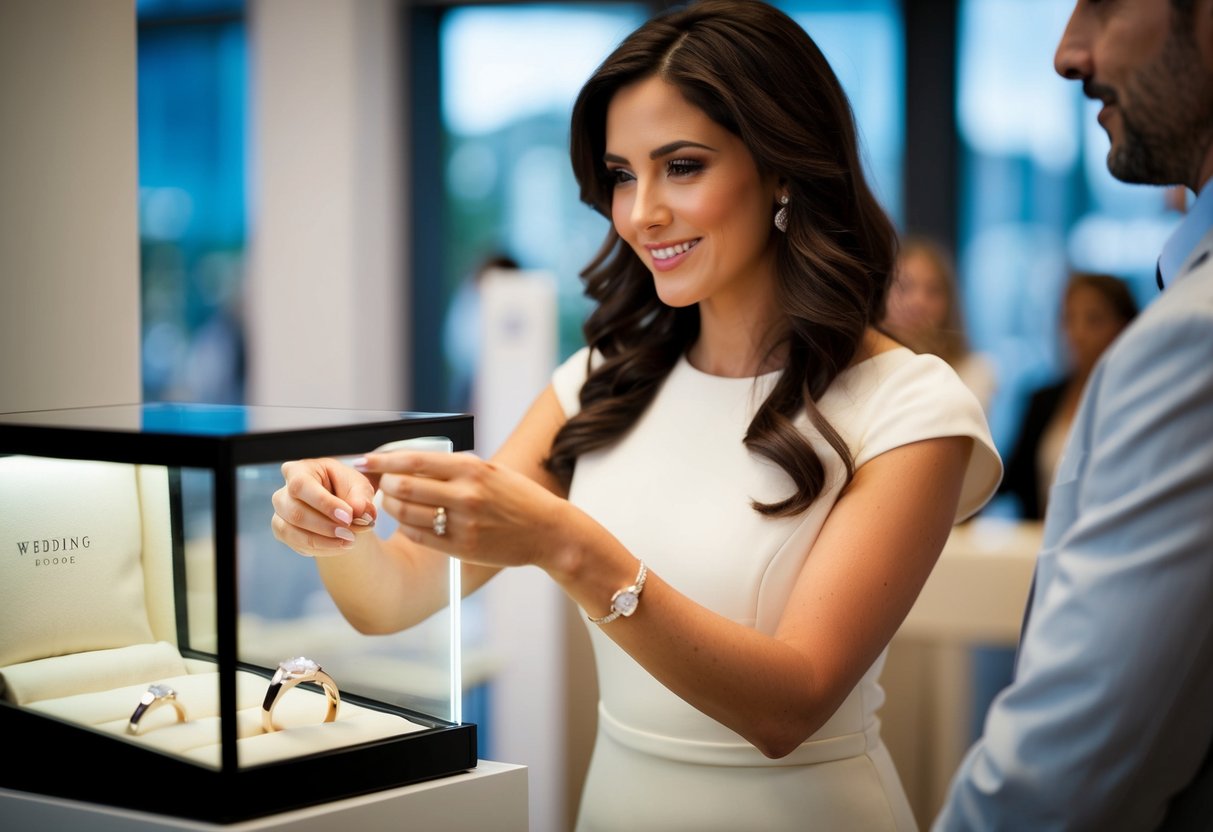
Making your wedding band selection more personal can be a fun and meaningful journey. You can choose rings that truly reflect your style and explore alternative options beyond traditional bands.
Choosing Rings That Reflect Personal Preferences
When selecting a wedding band, think about what styles genuinely speak to you. Consider matching your band with the engagement ring. This can create a harmonious look that represents your connection.
Explore different materials, like gold, silver, or even alternative metals. Each choice has its own vibe. You might prefer a simple band or something with intricate designs.
Don’t forget about personalization. Engraving your initials or a special date can add a unique touch. Think about incorporating elements that have meaning for both of you, such as gemstones or heirloom jewelry from family members. This can make your rings feel even more special.
Alternative Options to Traditional Wedding Bands
If you’re looking for something different, consider alternative options. For instance, matching tattoos can serve as a permanent symbol of your bond. This choice can be both trendy and meaningful.
You might also want to look into unconventional rings made from wood, silicone, or alternate materials. These options can represent your personality and lifestyle better than traditional metal bands.
Another idea is to choose a ring that reflects your shared interests, such as motifs from your favorite hobbies. Whatever you choose, focus on what feels right for you as a couple. Personalizing your wedding band experience can make the day even more memorable.