
Does the Girl Buy the Guy’s Wedding Band? Exploring Modern Wedding Traditions
As you plan your wedding, you may wonder about the tradition surrounding who buys the wedding bands. In modern times, it’s common for the bride to purchase the groom’s wedding band rather than adhering strictly to traditional gender roles. This shift reflects changing societal norms and recognizes that personal preferences play a significant role in how couples approach this special purchase.
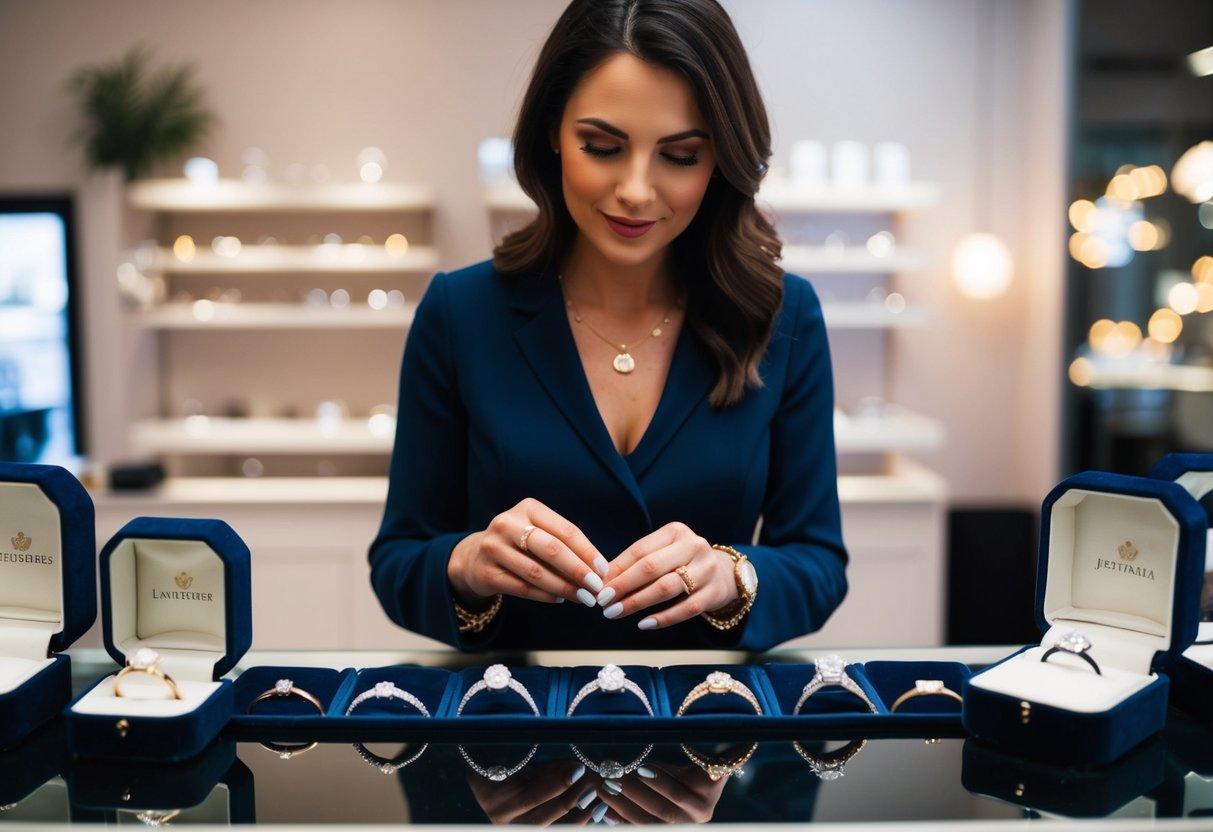
Some couples enjoy the idea of buying each other’s rings, adding a personal touch and meaning to the occasion. As you consider your own plans, think about what feels right for you and your partner. Whether you stick to tradition or create your own rules, it’s all about what matters to you both.
Understanding Wedding Band Traditions
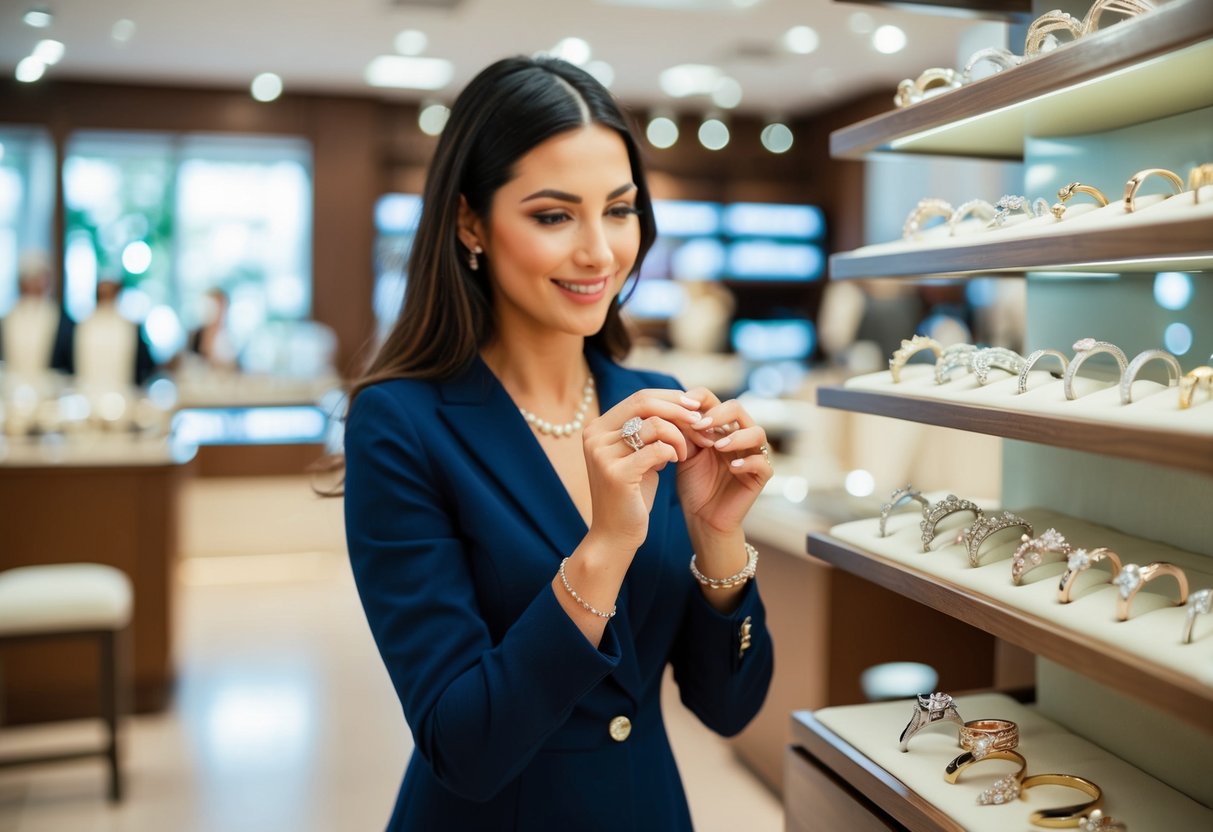
Wedding band traditions have deep roots in history and have evolved over time. These customs reflect gender roles and the relationships between partners. Understanding these traditions helps you appreciate their significance in today’s world.
Historical Context of Wedding Band Exchange
Traditionally, wedding bands symbolize commitment and love. In many cultures, the groom often purchases the bride’s ring while the bride takes care of the groom’s band. This practice dates back centuries when gender roles were more defined.
Back then, men were the primary earners and decision-makers. Women were often thought to depend on men for financial support. Over time, these roles have changed, and you may find that customs vary widely across cultures and families.
Modern Perspectives on Gender Roles in Marriage
In modern relationships, the idea of who buys the wedding bands can be different. Many couples now choose to share the costs equally. This shift reflects changing attitudes towards gender roles and aims for more equality in partnerships.
You might see couples discussing their preferences openly. Some women may buy the man’s wedding band as a gesture of love and commitment. Others may prefer to stick to traditional customs. Ultimately, the choice is personal and reflects your values as a couple.
Navigating the Decision-Making Process Together
Making decisions about the wedding band together is an important step in your partnership. Open communication and mutual understanding help you both feel valued. Shared commitment is essential as you merge your lives and budgets.
Open Communication and Mutual Understanding
Start with open communication about your values and preferences. Talk about what each of you envisions for the wedding band. This way, you can share thoughts on styles, materials, and budgets.
Create a list of what’s important to you both. Consider factors like design, cost, and symbolism. Be honest about your financial situation. This openness builds trust and ensures both partners feel included.
Listening to each other fosters mutual understanding. You might find common ground you didn’t expect. Making the decision should feel like a joint effort.
The Significance of Shared Commitment
When you choose a wedding band together, you are not just selecting jewelry; you are also reinforcing your shared commitment. This collaboration symbolizes your love and partnership.
Think about what the ring represents for both of you. It’s a reminder of your bond and future together.
Putting thought into this decision highlights the importance of your relationship. Explore different options that appeal to both styles. Consider custom designs that reflect your journey together.
By navigating this choice together, you strengthen your partnership and show commitment to each other’s happiness.
Financial Aspects and Joint Planning

When planning a wedding, finances play a key role. Understanding how each partner’s income contributes can strengthen your relationship and ensure a smoother wedding process.
Finding Balance with Individual Incomes
It’s important to discuss your individual incomes before making financial decisions. You might want to create a budget that reflects both of your earnings. This helps in understanding how much each of you can contribute comfortably.
Consider using a simple table to outline your incomes and planned contributions. It can be as straightforward as:
| Partner | Monthly Income | Contribution to Wedding Budget |
|---|---|---|
| Partner A | $3,000 | $150 |
| Partner B | $2,500 | $125 |
This balance creates transparency and sets a solid foundation for planning your wedding.
Establishing Wedding Budget and Financial Equality
Establishing a wedding budget is vital for managing costs. Start by discussing what both of you envision for the wedding. This should include venue costs, catering, and of course, wedding bands.
Financial equality means both partners should share expenses fairly. If one person earns significantly more, consider options that reflect that difference. You could make a joint decision to spend more on certain aspects, like your wedding bands.
It’s also smart to list all potential expenses. This gives you a clear view of where your money is going and helps avoid surprises.
Alternative Options to Traditional Wedding Bands
Many couples are exploring alternatives to traditional wedding bands. Unique choices like matching tattoos can symbolize your commitment just as much as rings. These options allow for personal expression while being mindful of costs.
If you still prefer rings, consider non-traditional materials. Silicone bands or wooden wedding rings can be stylish yet affordable alternatives. They represent your love without stretching your budget.
Choosing alternatives collaboratively can make your wedding feel special and synced with both of your personalities.
The Process of Selecting and Purchasing Wedding Bands
Selecting and purchasing wedding bands is an important step for couples. It involves personal choices that reflect your style and commitment to each other. Let’s explore how to choose the right rings and understand the role of heirloom pieces in this process.
Choosing Rings That Symbolize Personal Taste and Commitment
When picking wedding bands, consider what represents your personal taste and shared commitment. Take time to explore different styles, materials, and designs that catch your eye.
Popular materials like gold, platinum, or tungsten each have unique qualities. Think about whether you want matching rings or complementary styles. Also, consider the width and finish of the bands. Some prefer a classic look, while others may want something modern or unique.
Visiting a jewelry store together can help you both agree on the perfect choice.
The Role of Heirloom Jewelry in Modern Weddings
Heirloom jewelry can add special meaning to your wedding bands. If you have family rings passed down through generations, consider incorporating them into your wedding.
These pieces can be redesigned or worn as-is, adding a personal touch. Not only does this show respect for family traditions, but it also strengthens your sense of connection.
You might choose to add new engravings or use your loved one’s band as a model for your own. This process can be meaningful and create a bond with your past while looking toward the future.
Buying the Man’s Wedding Ring: Practical Tips
When you purchase the man’s wedding ring, make sure to communicate openly. Discuss his style and comfort preferences. It’s important that he feels good wearing the ring daily.
Consider factors like size, shape, and finish. You should also get professional sizing done at a jewelry store. Also, think about the width of the band. Some men may like a chunkier band, while others prefer something slimmer.
Finally, set a budget that works for you both. Many options are available at different price points, so you can find something lovely within your range. By collaborating, you can ensure the man’s wedding ring fits his personality and style.